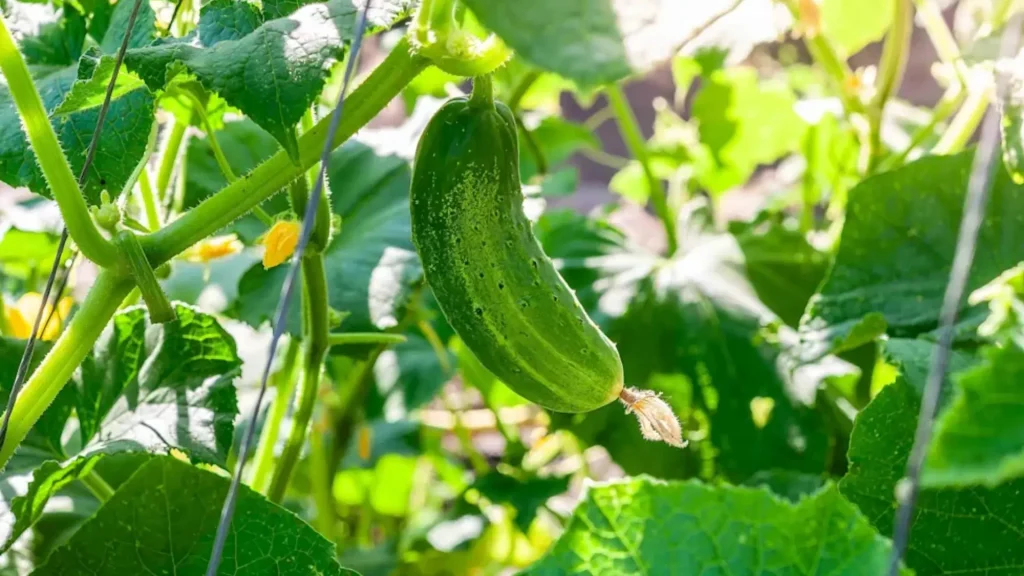
Cucumbers need good soil and sunlight. But what grows next to them matters just as much.
The wrong neighbor can slow your harvest. The right one can do the opposite.
In this blog, you’ll find out exactly which companion plants for cucumbers work best and which ones you should keep far away.
What is Companion Planting?
Companion planting is growing two or more plants close to each other because they help each other out.
Some plants keep pests away. Others attract helpful insects. Some even improve the soil so your main crop grows better.
When you grow the right plants near your cucumbers, you create a small ecosystem that works in your favor. Less pest damage.
Better soil and stronger yields. It’s one of the oldest gardening tricks, and it still works today.
Best Companion Plants for Cucumbers
The right companions for your cucumbers can make a real difference in your garden. The following plants work really well when grown alongside cucumbers.
1. Nasturtiums
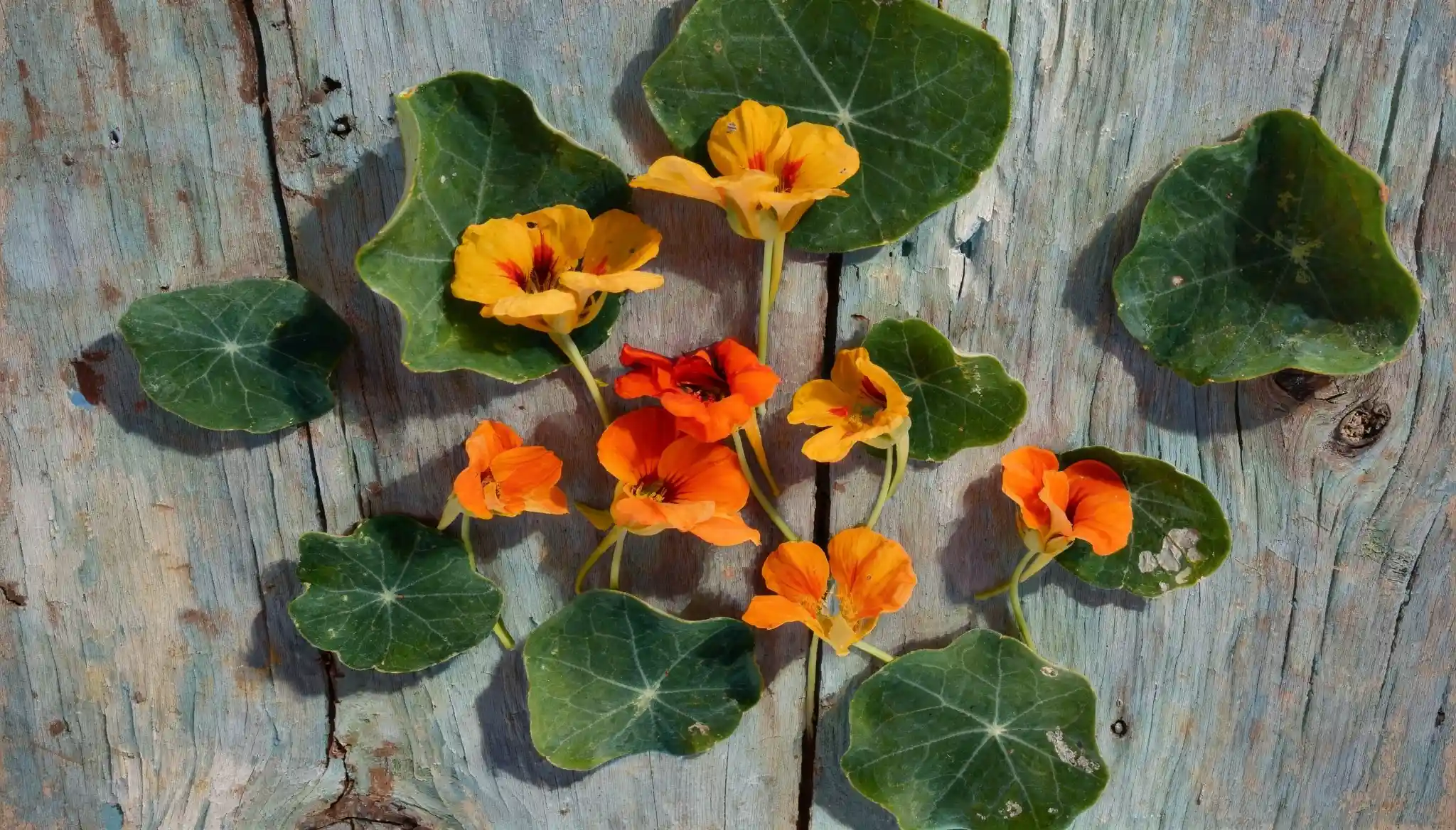
Nasturtiums are one of the best companion plants for cucumbers. They act as a trap crop, as other pests go after nasturtiums first and leave your cucumbers alone.
They also attract predatory insects, such as ladybugs, that feed on harmful pests. Plant nasturtiums around the border of your cucumber bed.
You’ll notice fewer pest problems within a few weeks. Also, nasturtium flowers are edible, so you can get a bonus harvest.
2. Marigolds
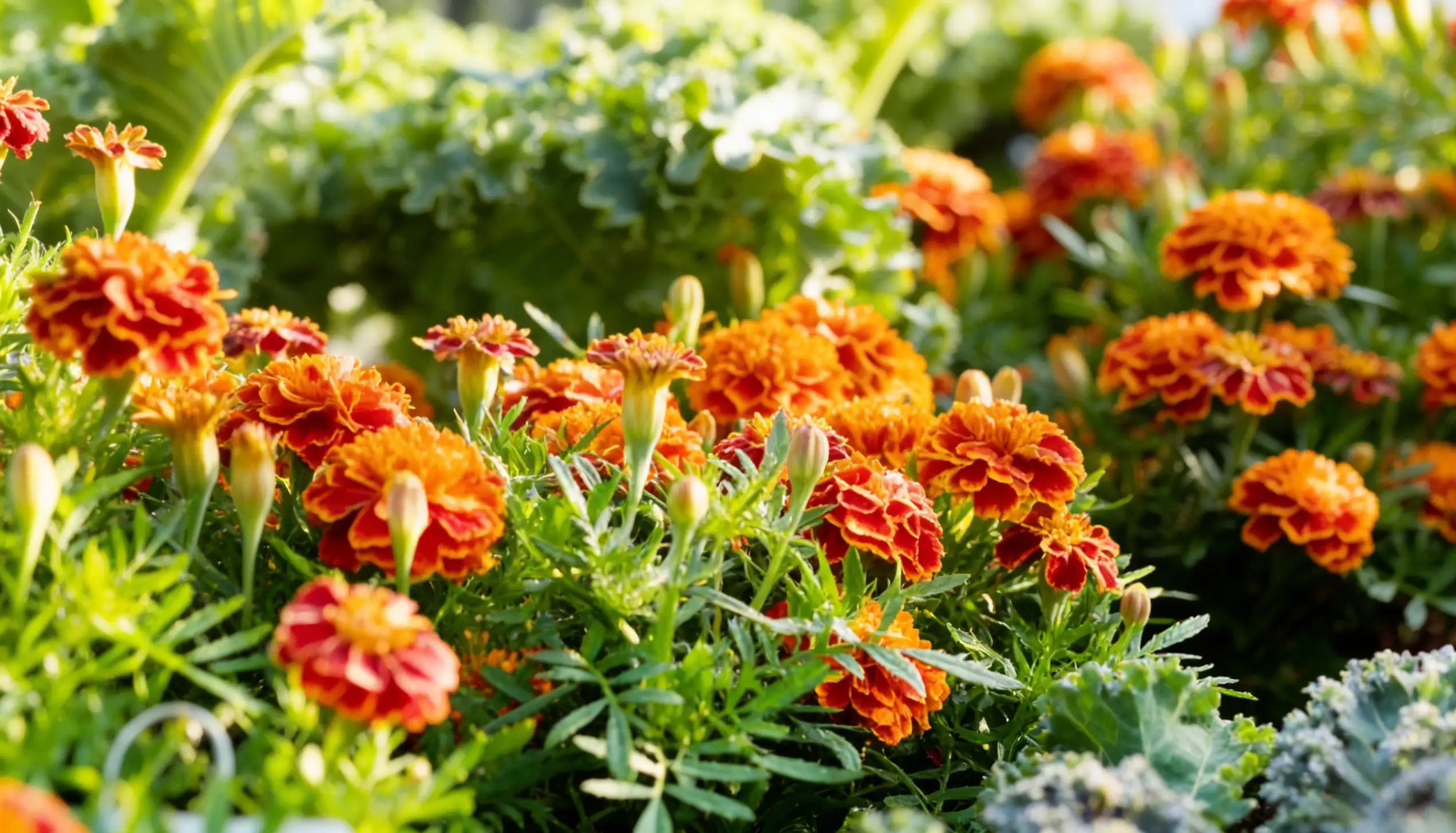
If there’s one plant every gardener should grow near cucumbers, it’s marigolds. They release a strong scent that repels aphids, beetles, and whiteflies.
They also attract pollinators like bees, which helps your cucumbers produce more fruit.
Plant marigolds every few feet along your cucumber rows. French marigolds work well because their roots release a chemical that repels nematodes.
3. Radishes
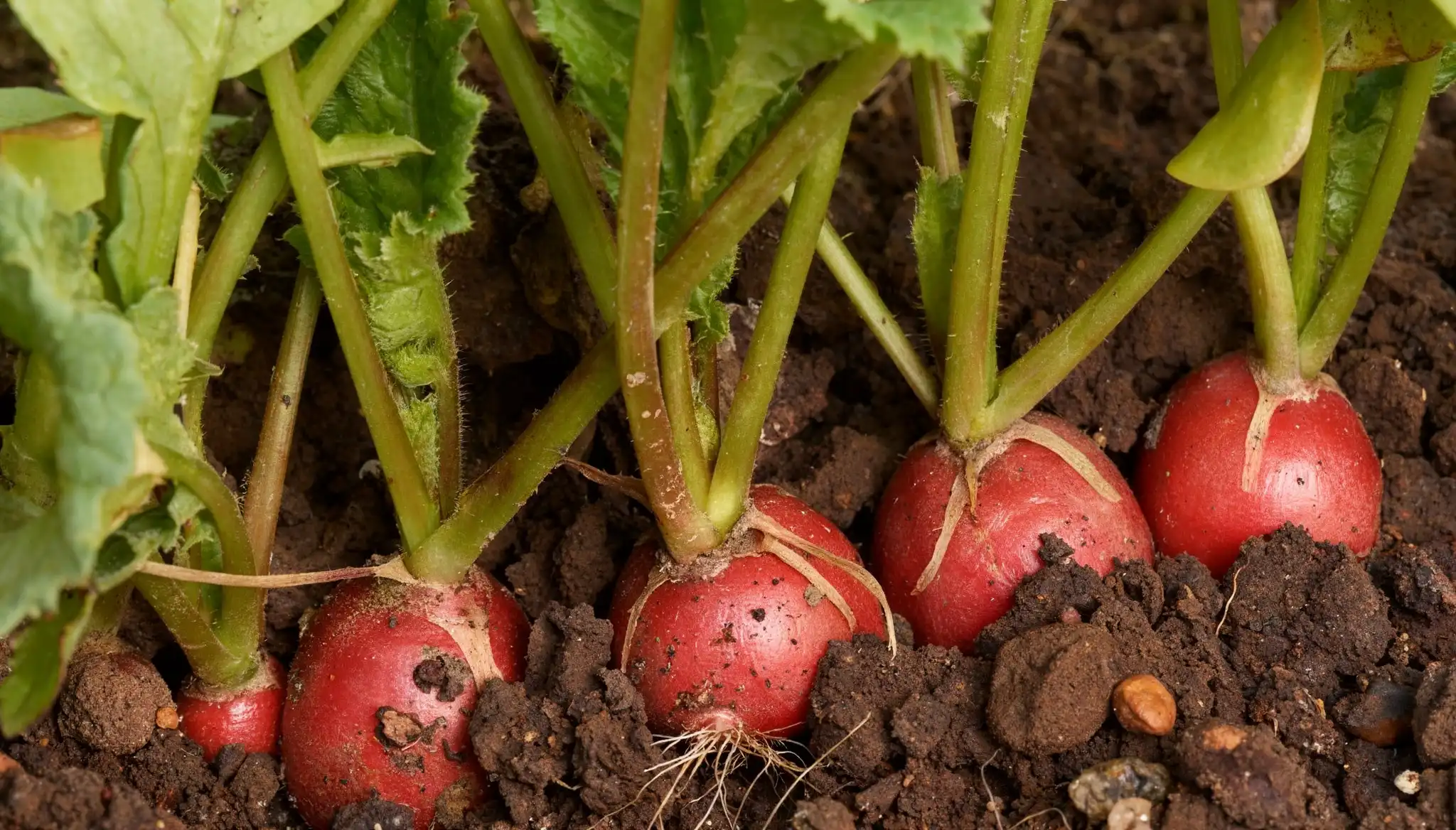
Radishes are a smart, low-effort companion for cucumbers. They grow fast and can be harvested before your cucumbers start spreading.
Radishes repel cucumber beetles, which are among the most damaging pests of cucumber plants.
Plant them at the base of your cucumber plants or in between rows. They don’t compete for space or nutrients.
4. Sunflowers
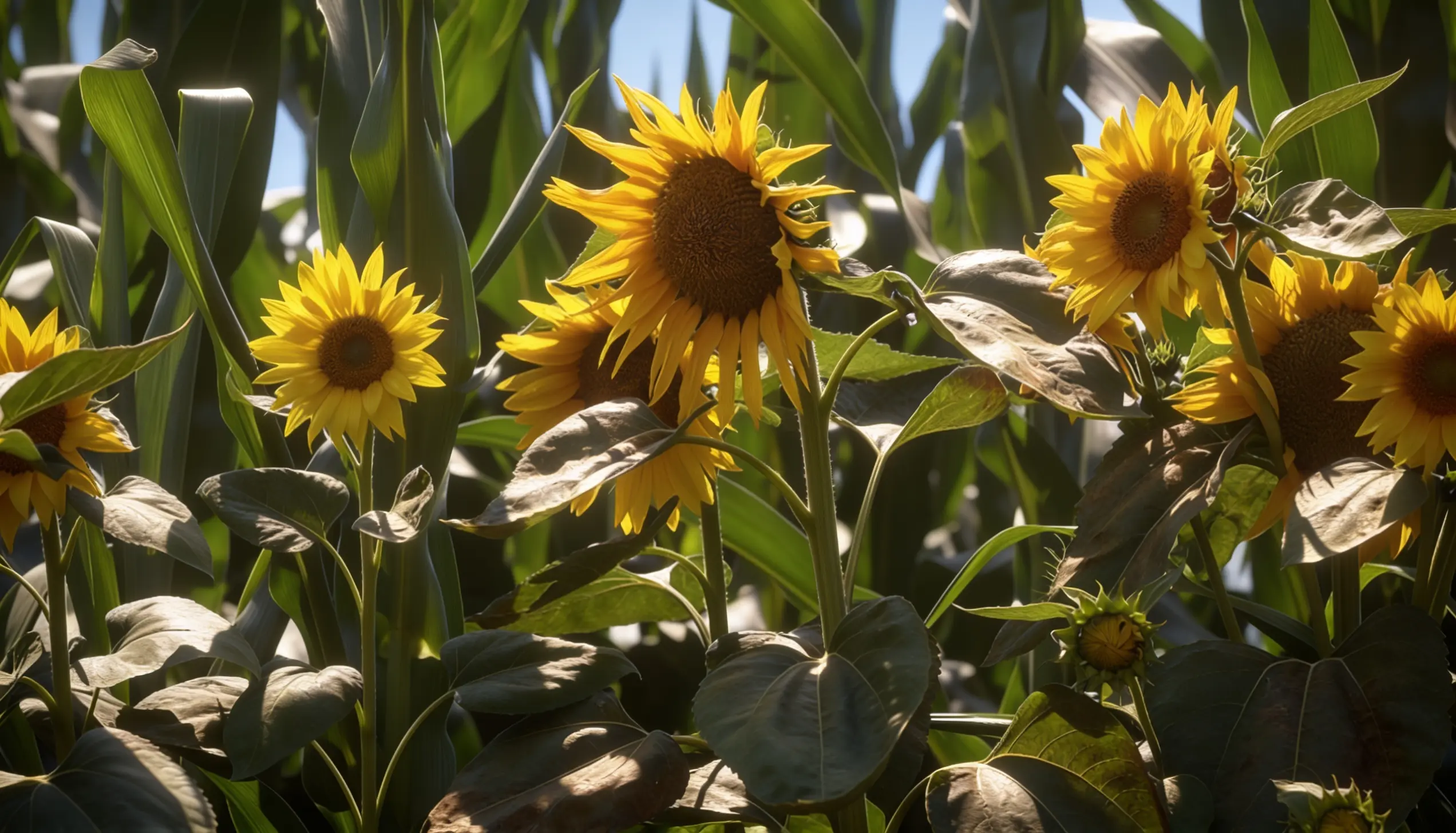
Sunflowers and cucumbers make a great pair. Tall sunflowers act as a natural trellis for cucumber vines to climb.
They also provide partial shade on hot days, which stops cucumber leaves from wilting.
Plant sunflowers on the north side of your cucumber bed so they don’t block sunlight. It’s a practical pairing that helps both plants survive.
5. Beans
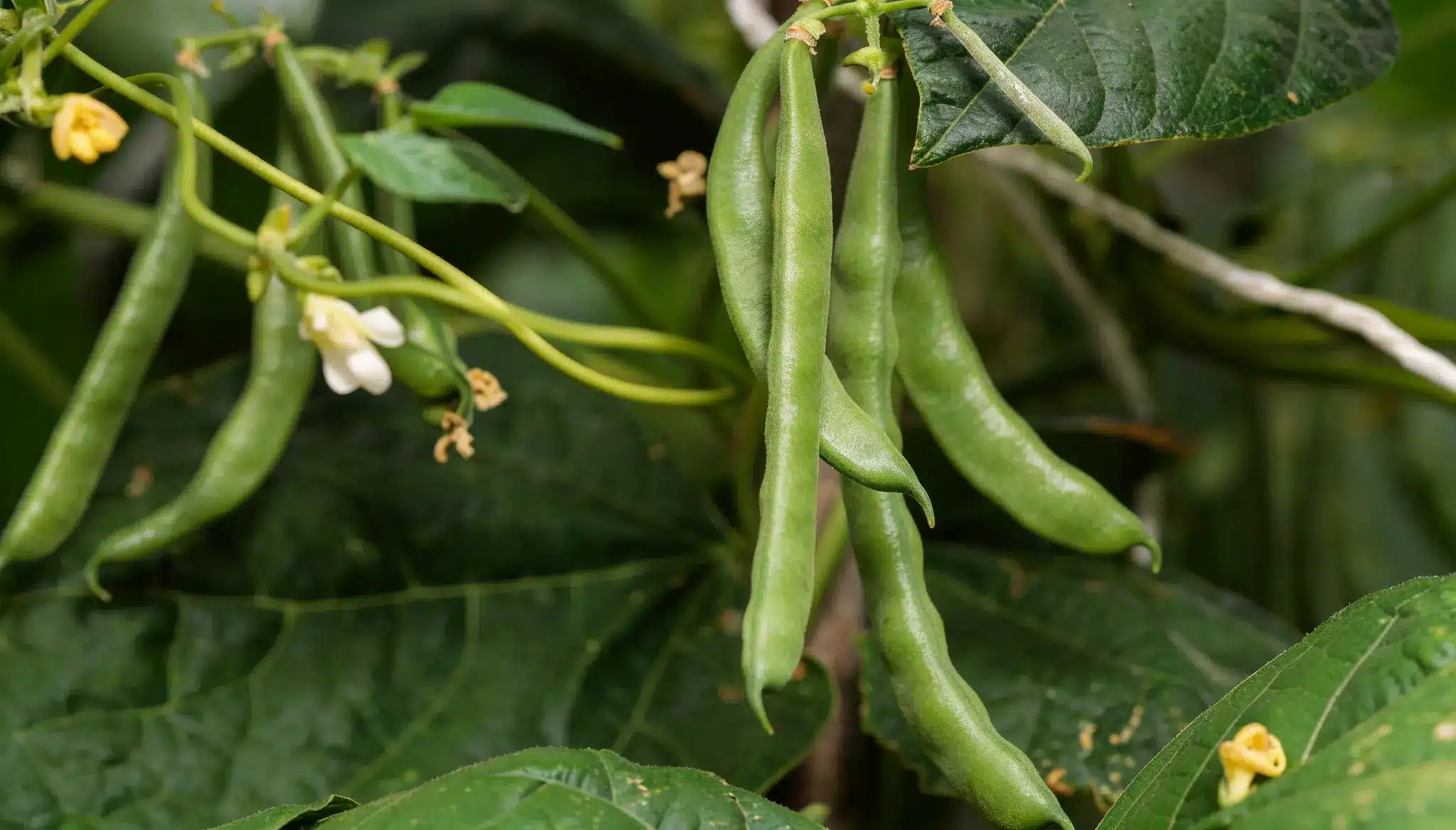
Beans are natural soil builders. They fix nitrogen in the soil, which benefits cucumbers.
Bush beans work better than pole beans here because they don’t compete for space.
Plant them in alternating rows with your cucumbers. Over time, you’ll notice your cucumber plants looking greener and producing more fruit.
6. Dill
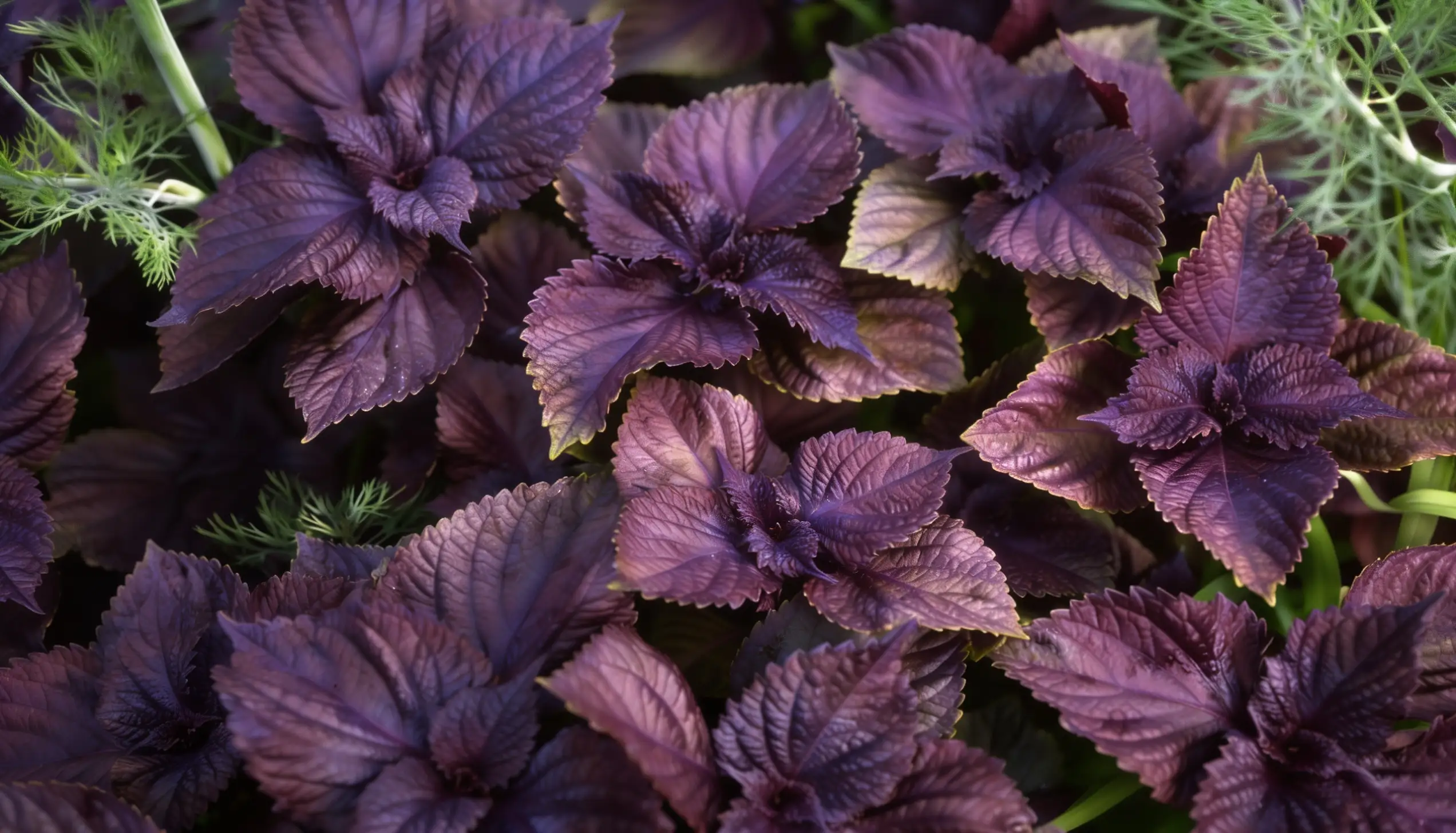
Dill is a useful companion plant early in the season.
Young dill attracts beneficial insects such as wasps and hoverflies that prey on cucumber pests, and it helps repel aphids and spider mites.
However, once dill matures and goes to seed, it releases compounds that can inhibit cucumber growth. At that stage, it becomes more harmful than helpful.
The safest approach is to keep dill at least a few feet away, or avoid it altogether once your cucumber plants are established.
7. Peas
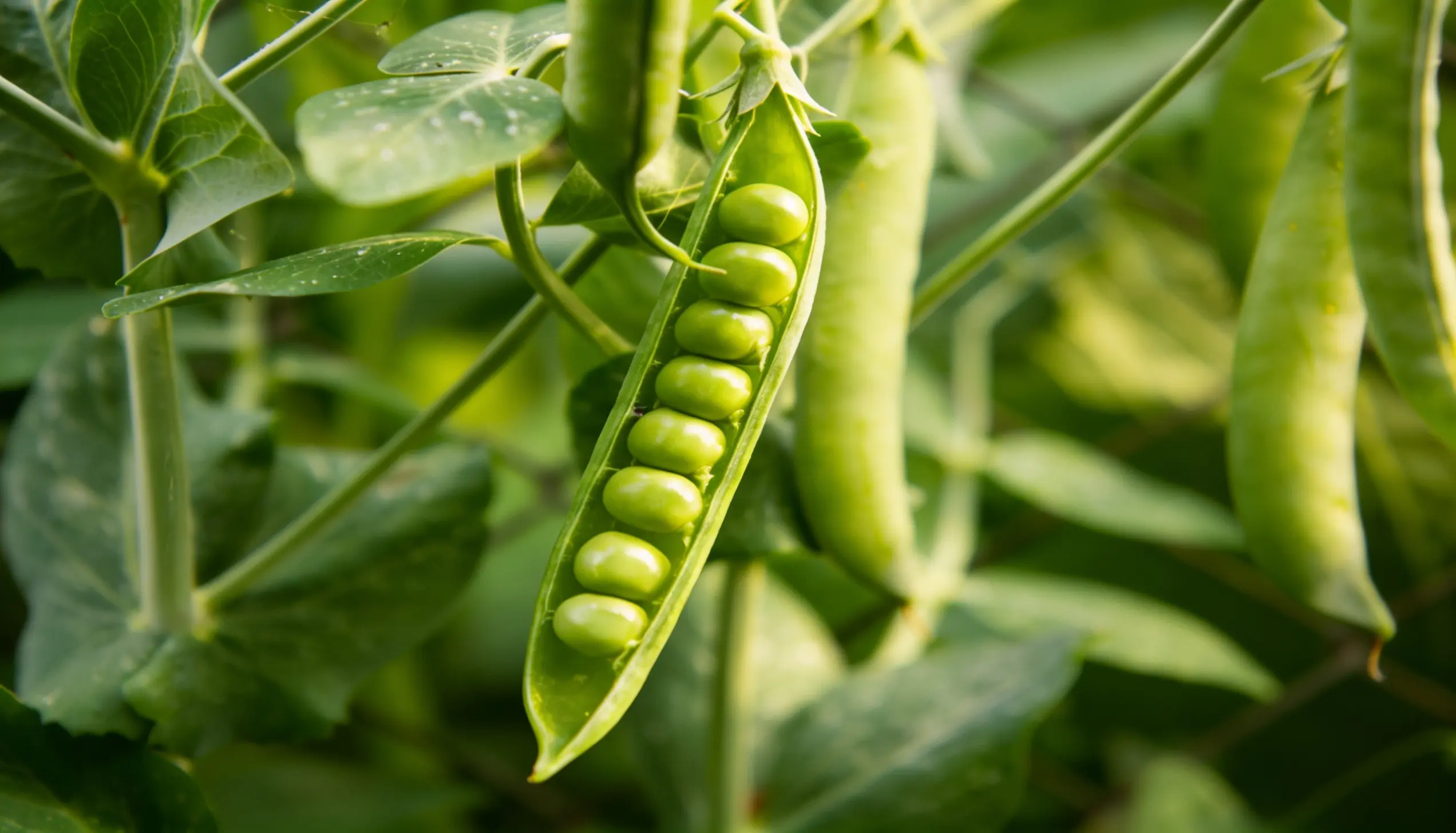
Peas work like beans, fixing nitrogen in the soil and giving cucumbers the nutrients they need to grow strong.
They’re also light feeders, so they don’t compete with cucumbers for nutrients.
Plant peas early in the season since they prefer cooler temperatures. By the time your cucumbers are ready to spread, peas will already be wrapping up.
Growing the right companions beside your cucumbers takes little extra effort, but the results show up clearly in your harvest.
Worst Companion Plants for Cucumbers
Not every plant makes a good neighbor for cucumbers. Here are three plants you should keep away from your cucumber bed.
Sage
Sage and cucumbers don’t get along well. Sage releases strong aromatic compounds that can slow cucumber growth over time.
It also repels pollinators that cucumbers depend on for fruit production.
Many experienced gardeners have learned this the hard way after planting sage nearby and watching their cucumber yield drop.
Keep sage on the opposite side of your garden. It’s a great herb on its own, but just not for cucumbers.
Fennel
Fennel is one of the worst plants to grow near almost anything. It releases chemicals from its roots that inhibit the growth of nearby plants.
Cucumbers planted near fennel often grow more slowly, produce less fruit, and appear weaker overall. Fennel also attracts certain pests that can spread to your cucumber plants.
Give fennel its own isolated spot in your garden. It grows well on its own and causes far fewer problems when kept away from other crops.
Melons
Melons and cucumbers are closely related, and that’s a problem. They compete for the same nutrients, water, and space in the soil.
Growing them together stresses both plants and leads to smaller harvests.
They also share common pests and diseases, so an infestation in one plant spreads quickly to the other.
If you want to grow both, keep them in separate beds with a good distance between them. Give each plant enough room to grow.
Sustainable Practices for Companion Cucumber Plants
Growing cucumbers with the right companions is just the start.
These sustainable practices help you get the most out of your garden while keeping it healthy in the long term.
Rotate your crops every season
Don’t plant cucumbers in the same spot year after year. Rotating crops prevents soil depletion and reduces the buildup of pests and diseases.
Avoid chemical pesticides
Companion planting works best when you let nature do its job. Chemical pesticides kill beneficial insects along with harmful ones.
It’s better to use natural pest control methods.
Compost regularly
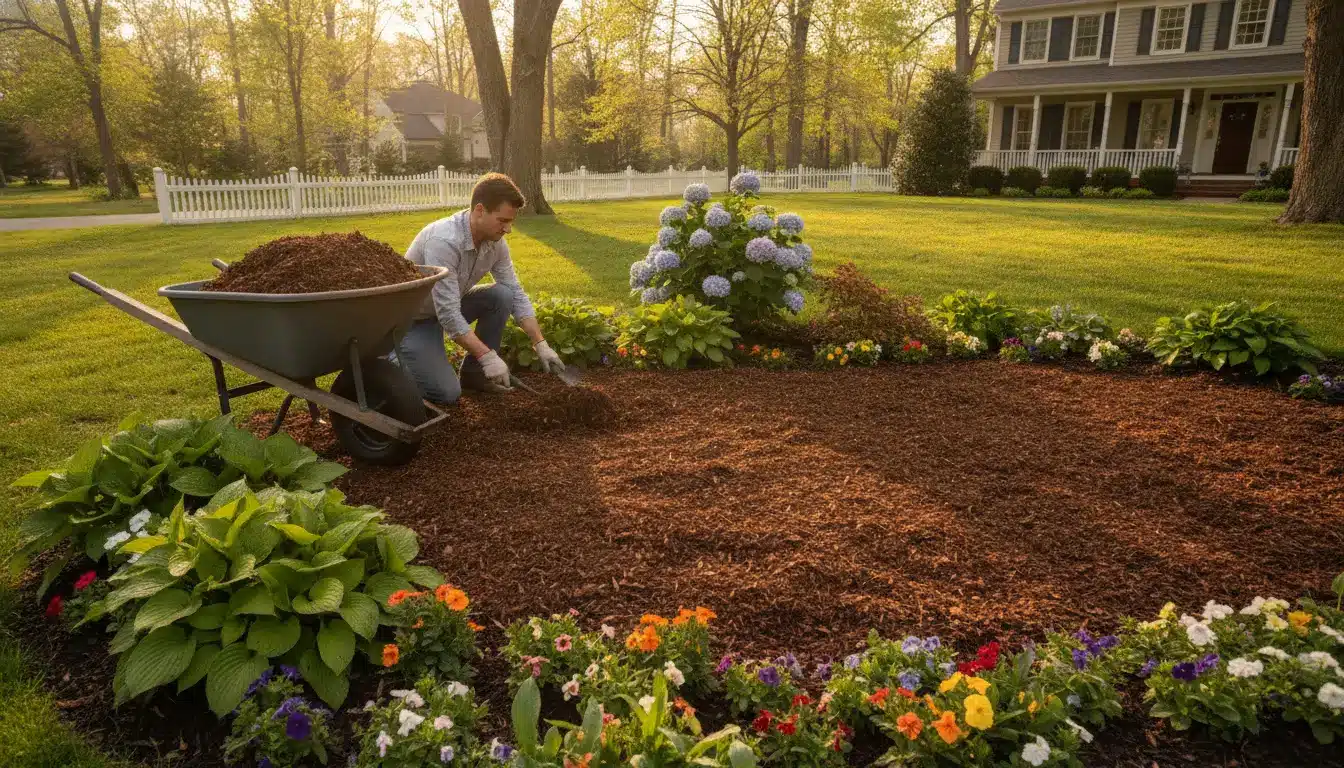
Adding compost to your cucumber bed keeps the soil rich in nutrients. It also supports the companion plants growing nearby.
Water at the base
Always water your cucumber plants and their companions at the base. Wet leaves invite fungal diseases that spread fast.
You can use drip irrigation or hand-watering at the soil level.
Pull weeds early and often
Weeds compete with both your cucumbers and their companions for water and nutrients. Remove them early before they take hold.
Conclusion
Companion planting for cucumbers is not complicated.
The right plants like marigolds, nasturtiums, and beans protect your crop and boost your harvest naturally.
The wrong ones, like fennel and sage, do the opposite.
Plan your garden beds carefully, follow sustainable practices, and your cucumbers will reward you with a strong, healthy yield all season long.
Frequently Asked Questions (FAQs)
1. Can I Grow Cucumbers in September?
Cucumbers need warm soil and plenty of sunlight. In most regions, September is too cool for new plantings. Stick to late spring or early summer for the best results.
2. What Does Epsom Salt Do for Cucumber Plants?
Epsom salt provides magnesium, which helps cucumber plants absorb nutrients better. It can improve leaf color and overall plant health when used in the right amounts.
3. How Far Apart Should Companion Plants Be from Cucumbers?
Most companion plants work best when planted 12-18 inches away from cucumbers. This gives both plants enough room to grow without competing for water and nutrients.
4. How Often Should I Water Companion Plants for Cucumbers?
Water your cucumber bed and companions deeply two to three times a week. Always water at the base to prevent disease and keep the soil consistently moist.