Managing Expenses in Creative Home Renovations
Transforming a living space into a personal sanctuary is a rewarding pursuit. Many people believe that creating a beautiful home requires a massive financial commitment. However, the true essence of interior styling lies in resourcefulness and thoughtful planning rather than sheer spending power. When you embark on a styling project, the initial excitement can easily lead to overspending if a clear financial framework is not established from the very beginning.
To maintain control over your finances while pursuing your passion for crafting, you must adopt a systematic approach to budgeting. This involves categorizing your expenses, identifying areas where you can compromise, and recognizing components that require high-quality investments. By treating your home renovation as a series of small, manageable phases, you can enjoy the creative process without experiencing financial strain. Setting clear boundaries allows your imagination to take the lead, turning potential financial stress into an engaging puzzle.
Practical Materials for Cost-Effective DIY Projects
Finding affordable materials is one of the biggest challenges for crafters. Store-bought craft supplies can be surprisingly expensive, especially when you purchase them in small quantities. To counter this, experienced decorators often look beyond standard retail shops to find hidden treasures that can be repurposed.
Thrift stores, yard sales, and online marketplaces are excellent sources for raw materials. Old wooden furniture, worn-out textiles, and discarded glassware can all be transformed with a bit of patience and imagination. For instance, an outdated wooden chair can be sanded down and treated with a fresh coat of paint to become a statement piece in a contemporary living room.
The table below outlines a comparison between standard retail sourcing and alternative, cost-effective methods for common project components:
| Material Type | Retail Store Cost | Alternative Sourcing | Creative Application |
|---|---|---|---|
| Solid Wood | High | Wooden pallets, old tables | Wall shelving, small benches, picture frames |
| Fabrics & Textiles | Medium to High | Thrifted curtains, linen sheets | Cushion covers, tote bags, cloth napkins |
| Glass Containers | Low to Medium | Saved grocery jars, glass bottles | Storage organizers, candle holders, vases |
| Paint & Finishes | Medium | Leftover paint sales, mistints | Accent walls, furniture revamps, stencil work |
The Psychology of Small-Scale Budgeting in Hobbies
Engaging in a creative hobby should serve as a source of relaxation and personal fulfillment. When a hobby starts causing financial anxiety, it loses its therapeutic value. This is why establishing strict spending limits is essential for any crafter or decorator. Setting a micro-budget allows you to focus purely on the joy of creation without worrying about the impact on your bank account.
This concept of small, controlled spending is visible across various forms of entertainment. For example, individuals who enjoy digital pastimes often seek out platforms that require minimal financial commitments to keep their activities risk-free and enjoyable. A person might deliberately choose a casino minimum deposit euro option simply to experience a brief moment of distraction without risking significant funds.
In the same way, a DIY enthusiast might limit their weekly craft store budget to a tiny amount, forcing themselves to be more inventive with what they already own. This disciplined mindset ensures that entertainment—whether digital or physical—remains a safe, low-stakes addition to daily life rather than a source of stress. When you limit your resources intentionally, your creativity flourishes as you stop relying on ready-made kits and begin to think critically about design solutions.
Creative Ways to Repurpose Everyday Household Objects
Instead of throwing away items that have outlived their original purpose, look at them as raw components for your next project. Upcycling is not only budget-friendly but also environmentally conscious. It allows you to introduce unique, one-of-a-kind elements into your interior decor that cannot be replicated by mass-produced retail items.
Utilizing Cardboard and Paper Items
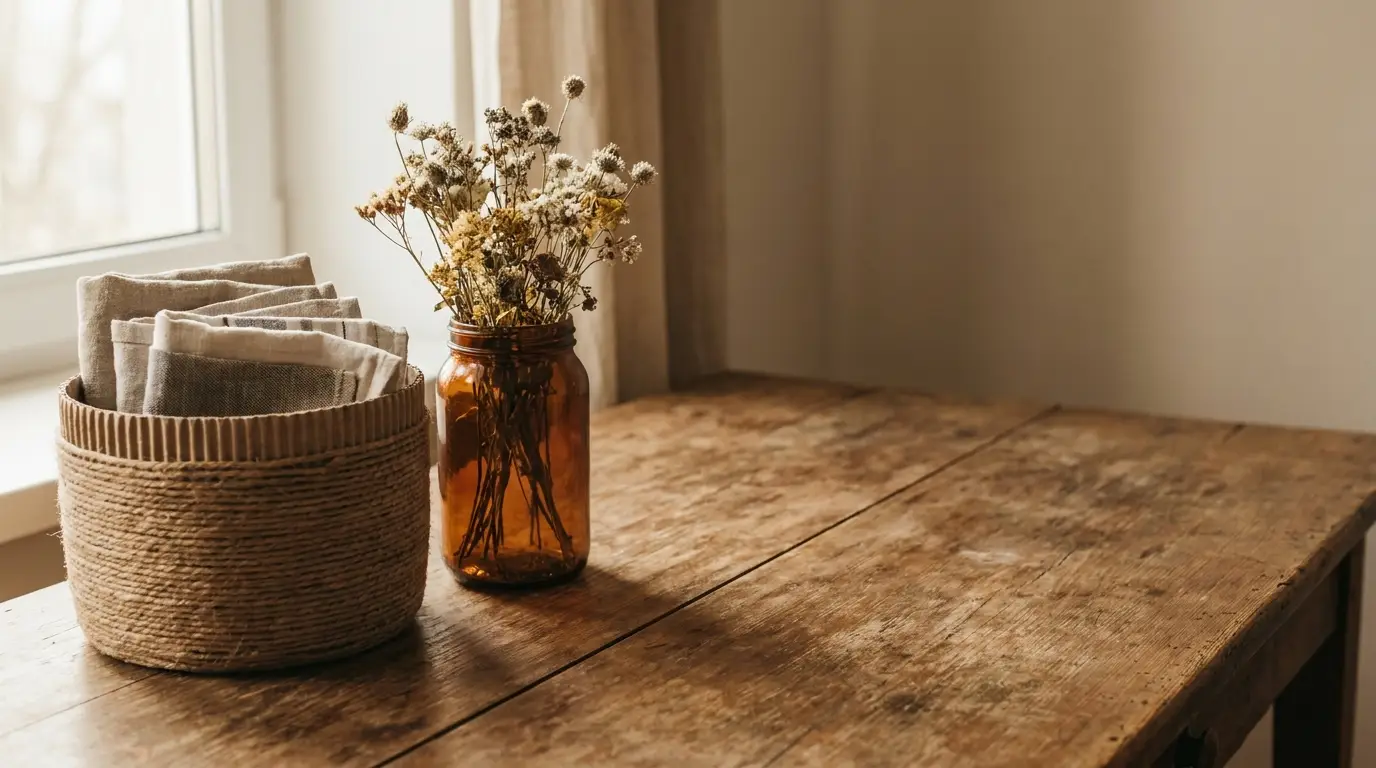
Cardboard boxes from online deliveries are frequently discarded, yet they possess significant structural potential. With some heavy-duty twine, fabric remnants, or high-quality wrapping paper, a plain shipping box can become an elegant storage basket for blankets or magazines.
- Twine-wrapped baskets: Coat the exterior of a box in craft glue and wrap thick jute twine around it tightly. Line the inside with an old fabric remnant for a rustic, clean finish.
- Paper-mache bowls: Use old newspapers and a simple flour-and-water paste to mold decorative bowls. Once dry, these can be painted with metallic acrylics to hold keys or jewelry on an entryway table.
Transforming Glass and Ceramic Containers
Empty jars from sauces, pickles, and preserves accumulate quickly in any kitchen. Instead of sending them directly to the recycling bin, consider cleaning them thoroughly and removing the labels to use them as design accents.
- Tinted glass vases: Add a few drops of food coloring to clear glue, coat the inside of a glass jar, and let it dry to create a beautiful faux-sea-glass effect.
- Organized pantry storage: Paint the lids of various jars in a uniform color, such as matte black or soft white, and use handwritten labels to organize your spices, baking ingredients, or craft supplies.
Balancing Quality and Economy in Interior Design
While saving money is a primary goal of DIY decor, it is important to know when to invest in premium components. Some elements of your home require durability and safety, meaning that cutting corners can lead to higher costs in the long run. Achieving balance requires a strategic view of where your money delivers the most value.
Where to Save
Decorative items, seasonal accents, and temporary wall treatments are ideal areas for cost-cutting. Because interior trends change frequently, spending large sums on trendy items can lead to buyer’s remorse. Wall stencils, removable wallpaper, and handmade cushion covers allow you to update the style of a room regularly without a massive financial burden.
Where to Splurge
Structural elements, high-traffic furniture, and essential tools should never be compromised. Buying cheap, low-quality paint can result in a patchy finish that requires multiple coats, ultimately costing more than a single can of premium paint. Similarly, investing in a high-quality paintbrush or a reliable cordless drill will save you time and frustration across dozens of future projects.
Organizing Your Craft Workspace for Maximum Efficiency
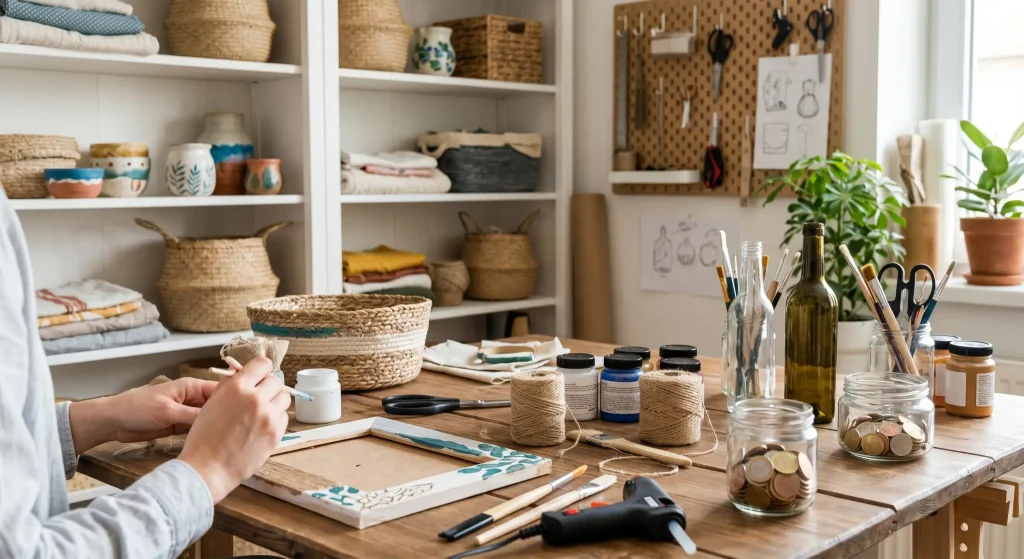
A cluttered environment often hinders the creative process. When your tools and supplies are scattered across various rooms, starting a new project feels overwhelming. Organizing your workspace does not require purchasing expensive storage systems; it simply requires a methodical arrangement of your existing resources.
First, sort your supplies by category, keeping frequently used items within arm’s reach. Use transparent containers or clear labels so you can easily identify what you have before purchasing new items. Vertical storage, such as wall-mounted pegboards or hanging organizers, can free up valuable desk space and keep your tools neatly arranged. By keeping an organized inventory, you avoid the common mistake of buying duplicate materials, keeping your crafting hobby both efficient and economical.
Cultivating a Sustainable and Mindful Creative Practice
Ultimately, decorating your home and engaging in crafts should be an expression of personal values. By focusing on budget-friendly, resourceful methods, you develop a deeper appreciation for the objects in your living space. Every handmade item carries a story of patience, problem-solving, and creativity.
Mindful creating encourages us to slow down and appreciate the process of making rather than just the final product. Whether you are painting an old dresser, sewing a new set of curtains, or finding minor ways to unwind during your free time, the goal is to build a lifestyle that prioritizes balance, sustainability, and personal satisfaction. With the right mindset and a clear financial strategy, you can turn any living space into a beautiful, welcoming home that reflects your unique personality.