Oily hair always shows up at the worst time.
It’s a real pain, especially when you’re short on time. But you don’t need a store-bought product to fix it. A simple Dry shampoo can save your hair in minutes.
In this blog, you’ll find easy recipes you can make at home using things already in your kitchen.
Best Ingredients For DIY Dry Shampoo Powder
Dry shampoo is made with simple, easy-to-find ingredients.
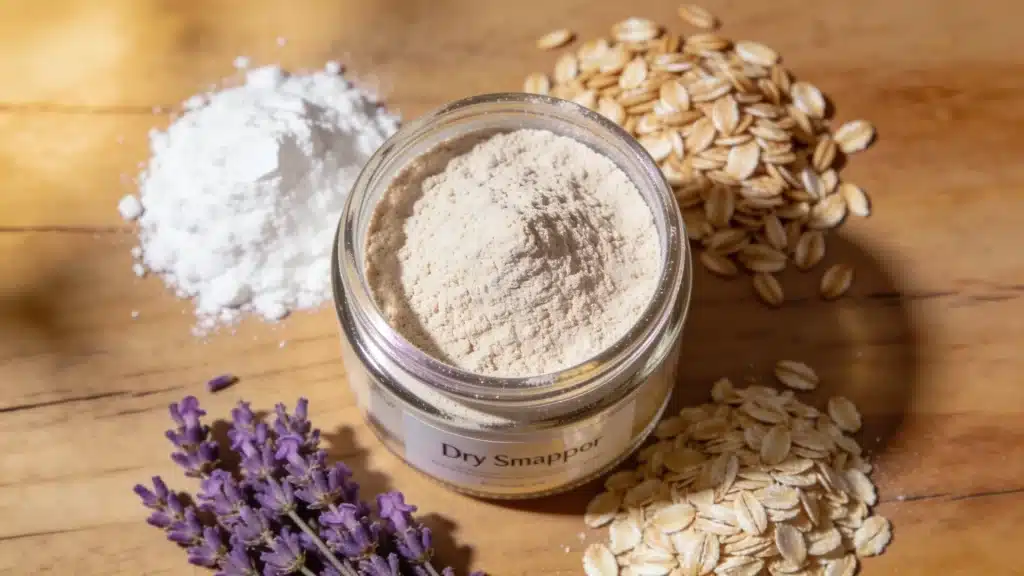
Cornstarch And Arrowroot Powder
The main ingredients used in most DIY dry shampoos. They work like a sponge for your hair.
When you apply them to your roots, they soak up excess oil, making your hair look cleaner and less greasy.
Baking Soda
It is sometimes added in small amounts. It helps reduce bad smells from the scalp and keeps your hair feeling fresh.
But it should be used carefully, as too much can dry out the scalp.
Cocoa Powder
For people with darker hair, cocoa powder is added so the dry shampoo does not look white in the hair. It blends better and looks more natural.
Essential Oils
You can also add a few drops of essential oils, such as lavender or rosemary.
These give a nice smell and make your dry shampoo feel fresher and more pleasant to use.
Easiest Recipe for DIY Dry Shampoo
You only need a few basic ingredients, and the whole thing comes together in minutes.
1. Light Hair
For light or blonde hair, cornstarch or arrowroot powder works best. These ingredients are naturally white, so they blend right in without leaving any residue.
Ingredients:
- 2 tablespoons cornstarch or arrowroot powder
- 1 teaspoon baking soda
- 2–3 drops lavender essential oil (optional)
Mix all ingredients in a small bowl until smooth. Store in a clean jar or shaker bottle. Apply lightly to oily roots using a brush or fingertips, leave for a few minutes, then brush out.
2. Medium Hair
Medium or brunette hair sits right between the light and dark hair.
- 2 tbsp cornstarch
- 1 tbsp unsweetened cocoa powder
- 2 drops lavender essential oil
Mix the cornstarch and cocoa powder together. Add the essential oil, stir well, and store in a small jar or shaker bottle.
3. Dark Hair
Dark hair needs a little extra help to avoid that chalky, grey look.
Ingredients:
- 2 tablespoons cornstarch or arrowroot powder
- 1 tablespoon cocoa powder (unsweetened)
- 1 teaspoon baking soda (optional)
- 2–3 drops rosemary essential oil (optional)
Mix everything well until the color is even. Apply small amounts to oily roots, massage gently, wait 2–3 minutes, then brush thoroughly to blend.
4. Sensitive Scalp
A sensitive scalp needs gentler ingredients. Arrowroot powder is a great base here because it’s soft, fine, and less likely to cause irritation compared to cornstarch.
Ingredients:
- 2 tablespoons arrowroot powder
- 1 teaspoon baking soda (skip if scalp is very sensitive)
- 2–3 drops chamomile essential oil
Combine ingredients and store in a dry container. Lightly dust onto scalp, let it sit for a few minutes, then brush out gently.
Always do a patch test before using any DIY dry shampoo. If you notice redness, itching, or irritation, stop use right away and consult a doctor.
How to Use DIY Dry Shampoo Properly?
Using dry shampoo the right way is very important.
Application Steps
Start by dividing your hair into small parts. This helps you reach the roots, where oil usually builds up. Don’t just apply it to the top layer of your hair, because that won’t help much.
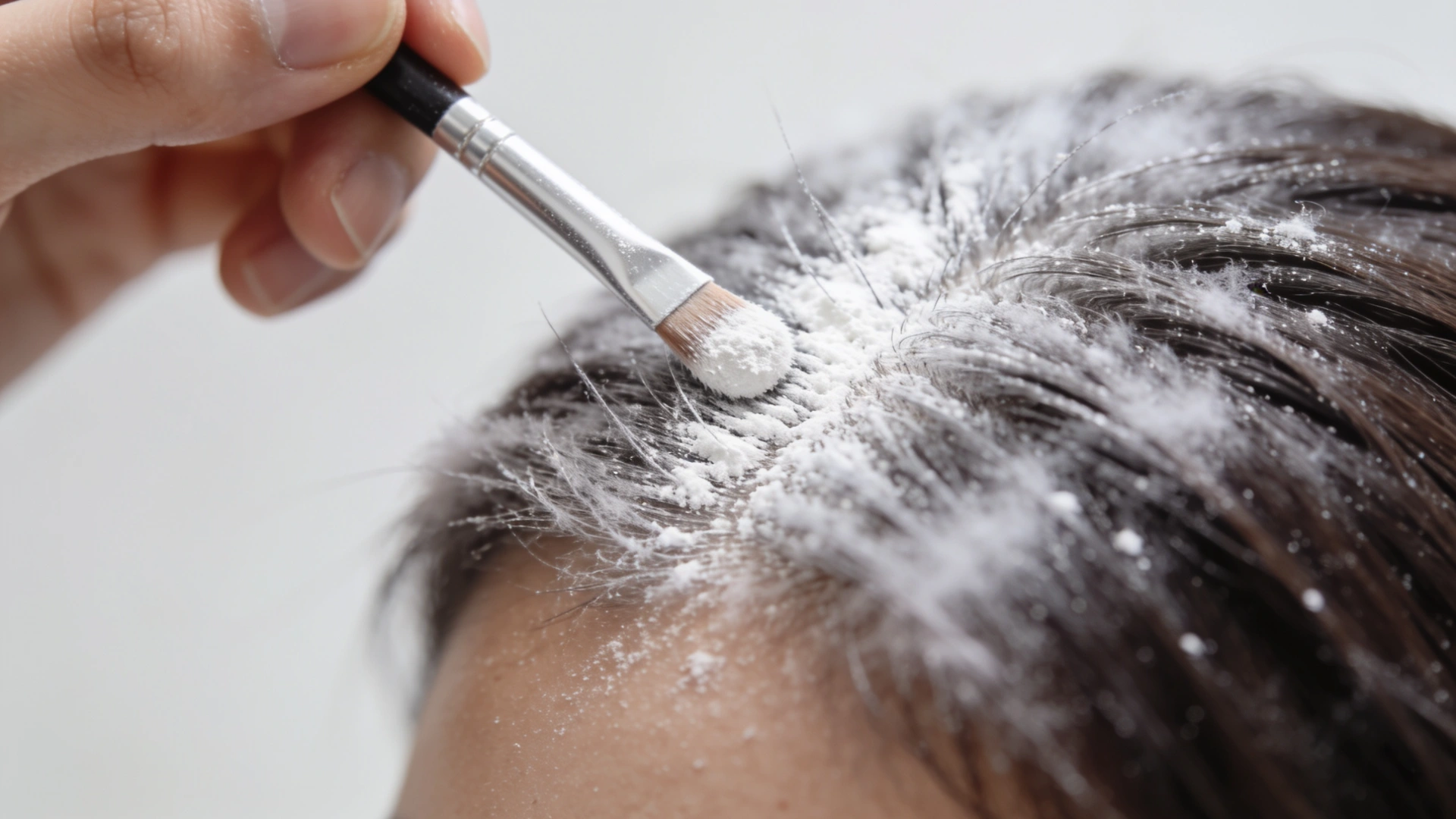
Take a small amount of dry shampoo and gently apply it to your roots.
You can use a makeup brush for better control, or simply use your fingers if you don’t have one.
How Much to Use
Always start with a small amount. That is enough for most hair. If your hair still looks oily, you can add a little more later.
If you use too much at once, your hair may look white, heavy, or dusty. So go slow and use extra if needed.
Blend it in
Once you apply it, gently rub it into your scalp with your fingertips for about a minute. This helps the powder absorb the oil properly.
After that, brush your hair well from roots to ends. This spreads the powder evenly and removes any extra product.
Benefits of DIY Dry Shampoo
Dry shampoo is not just a quick hair fix; it also has many practical benefits that make it very useful in daily life.
1. Saves Time When You Are Busy or in a Rush
One of the biggest benefits is time saving.
Dry shampoo helps you refresh your hair in just a few minutes, so you can get ready quickly and move on with your day.
2. Makes Your Hair Look Fresh in Minutes
It works quickly by absorbing excess oil from your scalp.
This makes your hair look cleaner and less greasy almost instantly. Very easy to make with simple ingredients
Most DIY dry shampoos use basic kitchen items like cornstarch, arrowroot powder, or cocoa powder. You can easily mix them at home without any special ingredients.
3. Costs Very Little Compared to Store Products
Store-bought dry shampoos can be expensive and finish quickly.
DIY Shampoo is cheaper because the ingredients are already available at home and can be used many times.
4. No Strong Chemicals, Only Natural Ingredients
Many commercial products contain chemicals that may not suit everyone.
This shampoo is made with simple natural ingredients, making it a gentler option for your hair and scalp.
5. Can be Made Anytime at Home Without Effort
You don’t need to go shopping or wait.
You can quickly mix it in a bowl or jar whenever you need it. It is always ready when you need a quick fix.
Wrapping it Up
Try making your own DIY dry shampoo at home today. Start with a small batch, test what works best for your hair, and adjust the ingredients as needed.
If this guide helped you, don’t forget to share it with others who struggle with oily hair.
And if you try the recipe, leave a comment with your experience or tips so others can learn from you too.
Frequently Asked Questions (FAQs)
1. How Does DIY Dry Shampoo Work?
It works by absorbing excess oil from your scalp, leaving your hair looking clean, fresh, and less greasy.
2. Can I Use DIY Dry Shampoo Every Day?
No, it is better to use it only when needed. Using it daily can cause buildup on the scalp.
3. Is DIY Dry Shampoo Safe For All Hair Types?
Yes, it is generally safe, but the ingredients can be adjusted based on your hair type for better results.