Growing potatoes sounds simple: plant, water, wait. But most of you don’t know exactly how long to wait before digging them up.
Harvest too early, and the potatoes are small and underdeveloped. Wait too long, and the skin toughens, and they start to rot in the ground.
How long potatoes take to grow depends on a few clear factors, and once you know them, timing your harvest becomes a whole lot easier.
How Long Do Potatoes Take to Grow in Different Climates?
Most potato varieties take about 70 to 120 days to grow from planting to harvest. Cooler zones may require later planting, while warmer areas allow earlier planting.
The best time to plant potatoes depends on your climate and hardiness zone. In Northern states, potatoes are usually planted in early spring after the last frost, when the soil becomes workable and slightly warm.
In Southern states, gardeners often plant potatoes in late winter or early spring because temperatures rise sooner.
Planting potatoes at the right time helps improve yields, supports faster growth, and protects plants from extreme cold or heat.
Checking local frost dates is important for healthy growth.
Factors That Affect How Fast Potatoes Grow
Many factors can affect how fast potatoes grow, including climate, soil, watering, and potato variety. Here are the key conditions that influence healthy growth and harvest time.
- Potato Variety: Early-season potatoes grow faster than late-season cultivars. Popular varieties include Yukon Gold, Russet Burbank, and Red Pontiac.
- Climate and Temperature: Potatoes grow best in cool temperatures between 60°F and 70°F. Frost can damage young plants and slow growth.
- Soil Quality: Loose, well-drained soil helps potatoes grow properly underground. Slightly acidic soil with a pH of 5.0 to 6.5 is ideal.
- Watering Frequency: Potatoes need consistent moisture during growth. Overwatering can cause rot, disease, and poor tuber development.
- Sunlight Exposure: Potato plants need at least 6 to 8 hours of direct sunlight daily for healthy leaf and tuber growth.
- Fertilization: Balanced nutrients are important for potato growth. Nitrogen supports leaf growth, while phosphorus and potassium promote tuber development.
From Sprouting to Harvest: Potato Growth Stages
Potatoes go through several important growth stages before they are ready for harvest. Understanding each phase can help people grow healthier plants and improve yields.
Stage 1: Sprouting
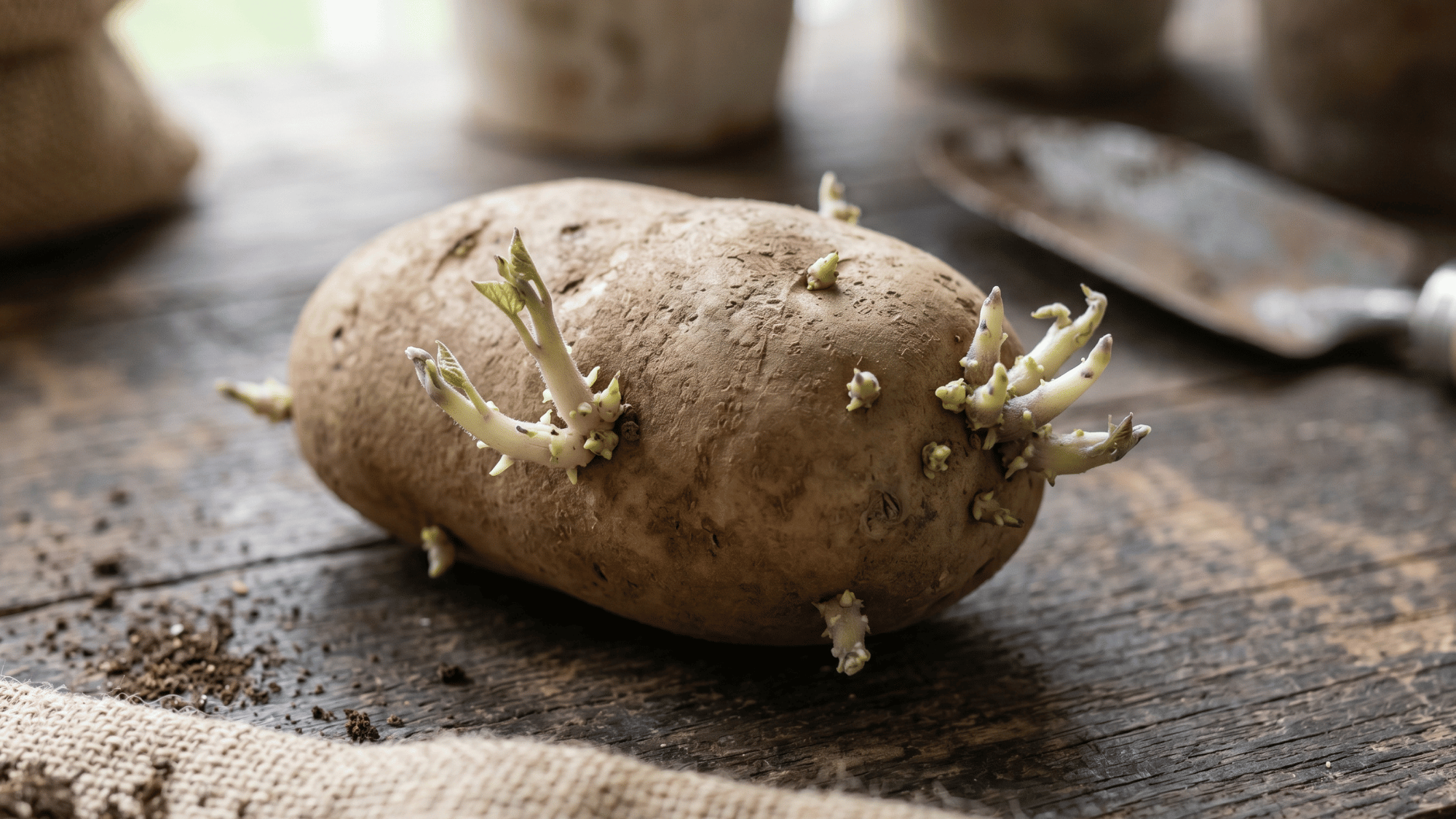
The sprouting stage begins about 2 to 4 weeks after planting seed potatoes.
Before planting, many people use a process called chitting, where seed potatoes are kept in a cool, bright place to develop small sprouts.
This helps potatoes grow faster once planted. Potatoes grow best when soil temperatures stay between 45°F and 55°F. Warm, loose soil encourages healthy root growth and strong early development.
During this stage, the plant focuses on building roots and sprouts that will later grow into stems and leaves above the soil.
Stage 2: Vegetative Growth
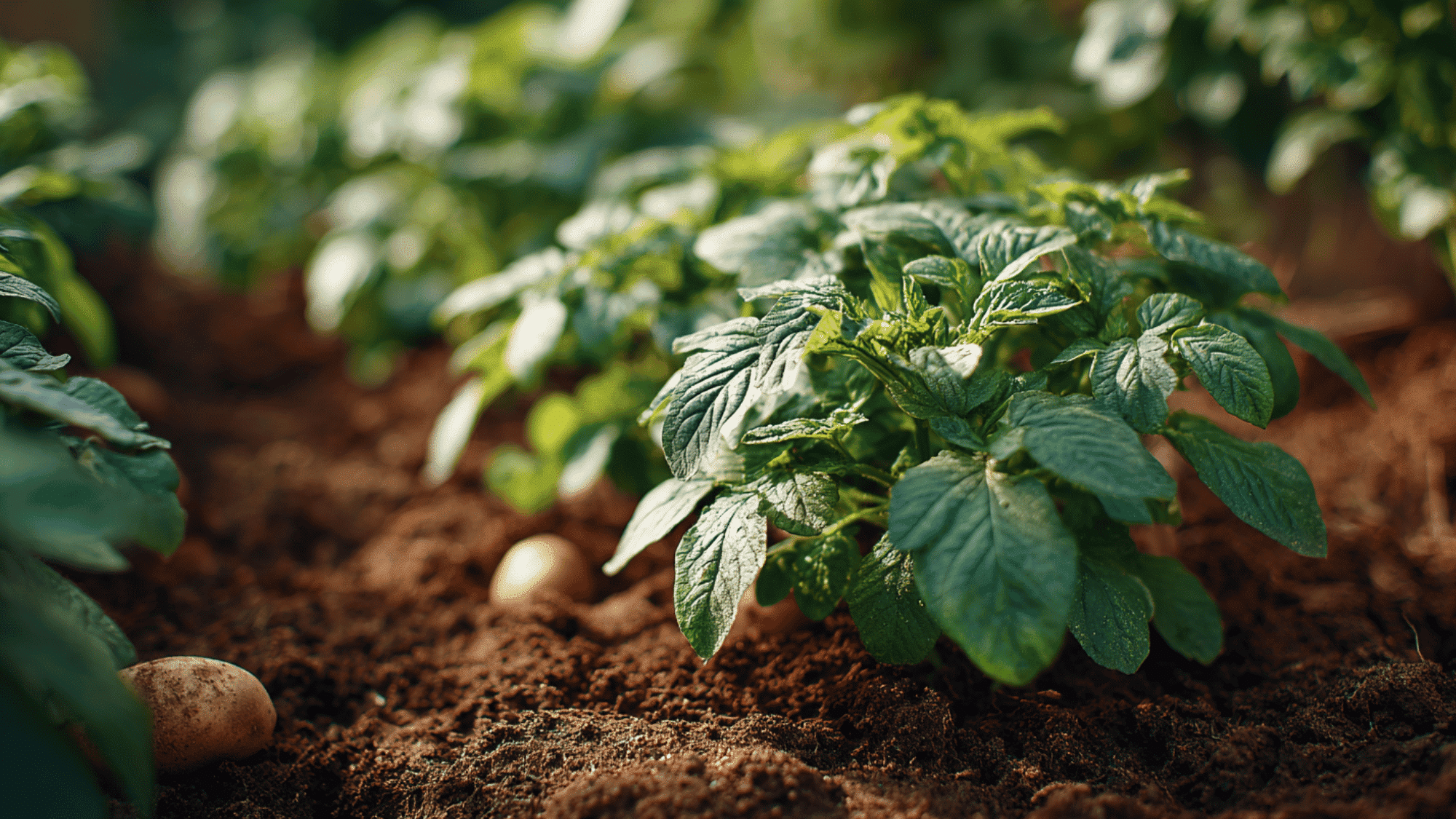
During the vegetative growth stage, potato plants quickly develop stems and green leaves above the soil. This phase usually lasts 3 to 6 weeks and is important for strong plant growth.
The leaves collect sunlight, which helps the plant produce energy for future potato development. Potatoes need at least 6 to 8 hours of sunlight each day.
Regular watering is also important because dry soil can slow plant growth and reduce the final harvest.
Stage 3: Tuber Formation
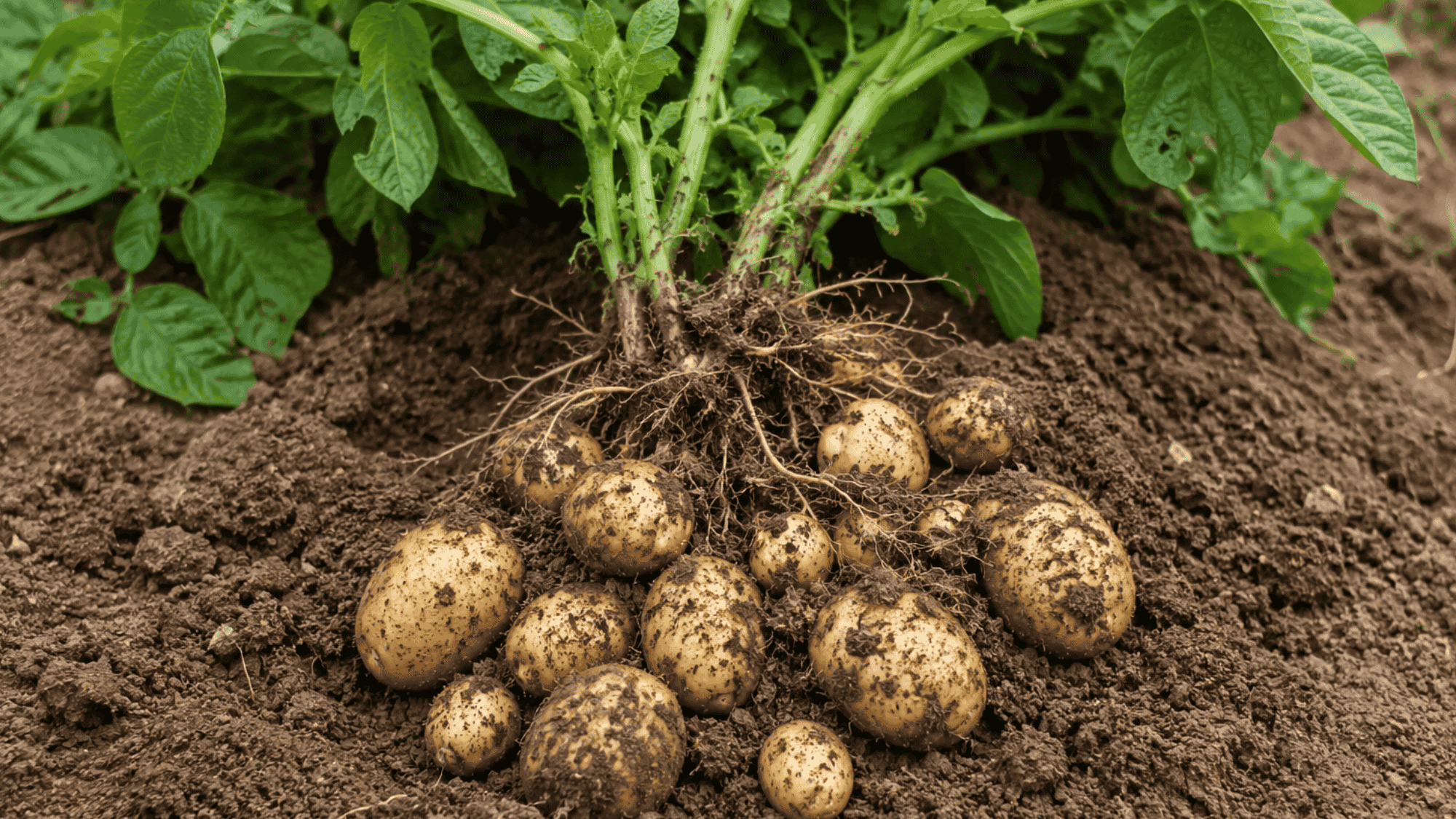
During the tuber formation stage, small potatoes begin developing underground around 5 to 8 weeks after planting.
The plant shifts its energy from leaf growth to the production of tubers beneath the soil. At this stage, potatoes need steady moisture and nutrients to grow properly.
Fertilizers rich in potassium and phosphorus, such as bone meal, sulfate of potash, and 5-10-10 fertilizer, can support healthy tuber development.
Consistent watering is important because uneven moisture may lead to smaller potatoes or poor-quality harvests later in the season.
Stage 4: Bulking and Maturation
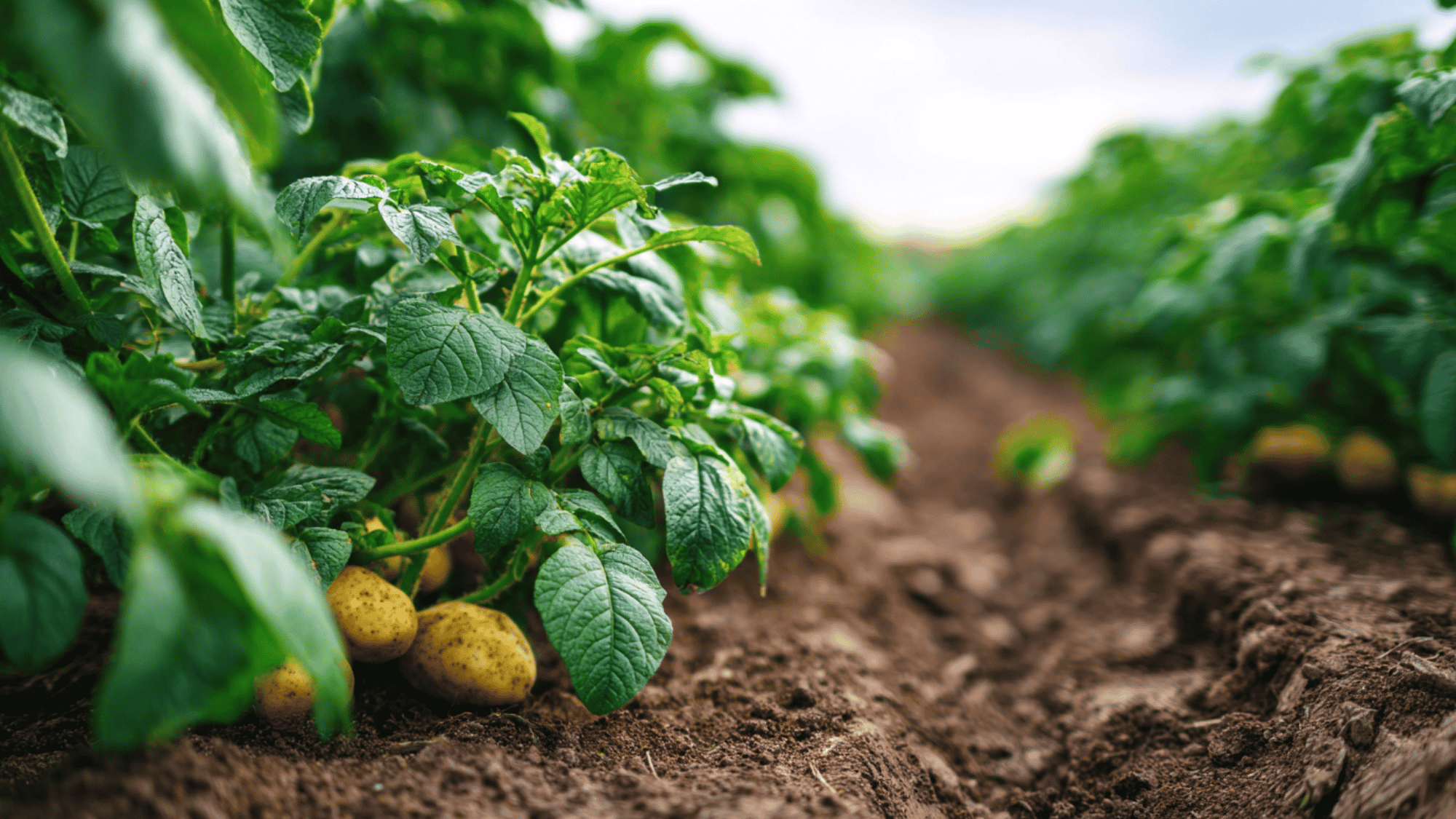
During the bulking and maturation stages, potatoes grow larger and continue to store nutrients underground. This phase usually happens 8 to 12 weeks after planting.
The plant may start showing signs of maturity, such as yellowing leaves and slowing growth. As the foliage begins to dry out, it often means the potatoes are nearing harvest time.
As potato plants reach harvest readiness, the leaves begin to turn yellow and die back. This is a common sign that the potatoes have matured underground.
Potato Growing Time Depending on The Variety
Knowing the average growth time of each type can help gardeners choose the best variety for their climate and harvest goals.
| Variety | Type | Days to Maturity |
|---|---|---|
| Yukon Gold | Mid-season | 90–110 Days |
| Russet Burbank | Late-season | 110–135 Days |
| Red Pontiac | Mid-season | 80–100 Days |
| Kennebec | Late-season | 100–120 Days |
| Irish Cobbler | Early-season | 70–90 Days |
Final Thoughts
So, how long do potatoes take to grow? Anywhere from 70 to 120 days, depending on the variety, your soil, and how well you time the harvest.
Early varieties get to your plate faster. Main crop types need more patience. But either way, the process is straightforward once you know what to watch for.
The foliage yellows, the stems die back, and the skin firms up; those are your real signals. Not the calendar!
Frequently Asked Questions
How Many Potatoes Can You Get from One Plant?
One potato plant usually produces 5 to 10 potatoes, depending on the variety and growing conditions.
Do Potatoes Need to Be Watered Every Day?
No, potatoes usually need about 1 inch of water per week to keep the soil lightly moist.
Can You Grow Potatoes in Containers?
Yes, potatoes grow well in containers like grow bags, pots, and buckets with proper drainage.