Seattle’s older homes are among its most appealing architectural assets. The Craftsman bungalows of Wallingford and Columbia City, the Victorian-era residences of Capitol Hill, the midcentury character homes scattered through Magnolia and Wedgwood: these properties carry a quality of character that new construction cannot reproduce, and the homeowners who choose them are buying into a particular relationship with the built history of the city.
They are also buying into a set of practical challenges that newer homes simply do not present. Renovating an older Seattle home well requires understanding what those challenges are before encountering them as expensive surprises during construction.
What Older Homes Typically Hide
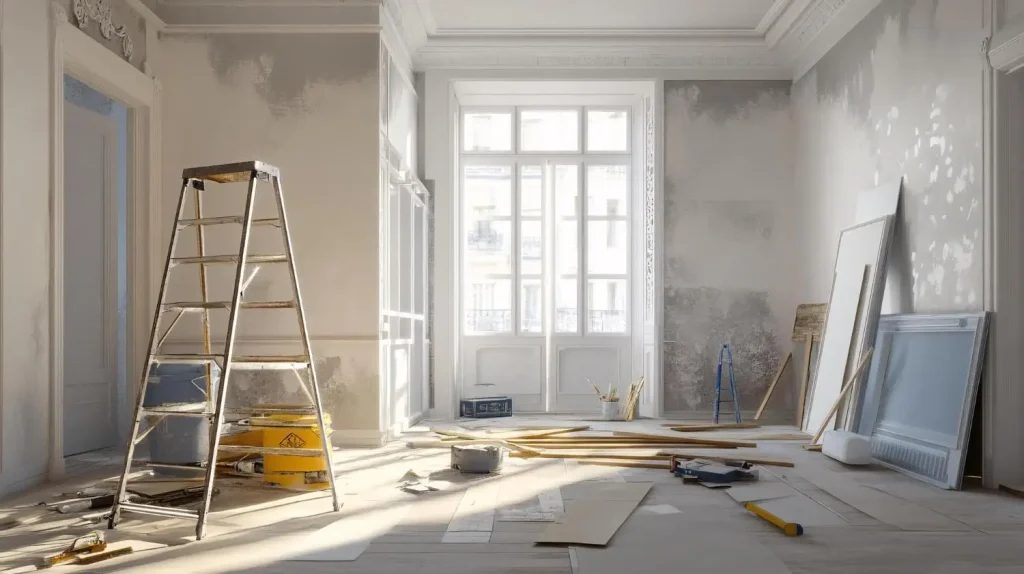
The walls, floors, and ceilings of a Seattle home built before 1960 are likely to contain materials and conditions that require specific handling. Asbestos-containing materials, most commonly found in pipe insulation, floor tiles, and roofing products, require licensed abatement rather than simple removal. Lead paint, present in the vast majority of homes built before 1978, requires careful management during any renovation work that disturbs painted surfaces.
Knob-and-tube electrical wiring, the standard system in homes built before the 1940s, cannot simply be extended. Many insurance providers will not cover homes with active knob-and-tube systems, and lenders for renovation loans may require its full replacement as a condition of financing. Budget for an electrical upgrade early in the planning process rather than discovering it mid-project.
Galvanised steel plumbing, standard through the 1950s, has a finite useful life that many Seattle homes have already exceeded. Galvanised pipes corrode from the inside, reducing flow and eventually leaking. A full repipe in copper or PEX is a meaningful cost but one that eliminates a persistent maintenance liability. If the plumbing walls are open for any other reason during a renovation, this is the logical moment to address it.
Structural Considerations Specific to Seattle
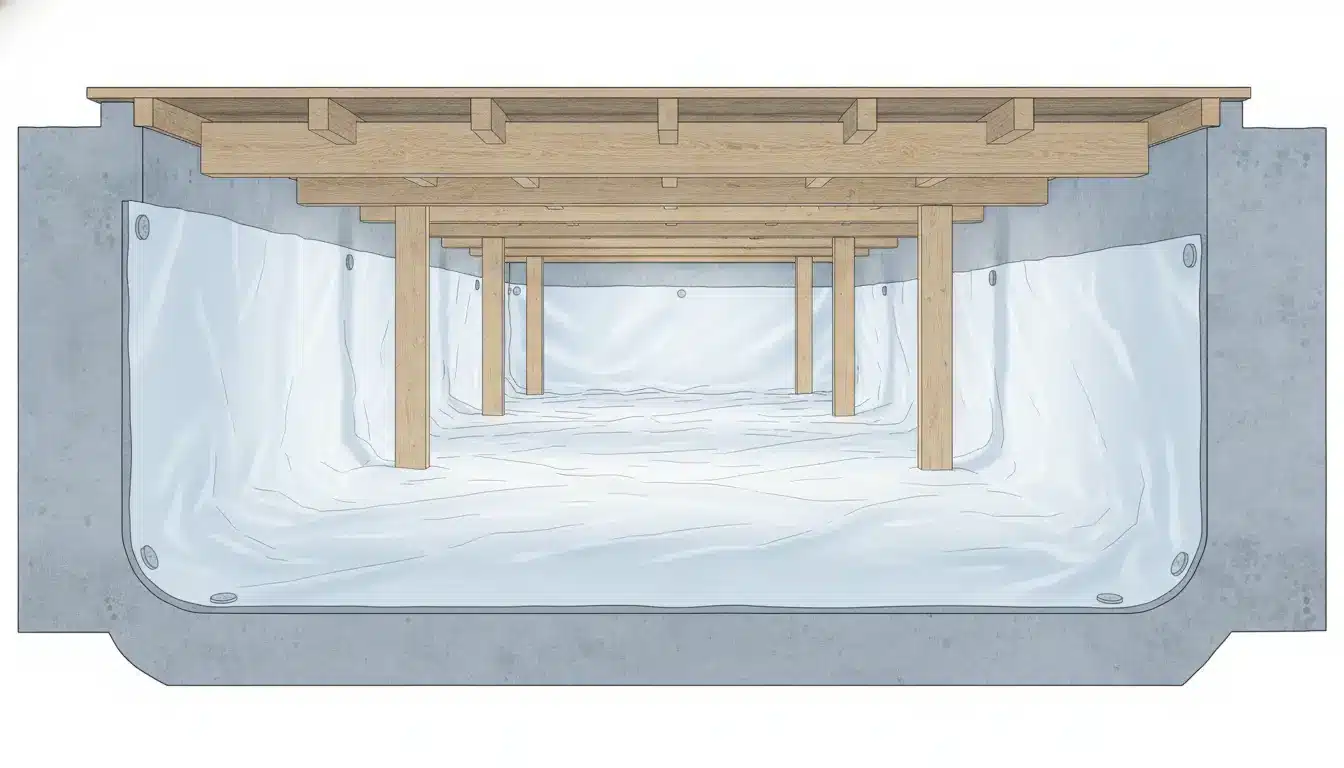
Seattle sits in a seismically active region, and older homes were built to structural standards that predate current seismic requirements. Cripple wall bracing, the reinforcement of the short stud walls that sit between the foundation and the first floor, is a standard retrofit in older Seattle homes and is now partially subsidised through city programmes.
Hillside lots, common in neighbourhoods like Queen Anne, Beacon Hill, and Rainier Beach, present additional structural considerations. Foundations on sloped terrain are more complex than those on flat lots, and any significant renovation to a hillside home should include a structural assessment of the foundation condition.
The Gold Remodeling team, which serves Seattle and the greater King County area, approaches older home renovations with a specific pre-construction assessment protocol. Their licensed contractors understand the particular conditions found in Seattle’s pre-war housing stock, and the free initial consultation includes a frank conversation about what the walls are likely to contain before a scope is finalised.
Working With the Character Rather Than Against It
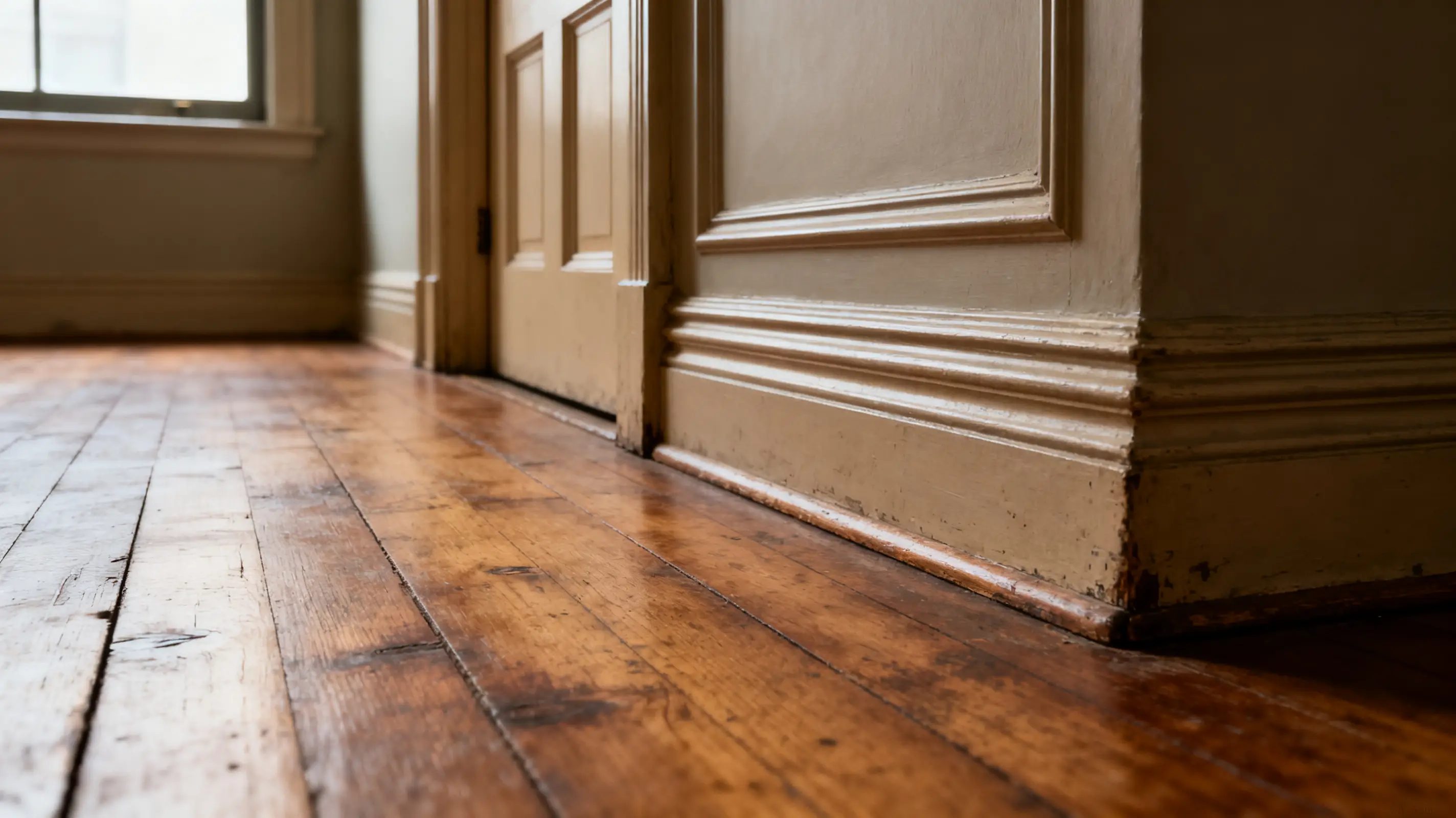
The temptation in renovating an older home is sometimes to modernise aggressively, removing the period details that date the interior in exchange for a cleaner contemporary aesthetic. The homes that retain the most value, and that their owners find most satisfying over time, tend to be those where the renovation respects the character of the original construction while addressing its functional limitations.
Original hardwood floors, wide-plank fir in many older Seattle homes, are worth preserving and refinishing rather than covering or replacing. Original millwork, the door casings, window surrounds, and base moulding of a well-built pre-war home, is worth matching when extensions are needed rather than replacing with modern profiles that read as obviously different.
The design challenge is introducing contemporary function, better lighting, updated kitchens and bathrooms, and modern mechanical systems, without producing a result that looks like a new home that has been dressed up to look old. The most successful older home renovations are those where the renovation is invisible: the home feels right for its era while functioning with the efficiency of a current building.
This Old House, the long-running publication and broadcast series dedicated to older home renovation, has documented thousands of projects across the US over four decades and consistently identifies character preservation as the single variable most strongly correlated with homeowner satisfaction five years after project completion. Homeowners who renovated aggressively and removed period features regularly report regret; those who preserved and adapted them rarely do.
Sequencing the Work
Older home renovations benefit from careful sequencing. The general principle is to address mechanical, electrical, and structural work before any finish work, for the straightforward reason that finish materials will be damaged if mechanicals need to be accessed after they are installed.
In practice, this means completing any seismic retrofit, electrical upgrade, plumbing repipe, and HVAC installation before walls are closed and certainly before any floor finishing, painting, or cabinetry installation begins. The contractor who rushes to the visible work before the invisible work is complete is setting up a sequence that produces expensive rework.
For a Seattle homeowner investing in an older property, the invisible improvements, the systems that make the home safe, functional, and insurable, are as important as the visible ones. The finished surfaces are what you see. The structure and systems are what you live with.