A roof can carry an eco-friendly label and still perform poorly if it doesn’t suit the building beneath it.
Choosing sustainable roofing options requires more than comparing materials or following design trends.
The right decision connects environmental responsibility with practical household needs.
This blog covers the qualities that define responsible roofing, material choices, and priority-based comparisons that can influence performance, cost, and future adaptability.
What Makes a Roof Sustainable?
A sustainable roof reduces environmental impact throughout its full life cycle, including production, transport, installation, maintenance, and disposal.
Its value depends on durability, climate suitability, energy performance, responsible sourcing, repairability, and end-of-life recycling or reuse.
The complete roof system also matters. Insulation, ventilation, flashing, drainage, underlayment, and decking must work together.
Even a long-lasting material can become wasteful if poor design leads to heat loss, leaks, frequent repairs, or early replacement.
Benefits of Sustainable Roofing Options
Well-chosen roofing can improve home performance, reduce waste, and support long-term energy goals.
- Lower embodied impact: Reused, regional, or lightweight materials can reduce manufacturing and transportation demands.
- Easier targeted repair: Modular tiles, panels, and shingles allow damaged sections to be replaced individually.
- Improved summer efficiency: Reflective surfaces can reduce roof heat and lower cooling demand indoors.
- Greater climate resilience: Suitable materials can withstand fire, hail, wind, moisture, and freezing conditions.
- Future energy readiness: Strong framing and suitable roof layouts can simplify later solar installation.
Best Sustainable Roofing Materials and Systems
Compare each roofing option by climate fit, structural needs, maintenance, installation cost, repairability, and expected lifespan before choosing the best system for your property needs.
1. Metal Roofing
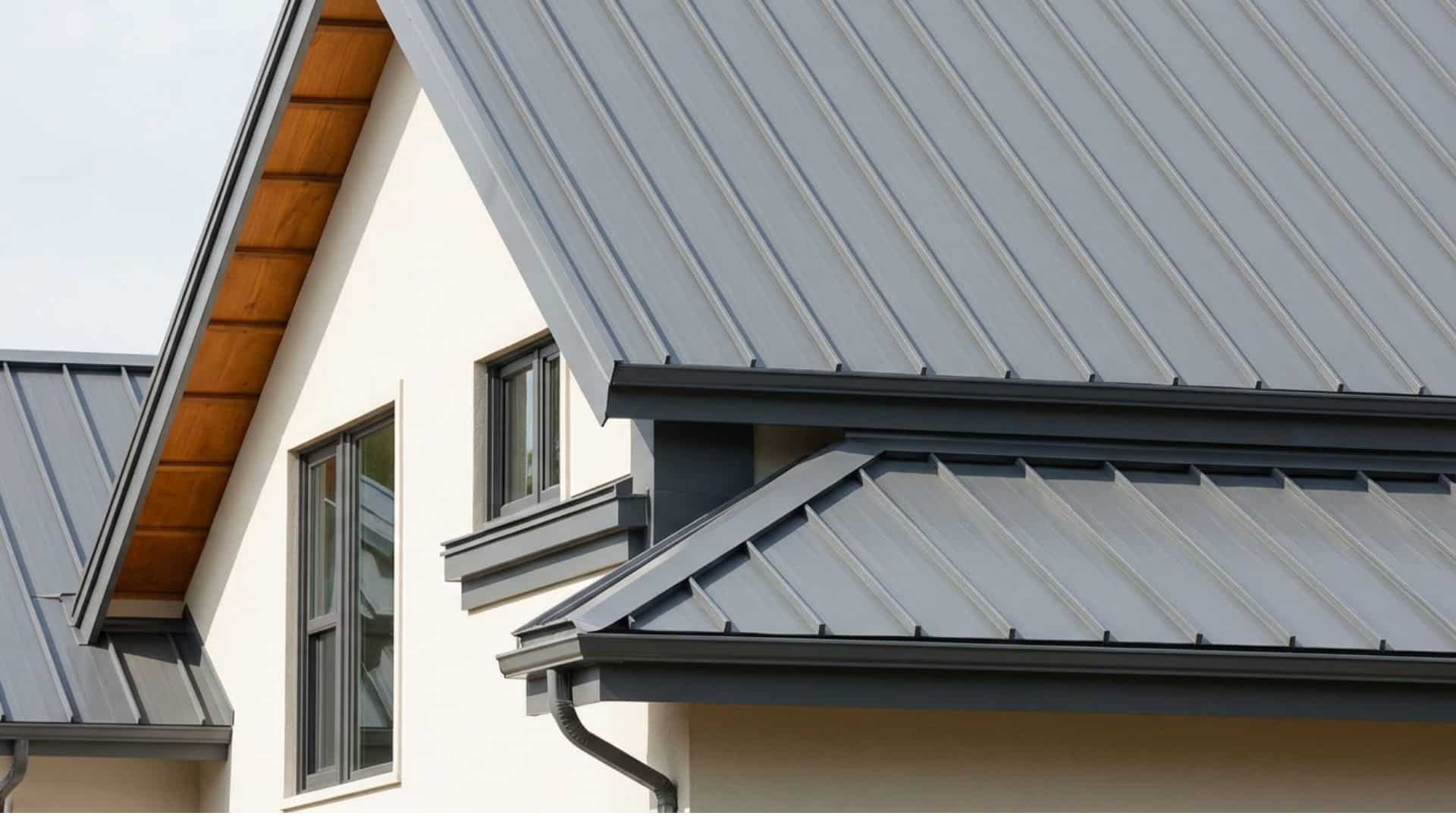
Metal roofing combines long service life, low structural weight, recyclability, and compatibility with reflective finishes and clamped solar mounting systems.
- Suitable for: Homes exposed to wind, rain, snow, fire, or changing temperatures.
- Key Consideration: Verify the alloy, coating, fasteners, corrosion resistance, and installer experience.
- Typical Lifespan: 40 to 70 years, roughly double to triple that of standard asphalt shingles.
2. Clay and Concrete Roof Tiles
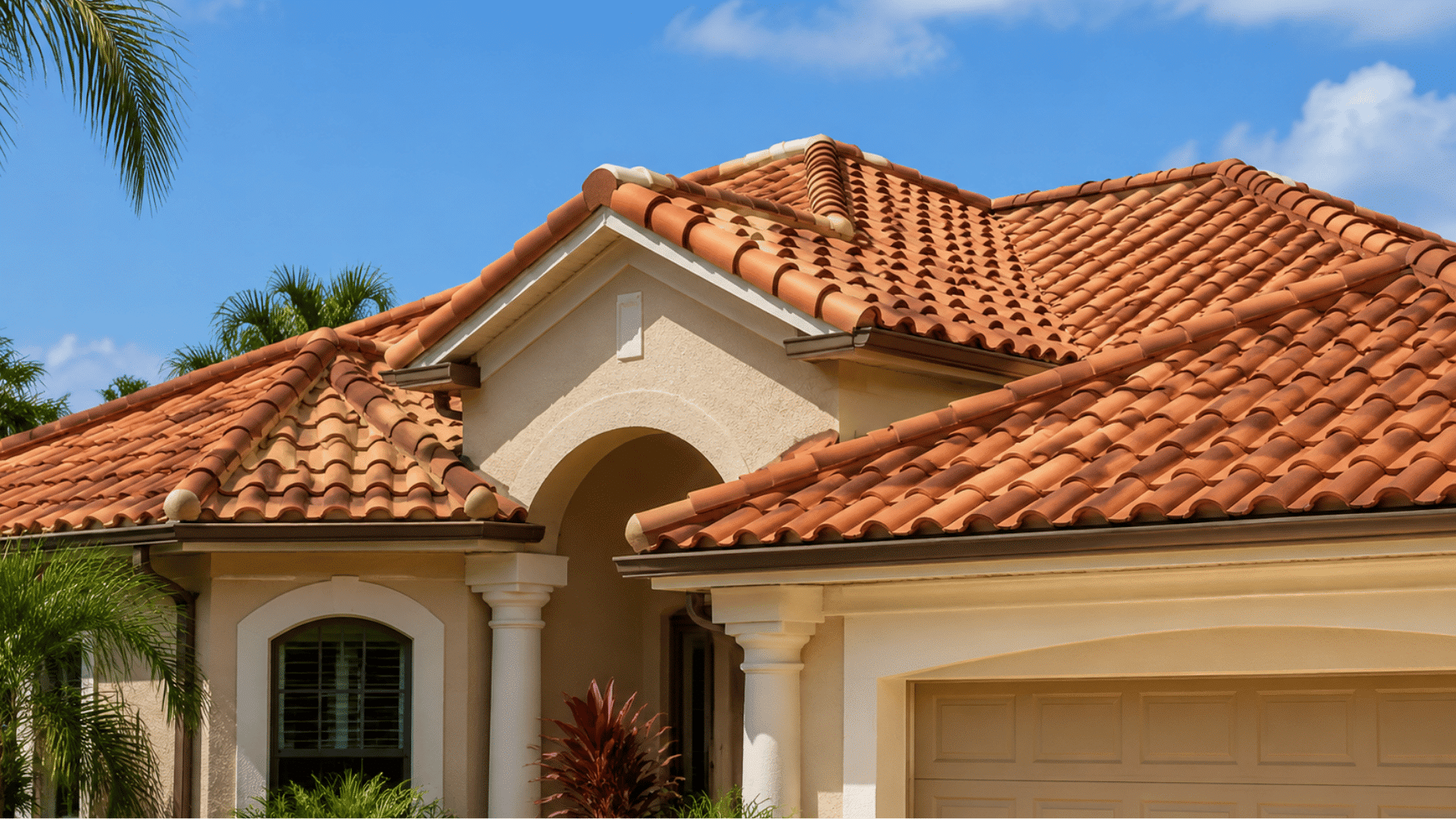
Clay and concrete tiles provide durable, modular, fire-resistant protection while allowing individual damaged units to be replaced without large-scale removal.
- Suitable for: Hot, dry, coastal, or fire-prone regions with strong roof framing.
- Key Consideration: Confirm structural capacity, fastening, underlayment, transport distance, and freeze-thaw suitability.
- Typical Lifespan: 50 years or more, with some well-maintained tile roofs lasting a century
3. Natural or Salvaged Slate
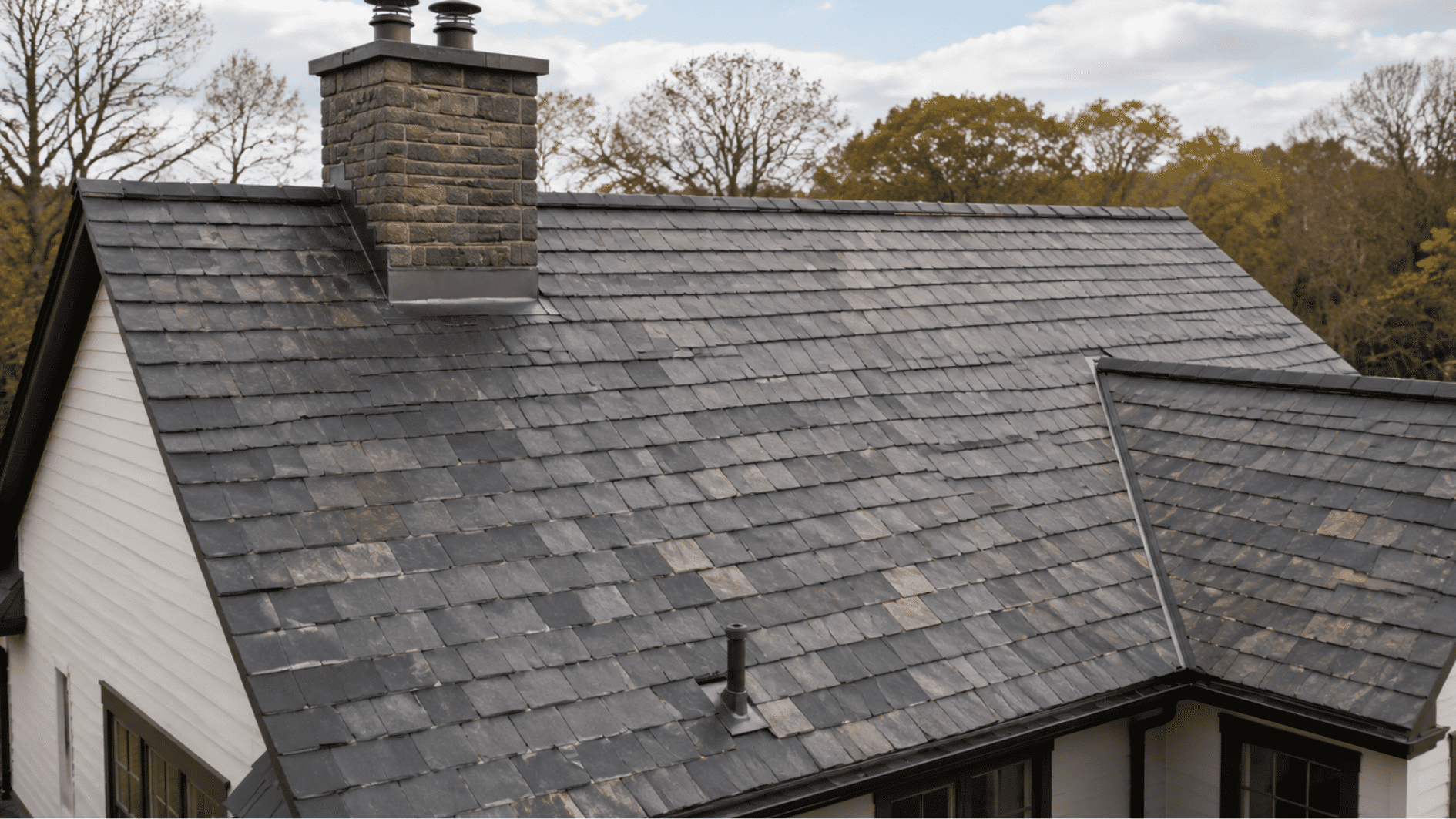
Natural or salvaged slate offers exceptional durability, low maintenance, limited processing, and the ability to reuse sound pieces during repairs.
- Suitable for: Historic or permanent homes designed to support heavy roofing materials.
- Key Considerations: Assess framing strength, slate quality, suitable fasteners, and the availability of specialist installers.
- Typical Lifespan: 50 to 100 years or longer, among the longest-lasting roofing materials available.
4. Green or Living Roofs
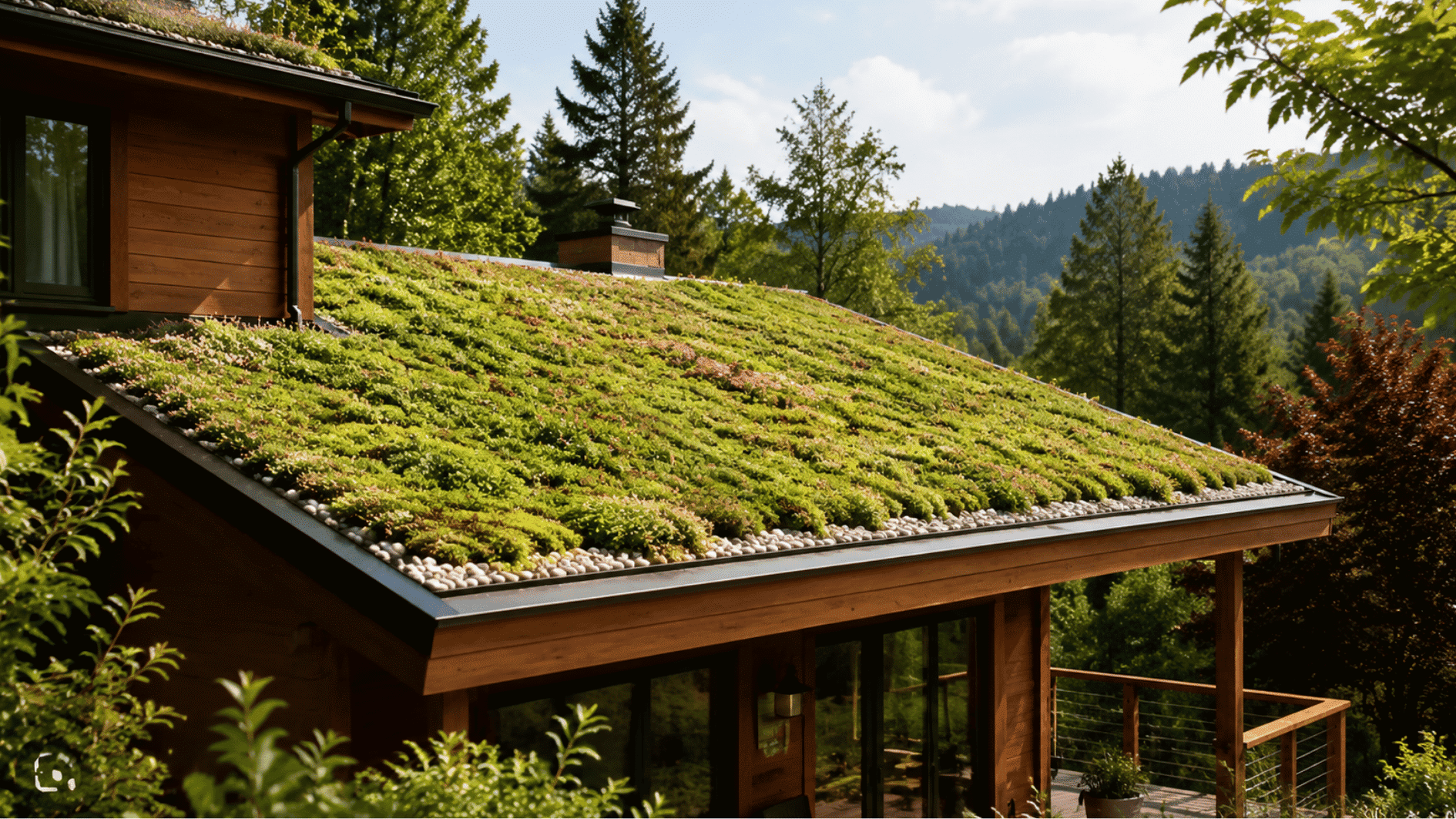
Living roofs combine vegetation, growing media, waterproofing, and drainage to manage runoff, reduce surface heat, and create valuable urban habitat.
- Suitable for: Engineered flat or gently sloped roofs in developed urban areas, the same distinction that separates a true terrace from a balcony when it comes to load-bearing outdoor space.
- Key Consideration: Confirm load capacity, drainage, waterproofing, irrigation, fire safety, and maintenance access.
- Typical Lifespan: 30 to 50 years for the waterproofing membrane, provided the vegetation layer is properly maintained.
5. Solar Roofing and Rooftop Solar
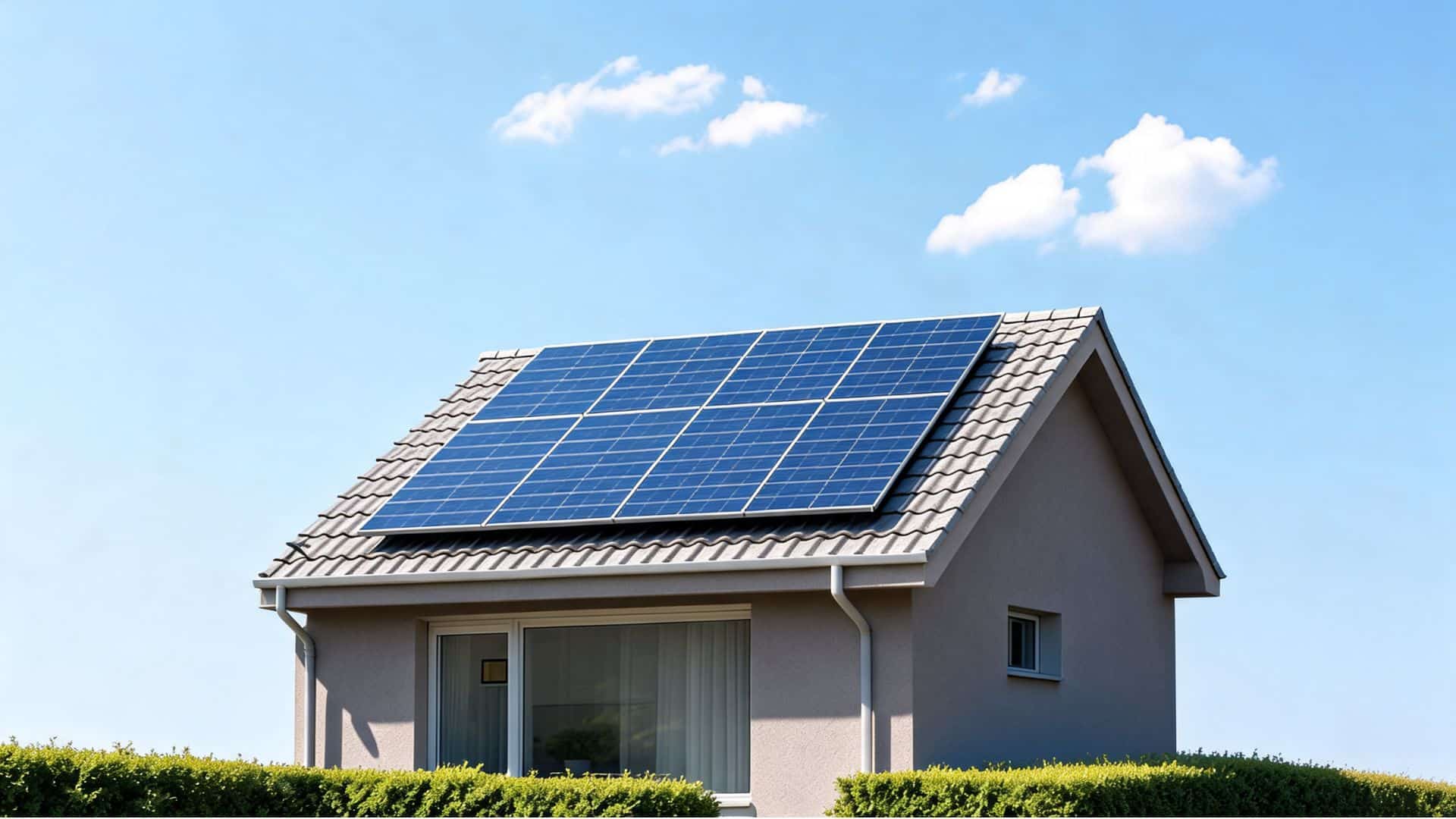
Solar roofing and rooftop panels use roof space to generate electricity, but performance depends on sunlight, orientation, shade, and condition.
- Suitable for: Sunny, unshaded roofs with sufficient usable space and remaining service life.
- Key Consideration: Review roof age, shade, output, wiring, warranties, and future repair access.
- Typical Lifespan: 25 to 30 years for most panel systems, though electricity output gradually declines over time.
6. Certified Wood Shingles and Shakes
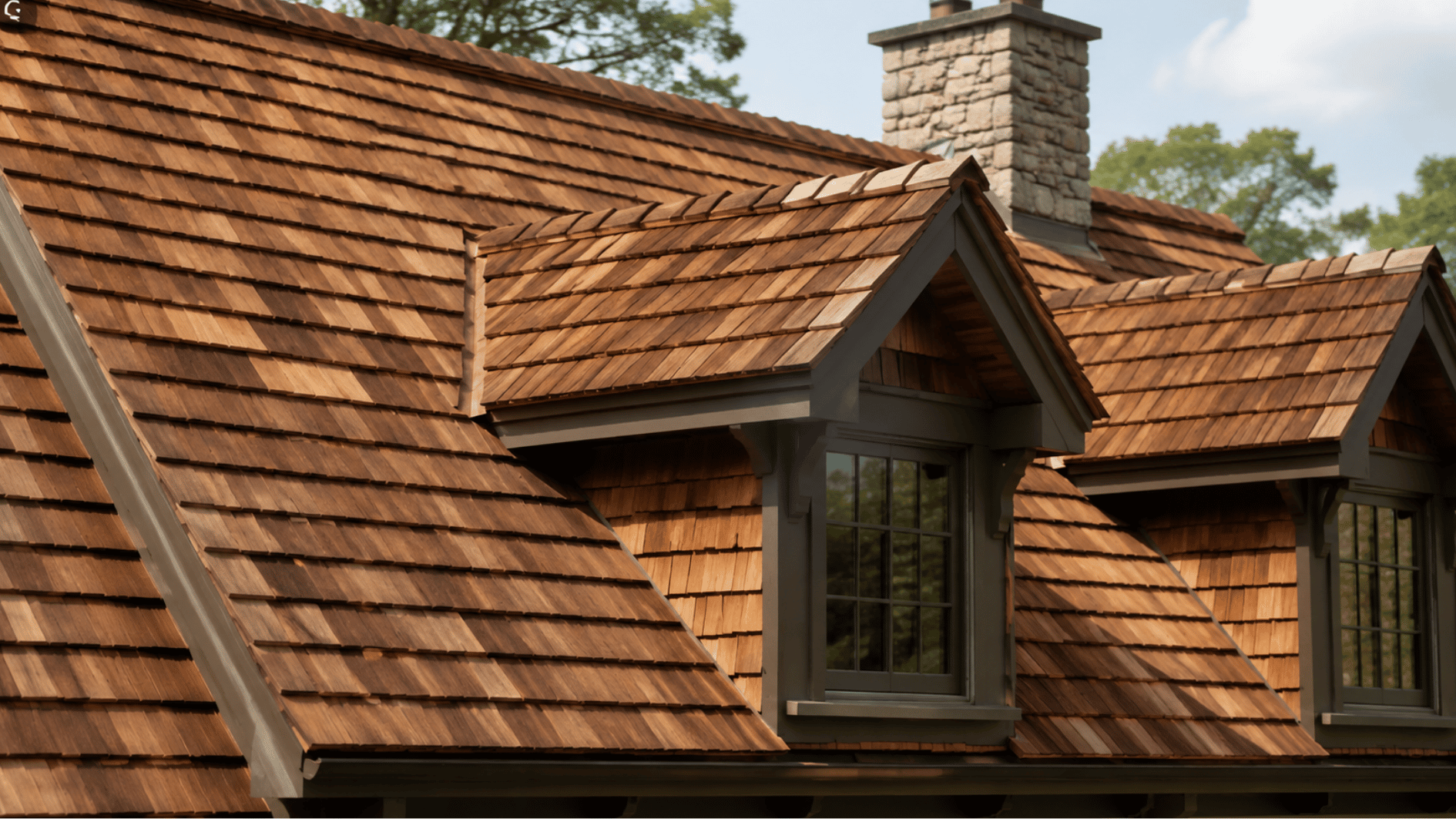
Certified wood shingles provide renewable, repairable roofing, but sustainability depends on responsible forestry, fire rules, treatment methods, and maintenance needs.
- Suitable for: Suitable climates and low-fire-risk locations where building codes permit wood roofing.
- Key Consideration: Review fire codes, treatments, moisture exposure, ventilation, sourcing, and maintenance demands.
- Typical Lifespan: 25 to 40 years, depending on climate, treatment, and upkeep.
7. EPDM and Recycled Rubber Roofing
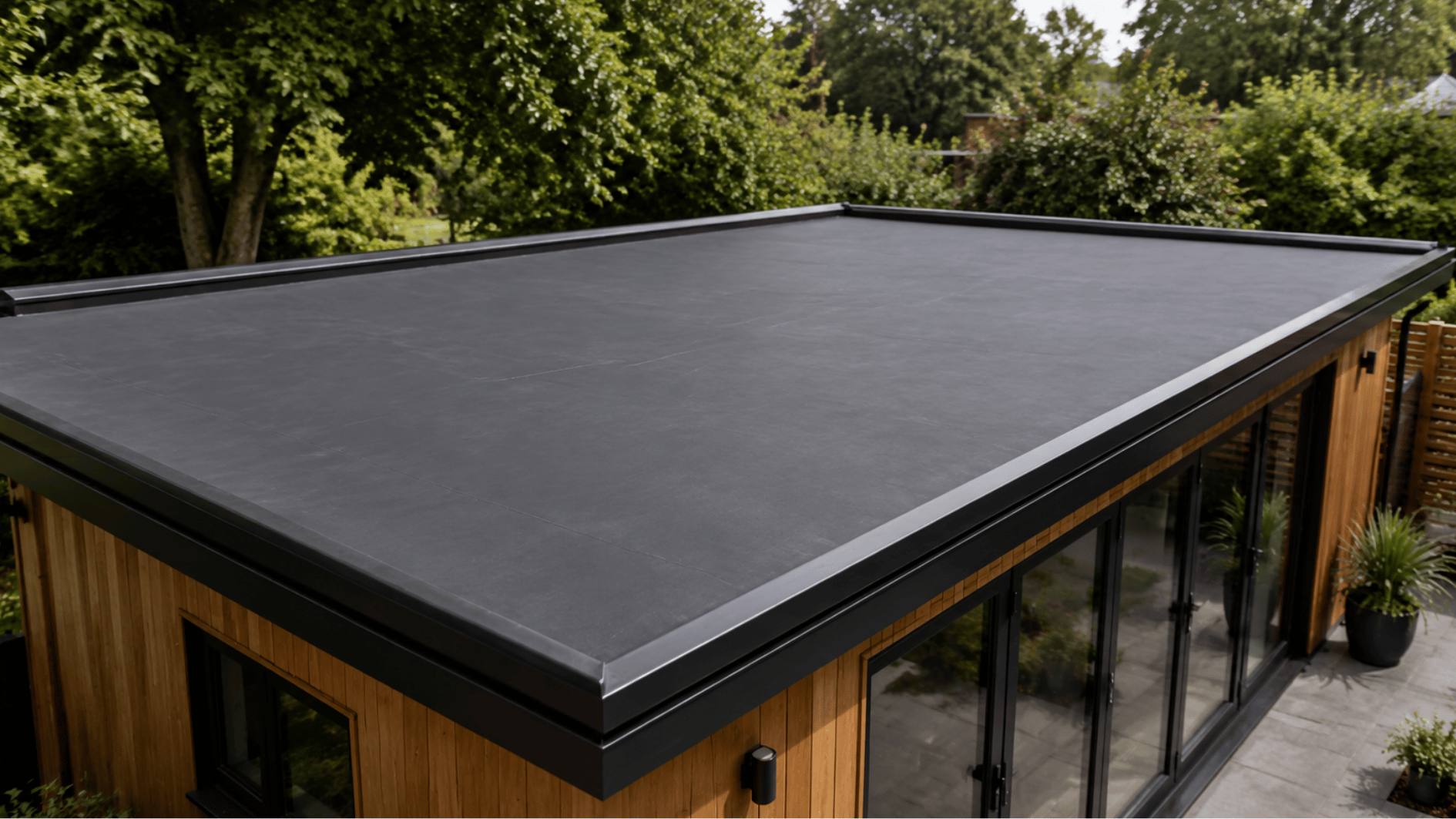
EPDM membranes are often made partly from recycled rubber and provide a durable, low-maintenance option for flat or low-slope sections that other sustainable materials aren’t suited for.
- Suitable for: Flat or low-slope roofs on additions, garages, porches, or modern flat-roof homes.
- Key Consideration: Seams require professional sealing, and dark membrane colors may need a reflective coating to limit heat absorption, similar to how the Department of Energy’s cool roof guidance explains solar reflectance and emittance for flat roofing.
- Typical Lifespan: 25 to 30 years with proper seam maintenance and periodic inspection.
Bonus Tip: Restoring a sound roof with a compatible reflective or elastomeric coating suits aging roofs with stable decking and repairable damage, cuts waste and demolition needs, delays full replacement, and can add 10 to 15 years of service life at a fraction of the cost, provided the roof is dry, leak-free, and free of decay or severe corrosion.
Reasons Sustainable Materials Outperform Asphalt
This comparison highlights the differences between sustainable roofing options and traditional asphalt shingles in terms of cost, durability, waste reduction, and long-term performance.
| Feature | Sustainable Roofing | Standard Asphalt Shingles |
|---|---|---|
| Upfront Cost | Higher initial investment | Lower starting cost |
| Lifespan | Often lasts longer with fewer replacements | Typically lasts 15–20 years |
| Maintenance | Lower long-term upkeep | More frequent repairs and replacements |
| Waste Impact | Reduces landfill waste with longer service life | Creates more roofing waste over time |
| Energy Performance | Can improve insulation and energy efficiency | Offers limited energy benefits |
| Long-Term Value | Higher durability and lower replacement costs | Affordable but may cost more over time |
How to Choose the Right Sustainable Roof?
Begin with a professional inspection of the roof structure, slope, drainage, insulation, ventilation, and remaining lifespan.
Then compare materials by local climate, durability, repair needs, installation cost, building codes, and installer availability.
The right choice should balance environmental benefits with structural suitability, long-term maintenance, household plans, and realistic replacement costs.
Is Sustainable Roofing Worth the Extra Cost?
Sustainable materials often carry a higher price tag upfront, but the comparison changes when you factor in lifespan and maintenance.
A metal or tile roof that lasts 40 to 70 years, replaced only once or twice in a lifetime, can cost less overall than an asphalt roof replaced every 15 to 20 years.
Reflective and cool-roof systems can also lower cooling bills during warmer months, while solar-ready materials reduce future installation costs if panels are added later.
The right answer depends on how long you plan to stay in the home and how much upfront budget is available.
Final Thoughts
Roofing decisions can shape how easily a home adapts to future weather, energy upgrades, repairs, and changing household needs.
The strongest choice leaves room for inspection, component replacement, drainage access, and later improvements rather than creating a sealed system that becomes difficult to modify.
Sustainable roofing options deserve evaluation as part of the building’s wider future, including resilience, flexibility, craftsmanship, and the ability to keep useful materials in service.
Frequently Asked Questions
Do Dark Solar Panels Cancel The Benefit of a Cool Roof?
Solar panels shade portions of the roof, but overall effects depend on panel spacing, roof color, ventilation beneath the modules, and local weather.
Are Local Roofing Materials Always More Sustainable?
Not necessarily. Shorter transport helps, but durability, processing energy, maintenance, extraction practices, and installation quality may matter more than distance alone.
Should Roofing Samples Be Tested Before Selection?
Physical samples help assess texture, thickness, fastening, color variation, heat response, fragility, and compatibility with the property’s exterior materials.