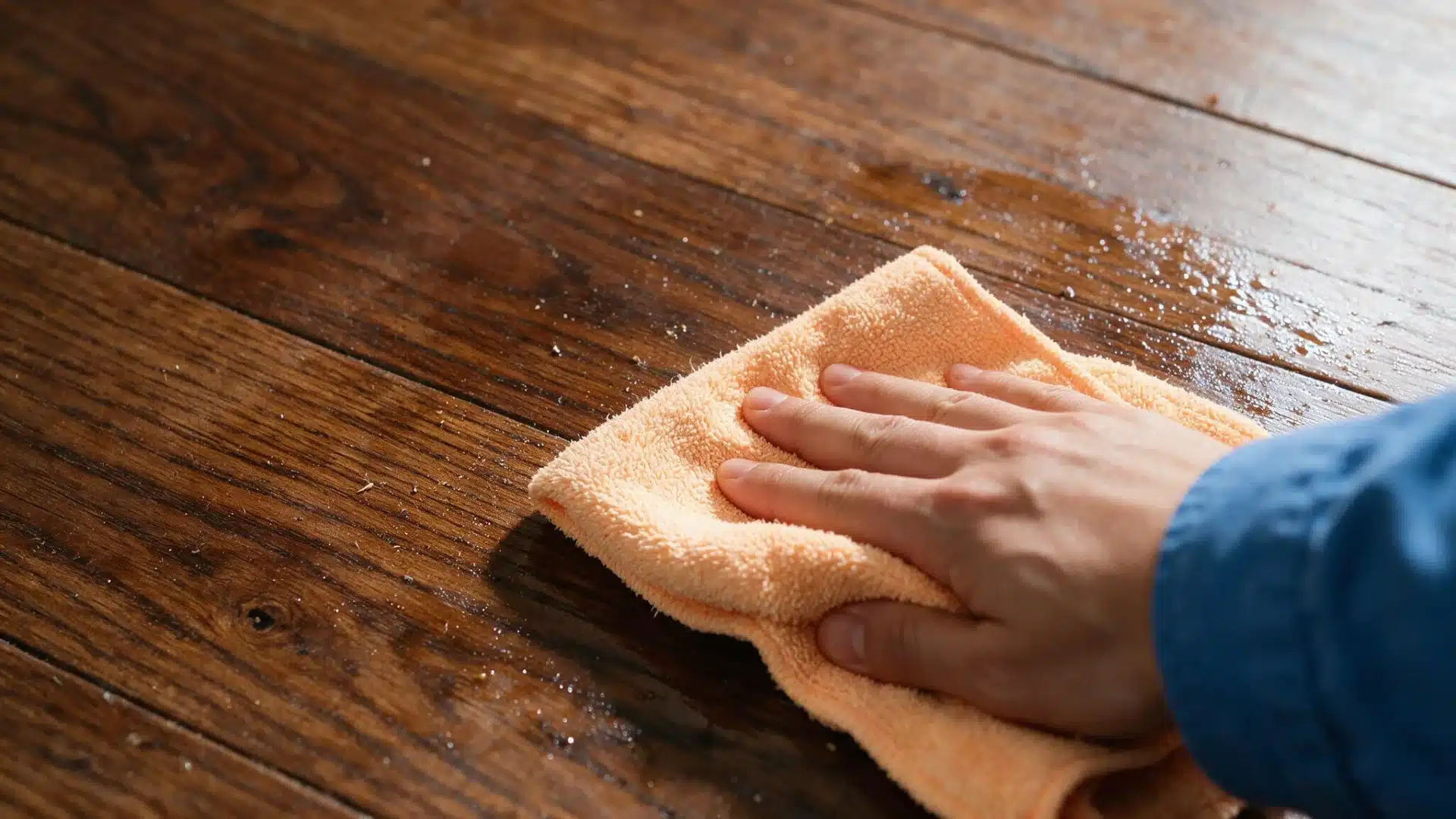
Wood furniture can lose its fresh look even when it is cleaned regularly. Dust, fingerprints, sunlight, and daily use can leave the surface looking dull, cloudy, or uneven.
Learning how to polish wood furniture can help restore its shine while protecting the finish from everyday wear.
However, using too much polish or choosing the wrong product may cause sticky buildup or patchy results.
This blog explains what furniture polish is, how it works, which type suits different wood finishes, and how to apply it correctly.
All About Furniture Polish
Furniture polish is a product made to improve the look and feel of finished wood surfaces. It can add shine, reduce a dull appearance, and leave the surface feeling smoother.
Unlike an everyday surface cleaner, polish is not mainly used to remove dirt, grease, or sticky marks.
A cleaner lifts grime, while polish adds a light protective layer and improves the finish. Furniture polish comes in several forms, including liquid, spray, cream, wax, and oil.
Each type works differently, so the right choice depends on the wood finish, the level of shine needed, and the care instructions.
Types of Wood Furniture Polish
Different furniture polishes offer different levels of shine, protection, and maintenance, so the best choice depends on the wood finish and care needs.
| Type of Polish | Main Benefit | Possible Drawback | Best Suited For |
|---|---|---|---|
| Oil-Based Polish | Adds shine and highlights the wood grain | May leave residue when used too often | Dry-looking or dull finished wood |
| Wax Polish | Forms a protective layer with a soft shine | Takes more time to apply and buff | Furniture needing longer-lasting surface protection |
| Silicone-Based Polish | Gives quick shine and is easy to apply | Can build up on the surface over time | Fast touch-ups on sealed furniture |
| Water-Based Polish | Feels light and leaves fewer greasy marks | May offer less shine than oil or wax | Regular care of many sealed wood surfaces |
If you’re already planning work on an older piece, it’s worth reading what a full table refinish actually involves before you commit to a maintenance routine.
Supplies Needed to Polish Wood Furniture
Having the right supplies makes polishing easier and helps prevent scratches, streaks, or damage to the wood finish.
- Soft Microfibre Cloths: Use one cloth for cleaning and another for applying and buffing the polish.
- Suitable Furniture Polish: Choose a product that matches the type of wood and its finish.
- Mild Soap and Water: Use a small amount to remove light dirt, fingerprints, or sticky marks.
- Soft Brush or Vacuum Attachment: Use to clear dust from carvings, corners, joints, and narrow spaces.
- Protective Gloves: Wear gloves when the product label recommends them or when using oil, wax, or strong formulas.
Avoid rough sponges, abrasive brushes, and soaking wet cloths. These may scratch the surface or allow moisture to enter the wood. Clean, soft tools provide a smoother and more even finish.
How to Polish Wood Furniture: Step-by-Step Process
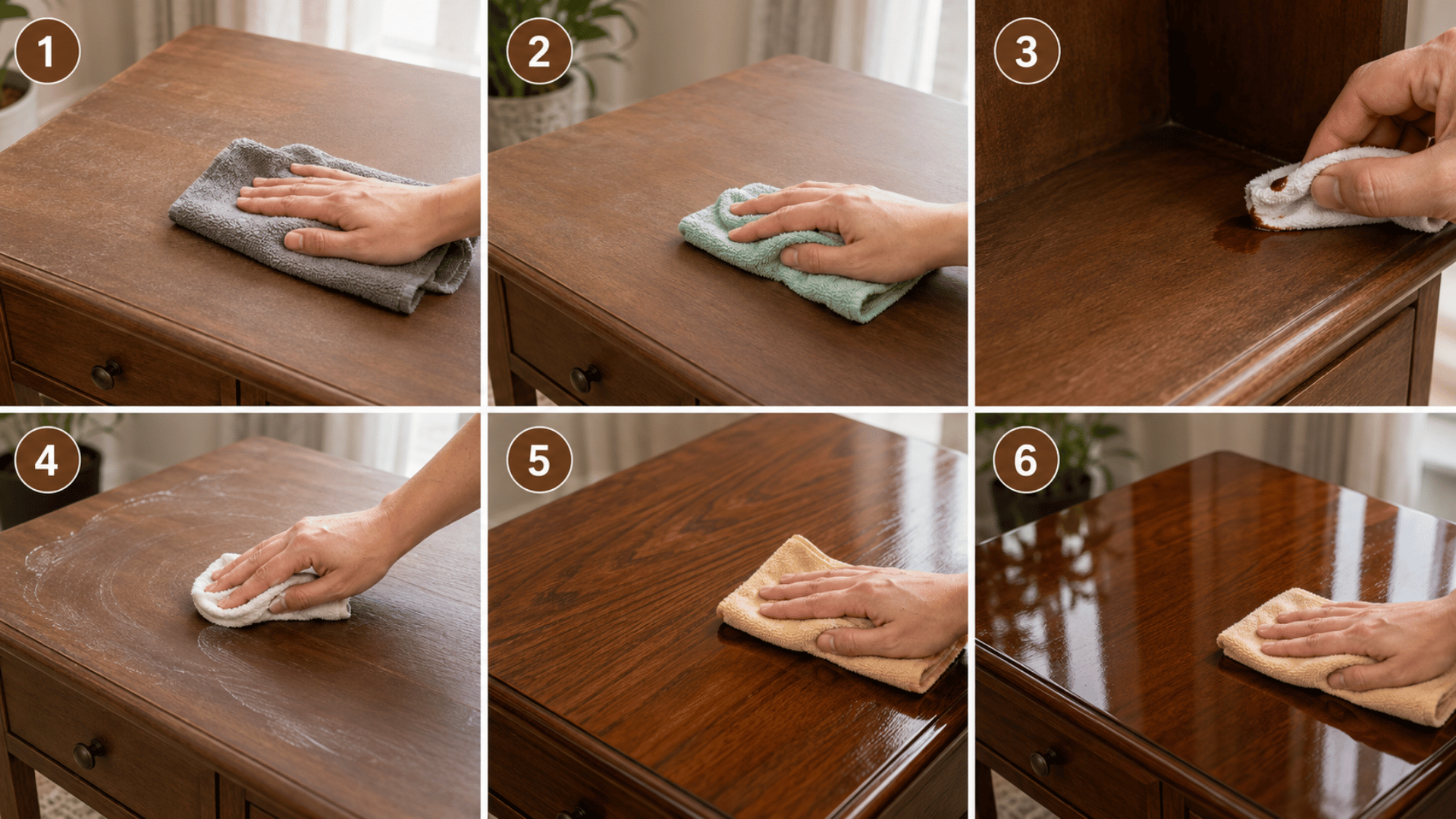
A careful polishing process helps remove dirt, improve shine, and prevent streaks, residue, or damage to the wood finish.
1. Remove Dust and Loose Dirt
Dust the full surface with a soft microfibre cloth before using any cleaner or polish. Pay close attention to corners, carvings, handles, joints, and edges where dirt often collects.
A soft brush or vacuum attachment can help reach narrow spaces without scratching the wood.
2. Clean the Wood Surface
Remove fingerprints, grease, food marks, and sticky spots with a slightly damp cloth and mild soap if needed.
Avoid soaking the surface, as excess water may damage the finish. Wipe away any soap residue and allow the furniture to dry fully before moving to the next step.
3. Test the Furniture Polish
Apply a small amount of polish to a hidden area, such as the back, underside, or inside edge.
Wait for the product to settle, then check for dark patches, color changes, stains, stickiness, or uneven shine. Continue only when the test area looks clean and consistent.
4. Apply a Small Amount of Polish
Place a small amount of polish onto a clean cloth unless the product label gives different instructions. Avoid pouring or spraying too much directly onto the wood.
Using a small amount gives better control and reduces the chance of greasy marks, cloudy patches, or product buildup.
5. Work With the Wood Grain
Spread the polish using smooth, even movements that follow the natural direction of the wood grain.
Work on one small section at a time so the product does not dry unevenly. Apply a thin layer and avoid rubbing too hard, especially on older or delicate finishes.
6. Buff the Surface
Use a separate clean and dry microfibre cloth to buff the polished area. Move the cloth gently with the grain until the surface looks smooth and even.
Keep buffing until streaks, cloudy areas, and excess residue are gone, then check the furniture from different angles.
How Often Should Wood Furniture Be Polished?
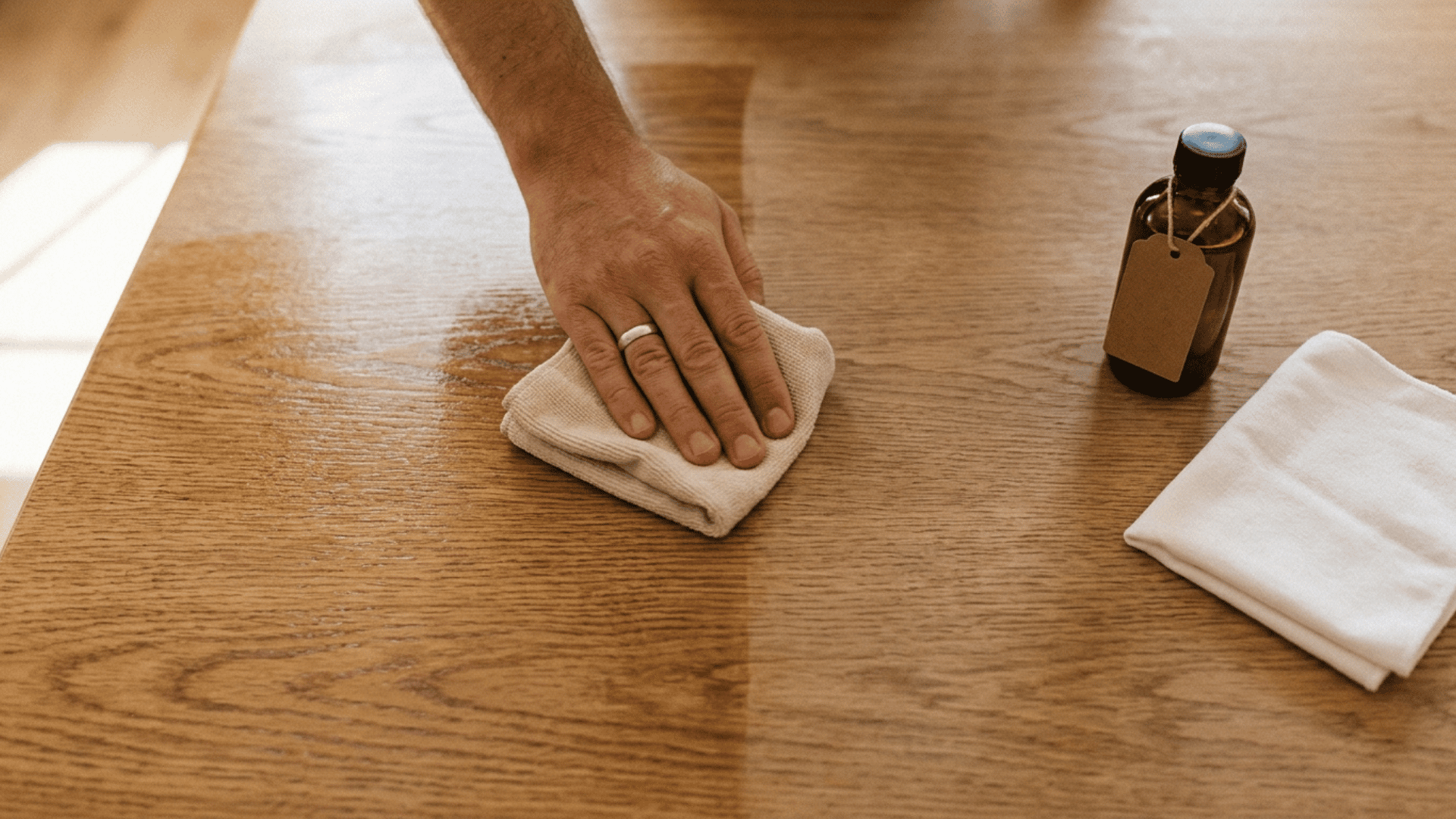
Wood furniture usually does not need frequent polishing. Applying polish too often can leave a sticky layer that attracts dust and makes the surface look cloudy.
The right schedule depends on how often the furniture is used, how quickly it collects dust, and how much sunlight it receives.
Dining tables and desks may need attention more often than decorative pieces. The type of finish also matters, as waxed, oiled, and varnished surfaces have different care needs.
Regular dusting with a soft microfibre cloth should remain the main part of routine furniture care.
Choosing the Right Furniture Polish
Not all furniture polish works the same way on every surface; picking the wrong one can leave residue, stains, or damage instead of a clean shine.
| What to Check | What to Do |
|---|---|
| Wood Finish | Identify whether the surface is sealed, painted, varnished, oiled, waxed, or unfinished before choosing a product |
| Care Label | Follow the manufacturer’s cleaning and polishing instructions, especially for newer or specially treated furniture |
| Product Match | Use a polish made for the specific finish instead of applying one product to every type of wood |
| Desired Result | Choose wax for a soft protective finish, oil for added depth, or water-based polish for lighter care |
| Test Area | Apply a small amount to a hidden area and check for marks, color changes, or uneven shine |
Can Homemade Polish Be Used on Wood Furniture?
Homemade polish can be used on some wood furniture, but it should be applied carefully. Common mixtures often include oil, vinegar, lemon juice, or a blend of these ingredients.
They may add light shine and help remove minor marks from certain finished surfaces.
Oil Mixtures
Can improve shine but may leave a greasy layer when too much is used.
Vinegar Blends
May help lift light dirt, but the acidity can affect some finishes.
Lemon-Based Polish
Adds a fresh smell, though lemon juice may be too harsh for delicate wood.
Small Batches
Prepare only enough for one use to keep the mixture fresh.
Tips to Keep Your Wood Furniture Shining Longer
A few small habits stretch the time between polish sessions. These tips protect the finish and reduce future work.
- Use Coasters: Water rings form fast on unprotected wood, so keep drinks off bare surfaces.
- Avoid Direct Sunlight: Sun fades and dries out wood over time, so move pieces away from windows when you can.
- Dust with The Grain: Wiping against the grain can leave fine scratches over time.
- Test New Products First: Try any new polish or cleaner on a hidden spot before using it on the full piece.
- Wipe up Spills Fast: Liquid left sitting on wood can soak in and leave a stain within minutes.
- Control the Humidity: Very dry or very damp rooms can cause wood to crack or swell, so aim for a steady indoor level.
Conclusion
The right furniture polish should always match the wood finish, whether it is varnished, waxed, oiled, painted, or sealed.
Regular dusting, gentle cleaning, and careful product choice can help prevent buildup, stains, and uneven shine.
Knowing how to polish wood furniture also means using only a small amount of product and buffing it gently with a clean cloth. This creates a smoother finish without leaving greasy marks or cloudy patches.
Always test any commercial or homemade polish on a hidden area before applying it widely.
Frequently Asked Questions
Is Liquid Wood Polish Suitable for Every Type of Furniture?
No. Liquid polish is generally designed for sealed or finished wood. It may soak into unfinished wood or react with painted, waxed, and antique surfaces. Always check the product label before use.
Is Wood Polish Spray Safe to Use Indoors?
Most wood polish sprays can be used indoors when the room has proper ventilation. Keep the spray away from flames, food, children, and pets, and follow all safety instructions on the label.
Can Furniture Polish Restore Faded Wood?
Furniture polish may temporarily improve the color and shine of mildly faded wood. However, severe fading caused by sunlight or finish damage may require refinishing, staining, or professional restoration.