You don’t have to buy a rose plant or seed every time you want to grow more rose plants.
Growing roses from cuttings means taking a stem from an existing plant and turning it into a new one.
It’s quicker than seeds and far more reliable. We’ll show you how to propagate roses so you can have a garden full of them.
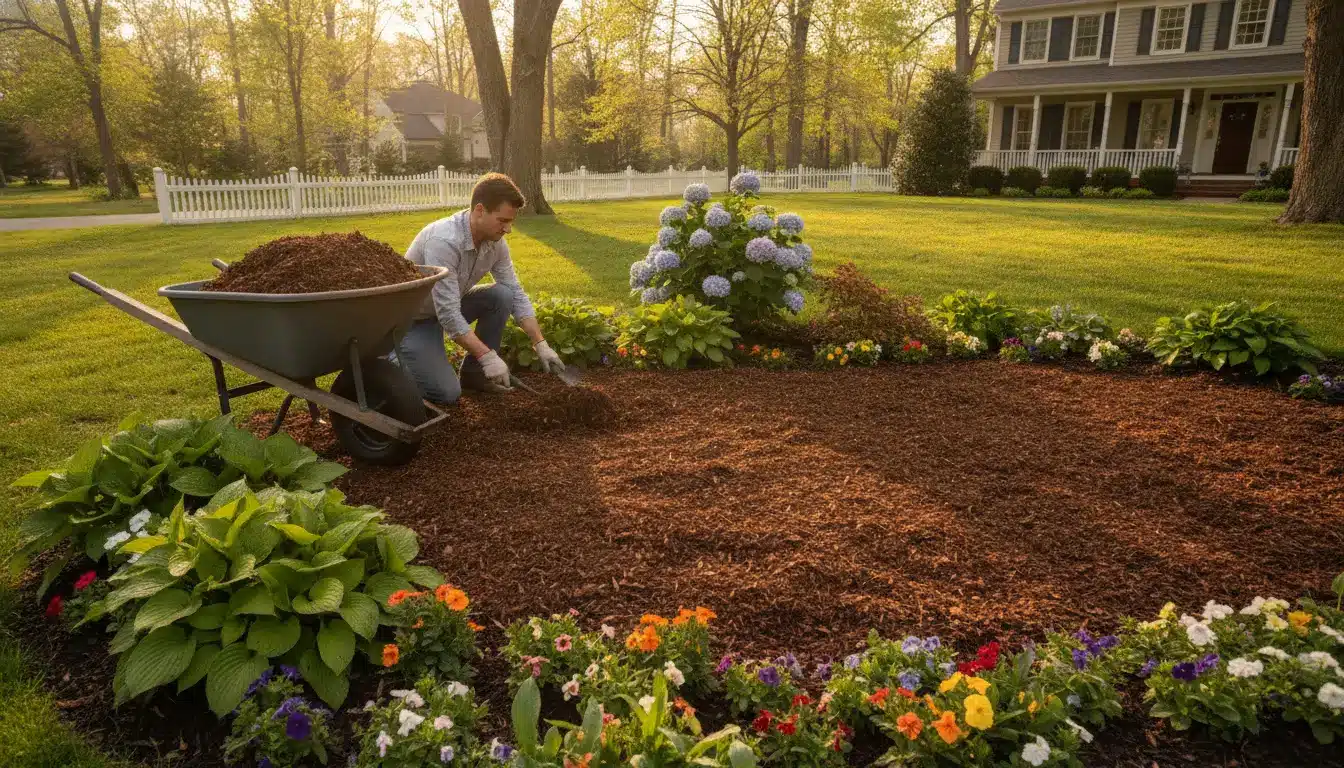
You can also plant roses’ companion plants around to make your garden more beautiful.
What You Need to Grow Roses from Cuttings
Before you start, gather everything you need. Having the right tools makes the process much smoother.
- A sharp knife, clean and sterilized before use.
- Rooting hormone powder or gel to help the cutting develop roots faster.
- Small pots or containers with drainage holes at the bottom.
- Well-draining potting mix, a combination of perlite and compost.
- A plastic bag to keep moisture around the cutting.
- A watering can for watering without disturbing the soil.
- Gardening gloves to protect your hands from thorns while cutting.
How to Choose the Right Rose Cutting

Not every stem makes a good cutting. Knowing what to look for saves you time and gives your cuttings the best chance of rooting successfully.
Softwood Cuttings
Softwood cuttings come from fresh, new growth in late spring or early summer. These stems are young, green, and slightly flexible.
Many prefer softwood cuttings because they root quickly and respond well to rooting hormone.
Choose a stem that is about 4-6 inches long with at least two or three leaf nodes on it. Avoid stems that look wilted, damaged, or diseased.
Hardwood Cuttings
Hardwood cuttings are taken from mature, woody stems in late autumn or winter. The plant is dormant at this time, which actually works in your favor.
These cuttings are tougher and take longer to root than softwood cuttings.
Pick a healthy stem that is about 8-10 inches long. Make sure it has several nodes and no signs of damage or disease.
Both types can give you strong, healthy rose plants. Your choice depends on the season and how much time you have.
Rooting Compounds: What They Are and How to Use Them
Rooting compounds are products that help your rose cuttings grow roots faster. They contain a hormone called auxin, which signals the cutting to start producing roots.
You can find them in three forms: powder, gel, and liquid. We always recommend them for beginners.
Using a rooting compound is simple. Dip the cut end of your stem into the powder or gel before planting. Make sure the bottom node is fully coated.
Always tap off any excess powder before placing the cutting into your potting mix.
How to Grow Roses from Cuttings: Step-by-Step
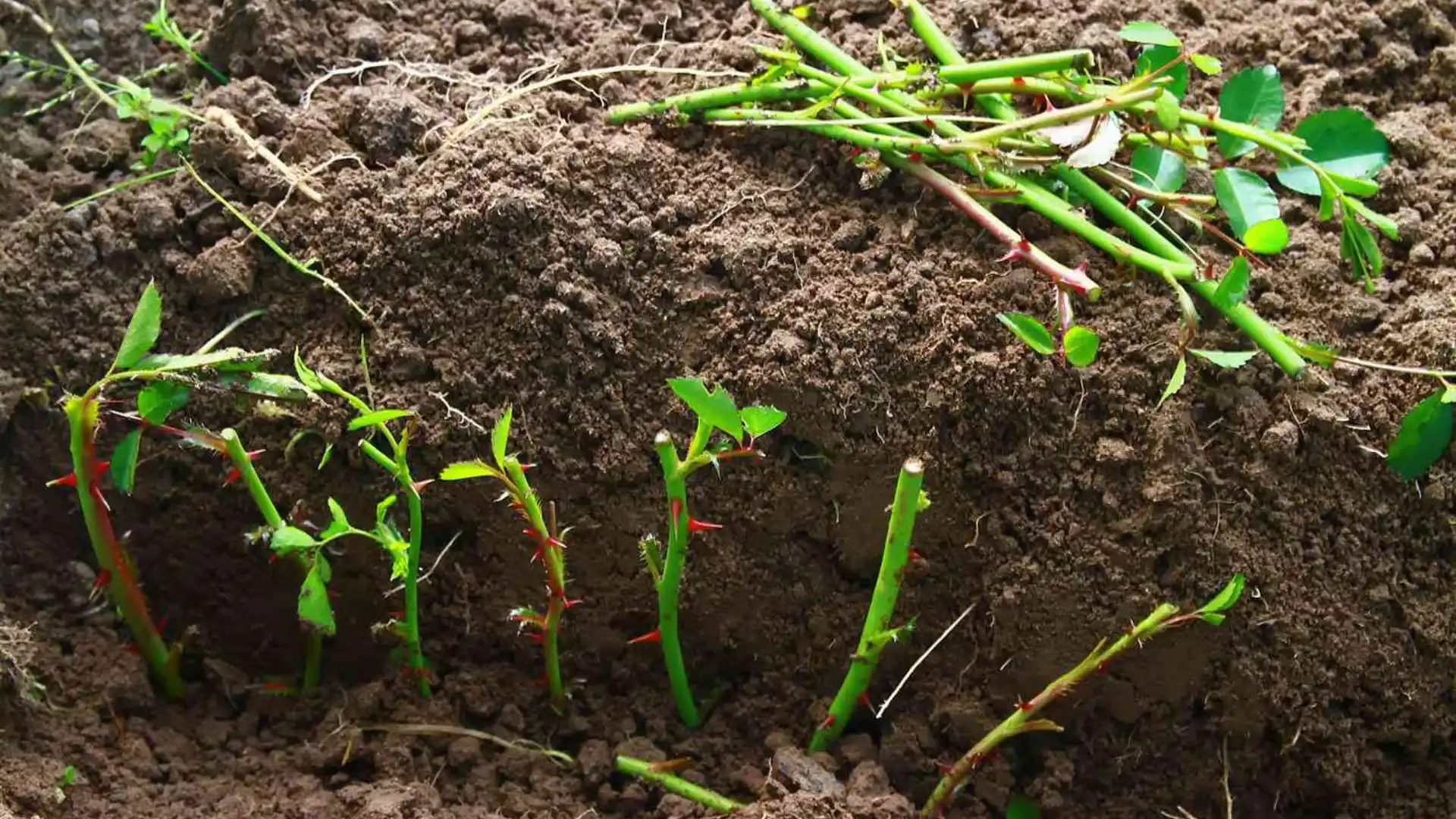
Growing roses from cuttings works for both softwood and hardwood stems. The process is mostly the same, with only a few small differences to keep in mind along the way.
Step 1: Prepare Your Cutting
For softwood cuttings, pick a fresh green stem about 4-6 inches long in late spring. For hardwood cuttings, choose a mature woody stem about 8-10 inches long in late autumn.
Cut at a 45-degree angle just below a leaf node. Remove leaves from the bottom half and leave two or three at the top.
Avoid cutting stems that show yellowing leaves or soft, mushy spots. Those stems rarely root and will waste time and rooting hormone.
Step 2: Apply Rooting Hormone
Dip the cut end into rooting hormone powder or gel before planting. Make sure the bottom node is fully coated.
Tap off any extra powder gently. Softwood cuttings absorb rooting hormone faster than hardwood cuttings, but both benefit from this step.
Step 3: Plant Your Cutting
Push the coated end into a pot filled with well-draining potting mix. Make sure at least one node sits below the soil.
Water gently and cover with a plastic bag. Hardwood cuttings can also be planted directly in the ground outdoors during winter.
Don’t pack the soil too tightly around the stem. Compacted mix blocks airflow to the node and slows root development significantly.
Step 4: Wait and Watch
Place your pot in a warm spot with bright but indirect light. Softwood cuttings root in four to six weeks. Hardwood cuttings take longer, sometimes up to three months.
Give the stem a gentle tug to check for resistance. That means roots are forming.
Avoid moving the pot to check progress. Constantly shifting it disrupts root formation and stresses the cutting before it’s had time to establish itself.
Different Ways to Propagate Roses from Cuttings
There is more than one way to propagate roses. The following are some methods you can try depending on your setup and experience level.
Stem Cuttings
Cut a healthy stem at a 45-degree angle and plant it in potting mix after applying rooting hormone. This is the most common and reliable method for growing roses from cuttings at home.
Layering
Bend a low-growing stem down to the soil without cutting it off. Cover a section with soil and keep it moist. Once roots form, cut it free from the parent plant and pot it up.
Water Propagation
Place your cutting in a glass of clean water in a bright spot. Change the water every few days. Roots will appear within a few weeks.
Then carefully transfer the rooted cutting into the potting mix.
Division
Dig up a mature rose bush and separate it into sections, each with its own roots. Replant each section in fresh soil.
This works best with shrub roses and gives you instant, established plants quickly.
Budding
Take a bud from one rose plant and attach it to the stem of another. This method is common in commercial growing.
It produces strong plants but requires more skill and practice than other methods.
There is no single best method. Try the one that suits your time, tools, and confidence level.
How to Care for Your Rose Cuttings After Planting
Once your cuttings are planted, consistent care is what keeps them alive.
- Keep the potting mix moist but never waterlogged or soggy.
- Place the pot in bright, indirect light away from harsh sun.
- Mist the leaves lightly every day to maintain humidity levels.
- Remove the plastic cover for a few minutes each day to improve airflow.
- Check for new leaf growth as a sign of successful rooting.
- Transplant to a bigger pot once roots are firmly established.
Conclusion
Knowing how to grow roses from cuttings is one of the most rewarding things. Many beginners get it right on their very first try.
Both hardwood and softwood cuttings work well when you follow the steps carefully. Pick the right stem, use rooting hormone, and give your cutting consistent care.
Follow the mentioned steps, and you’ll propagate roses successfully every single time.
Frequently Asked Questions (FAQs)
1. When is the Best Time to Grow Roses from Cuttings?
Late spring to early summer is ideal for softwood cuttings. For hardwood cuttings, late autumn works best when the plant is dormant.
2. What Happens if I Overwater My Rose Cuttings?
Overwatering causes the cutting to rot before roots can form. Always check the soil moisture before watering. The potting mix should feel damp, not wet.
3. Why are My Rose Cuttings Not Rooting?
This usually happens due to overwatering, low humidity, or skipping the rooting hormone. Make sure your potting mix drains well and that moisture levels stay consistent.