Crabgrass is stubborn, but it’s not unbeatable.
Here’s what actually works, from pulling it by hand to stopping it before it sprouts next spring.
What is Crabgrass?
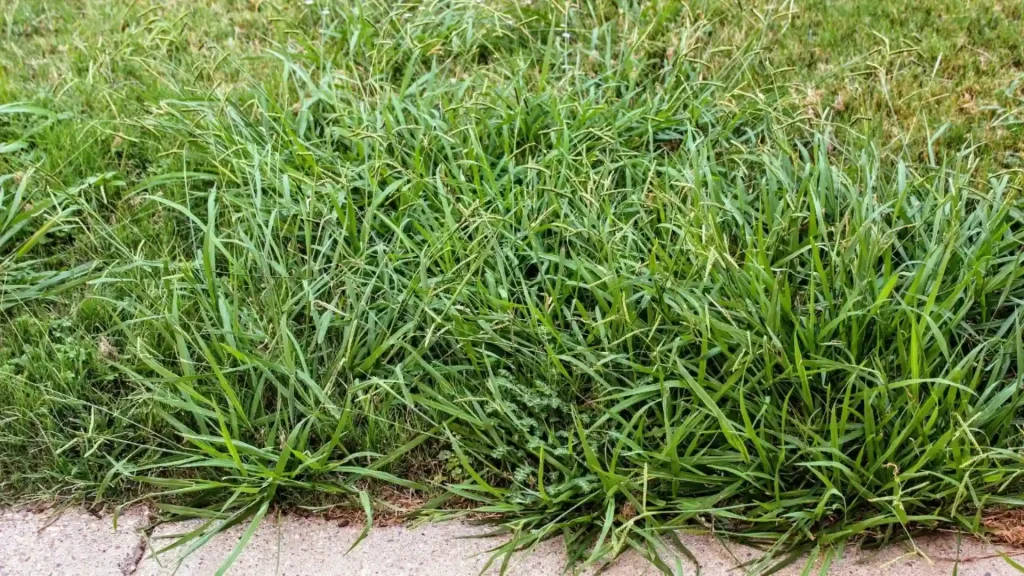
Crabgrass is a fast-growing weed found in lawns, driveways, and garden beds. It gets its name from the way it grows, which is low to the ground with stems spreading out like crab legs.
It is a warm-season annual weed, meaning it grows in spring, thrives in summer, and dies in winter.
But before it dies, it drops thousands of seeds.
Those seeds sit in the soil all winter and sprout again next year. That’s the whole reason crabgrass is so hard to control.
Identifying Crabgrass
Before you start pulling anything, make sure you’ve got the right target.
Crabgrass gets mistaken for a few other grassy weeds all the time. It grows low and spreads out from a central point, almost like a starfish, with coarse, light green blades that feel rougher than your lawn grass.
| Weed | Growth Pattern | Blade/Stem Feel |
|---|---|---|
| Crabgrass | Low, spreads flat from a center point like a starfish | Coarse, light green, rougher than lawn grass |
| Quackgrass | Upright, aggressive underground roots | Narrower blades |
| Nutsedge | Grows faster than surrounding grass | Triangular stem — you can feel the edges rolling it between your fingers |
| Young Tall Fescue | Upright clump, not spreading | Similar color to crabgrass early on |
Quackgrass, by contrast, grows upright with narrower blades and a more aggressive underground root system.
Nutsedge has a triangular stem you can actually feel if you roll it between your fingers, and it grows faster than the grass around it.
Young tall fescue can look similar to crabgrass early on, but it grows in a more upright clump rather than spreading flat.
If you’re not sure, look at the growth pattern first.
Crabgrass hugs the ground and spreads outward; most look-alikes don’t.
Pulling out fescue thinking it’s crabgrass just leaves you with a bare patch you didn’t need.
What Causes Crabgrass to Grow?
Crabgrass doesn’t grow out of nowhere, but certain lawn conditions make it easy for crabgrass seeds to sprout and spread.
- Thin or bare patches in your lawn give crabgrass open soil to grow.
- Cut your grass too short and you’re letting more sunlight hit the soil, which crabgrass needs to sprout.
- Overwatering or poor drainage creates the moist, warm conditions for crabgrass to grow.
- Compacted soil makes it easy for crabgrass to grow. Push a screwdriver into damp soil — if it won’t go past an inch without a fight, your soil’s compacted enough for crabgrass to move in over your grass. Aerate in fall or spring to loosen it back up.
- Warm soil temperatures above 55°F trigger crabgrass seeds to sprout in spring.
Sustainable Solutions for Removing Crabgrass
You don’t need harsh chemicals to get rid of crabgrass. These sustainable solutions are safe for your lawn, your family, and the environment.
Project Card
- Working Time: 30 minutes–1 hour for spot treatment (hand-pulling or boiling water on small patches); 1–2 hours if mulching larger affected areas
- Total Time: Same-day for removal, but full control takes a full season — prevention steps (mowing height, deep watering, pre-emergent timing) run March through fall
- Difficulty Level: Beginner
- Estimated Cost: $0–$15 (hand-pulling and boiling water need no special supplies) up to $30–$50 if buying mulch or a pre-emergent herbicide for a standard-size lawn
- Number of People Needed: 1
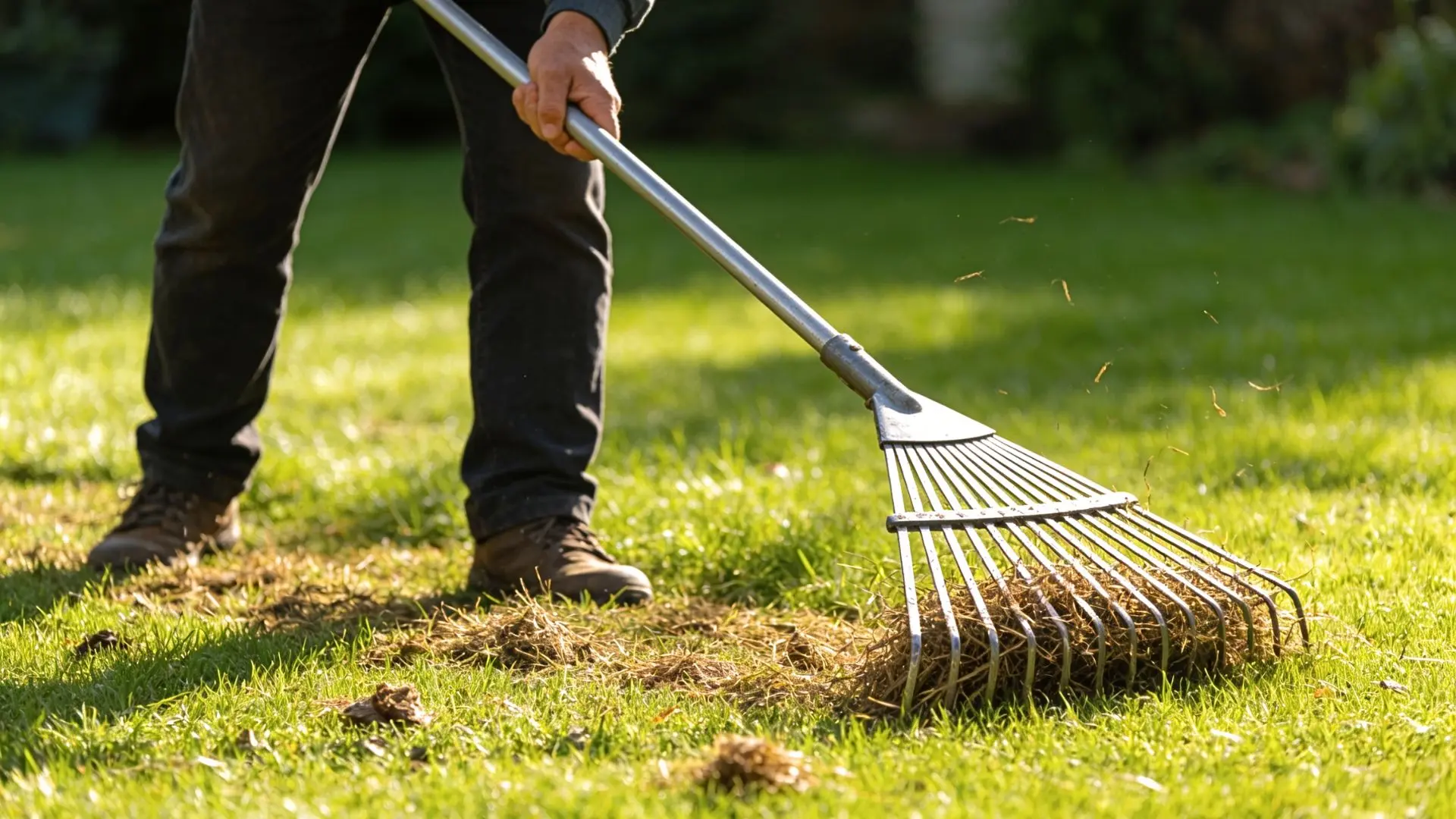
1. Pull it out By Hand
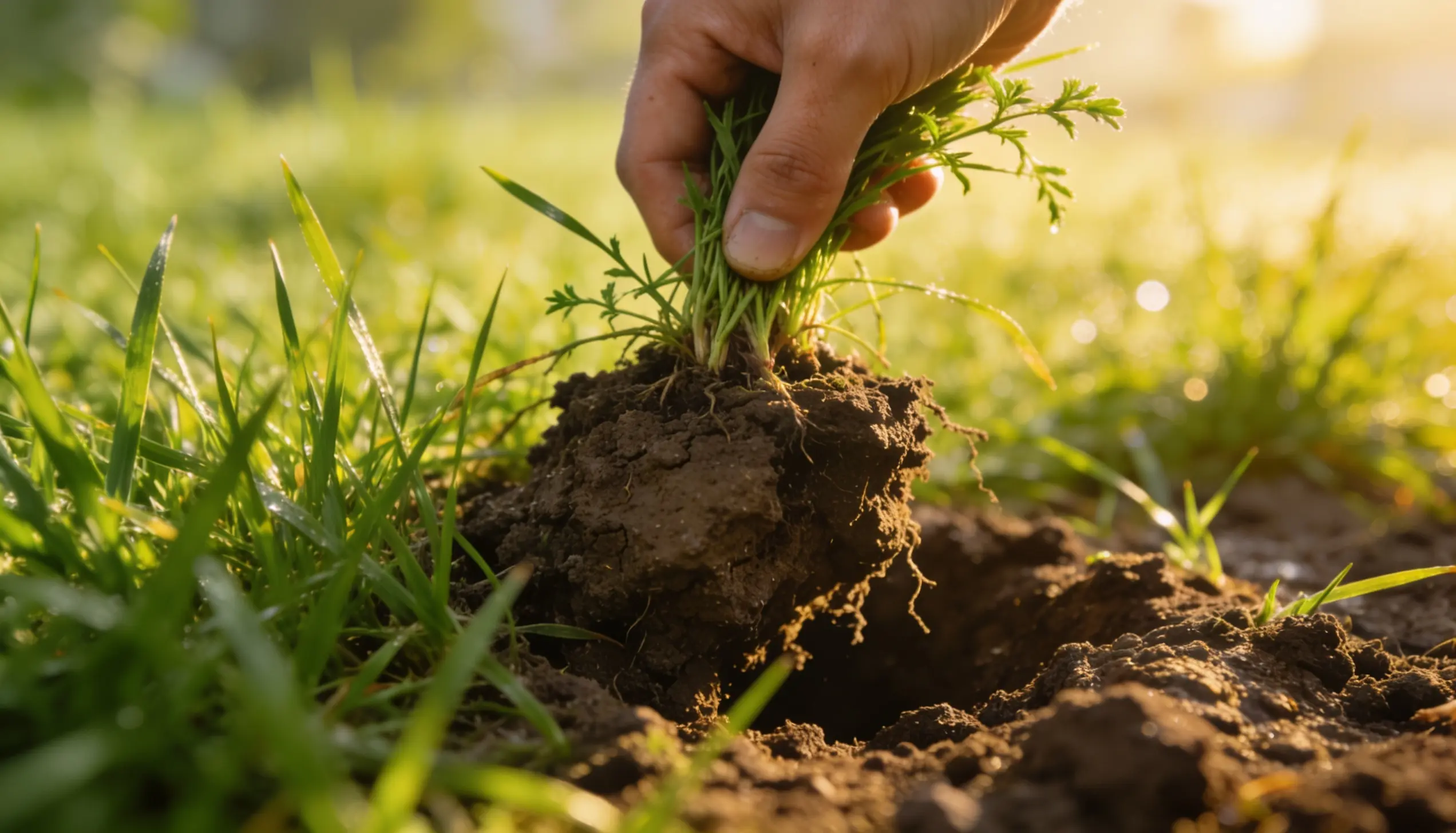
Grab the weed as close to the root as possible and pull firmly.
Do this after watering or rain, when the soil is soft, as roots come out much more easily.
You’ll feel the difference — in dry soil the root snaps off and leaves the crown behind; in damp soil the whole thing slides out clean.
Make sure you remove the entire root.
If you leave even a small piece behind, it will grow back. For small patches, this method is the best!
2. Use Boiling Water
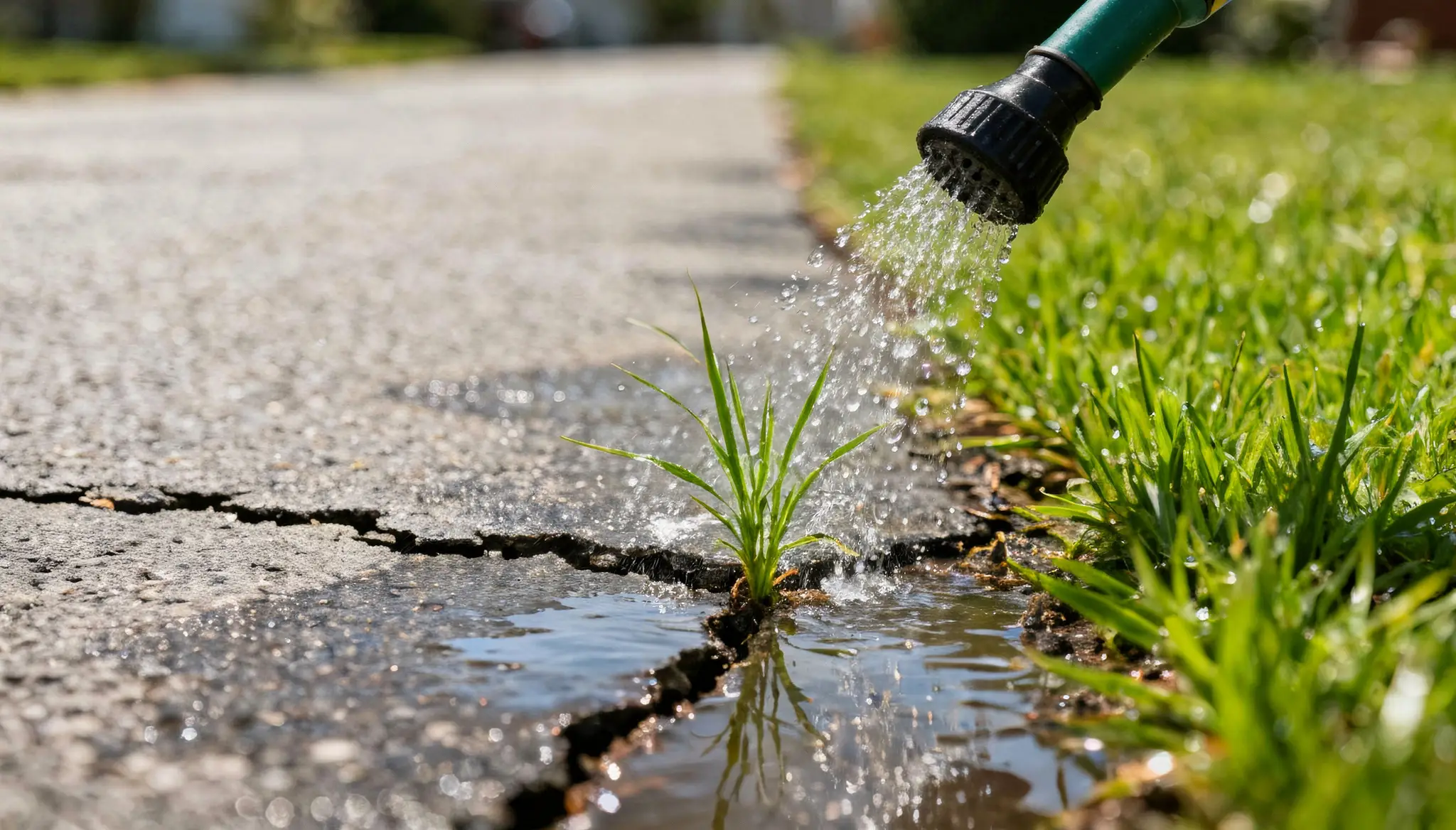
Boiling water is a simple, chemical-free way to kill crabgrass. Pour it directly onto the weed, making sure it reaches the roots.
The heat kills the plant from the inside out. Be careful not to pour it onto your nearby healthy grass.
Best for crabgrass growing in cracks, driveways, or along edges where your lawn grass won’t be affected.
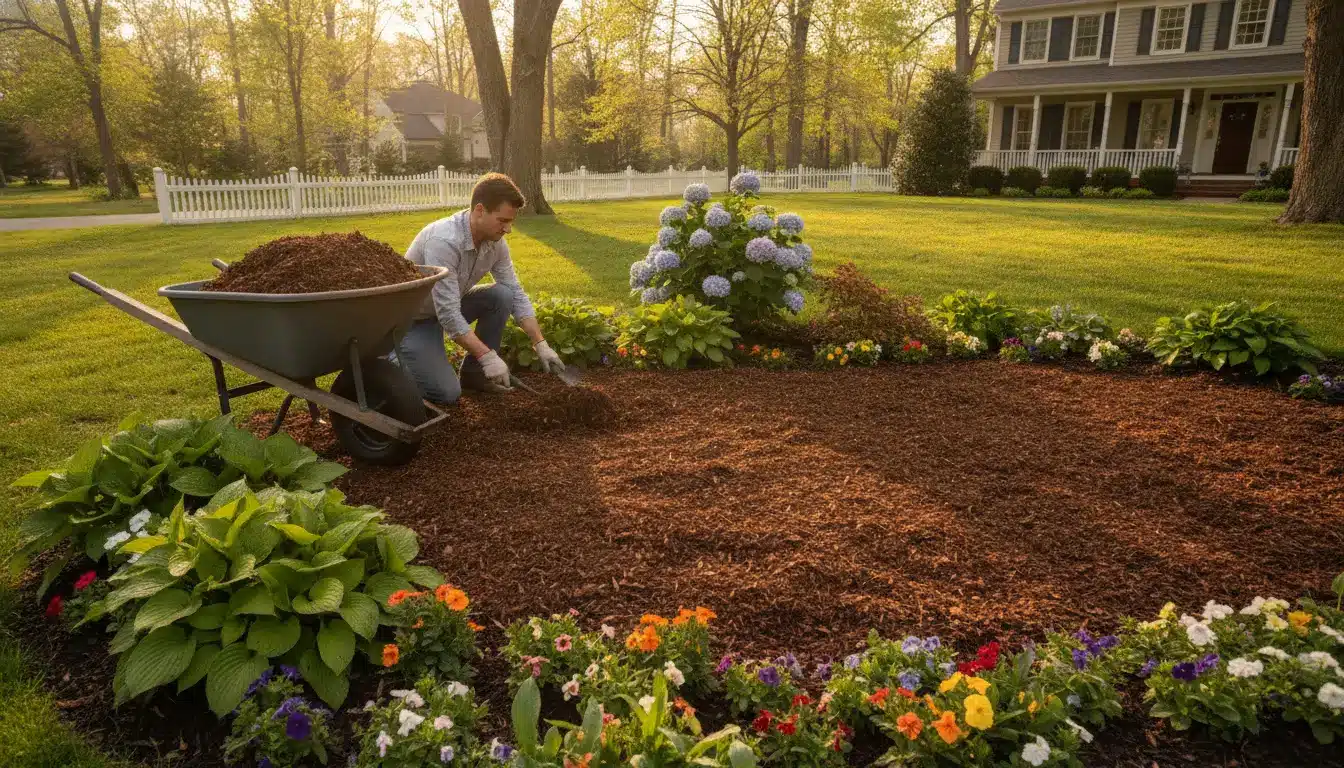
3. Smother it with Mulch
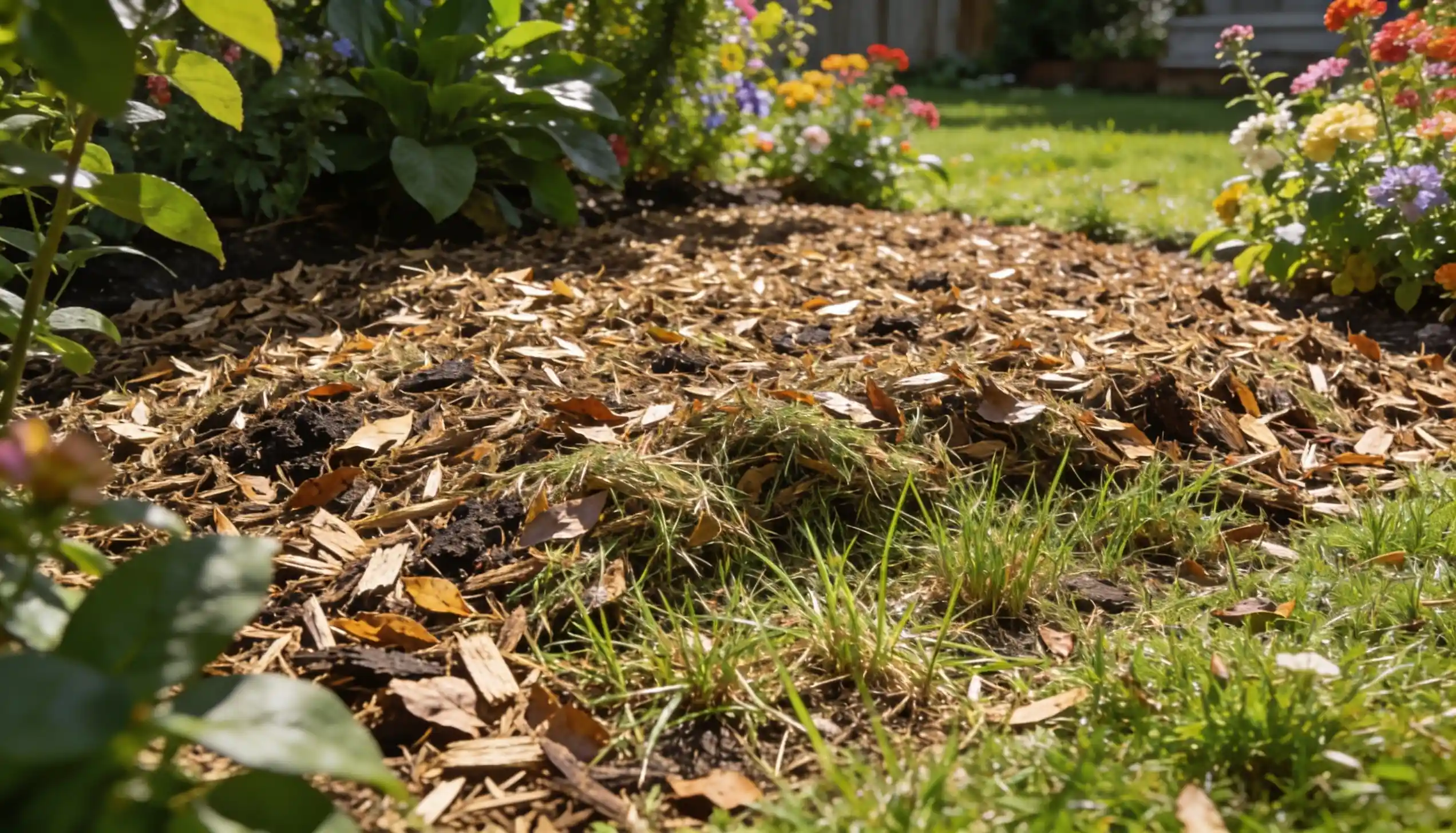
Mulching is a great way to stop crabgrass from getting the sunlight it needs to grow. Spread a thick layer of organic mulch, about 2 to 3 inches, over the affected areas.
This blocks light, holds moisture, and stops new seeds from sprouting.
Over time, the crabgrass weakens and dies out on its own.
Why This Guide Skips Weed Killer: Post-emergent herbicides for crabgrass exist and work, but this guide skips them on purpose. They need careful timing, repeat applications, and a waiting period before kids or pets can use the lawn again — get it wrong and you damage the grass too. Hand-pulling, boiling water, and mulching have none of that risk, and they handle small to medium infestations fine. Herbicide makes more sense only if crabgrass has spread across a large enough area that pulling by hand isn't realistic.
How to Tell It’s Actually Dead
Crabgrass doesn’t disappear the moment you mulch it or hit it with boiling water — it fades out over one to two weeks.
Dormant crabgrass still has some green or yellow-green color and feels firm if you tug on it.
Dead crabgrass turns fully brown or straw-colored, feels dry and brittle, and pulls free with almost no resistance because the roots have let go.
If it’s still got any give or color after two weeks, give it more time before reapplying mulch or trying another method.
Pulling too early just disturbs the soil for no reason.
How to Prevent Crabgrass From Coming Back?
Getting rid of crabgrass is only half the work. More important: making sure it doesn’t come back next season.
Mow at the Right Height
Keep your grass at least 3 to 4 inches tall. Taller grass shades the soil and stops crabgrass seeds from getting the sunlight they need to sprout.
Make it a habit to never cut more than one-third of the grass blade at a time.
Water Your Lawn Deeply
Frequent shallow watering encourages crabgrass growth. Instead, water your lawn deeply once or twice a week.
This helps your grass grow deeper roots while keeping the top layer of soil drier. Crabgrass seeds sitting near the surface won’t get the moisture they need to germinate.
Fill in Bare Patches Quickly
Bare spots are open invitations for crabgrass.
As soon as you spot a thin or empty patch, reseed it right away. Healthy, thick grass leaves no room for crabgrass to take hold.
Use grass seed that suits your climate and water it well until it establishes.
Apply a Pre-Emergent in Early Spring
A pre-emergent herbicide stops crabgrass seeds from sprouting before they even break the surface. Apply it in early spring when soil temperatures reach around 55°F.
If you apply too late, the seeds will have already started growing.
Crabgrass is common, but you don’t have to live with it.
Pull what’s there now, then get the pre-emergent down before soil hits 55°F next spring. That one-two combo is what actually keeps it from coming back.
Do Household Remedies Like Vinegar or Dish Soap Get Rid of Crabgrass?
Not reliably.
Household vinegar is too diluted to kill established roots, so it usually just burns the visible leaves while the plant grows back from underneath.
Horticultural vinegar, which is much more concentrated, works better but is harsher on surrounding grass and needs careful application.
Dish soap mixed with water is sometimes used to dry out the plant’s surface, but it rarely reaches the root system either.
Both are inconsistent at best. If you want a chemical-free method that actually works, hand-pulling, boiling water, and mulching all target the plant more completely than either of these popular DIY tricks.
Wrap Up
Crabgrass isn’t hard to beat once you know what you’re dealing with. Pull it, boil it, or smother it depending on how much you’re facing and where it’s growing.
Then don’t let your guard down once the patch is clear – mow high, water deep, and get a pre-emergent down before soil hits 55°F next spring.
That’s really the whole system: kill what’s there, close the door on what’s coming.
Skip the prevention half and you’ll be back here doing this again next July.
Frequently Asked Questions (FAQs)
1. When is the Best Time to Treat Crabgrass?
Early spring is the best time. Treating crabgrass before soil temperatures reach 55°F prevents seeds from sprouting and spreading across your lawn.
2. How Long Does it Take to Get Rid of Crabgrass?
It depends on the method you use. Hand-pulling shows results immediately, while mulching and pre-emergent take a few weeks to fully work.
3. Should I Water Bermuda Grass in October?
Yes, but reduce watering frequency. Bermuda grass slows down in October, so watering once a week is enough to keep it healthy.