The word ‘dolomite’ appears on countertop samples, garden products, and building materials, yet it rarely comes with a clear explanation.
It can refer to both a mineral and a type of rock, which often causes confusion. Its appearance can also resemble that of marble, limestone, or quartzite.
So, what is dolomite, where does it come from, and how does it perform in different uses?
This blog explains its properties, uses, differences, and care needs.
What is Dolomite?
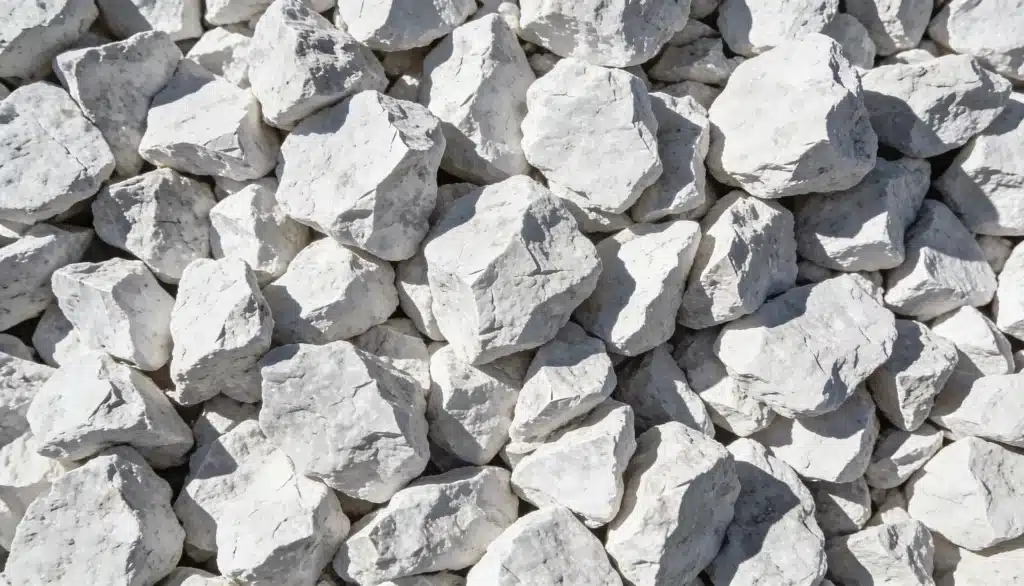
Dolomite is a mineral composed of calcium magnesium carbonate, represented by the formula CaMg(CO3)2.
It forms naturally in shades of white, gray, or pink, and sometimes light brown when iron is present.
The same word also describes a rock called dolostone, composed mostly of the mineral dolomite.
This overlap is one reason the name causes confusion, since geologists once used dolomite for both the rock and the mineral.
The mineral is named after the French geologist Deodat de Dolomieu, who studied its chemical composition in the late 1700s.
A mountain range in Italy, the Dolomites, was later named after him too.
Where is this Mineral Found?
Dolomite takes its name from the Dolomites, a mountain range in northern Italy known for its steep rock walls, sharp peaks, and deep valleys.
The range is home to eighteen peaks above 3,000 meters and is recognized by UNESCO for its unusual rock formations, glacial features, and fossil-rich stone.
Outside Italy, dolomite is found in many parts of the world.
In the United States, the largest deposits are found mainly in the Midwest, where it is widely used in construction and industry.
Large dolomite deposits also appear in parts of Canada, Mexico, and several countries across Europe and Asia.
Many of these deposits formed the same way: as ancient seafloor limestone slowly changed as magnesium-rich water moved through it.
Properties and Uses of Dolomite
Its hardness, steady chemistry, and reaction to acid all play a part in where it ends up, from building sites to garden beds
Physical and Optical Properties
- Color: Typically white, colorless, gray, or pink. Iron and manganese impurities can cause tan, brown, or rosy red hues.
- Luster: Vitreous (glassy) to pearly.
- Crystal Structure: Trigonal-rhombohedral system. Unlike calcite, where all cation sites are calcium, dolomite’s structure consists of alternating layers of calcium and magnesium.
- Transparency: Transparent to translucent
- Melting point: Dolomite does not melt in the usual sense. Instead, heating it to around 750-900 degrees Celsius breaks it down into oxides, a process called calcination.
- Density: Dolomite typically has a density of about 2.84 to 2.90 grams per cubic centimeter.
- Porosity: Natural dolomite rock can be quite porous, ranging anywhere from about 3 percent to 48 percent, depending on how much the rock has changed since it first formed.
How is Dolomite Used?
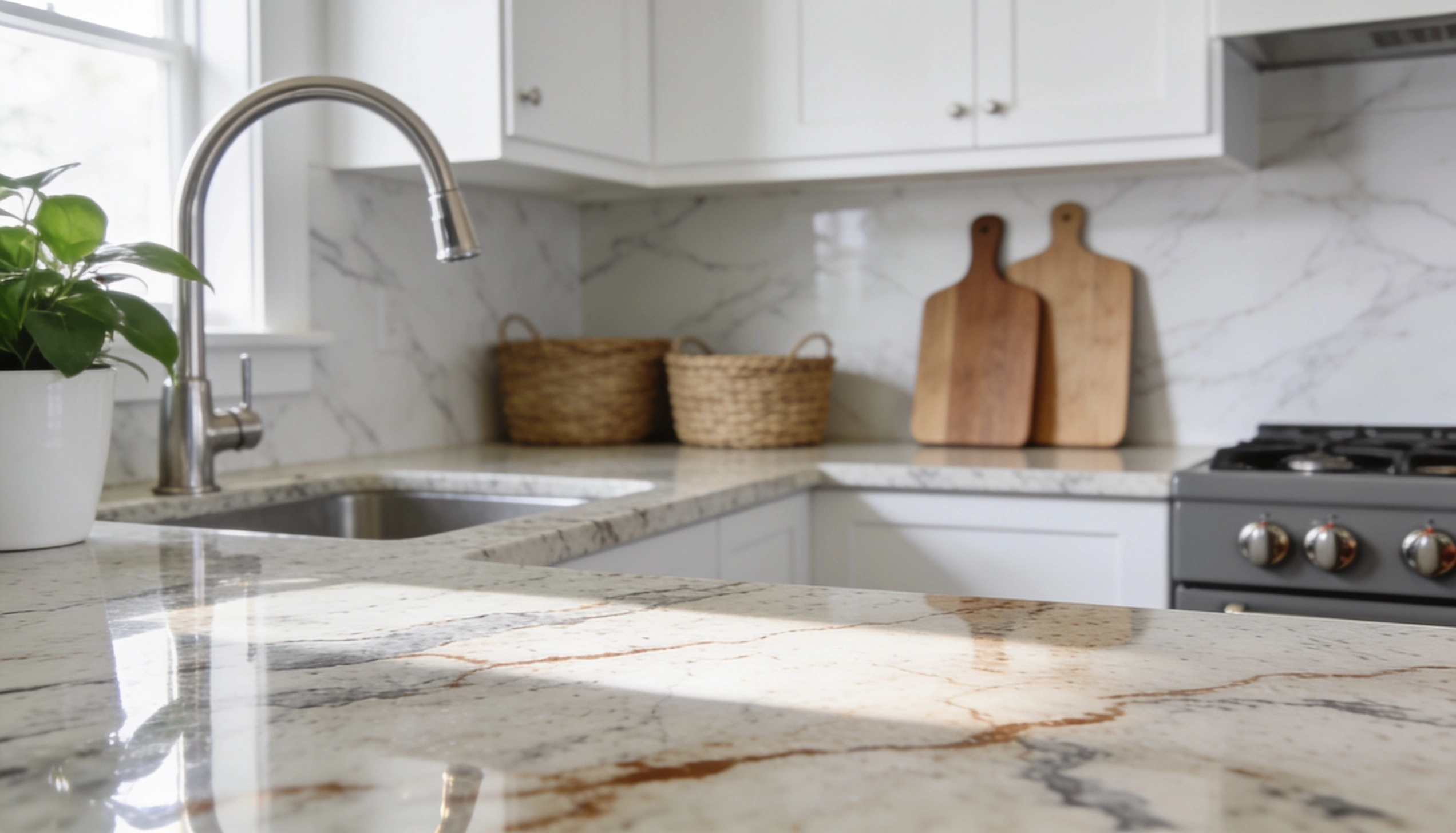
Dolomite countertop on a kitchen island with soft veining and a light color
Dolomite shows up in more places than most people expect:
1. Construction and Manufacturing
Crushed dolomite is used in concrete, road base, glass, and ceramic glazes.
It is also processed into refractory bricks that line furnaces and kilns, as it withstands high heat well.
Builders often rely on it because it is widely available and holds its strength over time.
2. Steel Production
It works as a flux, helping remove impurities during smelting.
During the process, it helps pull silica and other unwanted material out of the molten metal.
This leaves the finished steel cleaner and easier to work with.
3. Water treatment
It helps balance pH levels in treatment plants and swimming pools.
Water that is too acidic can corrode pipes and equipment over time, so dolomite helps neutralize it before that damage builds up.
It is also a low-cost option compared to some other treatment materials.
4. Agriculture and gardening
It gets added to soil as a conditioner and used in fertilizers to supply magnesium and calcium.
Gardeners often reach for it when a soil test shows low pH, since it raises alkalinity gradually rather than all at once.
It also shows up in some animal feed to supply the same minerals.
Where to Use Dolomite Countertop?
Dolomite works well in several spots around the home, though some areas suit it better than others based on the environment and the properties of dolomite.
Kitchen Countertops and Islands

Dolomite gives a kitchen that classic white and gray marble look without as much risk of scratching.
Since it is a bit softer than granite, it tends to work best in kitchens with lighter daily use or for homeowners willing to wipe up acidic spills immediately to prevent etching.
Works best for main prep islands, perimeter countertops, and coffee bars.
Bathroom Vanities
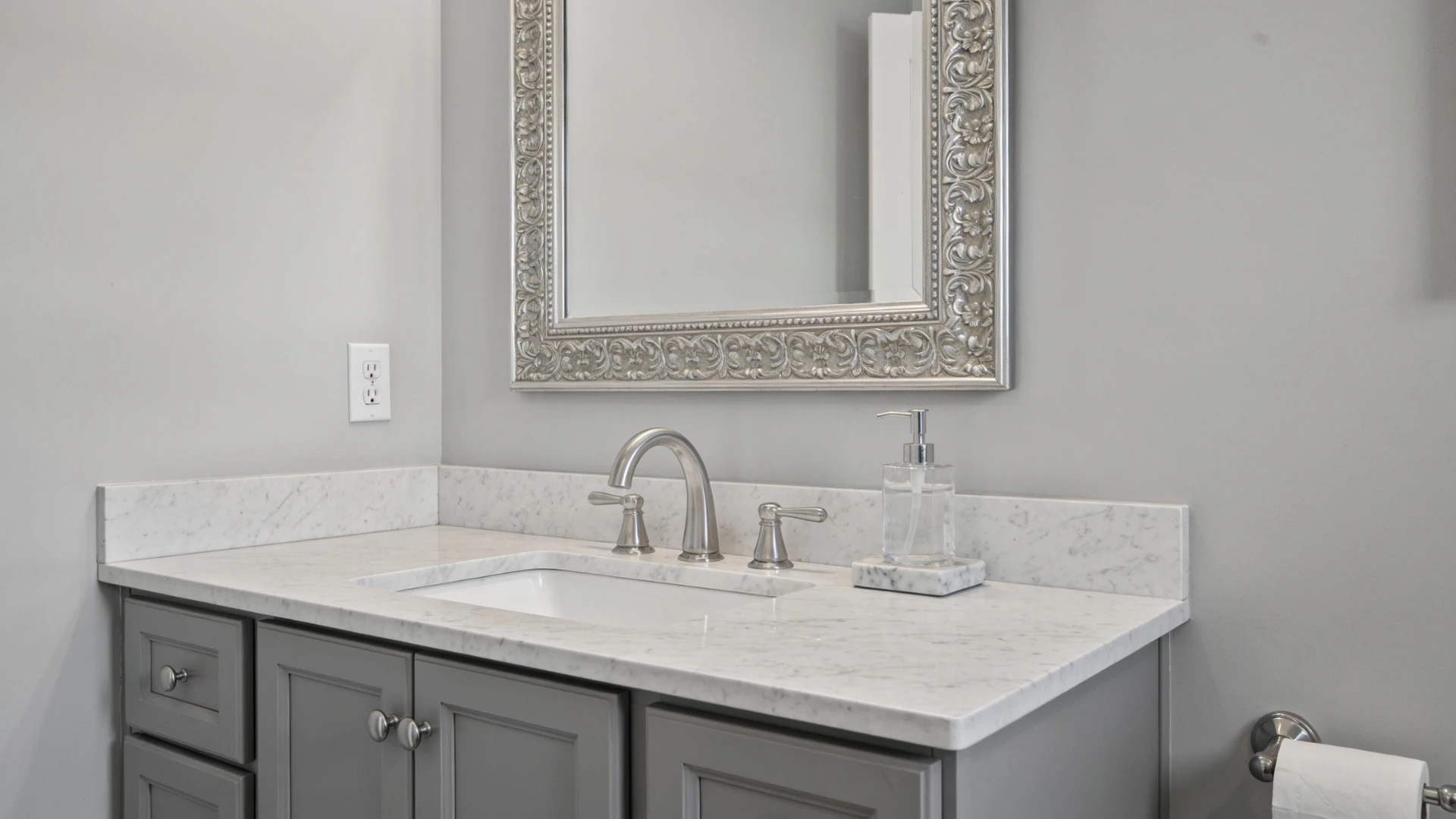
Bathrooms usually see fewer acidic spills, which makes dolomite a solid choice for vanity tops, tub decks, and even shower walls.
The main things to watch for here are soap buildup and standing water, both of which are easy to manage with regular cleaning and proper sealing.
It’s best for master bath vanities, custom sink surrounds, and shower cladding.
Fireplace Surrounds
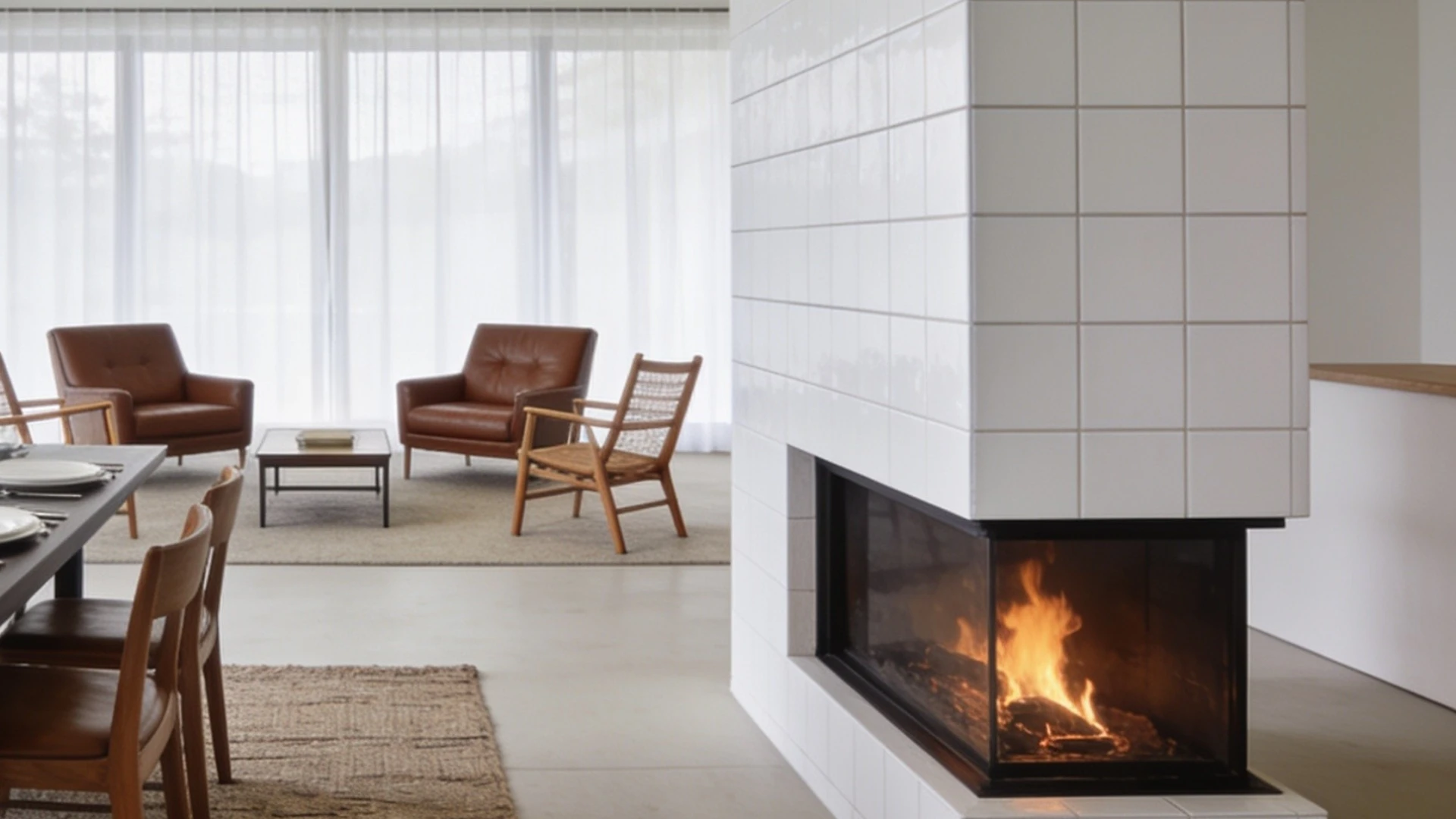
Dolomite handles heat well, which makes it a safe choice around a fireplace.
It’s soft, natural veining also adds visual interest to a room without needing bold colors or busy patterns.
How Durable is a Dolomite Countertop?
Dolomite countertops hold up well for daily use in a busy kitchen.
The stone rates about 3.5 to 4 on the Mohs hardness scale, which gives it decent resistance to everyday scratches from knives, pots, and general wear.
It is also fairly low in porosity, which means it does not soak up spills as quickly as some other natural stones, helping it resist stains a bit better over time.
Dolomite is not indestructible. Acidic spills like lemon juice, vinegar, or wine can still etch the surface if left sitting too long, so wiping up messes quickly matters.
Sealing the countertop regularly, usually about once a year, adds another layer of protection against stains and etching.
Dolomite offers a solid balance of durability and everyday practicality, as long as it gets a bit of routine care.
How to Care for Dolomite?
Dolomite needs regular care because it can stain, scratch, or etch when exposed to harsh products and acidic spills.
Daily cleaning and proper sealing help protect its surface.
-
Clean it with a soft cloth, warm water, and a neutral-pH soap.
-
Wipe up wine, coffee, citrus juice, and oil quickly.
-
Use cutting boards, coasters, and trivets to prevent marks and heat damage.
-
Avoid vinegar, bleach, lemon cleaners, and rough scrubbers.
-
Reseal the surface when water begins to soak in rather than form beads.
Always follow the stone supplier’s sealing and cleaning instructions.
How is Dolomite Different from Other Minerals
Dolomite is often compared with limestone, marble, and quartzite because they can look similar but perform differently.
| Point | Dolomite vs Limestone or Calcite | Dolomite vs Marble | Dolomite vs Quartzite |
|---|---|---|---|
| Key Difference | Limestone and calcite fizz quickly with mild acid, while dolomite reacts slowly. | Dolomite is usually harder and more scratch-resistant than marble. | Quartzite is much harder than dolomite, with a Mohs hardness of about 7. |
| Which Performs Better? | Dolomite offers better acid resistance. | Dolomite offers better scratch resistance. | Quartzite offers better strength and scratch resistance. |
Is Dolomite the Same as Limestone?
Dolomite and limestone are related, but they are not the same rock.
Limestone is composed mostly of calcite (calcium carbonate) and forms from shells, coral, and other marine remains piling up over long periods of time.
Dolomite often forms afterward, when magnesium-rich water moves through limestone and swaps out some of the calcium for magnesium.
This turns part of the rock into the mineral dolomite. Because of this, dolomite tends to be a bit harder than limestone and reacts more slowly with acid.
The two frequently show up together in the same rock layers.
Dolomite Mineral vs Dolomite Rock
As a mineral, dolomite is a single-crystal type with its own hardness, color, and structure. As a rock, dolomite refers to a larger mass made of that mineral, usually called dolostone.
The two are related, but they are not exactly the same thing
The Mineral
As a mineral, dolomite usually forms small crystals shaped like tilted cubes, called rhombs.
It has a hardness of about 3.5 to 4 on the Mohs scale, meaning it can be scratched by a knife or even a coin.
It also splits cleanly along three flat planes. This clean splitting is one of the easiest ways to spot dolomite in a rock sample.
The Rock (Dolostone)
In nature, dolomite occurs as a rock called dolostone. This rock started out as limestone on ancient seafloors.
Over long periods, magnesium-rich water moved through the limestone and slowly altered its chemistry.
That process is called ‘dolomitization‘. It replaced some of the calcium in the original limestone with magnesium, turning it into dolomite.
Why do Designers Love This Stone?
Designers often turn to dolomite because it sits right between marble and harder stones like granite.
It carries the soft veining people love in marble but holds up better against scratches and everyday wear, making it a practical pick for both homes and commercial spaces.
Marble-Like Look
Dolomite naturally forms in soft whites, grays, and creams, with gentle movement running through the stone. It gives a room a look similar to marble, without quite as much upkeep.
Better Durability
Marble usually rates around 3 on the Mohs hardness scale, while dolomite sits closer to 3.5 or 4. That small jump in hardness gives it noticeably better resistance to scratches and stains in busy parts of the home.
Lower Cost
Dolomite typically costs less than premium marble or quartzite, while still giving a space a polished, high-quality look.
Wide Range of Uses
Since it resists heat well and works with many design styles, designers often use dolomite for kitchen countertops, bathroom vanities, and fireplace surrounds.
Conclusion
Dolomite might look like an ordinary gray or white stone, but it plays a bigger role in daily life than most people expect, from garden soil to kitchen counters.
With a clear answer to what dolomite is and a good sense of how a dolomite countertop holds up compared to marble or quartzite
You can make a more informed choice if you are picking countertop material or are just curious about the rocks under your feet.
Frequently Asked Questions (FAQs)
1. Where is Dolomite Found in the US?
The biggest commercial deposits and some notable crystal formations are mainly found across the Midwest.
2. Is Dolomite a Double Salt?
Yes, dolomite is considered a double salt. It contains both calcium carbonate and magnesium carbonate, but the two do not just sit side by side.
3. What are the Health Benefits of Dolomite?
Dolomite is sometimes used as a source of calcium and magnesium in supplement form, and both minerals play a role in bone health