Termite damage is one of the most expensive surprises a homeowner can face. Repair bills regularly climb into the thousands, and the real frustration is that the damage usually happens behind walls, under floors, and in places nobody checks until something feels soft or looks wrong.
So when it comes to professional termite control, the first question most people ask is simple: how much should this actually cost? The honest answer depends on a handful of factors, and understanding them is the best way to make sure you pay a fair price for work that truly protects your home.
What Affects the Price
Termite control is not a one size fits all service. Pricing depends on the size of the home, the severity of the infestation, the treatment method, and your region.
Home size and layout. Larger homes and complex foundations (crawl spaces, multiple levels, additions) require more material and labor to treat thoroughly.
Severity. Early detection usually means a simpler, less expensive treatment. Established colonies with structural damage may require more extensive work and follow up inspections.
Treatment method. Liquid barrier treatments and bait station systems are the two most common approaches. Liquid treatments, like those applied by termite control experts trained in Termidor application, tend to produce faster results.
They create a treated zone in the soil that termites pass through and carry back to the colony, leading to full elimination. Bait stations work more slowly and depend on termites finding the bait over time.
Location. Areas with higher termite pressure, particularly across the Mid-Atlantic, Southeast, and Gulf Coast, often see more competitive pricing because providers stay busy year round.
Typical Price Ranges
For most homes, a standard liquid treatment runs between $500 and $2,500. Bait station systems can range from $1,500 to $3,500 or more, depending on the number of stations and the monitoring contract.
Some companies charge per linear foot of foundation. Others offer a flat rate based on square footage and inspection findings. Both approaches are common, but understanding which model a company uses helps you compare quotes accurately.
Annual warranty renewals are another piece of the picture. Most providers require a yearly inspection to keep the warranty active, typically costing between $100 and $300. That small investment keeps someone accountable for checking back and catches new activity early.
What Separates a Good Provider from a Cheap One
Termite treatment is one of those services where the cheapest option is rarely the best value. What you are really paying for is a thorough inspection, an accurate diagnosis, proper application, and a warranty that holds up.
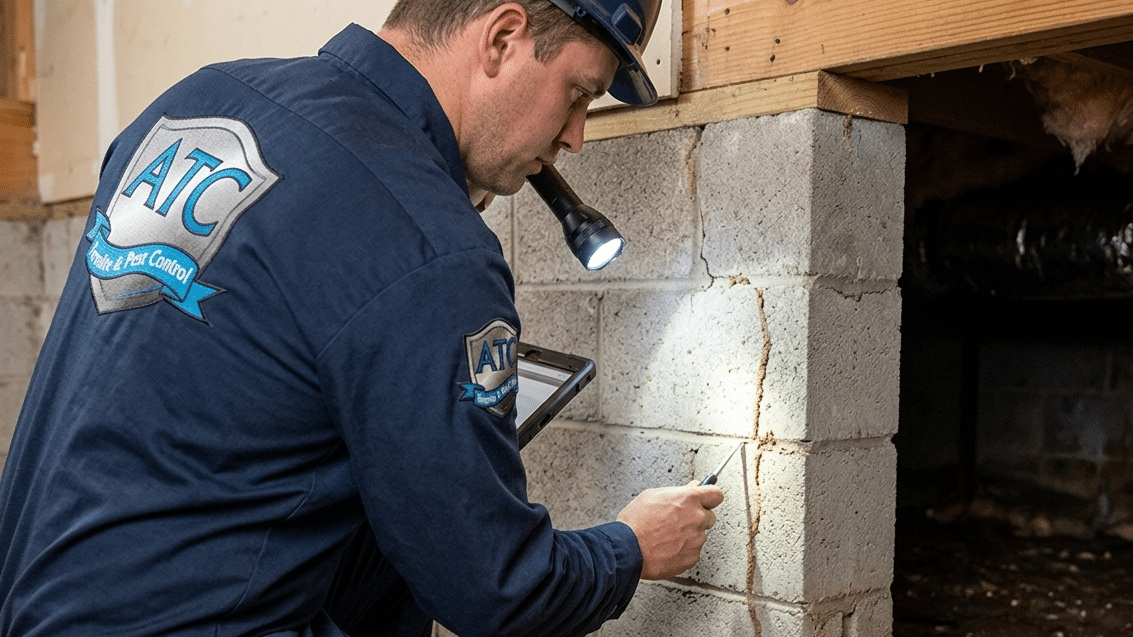
A good inspection takes time. The technician should check both the interior and exterior of the home, explain every finding, and walk you through the treatment plan before any work begins. If someone offers a quote without stepping inside your home, that is worth questioning.
The warranty matters just as much as the treatment itself. At minimum, it should include full retreatment at no additional cost if termites return within the coverage period.
Ask whether it covers the entire structure or only the treated areas, and ask whether using store bought pest products could void your coverage.
According to resources from the National Pesticide Information Center, understanding the specific products and methods involved in your treatment helps you make informed decisions and hold your provider accountable.
Catch It Early, Pay Less Later
Termites work quietly. Most homeowners discover them during a renovation, a real estate transaction, or when visible damage finally surfaces. A few warning signs worth knowing: mud tubes along the foundation, soft or hollow sounding wood around baseboards and door frames, small piles of frass (fine wood shavings) near wooden structures, and swarmers near windows in spring or early summer.
Catching activity early is the single best way to keep treatment costs manageable. Slow, steady structural wear is one of the most common reasons homes start falling apart over time, and termites are a major contributor to that pattern. If your home has older wood framing or sits in a region with known termite activity, a yearly inspection is a smart investment.
An Investment That Protects Everything Else
If you are putting money into your home through renovations, new flooring, fresh paint, or landscaping, termite protection is the kind of investment that guards all of it.
National averages for termite damage repair range from $3,000 to over $8,000, and severe structural cases run much higher. The cost of termite treatment is almost always a fraction of what the damage itself would cost to fix.
For example, ATC Pest Control offers pest control in PA with a focus on liquid treatments backed by a full warranty and required annual inspections, giving homeowners long term confidence rather than a one time treatment and a handshake.
Whether you are dealing with an active problem or thinking about prevention, the most important step is getting a proper inspection from a licensed provider who will walk you through the findings honestly.
Ask the right questions, compare quotes carefully, and choose a provider who treats the investment the same way you do.