A good garage door for under $1,000 is possible, especially if you choose a basic, single-layer steel model. However, that budget can be harder to stick to once you factor in installation, an opener and other expenses. Here’s what you can expect at this price point, which features may cost extra and how to keep your garage door replacement within budget.
Key Takeaways:
- A basic, single-layer steel garage door can cost under $1,000, but installation and additional hardware may increase the total.
- Insulation, decorative details and premium materials can raise the price, so prioritize the features you need.
- Compare itemized quotes, check permit requirements and budget for a separate opener to avoid unexpected costs.
What Kind of Garage Door Can You Get for $1,000?
Your best chance of staying under $1,000 is a standard, single-layer steel garage door with a simple design. These models use less material and have fewer added features, which helps keep the purchase price down.
According to LiftMaster® in partnership with Clopay® “When you buy a new garage door, an opener isn’t automatically included, so it’s important to consider your options.” LiftMaster, a member of the Door and Access Systems Manufacturers Association (DASMA), makes residential and commercial garage door openers and Clopay, which has made garage doors since 1964, is North America’s largest garage door manufacturer. These experts recommend you keep this in mind as you compare prices, since the door and opener may be separate purchases.
Manufacturer price guides show how those ranges break down. For a standard 8-by-7-foot solid garage door, LiftMaster and Clopay estimate that an uninsulated model costs between $750 and $1,500. Insulated versions generally range from $900 to $2,000, while three-layer steel doors can cost $1,000 to $2,500 or more. Wood, aluminum and specialty designs can reach $5,000 or higher.
These are broad estimates for the door only, not guaranteed prices for a particular model. Ask for an itemized local quote so you can see how much goes toward the door, labor, hardware and removal of your old one.
What Features Do You Sacrifice With a Cheaper Garage Door?
A lower-priced door usually comes with simpler construction and fewer design choices. You may have to narrow your preferences for insulation, decorative details and materials. The following features can help you decide which compromises make sense for your home.
Insulation and Layer Construction
A single-layer steel door has one sheet of steel and no insulation. Two-layer doors add insulation and an interior backing, while three-layer models sandwich insulation between two steel sheets. Each additional layer adds material and generally increases the price.
Insulation can help keep garage temperatures more stable and reduce noise. This can be useful when your garage shares a wall with your home or doubles as a workspace. ENERGY STAR explains that the R-Value is a rating “of insulation’s ability to resist heat traveling through it. The higher the R-Value the better the thermal performance of the insulation.”
The price difference can be significant. The online platform and contract marketplace Angi’s 2026 cost guides estimates that insulated garage doors cost $1,100 to $4,200. The added expense may be worthwhile if temperature control and noise reduction are priorities. “[The price] is more than standard garage doors, but they save energy and help lower utility bills,” the marketplace notes.
Design Options and Decorative Details
Budget doors tend to have standard raised panels and basic finishes. Windows, decorative handles, specialty panel patterns and wood-look finishes can all add to the price. Choosing a standard color and panel design is one way to keep your costs down.
You can compare these details across collections to see which ones fit your home’s exterior. For example, Clopay’s Classic™ Steel is a practical garage door design with steel construction. The Grand Harbor® is carriage-house style with decorative finishes available. If keeping costs down is your priority, a simpler design like the steel doors may be a better fit, while carriage-style doors may give you more styling options.
Materials and Construction Quality
The material and construction of your garage door affect its upfront price, durability and maintenance costs. Steel is often a budget-friendly option, while aluminum, wood and other materials can come with different price points and upkeep requirements. This Old House says, “The material of your garage door plays a significant role in its performance, durability, and maintenance needs.”
Compare the material, thickness, protective finish and warranty when reviewing your options. These details help you understand what you’re paying for and how much care your door may need over time.
How Much Should You Budget for a Garage Door Opener?
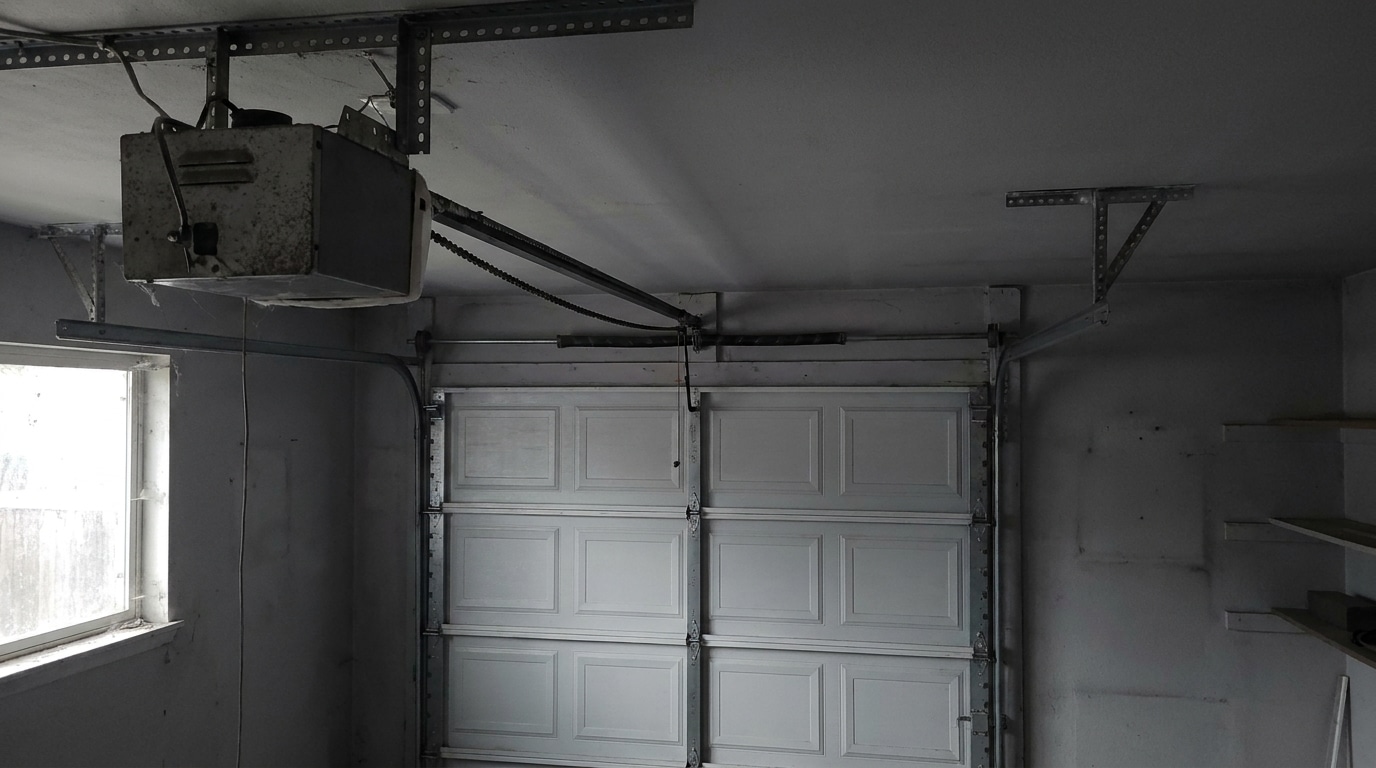
Your garage door opener may be a separate purchase, so include it in your budget from the beginning. The right model depends partly on the door’s weight and construction, as well as where the garage is in your home.
The classic option is chain-drive garage door openers. “Thanks to their durable build, chain drive garage door openers can easily handle heavy or oversized garage doors. The main drawback is noise—these openers tend to rattle and hum, especially during operation,” LiftMaster notes. Other options include belt-drive, screw-drive and wall-mount garage door openers.
Smart features can add convenience, too. LiftMaster lists chain-drive models with built-in myQ® connectivity, which its product descriptions say lets owners “control, secure and monitor the garage” from an app. Some models also include battery backup, so you can get in and out when the power is down. Integrated LED lighting is another feature, with some systems designed to brighten high traffic areas of the garage.
These features may be useful, but they can push your total spending above $1,000. Compare the opener’s capabilities with how you use your garage before paying for extras.If your current opener predates 1993, check it too: the Consumer Product Safety Commission requires openers made since then to include an external entrapment protection device, such as photo eyes.
How Can You Keep Your Garage Door Costs Within Budget?
A little planning can help you avoid unexpected expenses. Before choosing a door, ask for an itemized quote that separates the door itself from installation, hardware, opener and removal costs. This makes it easier to compare estimates from different installers.
You should also check local permit requirements. For example, Orange County, Florida, has a specific permit application for residential overhead garage door replacements. Requirements vary by location, so confirm the rules with your local building department before scheduling the work. A few other steps can help you manage the project, including:
- Measure carefully: Confirm the opening’s width and height, as well as the available headroom and side clearance. Incorrect measurements can lead to additional costs.
- Compare complete quotes: Check that each estimate covers the same work, including installation and removal of the old door.
- Prioritize essential features: Decide whether insulation, windows or smart opener functions are worth the added expense.
- Ask about available configurations: A standard size and simpler design may cost less than a custom door.
- Leave room for unexpected work: Older hardware or changes to the opening may add to the installation cost.
Frequently Asked Questions
If you’re still curious about finding a garage door on a budget, the following questions may help you out.
Can You Get a Good Garage Door for Under $1,000?
Yes. A standard, uninsulated steel door may fall within this budget, although installation and additional hardware can raise the total.
What Is a Reasonable Price to Pay for a New Garage Door?
According to Clopay, a standard uninsulated door may cost $750 to $1,500. Insulation, installation, additional layers, materials and design features can raise the price.
Are There Good-Quality but Inexpensive Garage Doors?
Yes, many good-quality garage doors are relatively affordable. Compare the door’s material, construction, finish and warranty to check that its specifications suit your home and expected use.
The Final Lift: Making Your Garage Door Budget Work
You can get a good basic garage door for under $1,000. Your total project cost depends on installation, the opener and any additional work your garage needs. Compare itemized quotes and prioritize the features that will make a practical difference to your home.