Painting brick is a lot like getting a tattoo. It’s quick, it looks great on day one, and getting rid of it later costs a lot, makes a mess, and never comes out quite perfect.
I’m Alex. I run a small masonry company in Utah, and I’ve been working with brick for about 10 years, mostly fixing it. A lot of my calls start the same way: “We painted our brick a couple of years ago and now it’s peeling. What happened?”
Painted brick can look great, and I’m not going to talk you out of it. I just want you to know a few things before you pick up a roller, so you don’t end up paying to fix the same wall twice.
Brick Isn’t a Wall, It’s a Sponge
Brick looks solid, but it’s full of tiny holes, like a very hard sponge. When it rains, the brick soaks up a little water. Then the sun comes out and the water slowly dries out of it. That back and forth is normal, and it’s a big reason a brick wall can last a hundred years.
The problem is that most paint doesn’t let water out. It sits on top like a plastic raincoat. Water still gets in from the rain, from the ground, or from a gutter that’s been dripping since 2019. But now it’s stuck behind the paint with nowhere to go.
When Painted Brick Goes Wrong
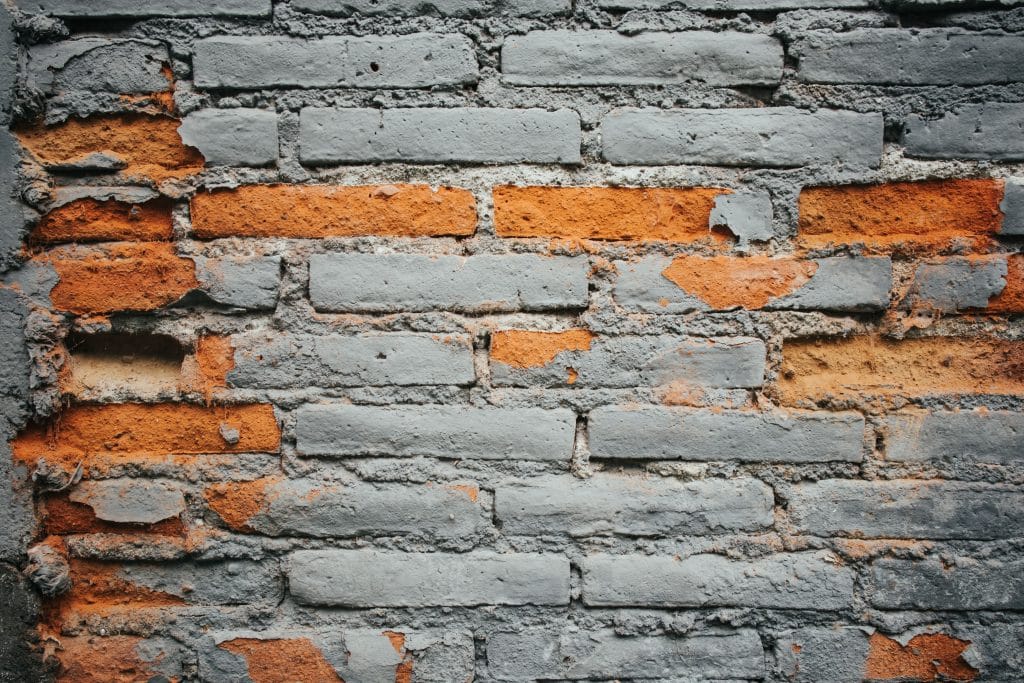
When water gets stuck behind paint, it pushes outward. First you get bubbles. Then the paint peels and flakes. Sometimes a thin layer of the brick itself comes off with it, and you’re left with a rough, pitted spot.
Winter makes it worse. Water inside the brick freezes, and ice takes up more room than water, so it pushes the surface off a little more every winter. Think of it as a tiny crowbar in every hole.
We had a job a while back where the homeowners had painted the whole front of their house. By the second winter the paint was bubbling along one corner and the bricks underneath were flaking.
The cause was simple: the downspout was dumping water right at the base of that wall. We fixed the downspout, scraped off the bad paint, replaced the crumbling mortar between the bricks, let the wall dry out for a few weeks, and then repainted.
It would have been a lot cheaper to fix the downspout first.
The other problem is that paint on brick is basically permanent. Getting it off takes chemical strippers or blasting and a lot of scrubbing, and the brick usually looks worse afterward. Brick doesn’t come with an undo button. You’ll also be touching it up every few years, so “paint it and forget it” isn’t really a thing.
Try the Water Test First
Before you buy any paint, flick some water on the brick. If it darkens and soaks in within a few minutes, that’s normal brick. If the water beads up and rolls off, the brick is very smooth, glazed, or already sealed, and paint will have a hard time sticking to it.
Then paint a test patch somewhere nobody looks, like behind a bush or next to the AC unit. Let it dry completely and look at it in daylight. Plenty of people change their minds after seeing one square foot, and it’s a lot better to find that out on a small patch than on the whole front of the house.
Prep Matters More Than the Paint
Most peeling paint isn’t really a paint problem. It’s a prep problem. Here’s the order I’d do things in:
- Fix the damage first. Paint doesn’t hide crumbling mortar (the stuff between the bricks) or cracked bricks. It just covers them while water keeps getting in behind it. If you’re not up for replacing old mortar and swapping out bad bricks yourself, this is the step to hire out to a local masonry contractor before any paint goes on.
- Find where the water is coming from. Gutters that overflow, a roof leak, the metal strip (called flashing) where the roof meets the chimney, a sprinkler hitting the wall, dirt piled up against the brick. A leaking roof edge will keep soaking the wall under it, so have a roofing company fix that first. If the water keeps coming, the paint will fail no matter how good it is.
- Clean it gently. A stiff brush, a little dish soap and water will handle most dirt and mildew. Skip the pressure washer. Too much pressure can blast the face off the brick and push water deeper into the wall.
- Brush off the white powder. If you see a white, chalky powder on the brick, that’s salt the water carried out from inside the wall. It’s called efflorescence. Brush it off dry. If it keeps coming back, you still have a water problem to fix first.
- Let it dry. Give the wall several dry days after cleaning. Paint when it’s above about 50 degrees and no rain is coming.
Here’s one we see a lot. Someone paints their brick steps and porch wall, and the paint hides some loose mortar. After the first winter the mortar starts falling out in chunks and the paint cracks along every joint. We get called to fix it. We grind out the bad mortar, fill the joints again, and repaint the whole thing. Doing that before the paint would have been the easy way.
Paint, Limewash or Stain?
These three get lumped together, but they act very differently on brick.
- Paint. Any color you want, and it covers everything. But it sits on top of the brick, so water can get trapped behind it. If you go this way, use a primer and paint made for masonry (it should say so on the can), not whatever is left in the garage. Expect some touch-ups over the years.
- Limewash. A thin, chalky wash made from lime. It soaks into the brick instead of sitting on top, so the wall can still dry out. It has a soft, old-world look, and it fades a little unevenly, which is part of the charm. When it wears off, it fades instead of peeling.
- Mineral stain. The color soaks into the brick, you can still see the brick texture, and the wall keeps drying out normally. You get fewer color choices, but it’s the most forgiving of the three.
For an outside wall where winters freeze, my pick would be stain or limewash first and paint last.
A Word About Fireplaces
An indoor brick fireplace is the easiest paint job on this list. There’s no rain and no freezing, so water is mostly not a problem.
A few things still matter. Clean the soot off first. Soot is stubborn and will show through fresh white paint like an uninvited houseguest. Use a primer that blocks stains.
And don’t use regular paint inside the firebox, where the fire burns. If you want that part painted, use a paint made for high heat. If you notice white powder or damp spots inside, have the chimney checked before you paint anything.
One homeowner painted their fireplace bright white with regular wall paint in October. By the first cold snap, the area right above the opening had turned yellow and started to bubble where the heat hit it. We cleaned it, put on a stain-blocking primer and high-heat paint where it needed it, and it’s been fine since.
When to Call a Pro
Some things aren’t paint problems, and no amount of paint will fix them. Call a mason if you see:
- Brick that’s crumbling, sandy, or flaking off in layers
- Cracks that zigzag through the mortar like a staircase, or a wall that leans or bulges
- White powder that keeps coming back after you clean it
- Loose bricks near the top of a chimney, on steps, or by a railing
- Hard, modern mortar between very old, soft bricks. It can slowly crack the bricks next to it.
A good mason can usually tell in about ten minutes whether paint is a smart move or just a bandage. Most of what I do is replacing worn-out mortar, swapping a few bad bricks, and fixing whatever is letting water in, so the wall lasts. Paint can always come after.
The Bottom Line
If your brick is in good shape, the wall stays dry, and you’ve tried a test patch and still love it, go ahead and paint. Just do the prep, use the right product, and know that it’s a long-term commitment. If you’re not sure, limewash or a mineral stain gives you a fresh look without trapping water in the wall.
Your brick has been standing there for decades without complaining. Give it a little respect before you hand it a paintbrush.