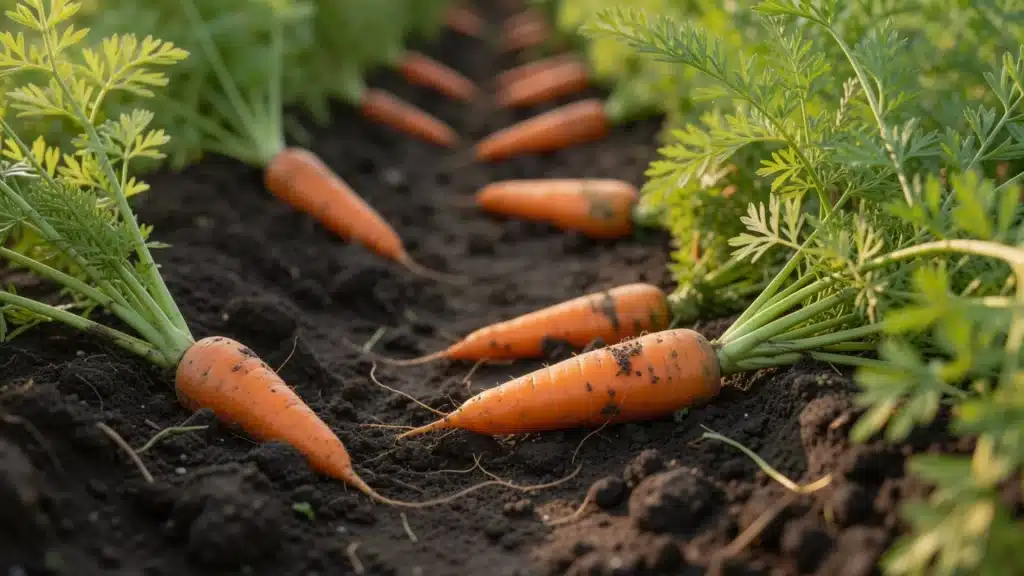
A single carrot plant can’t do much on its own. But pair it with the right neighbor, and it thrives.
That’s the idea behind companion plants for carrots, and once you try it, you won’t go back to growing them alone.
This blog will help you to know which plants work best and why they make such a big difference in your garden.
Benefits of Companion Planting for Carrots
Growing carrots with the right plants nearby does more than you might think.
- Keeps pests away: Some plants emit a strong scent that confuses or drives away insects that love to feed on carrots. Fewer pests, no chemicals needed.
- Improves the soil: Certain plants naturally pull nutrients into the soil. Your carrots get more of what they need to grow strong.
- Attracts helpful insects: Some companion plants attract bees and other beneficial bugs. This helps with pollination across your whole garden.
- Saves space: When you plan your beds well, you grow more in the same area. Less space, more food on your plate.
- Reduces weeds: Ground-covering companion plants block sunlight from reaching the soil. This naturally slows weed growth around your carrots.
Companion Plants for Carrots
Below are the best companion plants for carrots that you can start using in your garden today.
1. Rosemary
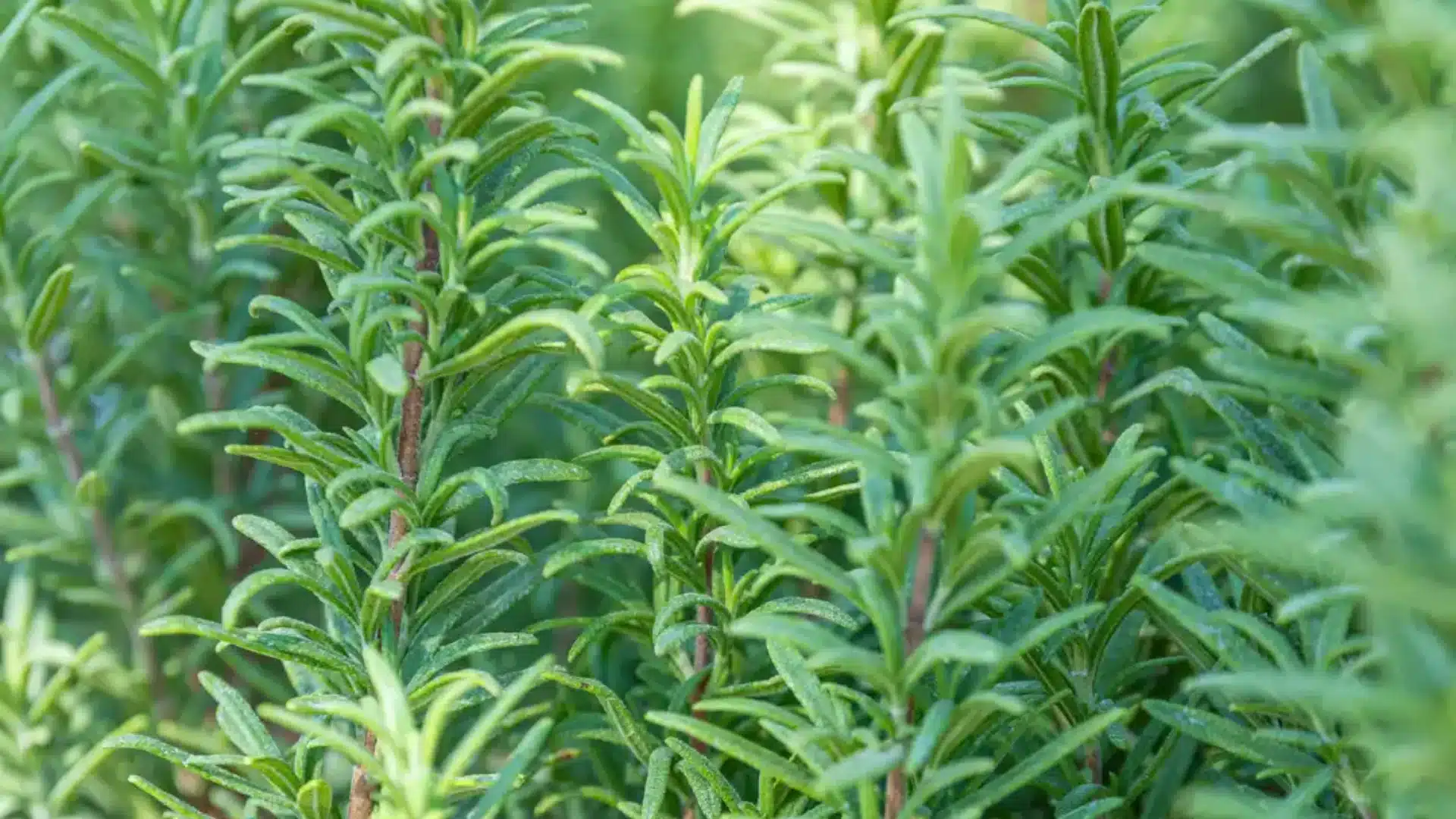
Rosemary plant is one of the best neighbors your carrots can have. Its strong scent confuses carrot flies and keeps them away from your crop.
It also needs very little water, so it won’t compete much with your carrots. Plant it along the edges of your carrot bed for the best results.
2. Chives
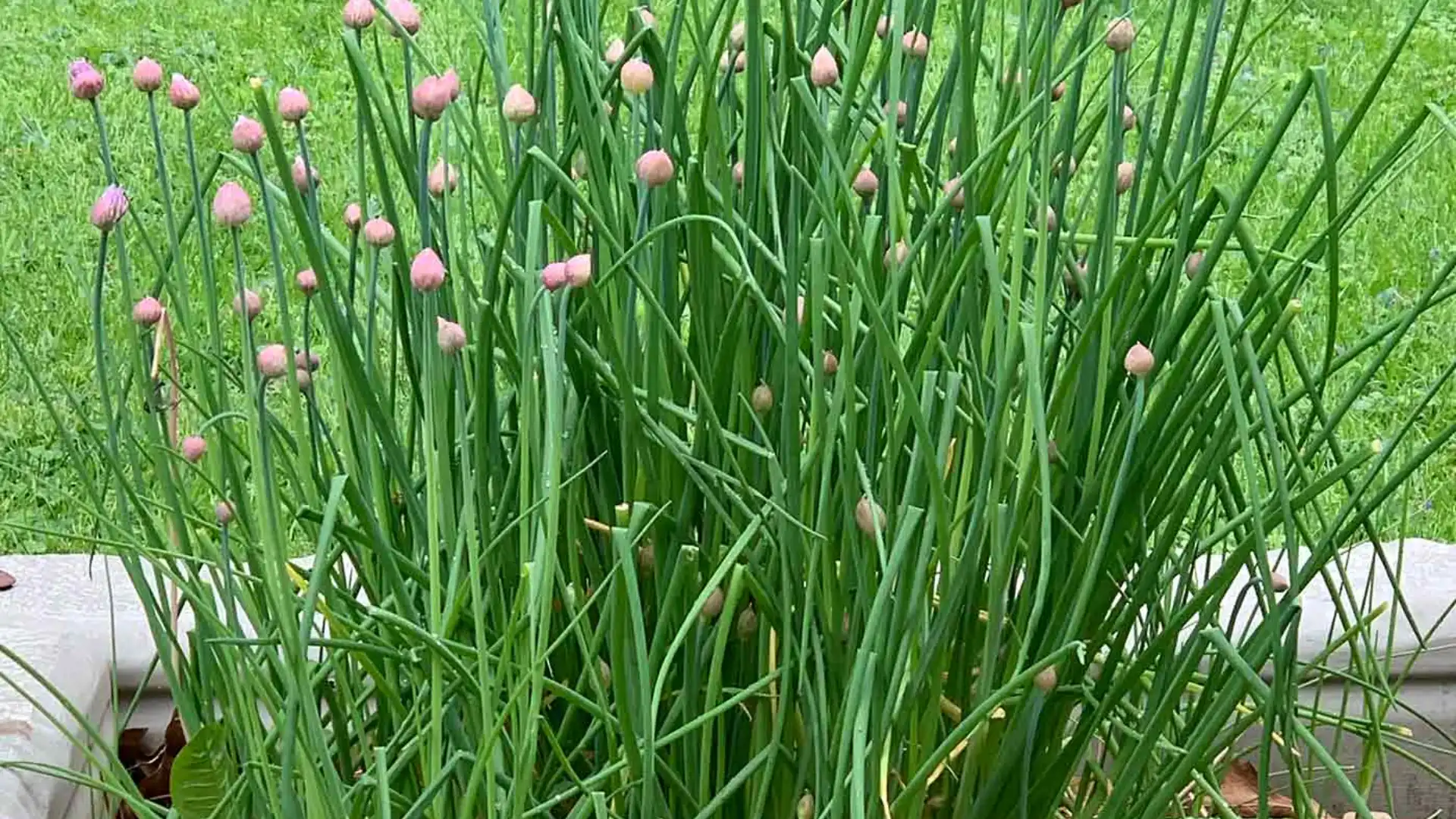
Chives plants are small but mighty. Their sharp smell drives away aphids and carrot flies.
They also grow quickly and don’t take up much space. It is suggested to plant chives between your carrot rows for steady protection all season long.
3. Leeks
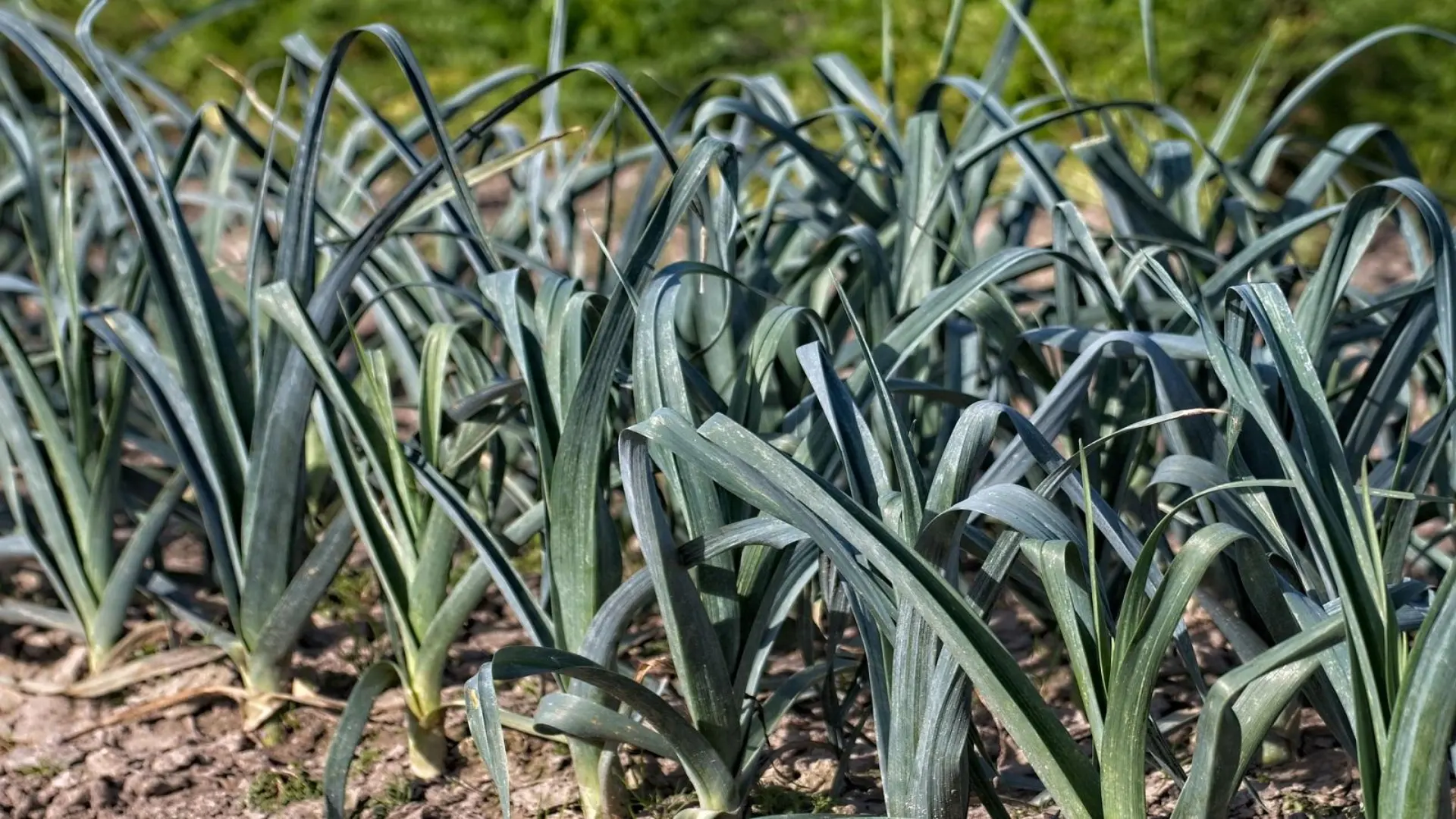
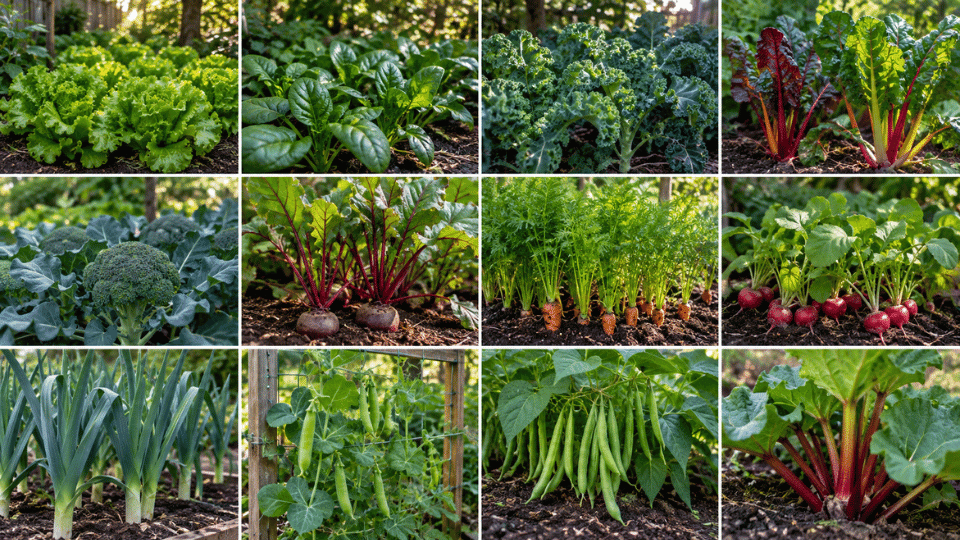
Leeks and carrots are a classic pair in the garden.
Leeks repel carrot flies, while carrots help keep leek moths away. They protect each other naturally. Plant them side by side and let them work together.
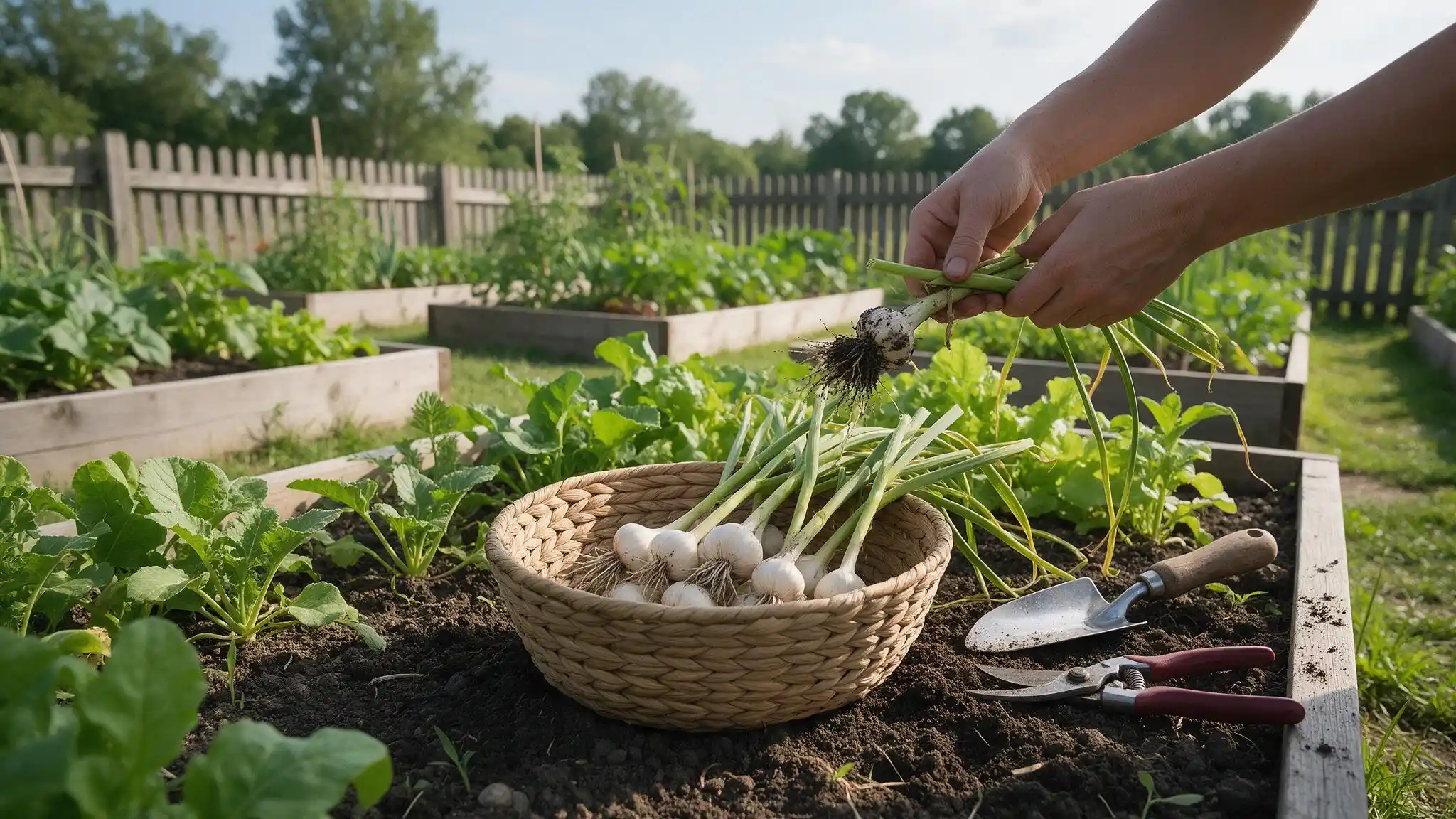
4. Onions

The onions give off a strong smell that most carrot pests simply can’t stand. They are easy to grow and fit well in almost any garden layout.
Planting onions near your carrots creates a natural barrier that keeps trouble away.
5. Sage

Sage is a tough, low-maintenance herb that does a great job of keeping carrot flies at bay.
Its woody scent acts as a natural shield for your carrot bed. It also attracts pollinators, which is always a good thing for your garden.
6. Lettuce
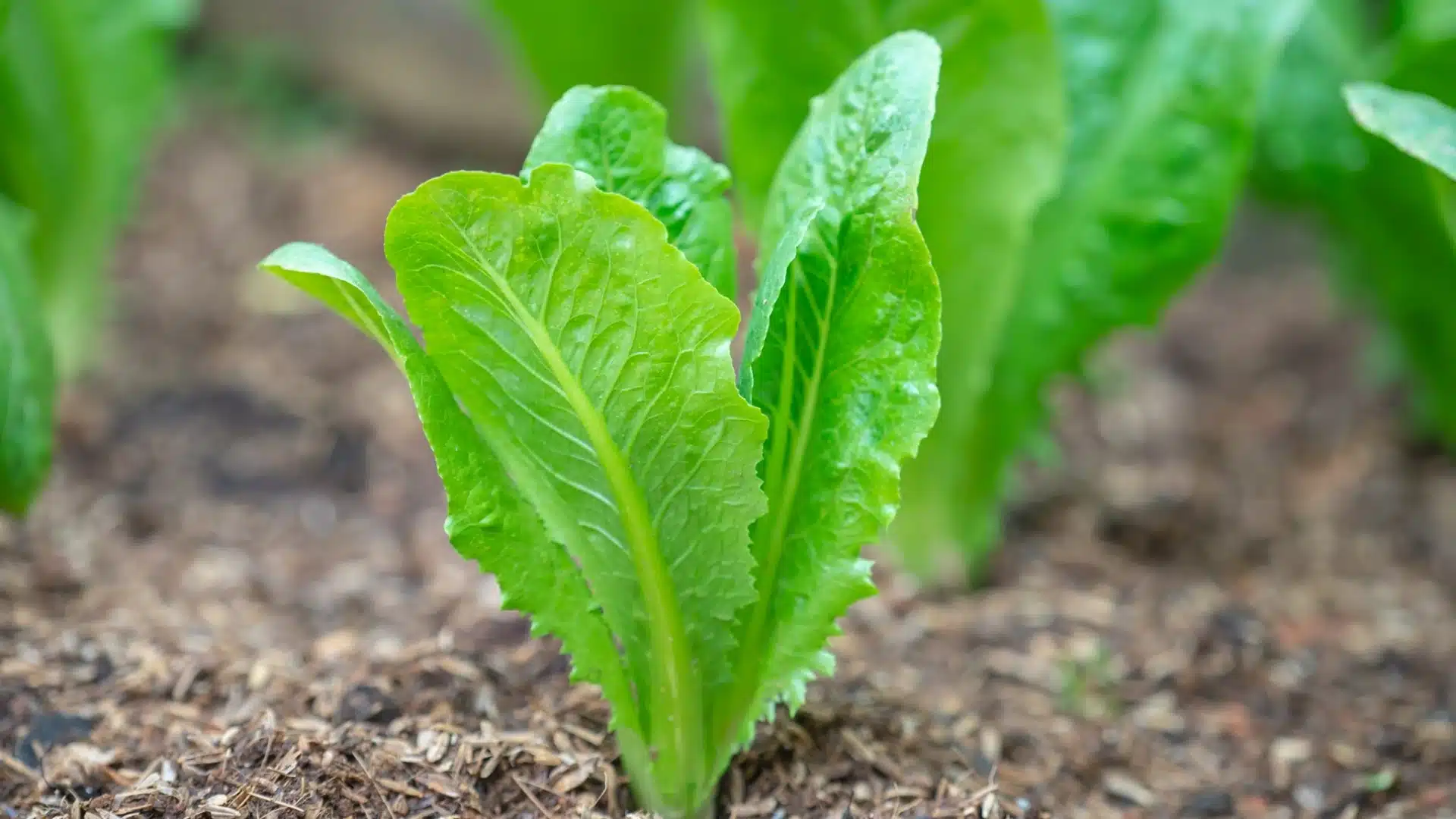
Lettuce grows low and fast. It covers the soil between your carrot plants, which helps keep weeds down and moisture in.
It also doesn’t compete with carrots for nutrients, making it a very easy and practical companion.
7. Radishes
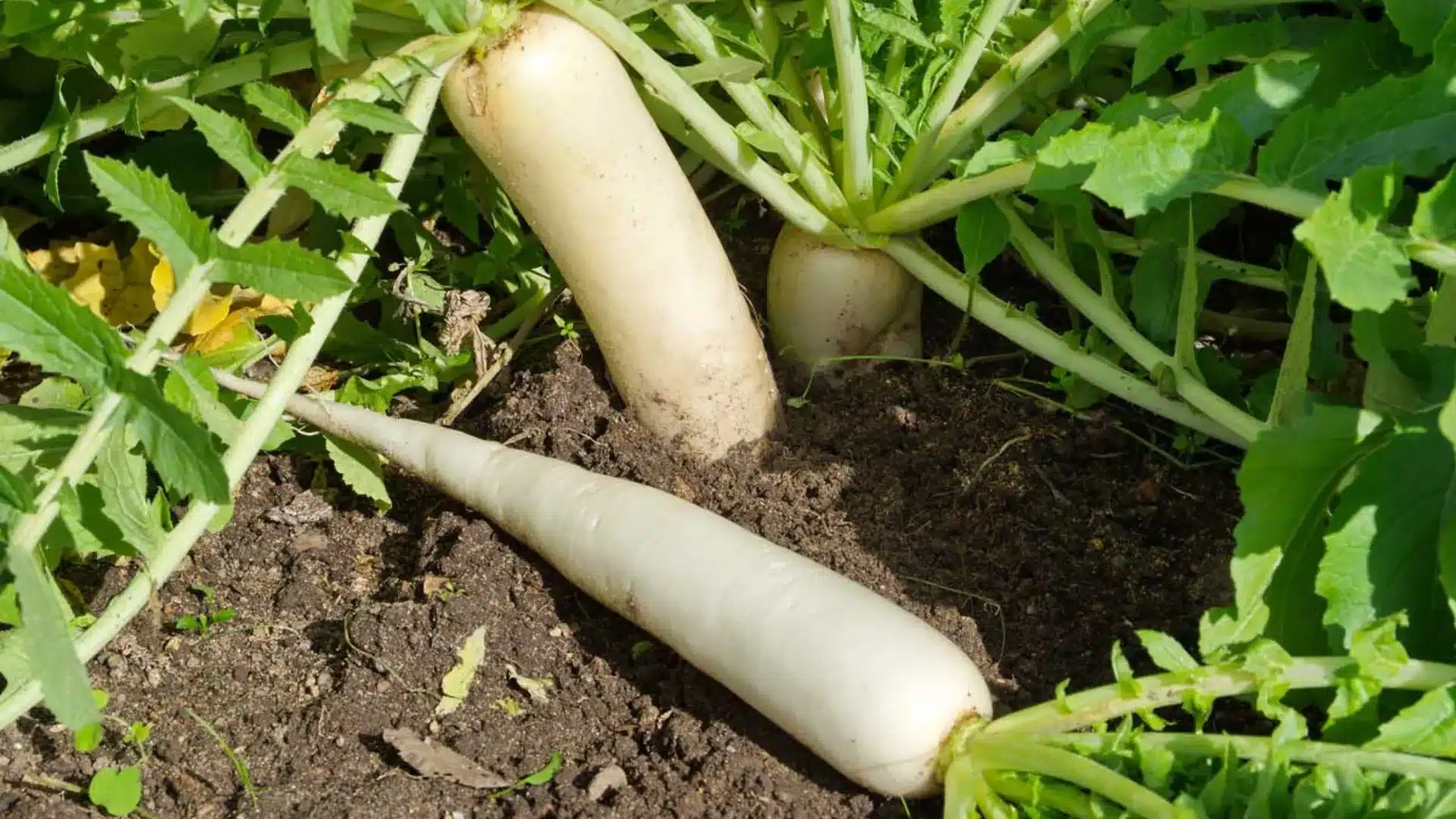
Radishes are one of the most useful companion plants for carrots.
They grow fast and loosen the soil as they develop. This makes it easier for your carrots to push down and grow straight. Plant radishes first, and your carrots will thank you for it.
8. Tomatoes
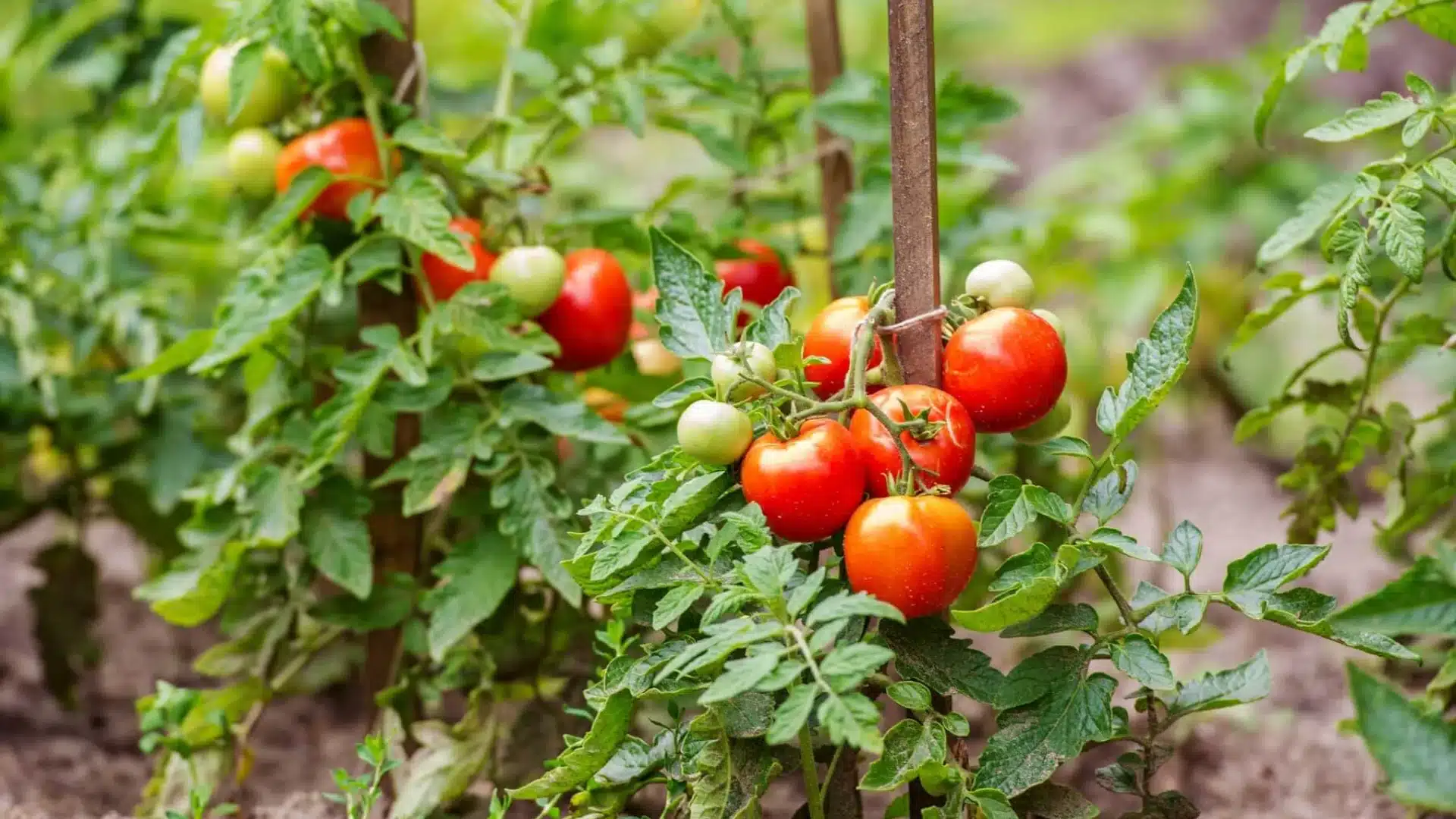
Tomatoes release a natural chemical called tomatine (not solanine, which is found in potatoes). This helps repel insects that target carrots.
In return, carrots help break up the soil around tomato roots with their deep roots. It’s a good trade for both plants.
9. Marigolds

Marigolds are a gardener’s best friend. Their bright flowers attract helpful insects, and their roots release a substance that keeps harmful nematodes away from your carrots.
Plant them around the border of your carrot bed for the best effect.
10. Nasturtiums
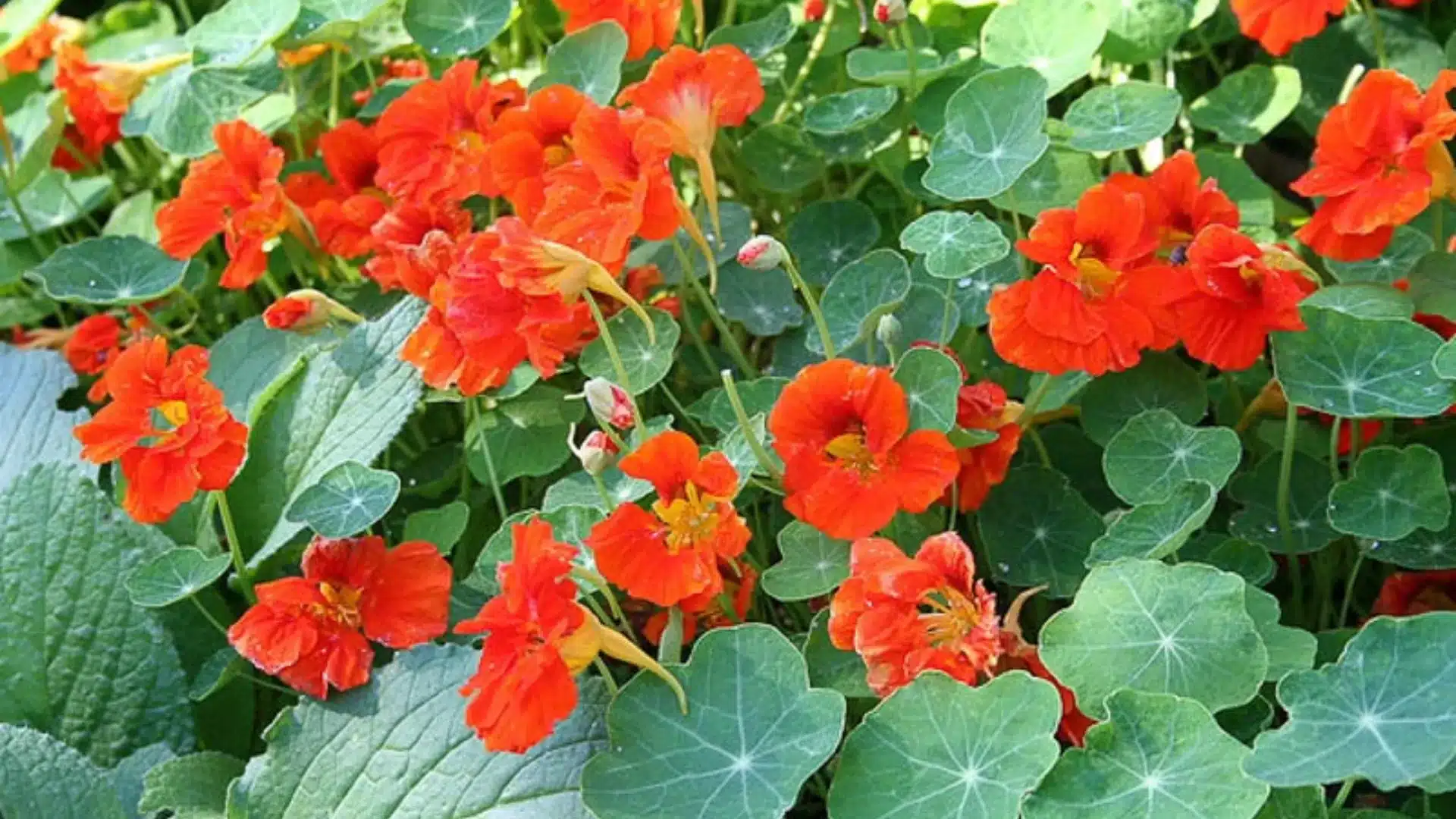
Nasturtiums act as a trap crop. Aphids and other pests go to the nasturtiums first, leaving your carrots alone.
They are also very easy to grow and add a nice splash of color to your garden.
11. Flax
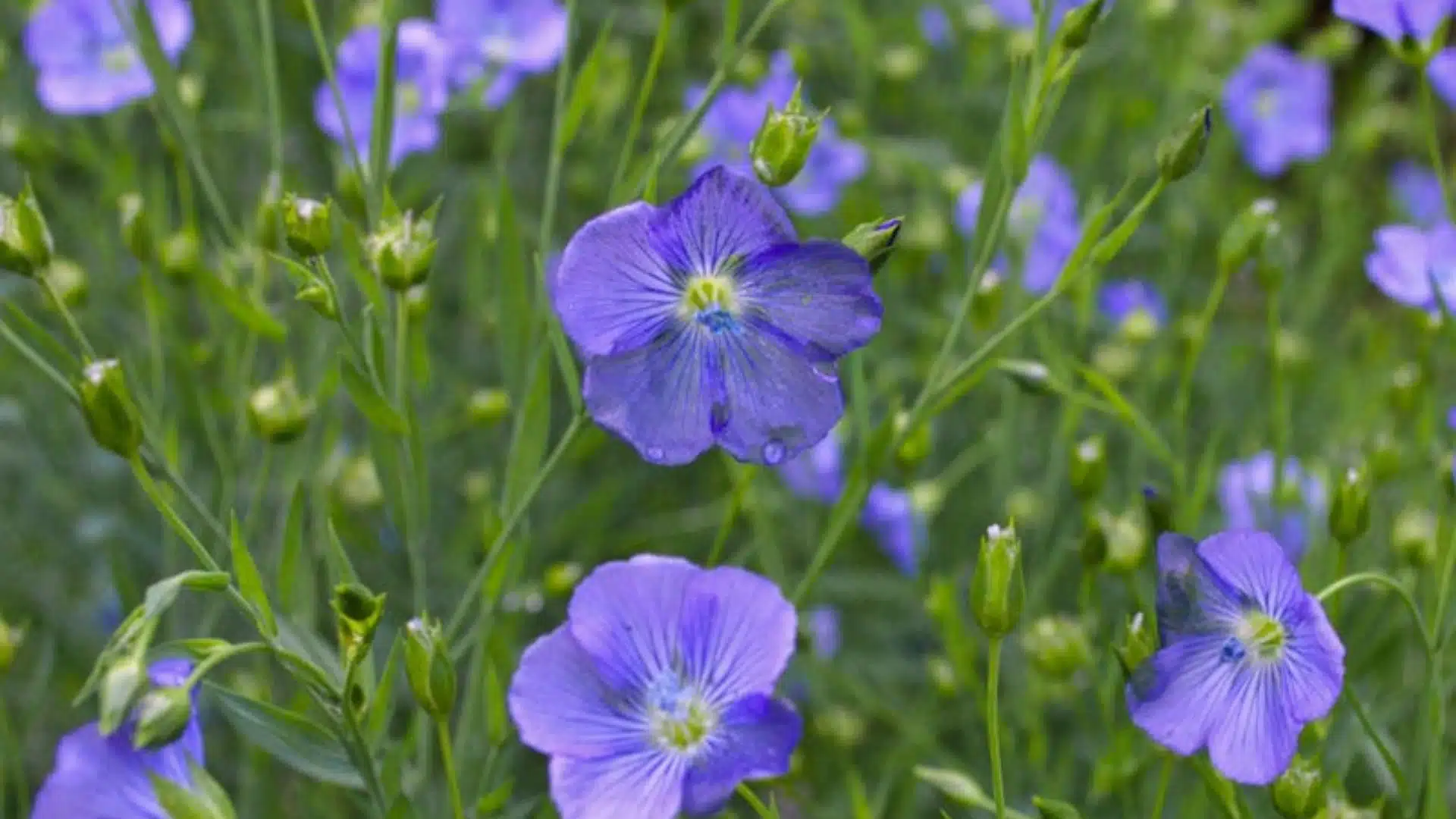
Flax is a less common choice, but a smart one. It repels carrot flies and some beetles that can damage your crop.
It grows tall and slender, so it won’t shade your carrots too much. A few flax plants scattered around your bed can make a real difference.
When to Plant Companion Plants With Your Carrots?
Timing matters just as much as choosing the right plants. Plant too early or too late and you won’t see the results you’re hoping for.
Below are simple tips to follow.
Week 1: Sow Your Carrots
Carrots are slow starters. They can take up to 3 weeks to germinate. Always get them in the ground first before anything else.
Make sure the soil is loose and free of stones. This gives your carrots the best chance of growing straight and strong.
Week 2: Add Radishes and Lettuce
Radishes and lettuce are fast growers. You can sow them just a few days after your carrots go in.
Radishes help loosen the soil as they grow, which makes more room for your carrot roots. Lettuce covers the ground and keeps weeds from taking over early on.
Week 3 to 4: Plant Your Herbs
Carrot flies become active in late spring. So this is the time to get your herbs in the ground. Plant rosemary, chives, and sage around your carrot bed.
Give them a couple of weeks to grow strong before the pests arrive. The stronger they are, the better they protect your carrots.
Week 5 to 6: Bring in the Flowers
By now, your carrots should be a few centimeters tall. This is the right time to add marigolds and nasturtiums around the bed.
They attract helpful insects and draw pests away from your carrots. Plus, they make your garden look great while doing a real job.
Don’t rush any of these steps. Each plant has its own role to play. Give them the right window, and your carrot bed will take care of itself all season long.
Time to Put This Into Practice
Companion planting is one of the simplest things you can do for your carrot crop.
The right plants nearby keep pests away, improve your soil, and help your carrots grow the way they should.
The bestcompanion plants for carrots are already easy to find and simple to grow. You don’t need a big garden or special equipment. You need the right neighbors.
Give it a try this season. Your carrots will show you the difference.
Frequently Asked Questions (FAQs)
1. What Should Not Be Planted with Carrots?
Avoid planting dill, fennel, and parsnips near carrots. They either stunt growth or attract the same pests, causing more harm than good.
2. Do Coffee Grounds Help Carrots Grow?
Yes, coffee grounds can help carrots grow. They loosen the soil and add nutrients that carrots need. But use them in small amounts.
3. Do Carrots Need Full Sun to Grow?
Yes, carrots grow best in full sun. They need at least 6 to 8 hours of direct sunlight each day.