Freshly cut flowers from your own garden just feel uniquely rewarding.
No trip to the store, no plastic wrap, just a handful of blooms you grew yourself and a little thought about how you present them can turn even a simple bunch into something worth gifting.
Starting a cut flower garden may seem confusing at first, especially with so many tips out there, but it is actually much simpler than most people think.
Here is everything you need to get started!
What Makes a Cut Flower Garden Different From a Regular Garden?
A regular flower garden is designed to look good outside. A cut flower garden is designed to be harvested; you grow the flowers specifically to bring indoors for bouquets, vases, or arrangements.
That difference changes how you plan the garden. You prioritize bloom time, stem length, and how well the flower holds up after cutting, not just how it looks on the plant.
The value is practical: a bunch of zinnias or sunflowers from your backyard costs almost nothing once the plants are established, versus $15–$25 for a grocery store bouquet.
Even a few square feet of space is enough to keep a vase full all summer.
Simple Tools You Need to Get Started
You can start with a bare minimum. Here is what actually gets used:
| Tools | Why You Need It |
|---|---|
| Hand Trowel | Useful for digging small holes and planting flowers |
| Gardening Gloves | Protect your hands from dirt, thorns, and rough soil |
| Watering Can | Helps keep your flowers healthy and hydrated |
| Pruning Scissors (Snips or Felcos) | Used for cutting flowers cleanly without damaging the plants |
| Garden Stakes or Supports | Help taller flowers stay upright as they grow |
| Compost or Fertilizer | Provides nutrients for stronger plants and more blooms |
How to Plant Your Cut Flower Garden: Step by Step Process
Once you have chosen your flowers and picked the right spot, the next step is actually planting them. This part may seem difficult at first, but it becomes much easier when you take it one step at a time.
Step 1: Prepare the Soil First
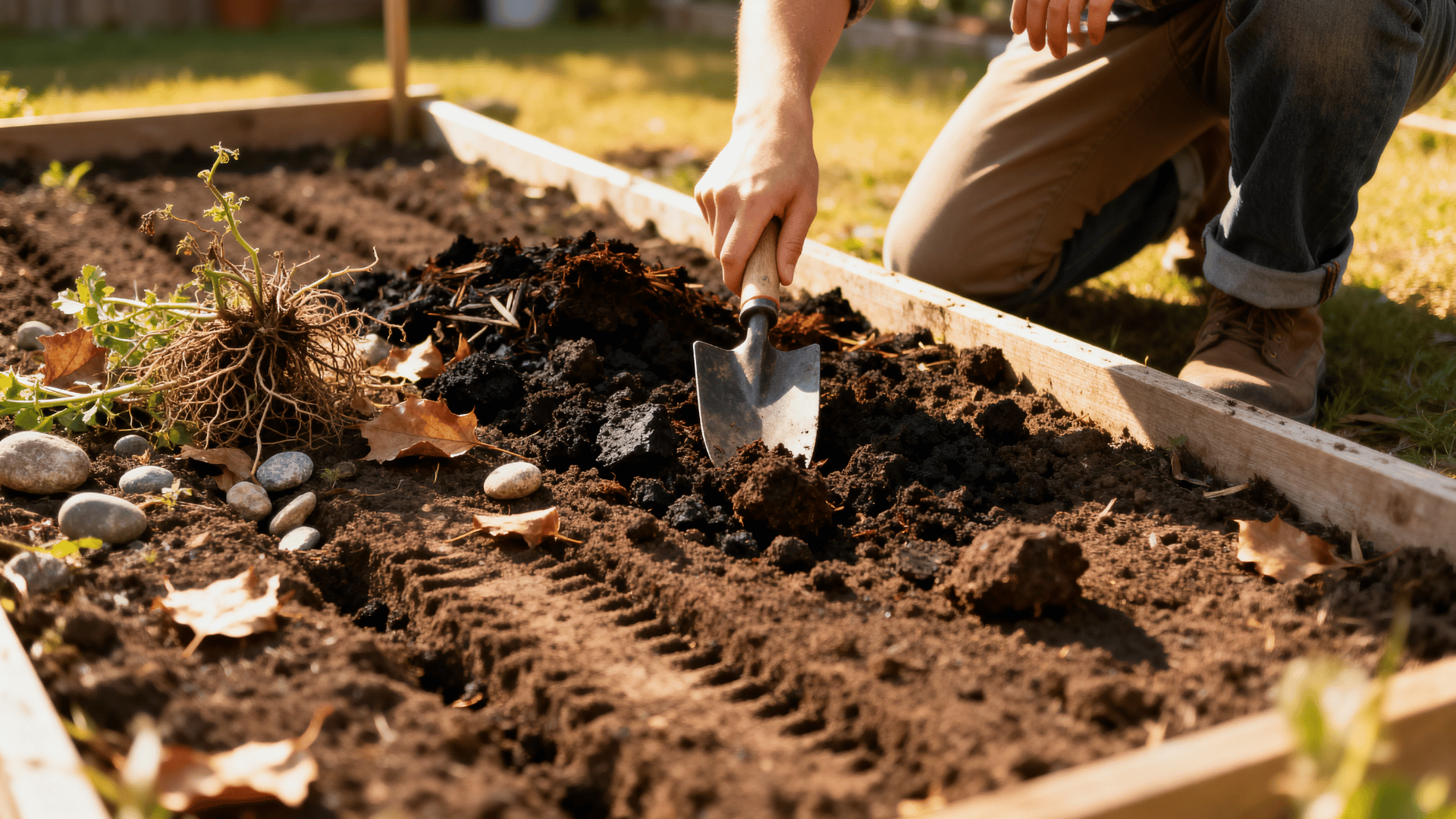
Before planting anything, clear the area properly, remove weeds, stones, dry leaves, and anything else that may prevent the flowers from growing well.
After cleaning the space, loosen the soil using a small garden tool so the roots can spread easily.
Mixing compost or fertilizer into the soil is also a good idea because it gives the plants extra nutrients and helps them grow stronger from the beginning.
A 2–3 inch layer of compost worked into the top 8–10 inches is enough for most beginner flowers
Step 2: Start Planting Your Seeds or Young Plants
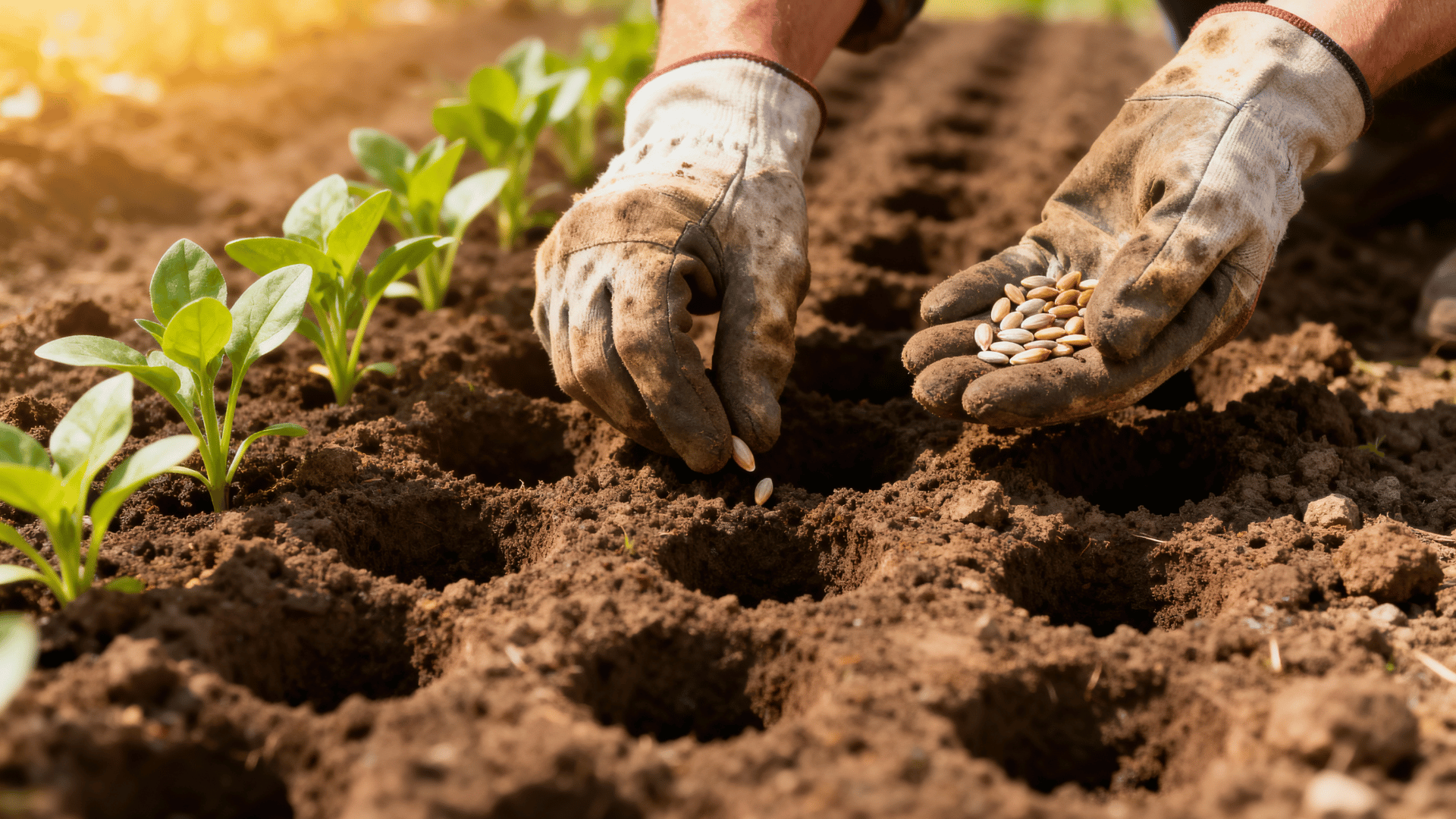
Once the soil is ready, you can begin planting your seeds or young plants.
While using seeds, always follow the instructions on the seed packet, as every flower grows differently. Most flower seeds only need to be planted a little below the soil surface.
If you are using young plants, gently remove them from their containers and place them into small holes in the soil.
Try not to disturb the root ball much; flowers transplant better when the roots stay intact.
Step 3: Give Your Flowers Enough Space
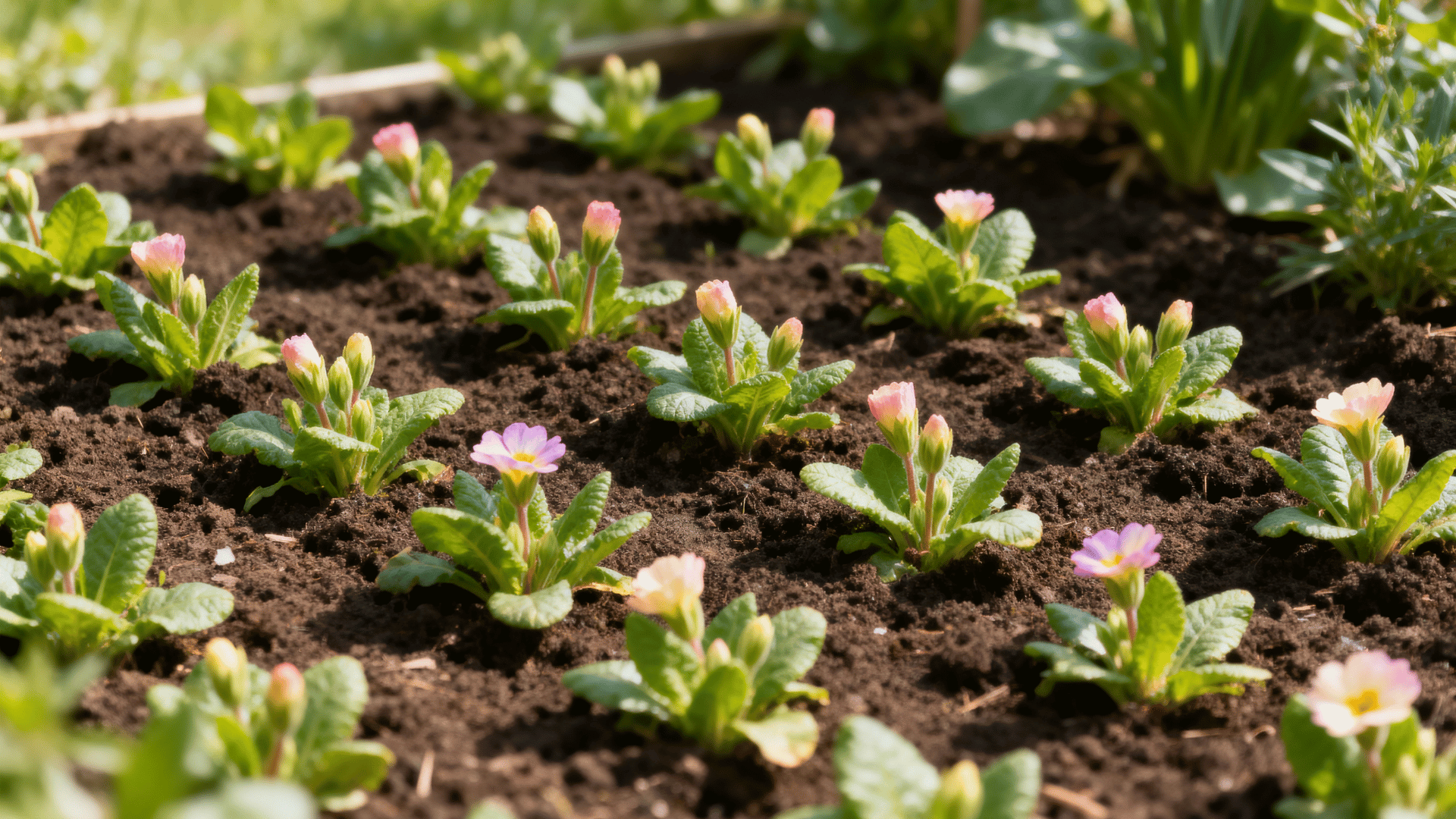
Spacing is very important because overcrowding can make it difficult to grow well. Most beginner-friendly flowers grow best when planted 6 to 12 inches apart, depending on the type.
Proper spacing allows air to move around the plants easily, helping reduce problems such as mold, weak stems, and plant diseases. It also gives each flower enough room to grow healthy roots and produce more blooms.
Dahlias and sunflowers need the larger end of that range, 12 inches minimum. Zinnias and marigolds are fine at 6–9 inches.
Step 4: Water the Plants Gently After Planting
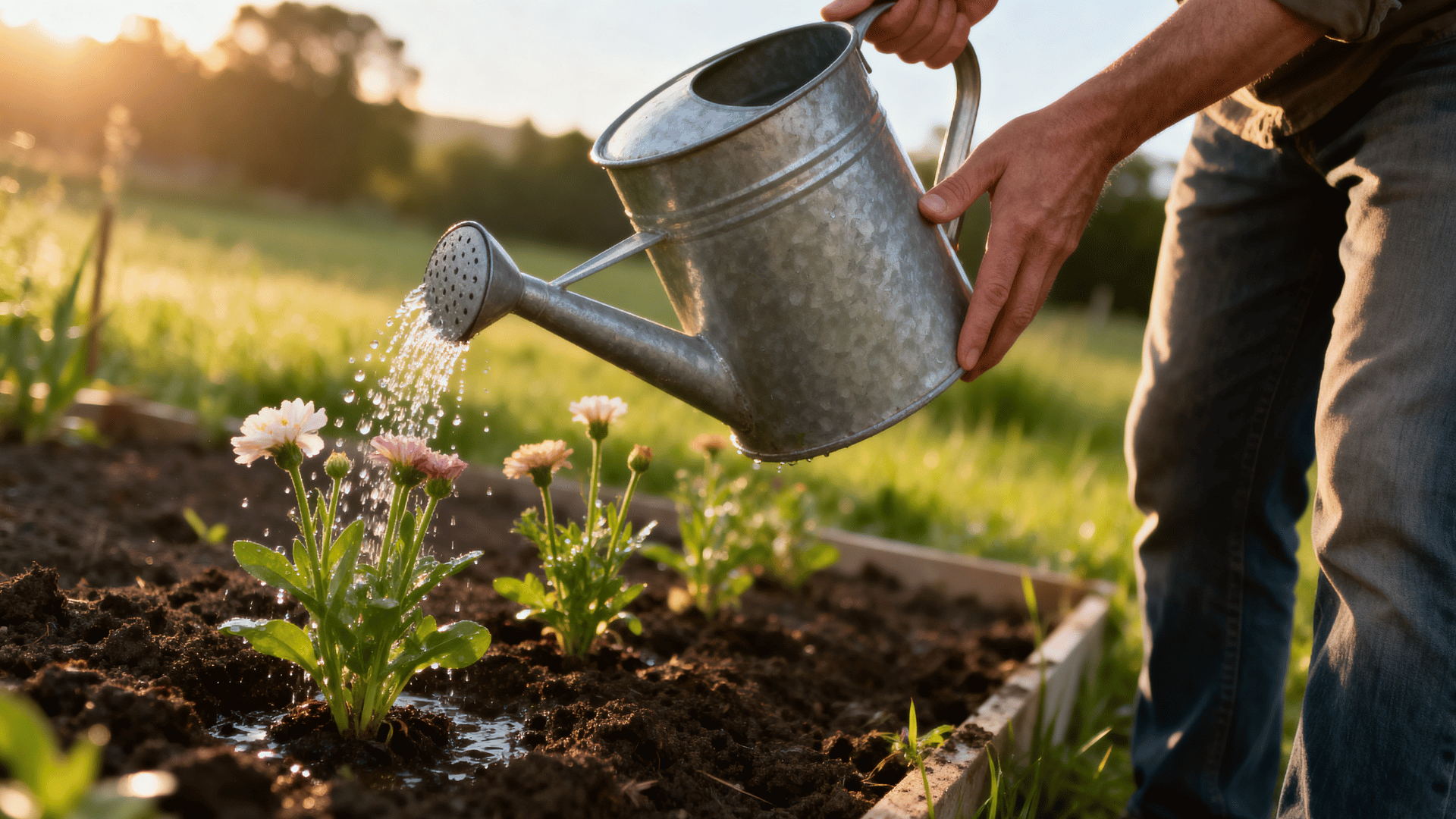
After planting your seeds or flowers, water them gently so the soil settles around the roots properly. In the beginning, flowers need regular watering to grow strong and healthy.
The soil should feel slightly moist, but not too wet, as too much water can damage the roots. Morning watering is best, the leaves dry out before evening, which helps prevent fungal issues.
Best Cut Flowers for Beginners
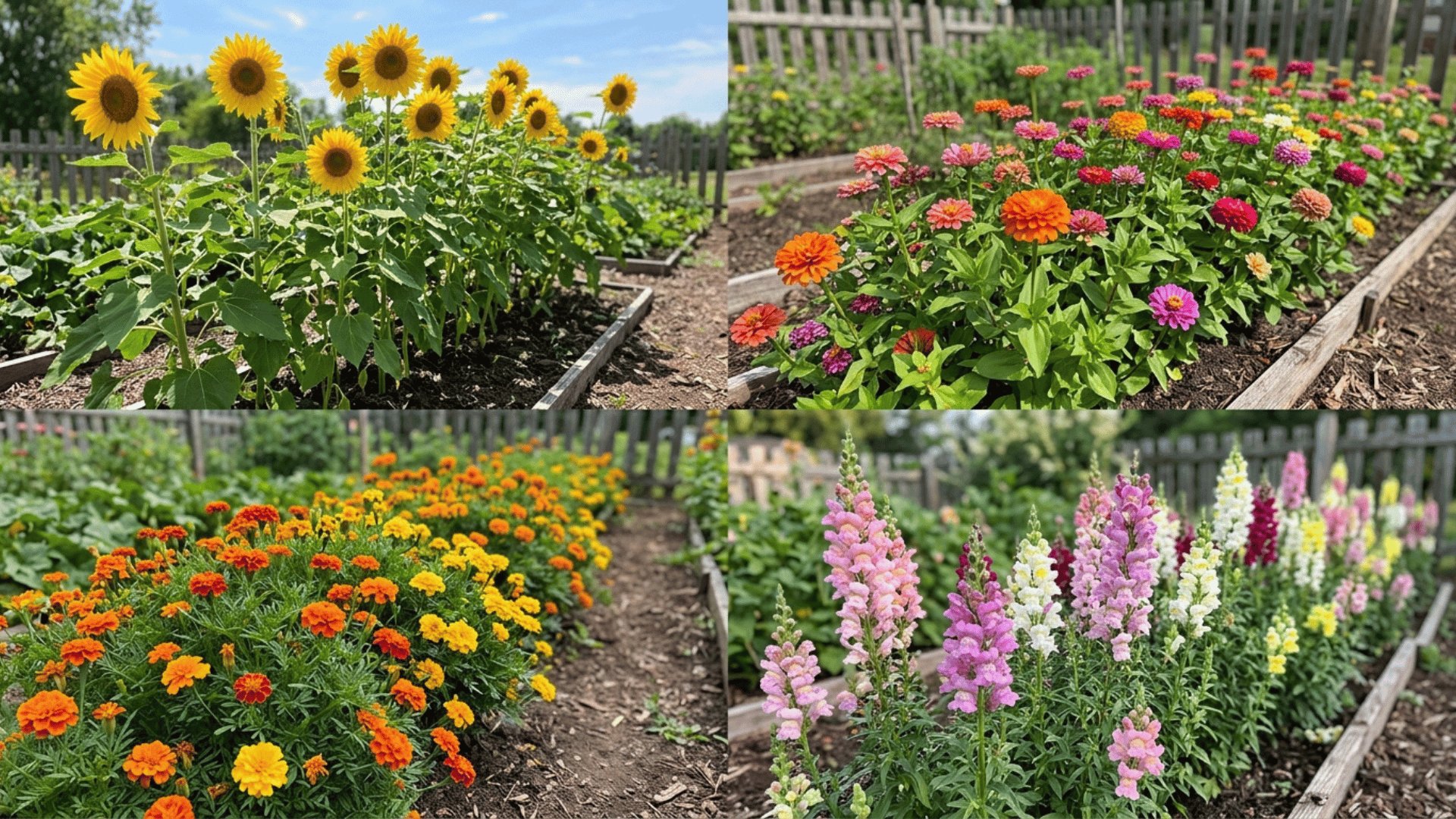
Start with these, they are forgiving, bloom reliably, and hold up well in a vase though many more flowers grow just as easily from seed once you get going.
| Flower | Growing Conditions | Bloom Time | Difficulty Level |
|---|---|---|---|
| Sunflowers | Full sunlight and regular watering | 70 to 100 days | Very easy |
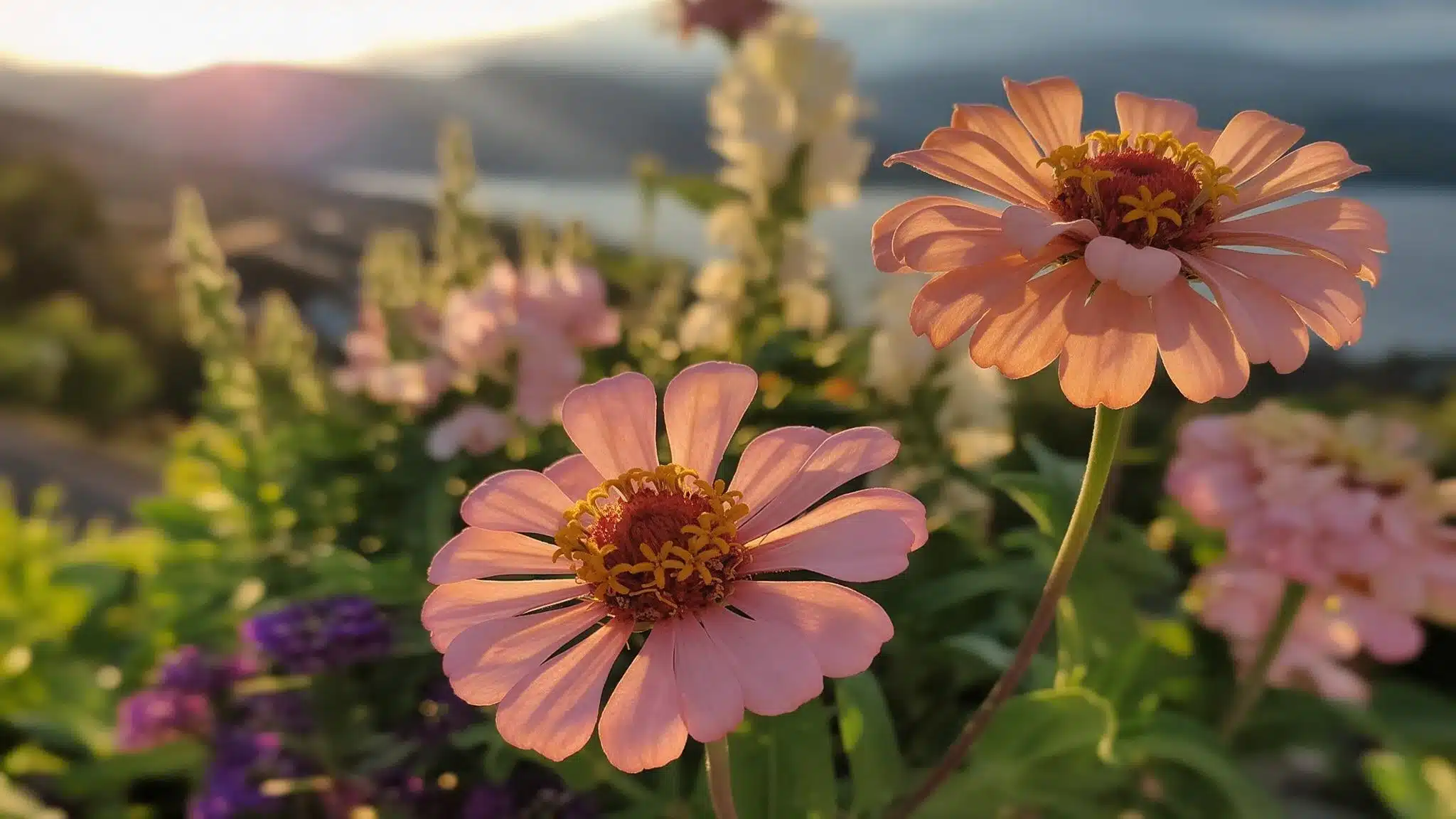
| Zinnias | Warm weather and well-draining soil | 60 to 70 days | Easy |
| Cosmos | Sunny spots with basic care | 70 to 90 days | Very easy |
| Marigolds | Sunny areas and warm temperatures | 45 to 60 days | Beginner-friendly |
| Dahlias | Sunny spots and nutrient-rich soil | 90 to 120 days | Moderate care |
| Snapdragons | Cool weather and regular sunlight | 80 to 100 days | Easy with basic care |
Suggestion: If you can only pick two to start with, go with zinnias and cosmos. Both grow fast, tolerate beginner mistakes, and keep producing new flowers the more you cut them.
Should You Use Seeds or Young Plants?
There are two options when you are just starting: you can either grow flowers from seeds or use young plants from a garden center. Both options work well:
Reasons to Choose Seeds:
- More affordable compared to buying young plants
- Available in a much wider variety of cut flowers
- Satisfying to watch from day one, there is something about germination that hooks people on gardening
- Takes more time and patience before the flowers fully bloom
Why Choose Young Plants:
- Easier to grow and care for
- Gives quicker blooms and faster flower production
- Great option if you want a simple and less time-consuming start
It’s a Wrap
Pick two or three flowers from the beginner list. Plant them in the sunniest spot you have.
Cut them regularly once they bloom, that is genuinely all it takes to keep the plants producing.
Most people are surprised by how quickly a small patch gets out of hand, in the best way. By midsummer you will have more flowers than you know what to do with.
Frequently Asked Questions
When is the Best Time to Start a Cut Flower Garden?
Most flowers grow best when planted in spring after the last frost has passed.
Do Cut Flowers Grow Back After Cutting?
Yes, many cut flowers produce more blooms when they are cut regularly.
How Long Does It Take for Cut Flowers to Bloom?
Most beginner-friendly flowers start blooming within 45 to 100 days, depending on the flower type.