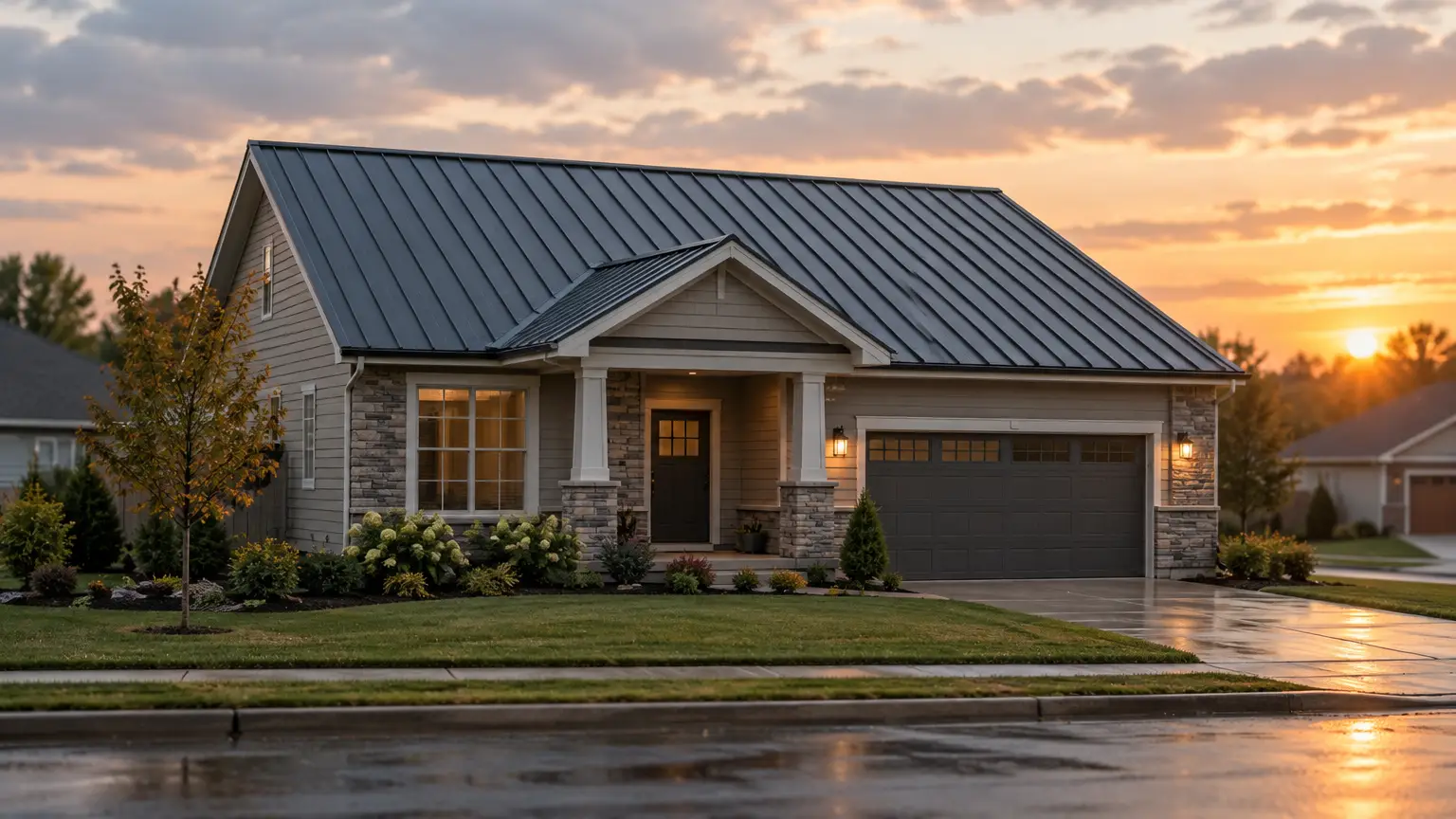
Refreshing the exterior of a home often involves more than changing paint colors or updating a few decorative details. Because the garage can take up a large portion of the front elevation, getting new garage door installation planned alongside other exterior improvements can help the entire project feel more coordinated.
Rather than treating the garage as a separate feature, homeowners can use the opportunity to consider siding, trim, lighting, landscaping, and entry details together so the finished exterior feels balanced and intentional.
Start With the Overall Look of the House
Before choosing a new garage door, it helps to step back and look at the entire exterior rather than focusing on the garage alone.
Architectural style, roof color, siding, masonry, window trim, and the front entry all influence what type of door will look appropriate. A highly decorative design may feel out of place on a very simple contemporary home, while an ultra-minimal door may not suit a house with traditional details.
The goal does not have to be exact matching. In many cases, contrast can make the exterior more interesting. The important thing is that the proportions, materials, and finishes feel related.
Homeowners planning several changes at once may also want to create a simple exterior palette before ordering anything. Selecting two or three main colors and a few compatible finishes can make later decisions much easier.
Think About Scale and Proportion
Garage doors are large visual elements, so their design has a strong influence on the appearance of the facade.
A wide double garage door can dominate the front of the house if the panel pattern is too busy or the color contrasts heavily with surrounding materials. On the other hand, a door that blends too closely with the exterior may disappear more than intended.
Panel size, window placement, and hardware all affect how large the door appears. Horizontal lines can emphasize width, while vertical or carriage-inspired details can break up a broad surface.
It can help to compare door designs from the street rather than only viewing close-up samples. Something that looks subtle in a showroom may have a much stronger effect once installed across a large opening.
Coordinate the Garage Door With Exterior Paint
Exterior painting and garage door work often overlap, so planning the two projects together can save time and prevent mismatched finishes.
If the house is being repainted, decide whether the garage door should blend with the body color, match the trim, or serve as a contrasting feature. Each choice creates a different visual effect.
Garage door painting can also be an option when the existing door is still structurally sound but its finish looks faded or outdated. Proper surface preparation is essential, especially if the door has peeling paint, rust, chalky residue, or a glossy factory coating.
The type of door material matters as well. Metal, wood, and composite surfaces may require different preparation methods and compatible coatings. Painting without considering the material can lead to uneven coverage or premature peeling.
For homeowners installing a new door, it is also worth checking whether the factory finish already provides the desired color. Painting a brand-new door unnecessarily may add maintenance without improving the result.
Match Windows and Decorative Details Carefully
Garage door windows can help connect the garage visually with the rest of the house.
If the home’s windows use divided panes, dark frames, or a particular shape, repeating some of those details in the garage door can create continuity. The match does not need to be exact, but similar proportions can make the exterior feel more unified.
Decorative hardware offers another way to add character. Handles and hinge-style accents can work well on traditional or carriage-inspired doors, while cleaner designs may look better without extra ornamentation.
It is easy to overdo these details, especially when other exterior features are already visually strong. If the front door, shutters, or trim have a lot of character, a simpler garage door may provide better balance.
Consider Lighting at the Same Time
Exterior lighting can dramatically change the way a new garage door looks after dark.
Wall-mounted fixtures beside the garage can highlight the door’s texture and improve visibility around the driveway. Downlights placed above the opening can provide more even illumination, particularly on wider doors.
The size of the light fixtures should relate to the scale of the garage. Small fixtures can look undersized beside a large door, while oversized lanterns may overwhelm a compact facade.
Light temperature also affects exterior colors. Warmer lighting can soften brick, wood, and cream-colored finishes, while cooler lighting may make gray or white surfaces appear sharper.
Planning lighting before the exterior refresh is complete can also reduce the need to patch freshly painted walls later.
Do Not Forget the Driveway and Surrounding Hardscape
A new garage door often draws attention to the area around it, including the driveway, walkway, and garage trim.
Cracked concrete, stained paving, or damaged edging may become more noticeable once the door is refreshed. That does not mean every project needs a new driveway, but basic cleaning and repairs can help the upgraded garage look more finished.
Pressure washing, sealing, repairing small cracks, or cleaning pavers may be enough to improve the surrounding area.
The threshold and lower trim around the garage should also be checked. Water damage, rot, or deteriorated sealant can undermine an otherwise polished installation.
Plan Installation Around Other Exterior Work
The order of exterior projects can make a significant difference.
If siding, trim, or exterior paint is being replaced around the garage opening, it may be easier to complete certain preparation work before the new door is installed. At the same time, final painting and touch-ups may be best left until after installation so any minor marks or changes can be addressed.
Gutters, exterior lighting, driveway work, and landscaping can also affect access to the garage. Scheduling heavy work before delicate finishes are completed can reduce the risk of accidental damage.
It helps to think of the exterior refresh as one coordinated project, even if different contractors are handling separate parts of it.
Choose Materials With Maintenance in Mind
Appearance is important, but the garage door will also be exposed to sun, rain, temperature changes, and regular use.
Some materials require more maintenance than others. Wood can offer a distinctive look but may need periodic refinishing. Steel is generally easier to maintain but can be vulnerable to dents or corrosion if the protective finish is damaged.
Composite and other engineered materials may offer a middle ground, depending on the design and climate.
The finish also matters. Dark colors can create a bold look but may show dust or surface imperfections more readily. Lighter shades can blend easily with many exteriors but may show dirt near the bottom of the door.
Choosing with long-term upkeep in mind can help prevent a fresh exterior from becoming difficult to maintain.
Use Landscaping to Finish the Look
Once the garage door and exterior updates are complete, landscaping can help soften the large architectural surfaces around the driveway.
Low shrubs, ornamental grasses, planters, or small trees can create visual balance without interfering with door operation or vehicle access. Plants can also help connect the garage area with the front entry so the exterior feels more cohesive.
Care should be taken not to place vegetation too close to the door tracks, trim, or exterior walls. Good airflow and access for maintenance should remain part of the plan.
Even small landscaping adjustments can make a newly updated garage feel like part of the overall exterior rather than the only feature that received attention.
Think of the Garage as Part of the Whole Exterior
A garage door installation can have a much bigger visual impact when it is planned alongside the rest of the home’s exterior.
Color, proportion, lighting, paint, windows, trim, hardscape, and landscaping all contribute to how the final result feels. Considering these elements together can prevent the garage from looking disconnected from the rest of the house.
The most successful exterior refreshes usually come from coordination rather than simply replacing individual features. When the garage door supports the architecture, complements surrounding finishes, and fits naturally into the broader design, it can help give the entire home a cleaner, more intentional appearance.