
The daily wellness landscape is part of a $2 trillion global market, and has fundamentally shifted from how our bodies look to how our minds function. Everyday routines are no longer just about physical fitness or basic stress relief, but rather about proactive cognitive optimization.
People are actively seeking ways to sharpen their focus, protect their memory, and clear the mental fog that stems from a hyper-connected world. This growing focus on brain health is redefining everything from home design to our morning rituals.
The Mainstream Evolution of Brain Health
What began as a niche interest for tech workers and biohackers has evolved into a standard lifestyle priority for the general public. Today, everyday wellness trends reflect an intentional effort to lower the daily mental load and protect our cognitive longevity. This shift is evident in the way we structure our living spaces and daily habits, moving away from hyper-stimulating environments toward choices that actively support neurological calm.
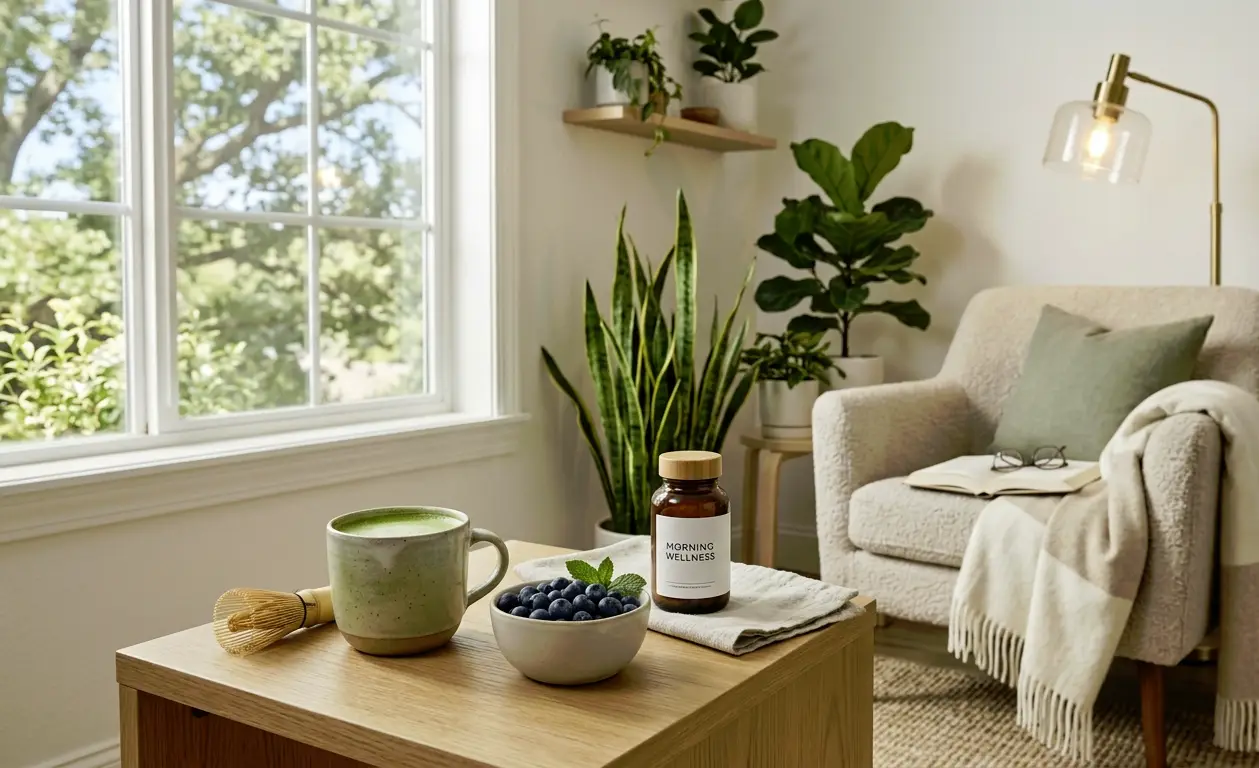
People are redesigning their homes with brain health in mind by introducing calmer color palettes, optimizing circadian lighting, and setting up dedicated spaces for quiet reflection. Morning routines have transitioned from chaotic rushing to structured rituals involving breathwork, light optimization, and targeted nutrition. The modern wellness consumer views every daily choice through the lens of its impact on their mental clarity and cognitive endurance.
Decoding Cognitive Nutrition and Nootropics
As brain health has taken center stage, a new vocabulary has entered the mainstream wellness lexicon. Consumers regularly encounter terms such as brain foods, adaptogens, and functional mushrooms when looking for ways to sustain their daily energy. At the center of this movement is the rising popularity of cognitive enhancers, which have completely changed how people approach mental performance.
Understanding this terminology helps explain why certain products have suddenly captured public interest. A major driver of this trend is the strategy of marketing cognitive supplements as nootropics, which rebrands traditional brain boosters into modern tools for daily productivity and mental sharpness. This shift in positioning has helped consumers view cognitive care as a daily habit rather than a remedy reserved only for aging populations.
There are millions of supplement consumers searching for focus solutions every day as individuals look for ways to keep up with demanding work environments. Recent consumer data cited by Vypr shows that 26% of supplement consumers choose products specifically to improve focus, underscoring clear demand for targeted cognitive support. For the average person, this means that managing mental energy is now just as common as taking a daily multivitamin.
Functional Ingredients for Daily Focus
The modern approach to cognitive wellness relies heavily on clean performance rather than temporary fixes. Instead of relying on sugary energy drinks or excessive espresso shots that lead to afternoon crashes, people are opting for sustained mental stamina. This has led to the rise of clean caffeine alternatives and natural compounds that support the brain without overstimulating the nervous system.
Ingredients like matcha, creatine, and botanical extracts are favored for their ability to provide smooth, crash-free energy throughout the day. Medicinal mushrooms have also made a significant leap into the mainstream market. Ingredients like Lion’s Mane and Cordyceps have moved from specialized health food stores into everyday grocery items, appearing in morning coffee blends, teas, and functional snacks to support long-term neurological health.
Practical Upgrades for Cognitive Longevity
Bringing brain health into your daily life does not require a complete lifestyle overhaul or expensive gadgets. Small, deliberate adjustments to your existing routine can yield noticeable improvements in your focus and stress levels.
You can optimize your home and daily habits for better cognitive performance by implementing a few straightforward strategies:
- Swap harsh overhead fluorescent lights for warm, adjustable task lighting that aligns with natural circadian rhythms
- Dedicate a specific corner of your home entirely to screen-free activities like reading, journaling, or drinking tea
- Replace your second cup of coffee with a clean alternative like green tea or a functional mushroom blend to prevent jitters
Consciously structuring your environment and adjusting your morning intake helps create a sustainable foundation for mental clarity. These small habits reduce cognitive fatigue and keep your mind sharp throughout the day.
Designing a Mindful Daily Environment
True cognitive wellness is built on the small, repetitive choices we make within our living and working environments. As brain health continues to guide mainstream trends, the focus remains on creating spaces and habits that shield the mind from chronic overstimulation.
By adopting intentional rituals and choosing clean, functional ingredients, you can build a lifestyle that naturally protects and enhances your brain power for years to come. Explore our wellness blog for more practical guides on optimizing your daily environment and nutrition.