Moss spreading across your lawn can be galling, especially when the grass starts to look thin, dull, and uneven. It often makes the yard look neglected, even when you have been trying to care for it.
With a few natural lawn care steps, you can improve the growing conditions, encourage stronger grass, and make the space look healthier again.
Instead of relying on harsh products, focus on simple fixes that support the soil, improve airflow, and help more light reach the grass. Once the lawn becomes stronger, moss has a much harder time taking over.
What Causes Moss to Grow in Lawns?
Moss grows when grass becomes weak due to shade, excess moisture, poor drainage, or unhealthy soil conditions.
- Too Much Shade: Trees, north-facing yards, and areas with poor airflow reduce sunlight, making it easier for moss to grow instead of healthy grass.
- Poor Soil Drainage: Compacted soil, standing water, and heavy clay soil keep the lawn wet for long periods, creating ideal conditions for moss growth.
- Acidic Soil Conditions: Low soil pH weakens grass and encourages moss growth, which is why regular soil testing is important for lawn health.
- Weak or Thin Grass: Nutrient deficiencies, improper mowing, and drought stress can thin out grass, leaving empty spaces where moss can spread quickly.
- Excess Moisture and Humidity: Wet climates, frequent rain, and damp spring or fall seasons, especially in regions like the Pacific Northwest, support moss growth.
How to Get Rid of Moss in Your Lawn and Restore Healthy Grass
Moss can spread quickly in weak and damp lawns, but proper treatment can help restore healthy grass. Follow the simple steps below to remove moss and stop it from returning.
Step 1: Remove Moss with Rake or Lawn Scarifier
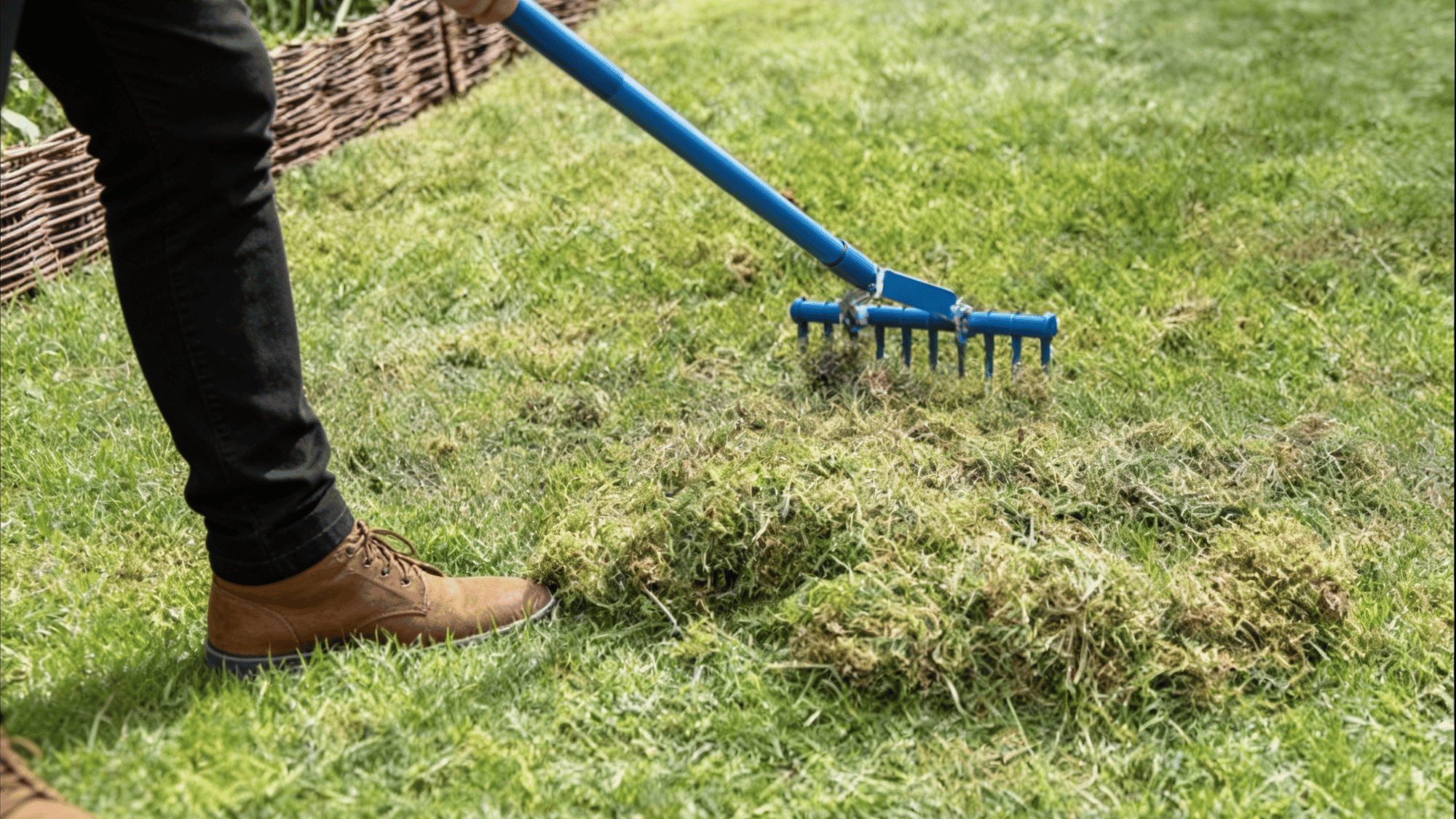
Start by removing moss manually with a rake or lawn scarifier to clear thick moss patches and improve airflow.
For faster results, you can use iron sulfate products or lawn-safe moss killers that target moss without harming grass.
Natural methods, such as a mild dish soap solution, may also help remove small patches of moss. Vinegar can kill moss, too, but it should be used carefully because it may damage nearby grass and plants.
Step 2: Improve Lawn Drainage
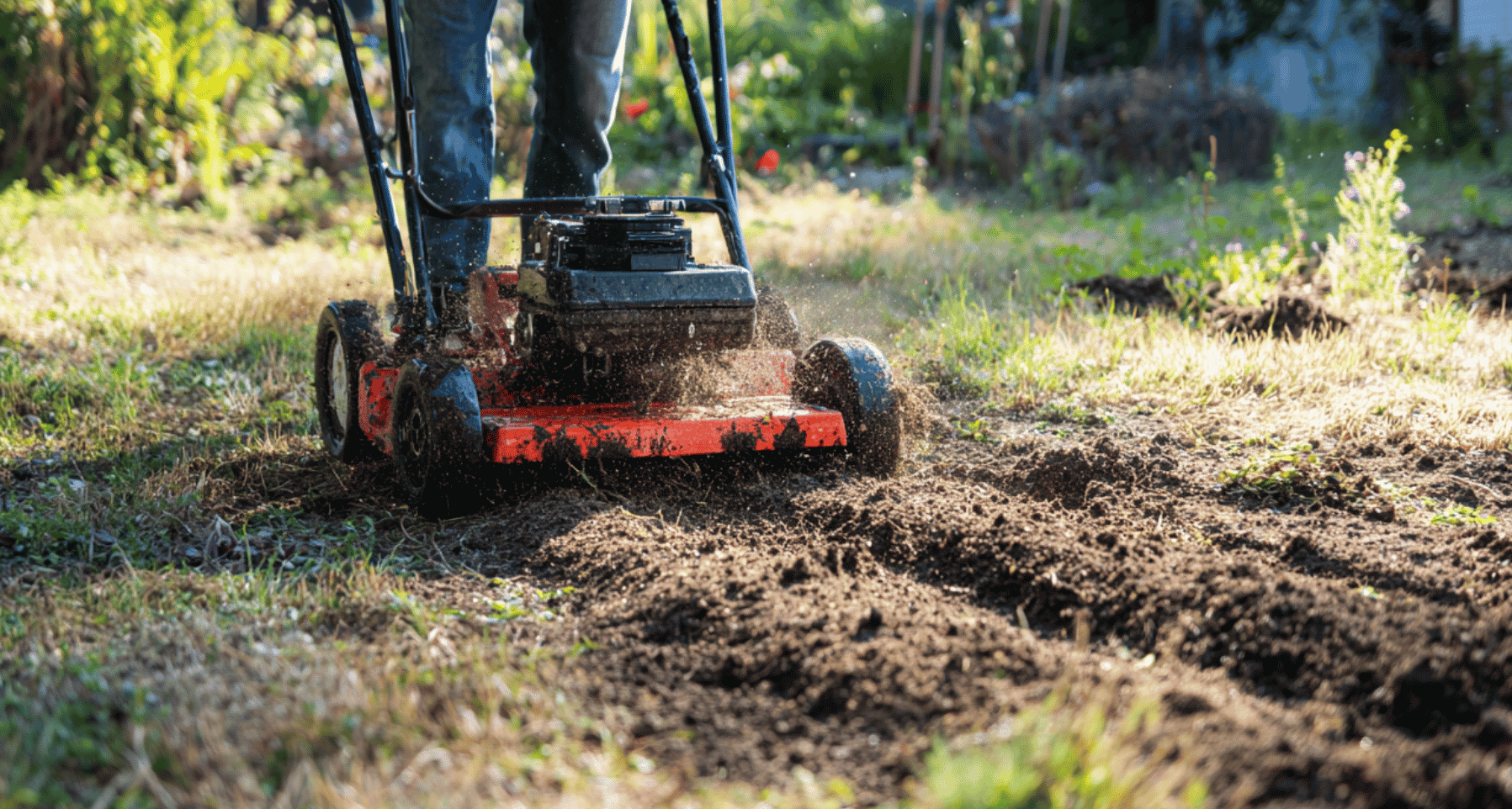
Improving lawn drainage is important to stop moss from returning. Aerating compacted soil allows water, air, and nutrients to reach the grass roots more easily.
Adding organic matter, such as compost, helps improve soil structure and drainage over time. You should also fix low spots where water collects after rain.
A well-drained lawn stays healthier, supports stronger grass growth, and creates fewer damp conditions where moss can grow.
Step 3: Improve the Soil and Lawn Health
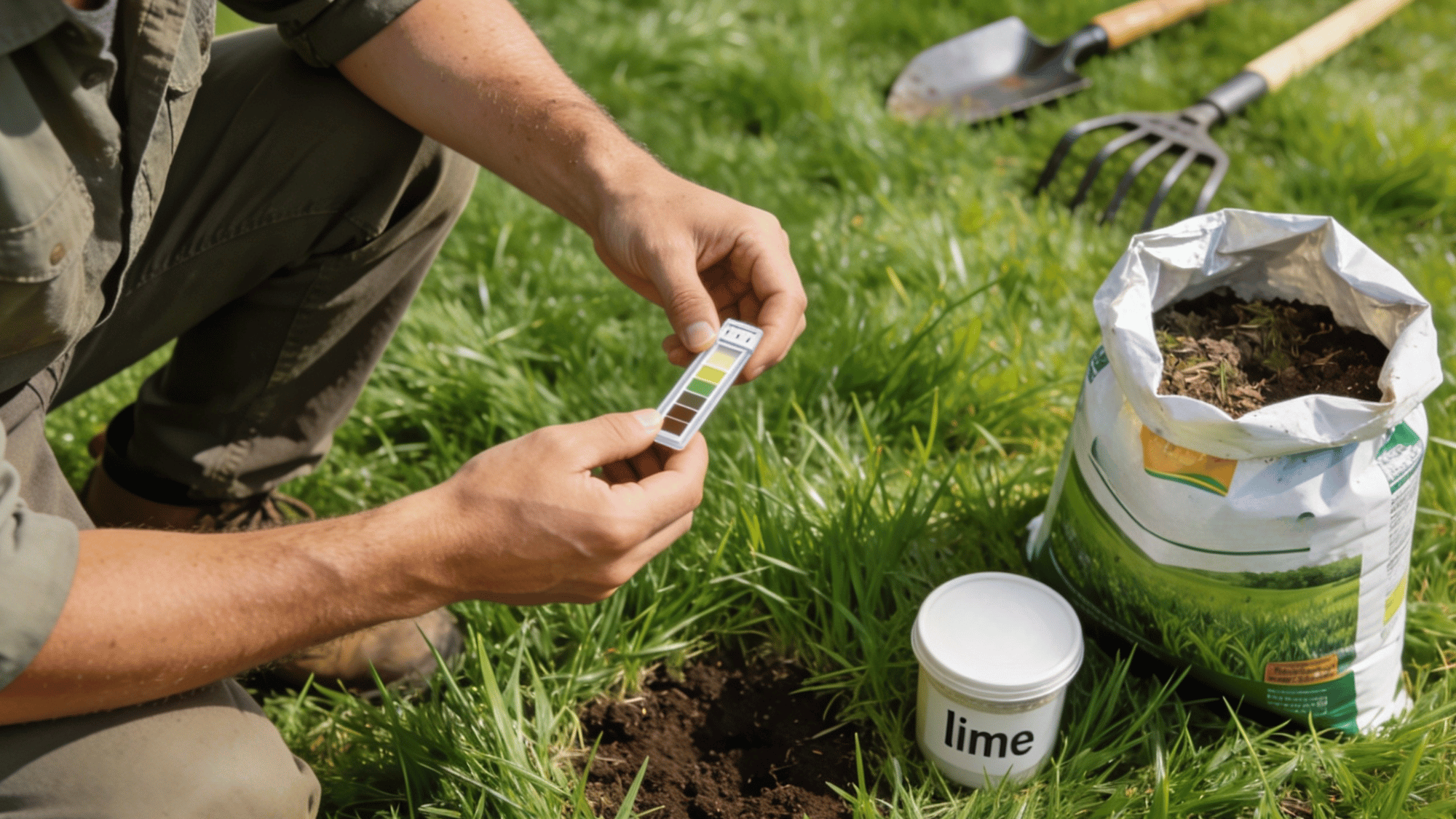
Improve the soil and lawn health by testing the soil pH before adding anything. If the soil is too acidic, apply lime only at the recommended amount.
Feed the lawn with a suitable fertilizer during the grass’s active growing season. Healthy, well-fed grass grows thicker and helps prevent moss from coming back.
Step 4: Restore Grass Growth
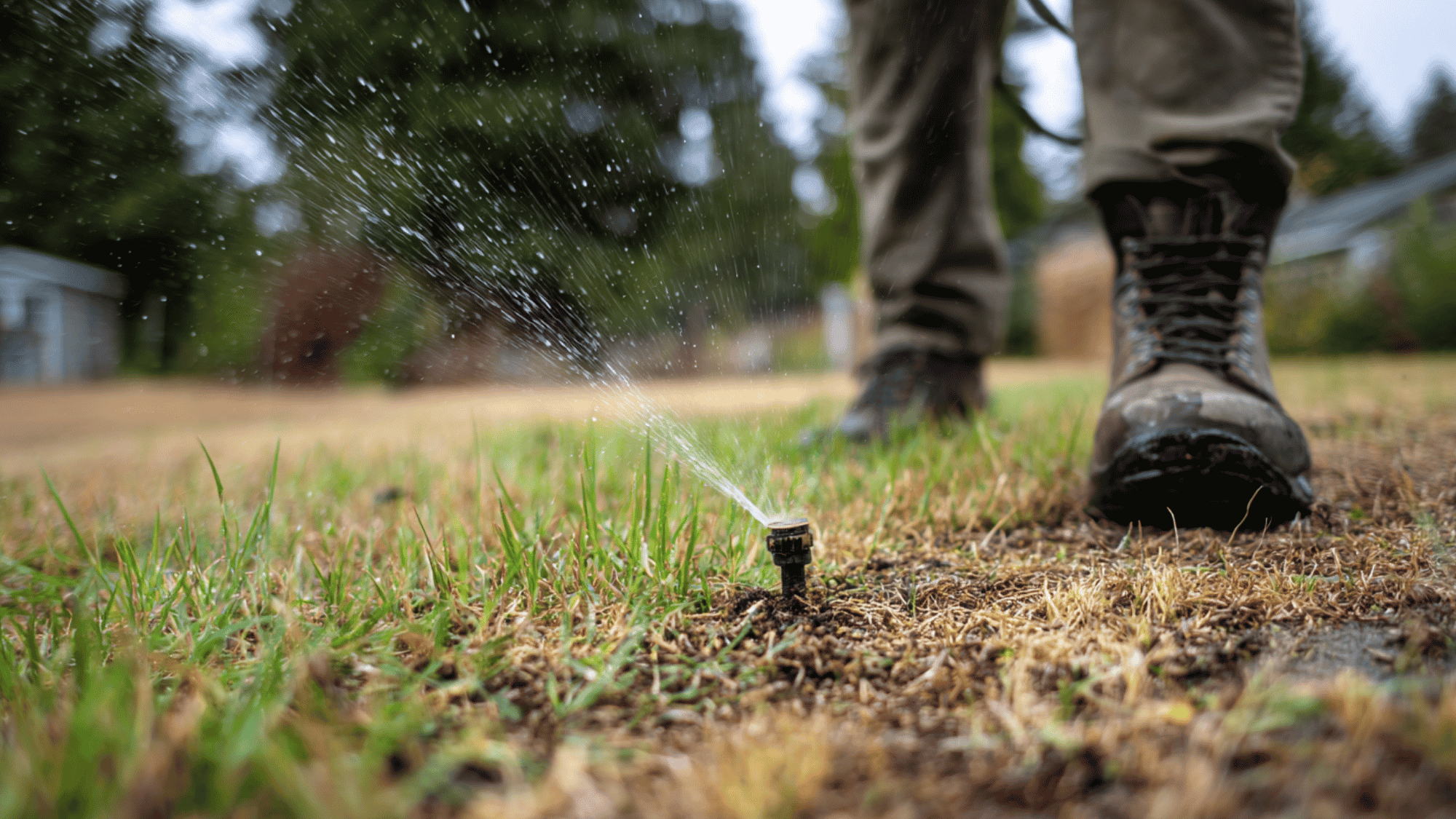
After removing moss, help your lawn grow back stronger by overseeding bare patches with quality grass seed.
Use the right fertilizer to provide nutrients that support healthy grass growth and thicker coverage.
Follow a proper watering schedule: water deeply but not too often. Consistent lawn care helps grass fill empty spaces quickly and reduces the chance of moss returning to your lawn.
Effective Moss Control Solutions for Lawns
Using the right moss control treatment can help remove moss quickly and improve overall lawn health.
- Iron-Based Moss Killers: These products kill moss quickly and are widely available from popular lawn care brands, but overuse may stain surfaces or harm nearby plants.
- Organic Moss Control Products: Eco-friendly, pet-safe options are ideal for homeowners seeking a natural lawn care solution with fewer harsh chemicals.
- DIY Moss Killers: Homemade treatments like dish soap mixtures can help remove small moss patches, but they should be applied carefully to avoid grass damage.
- Choosing the Right Treatment: The best moss control solution depends on your lawn size, moss growth level, climate, and long-term lawn care goals.
- Safe Application Tips: Always follow product instructions and apply treatments properly for the best results, as explained in the sections below.
Final Thoughts
Moss doesn’t show up randomly; it moves in when your lawn’s conditions allow it. Fix those conditions, and the moss has nowhere to thrive.
Knowing how to get rid of moss in a lawn naturally comes down to a few consistent steps: raking it out, adjusting soil pH, improving drainage, and giving your grass the nutrients it needs to grow thick and strong.
Small changes make a real difference over time.
Your lawn won’t revamp overnight, but with the right approach, you’ll start seeing less moss and a lot more healthy, green grass within a few weeks.
Frequently Asked Questions
What Kills Moss but Not Your Grass?
Iron-based moss killers can remove moss without damaging healthy grass when used correctly.
Will Grass Grow Back After Killing Moss?
Yes, grass can grow back if you reseed bare patches and improve lawn conditions.
Do Coffee Grounds Get Rid of Moss?
Yes, coffee grounds may help reduce moss growth by improving soil nutrients and supporting healthier grass.
Is Soda Good for Your Lawn?
No, soda can damage grass because of its sugar, acidity, and chemicals.