Starting a gardening journey feels exciting yet overwhelming, and that’s completely normal. Every experienced gardener has stood exactly where you are now, unsure of where to begin. This guide provides a clear roadmap for beginners: from choosing the right type of garden and ideal location, to setting up simple care routines, avoiding common mistakes, and understanding the essentials for a thriving garden.
First Step: What Type of Garden Do You Want to Create? (Vegetable, Flowers, Balcony, …)
Before you grab your shovel and start digging, take a moment to envision what kind of garden will bring you the most joy and satisfaction. Your choice will shape everything from location selection to ongoing care routines.
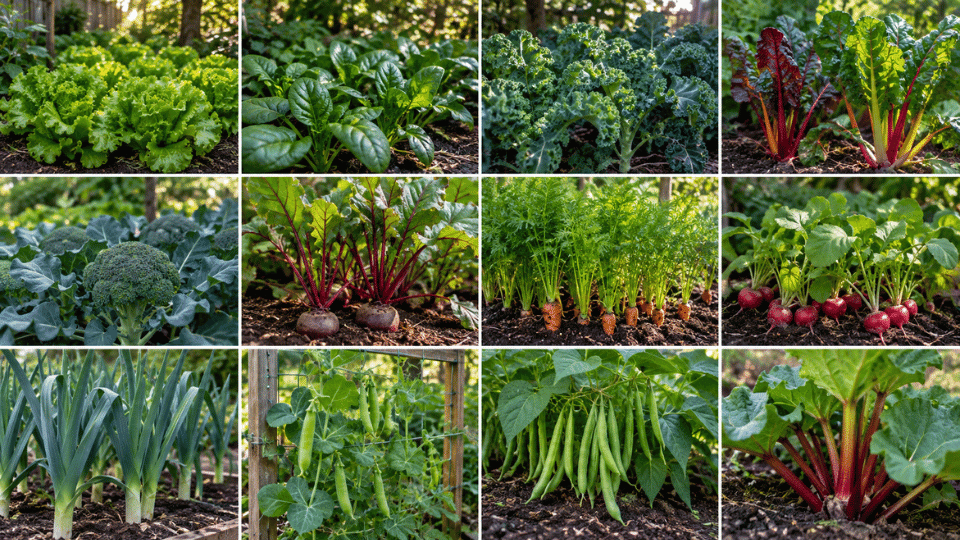
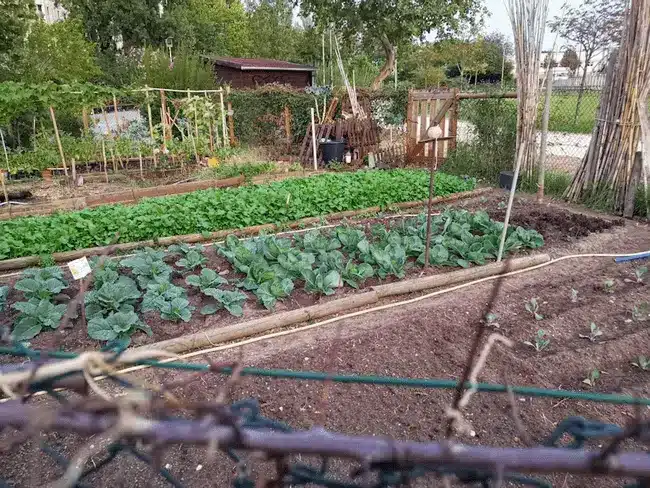
- Vegetable gardens: Fresh, homegrown produce. Start with easy crops like lettuce, radishes, and tomatoes. Needs 6–8 hours of sun and regular watering.
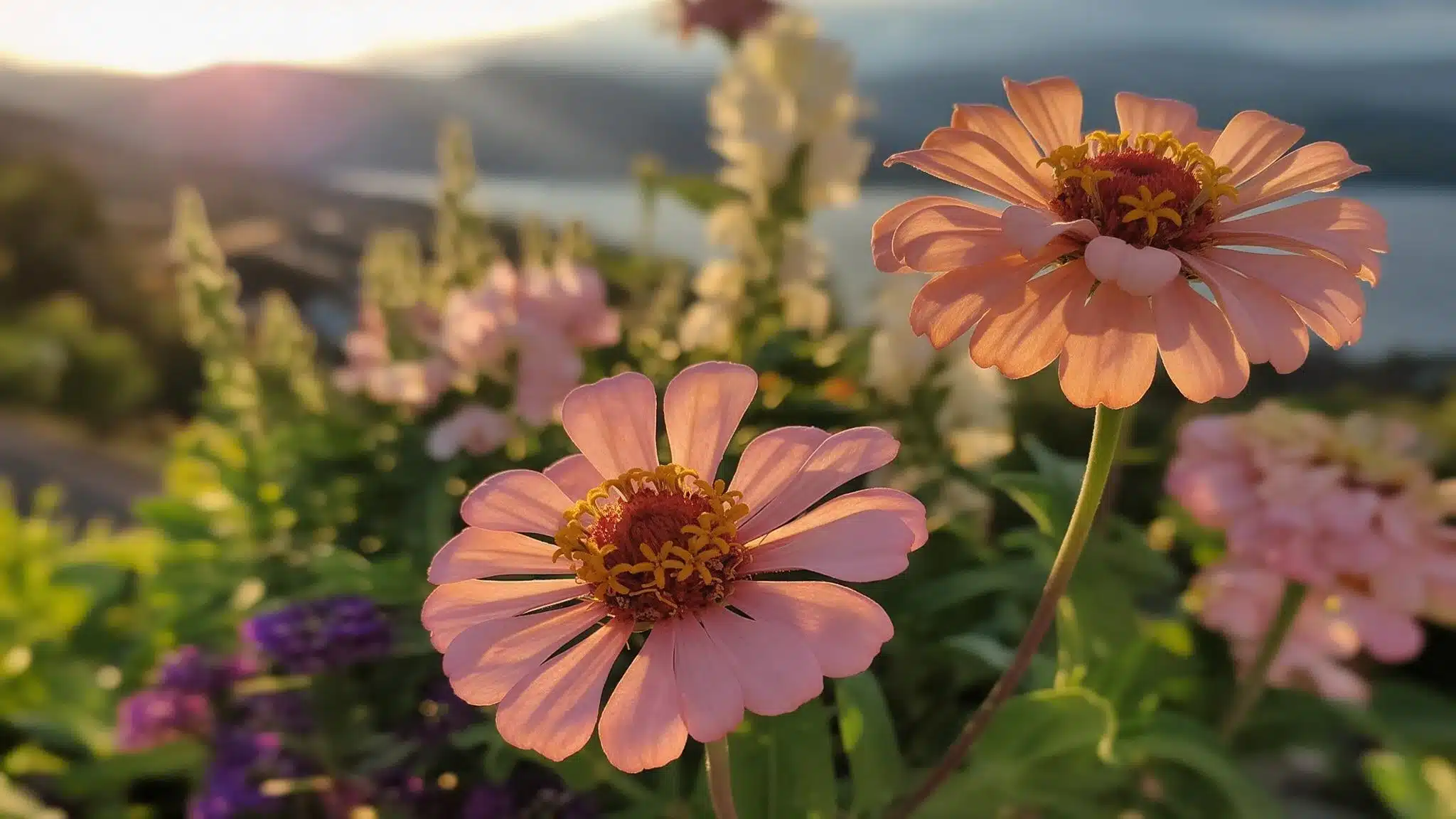
- Flower gardens: Colorful blooms that attract pollinators. Annuals bloom all season; perennials return yearly. Beginner-friendly options: marigolds, zinnias, sunflowers.
- Herb gardens: Compact, flavorful, and low-maintenance. Plant basil, parsley, or mint near your kitchen. Prefer slightly poor soil and minimal fertilizer.
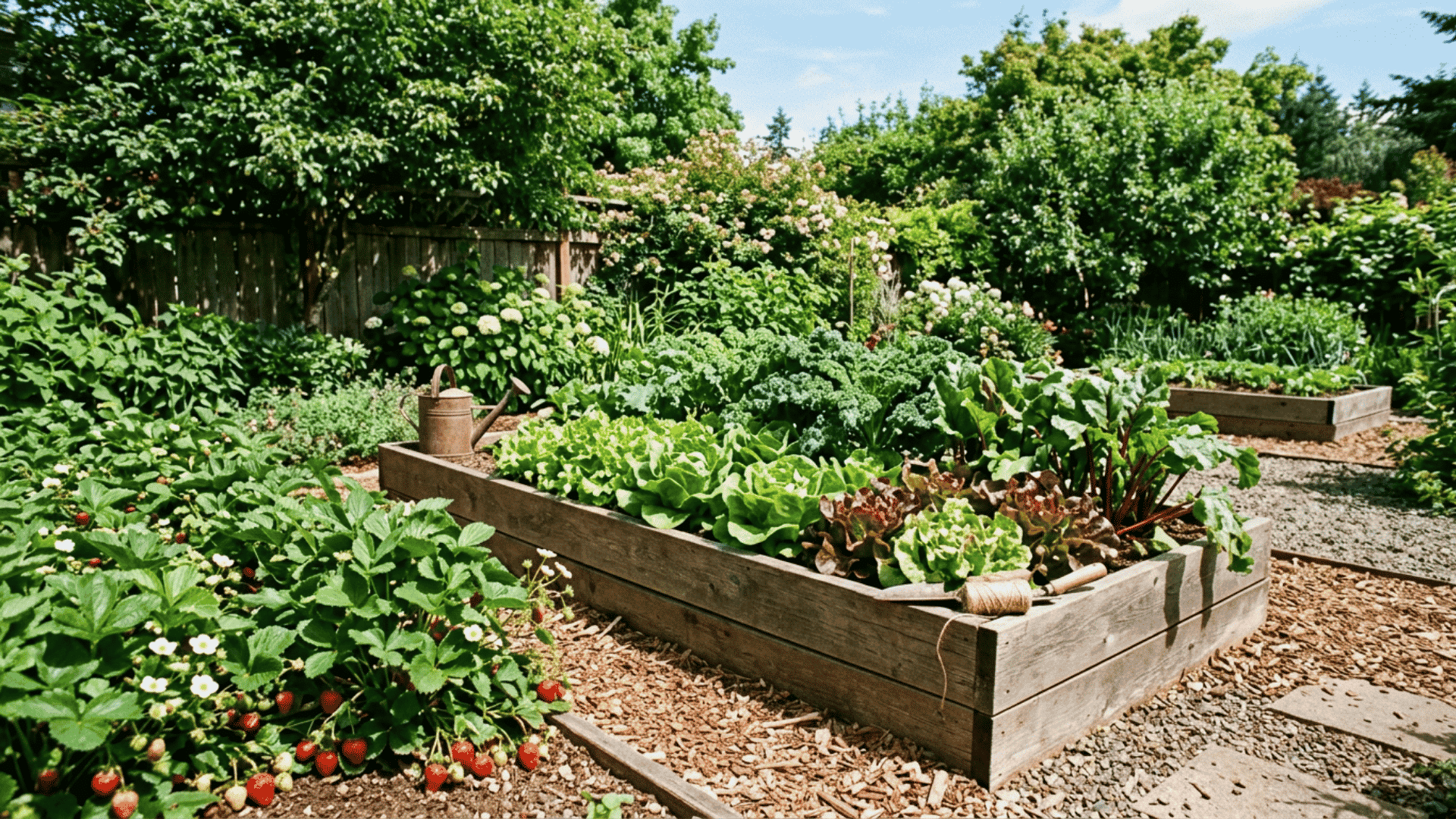
- Container gardens: Ideal for balconies or patios. Use pots or raised beds with quality soil for better drainage. Perfect if your yard soil is poor.
- Mixed gardens: Combine vegetables, herbs, and flowers. Maximizes space and naturally deters pests (e.g., marigolds near veggies).
- Indoor gardens: Grow year-round on sunny windowsills or with grow lights. Leafy greens like spinach and kale thrive indoors.
Second Step: Choosing the Right Location for Your Garden

Location determines whether your garden will flourish or struggle, making this decision crucial for beginner success. Think of it as choosing the foundation for your new hobby, get this right, and everything else becomes significantly easier. Here are the key factors to consider when selecting the best spot for your garden:
- Sunlight requirements shape your possibilities: Most vegetables and flowering plants need at least six hours of direct sunlight daily to produce their best yields. Observe your potential garden plot throughout one full day, noting which areas receive morning sun, afternoon shade, or consistent light. Leafy vegetables like lettuce and spinach can tolerate partial shade, while crops such as tomatoes, squash, and cucumbers demand full sun exposure.
- Water access saves time and ensures consistency: Choose a spot within a reasonable distance of your water source, whether that’s an outdoor spigot or your kitchen sink, for container plants. Hauling heavy watering cans across your entire backyard quickly becomes exhausting, especially during hot summer months when plants need daily irrigation.
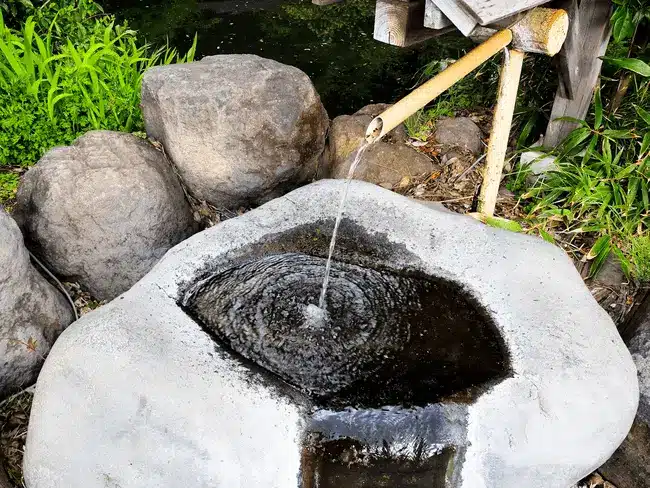
- Drainage prevents root rot and plant disease: Test your chosen area after heavy rain, standing water indicates poor drainage that could drown your plants’ root systems. If water pools for more than a few hours, consider raised garden beds filled with quality garden soil, or choose a different location with better natural drainage.
- Protection from strong winds keeps plants healthy: Constant wind stress stunts plant growth and increases watering needs dramatically. Look for naturally sheltered areas near fences, buildings, or shrubs that provide gentle protection without blocking essential sunlight.
- Soil quality affects everything you grow: Avoid areas where previous construction left compacted or contaminated soil. Rich, dark soil that crumbles easily in your hands indicates good soil structure with adequate organic matter. If your native soil seems poor, don’t worry—container gardening or raised beds let you start fresh with purchased potting mix or compost-enriched soil amendments.
Third Step: Setting Up a Watering and Care Routine
Consistent care transforms struggling seedlings into thriving plants that reward you with abundant harvests and beautiful blooms. The key lies in developing simple routines that work with your schedule rather than overwhelming your daily life.
Step 1: Master the watering fundamentals
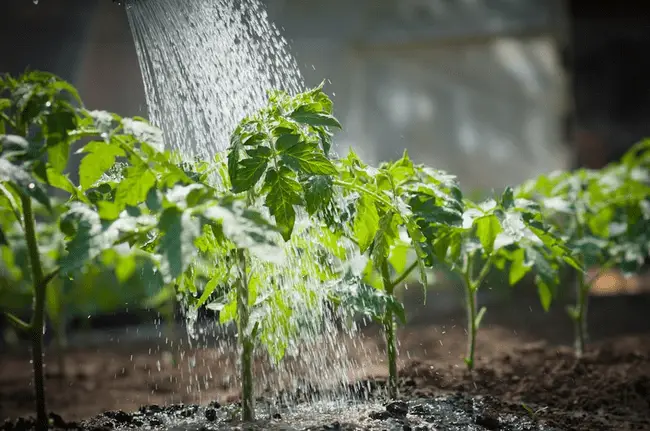
Begin each morning by checking your garden’s moisture needs. Insert your finger two inches deep into the garden soil around your plants. If the soil feels dry at this depth, your plants need water. If it’s still moist, wait another day before checking again. This simple finger test prevents both overwatering and underwatering, two common mistakes that stress plants unnecessarily.
When you do water, focus on deep, thorough soaking rather than light, frequent sprinkling. Direct water at the soil level around plant roots rather than spraying leaves. This approach encourages strong root development while reducing the risk of fungal diseases that thrive on wet foliage. Container plants in pots dry out much faster than garden beds and may need daily attention during peak summer heat.
Step 2: Create a maintenance schedule that works
Establish a weekly garden walkthrough routine that becomes as natural as checking your mailbox. During these visits, look for three key things: moisture levels, weed growth, and pest activity. Pull small weeds when the soil is slightly damp, they’ll come out easily with their entire root system intact. Check under leaves and around stems for signs of insects or plant disease, addressing issues while they’re still manageable.
Apply a 2-3 inch layer of organic mulch like straw, shredded leaves, or bark around your vegetables and flowers. This natural covering conserves moisture, suppresses weeds, and slowly decomposes to improve soil structure. Refresh mulch as needed throughout the growing season to maintain its protective benefits.
Step 3: Feed your plants appropriately
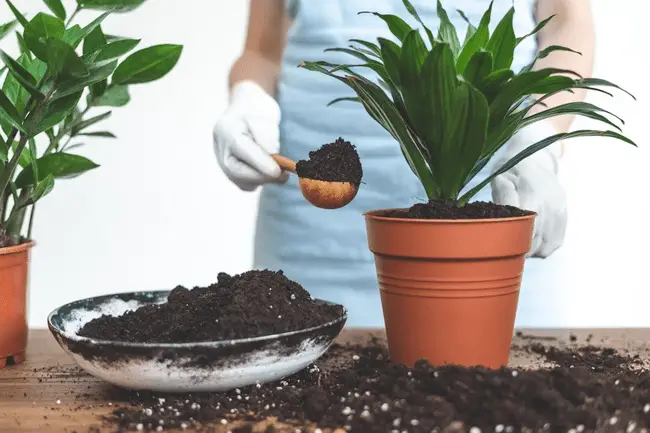
Start with organic fertilizer or compost worked into the soil before planting your first seedlings. Most vegetables benefit from monthly feeding with balanced organic fertilizer, while established perennial flowers often thrive with minimal additional nutrients. Watch for yellowing leaves or slow growth, these signs typically indicate your plants need more nutrition.
For flowering plants, deadhead blooms regularly by pinching or cutting them off where they meet the stem. This simple practice redirects plant energy into producing new flowers rather than forming seeds, extending your bloom period significantly.
Step 4: Protect your plants from curious animals
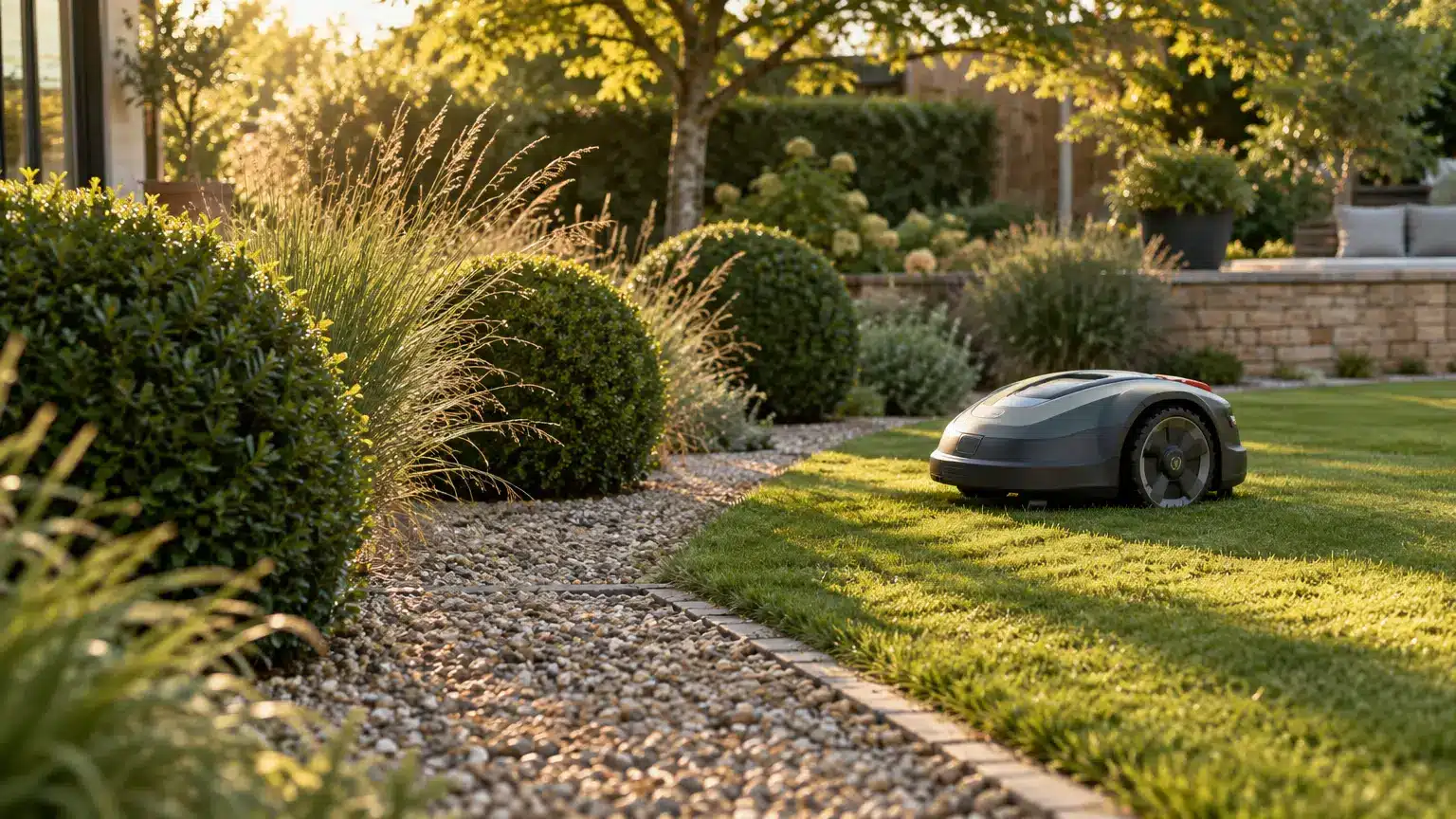
Even the most carefully tended garden can attract curious visitors. As you begin your first garden, you’ll soon notice that curious animals may interfere with young plants. To address this, Sonic Barrier points out that ultrasonic devices offer a simple way to protect your garden while remaining considerate of wildlife. With a few simple precautions, you can keep your plants safe while respecting local wildlife.
Common Beginner Gardening Mistakes and How to Prevent Them
Every new gardener makes mistakes. It’s part of the learning process that eventually leads to gardening wisdom. However, you can sidestep the most common pitfalls by understanding what trips up beginners and how to prevent these issues from derailing your gardening dreams.
Start small and expand gradually
Starting with a small plot or a few containers allows you to learn without being overwhelmed by maintenance. It’s best to grow only three to five easy varieties before expanding your garden as you gain experience.
Plant at the right time
Knowing the date of the last frost is essential to avoid planting too early or too late. Adjusting your planting schedule and practicing succession planting helps optimize your harvest throughout the season. Pay attention to each plant’s preferred growing conditions, starting seeds too soon indoors or sowing in cold soil can stunt growth, while waiting too long may shorten your harvest window. Timing is everything for a flourishing garden.
Avoid overwatering and over-fertilizing
Providing the right amount of water and nutrients is essential for healthy plants. Overwatering can suffocate roots, lead to fungal diseases, and wash away valuable nutrients, while too much fertilizer can burn plants or cause weak, overly leafy growth with fewer flowers or fruits. Check soil moisture regularly and follow recommended feeding schedules for each plant type to ensure they receive just what they need. This balance helps your garden thrive without unnecessary stress.
Space plants properly and plan for growth
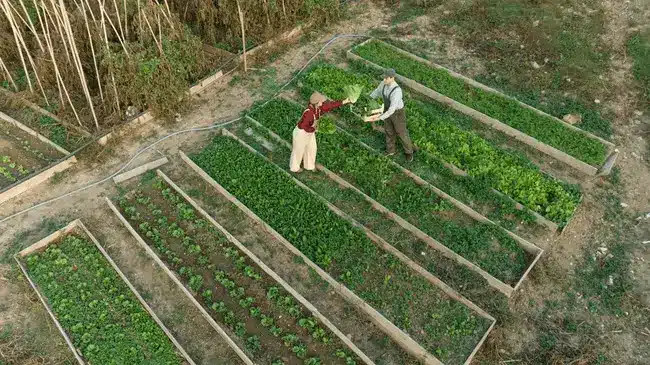
Respecting plant spacing helps prevent competition and reduces the risk of disease. Installing support structures from the beginning promotes healthy growth in climbing crops without damaging their roots.
FAQ
When should you plant each type of plant?
Timing is key to a successful garden. Cool-season crops like peas and spinach can be planted a few weeks before the last frost, while warm-season vegetables like tomatoes and peppers need soil temperatures above 60°F. Planning your planting schedule carefully ensures healthy growth and a steady harvest throughout the season. Checking local frost dates and soil conditions can help you plan each planting accurately and avoid wasted seeds.
What is the most common mistake first-time gardeners make?
Many beginners try to do too much at once, like planting too many varieties, overwatering, or neglecting soil preparation. Start small, learn as you go, and gradually expand your garden to avoid feeling overwhelmed and to give each plant the attention it needs. Focusing on a few easy crops allows you to build confidence and develop your gardening skills before tackling more challenging plants.
Which month is best to start a garden?
Most home gardens begin in early spring, typically between March and May, depending on your climate zone and the date of your last frost. Starting at the right time gives your plants the best chance to thrive during the growing season. If you start too early, seedlings may struggle in cold soil; too late, and your plants may not have enough time to mature.
How can beginners start planting a garden?
Begin with a sunny location with good drainage, then enrich the soil with compost or organic matter. Start with easy-to-grow vegetables, herbs, or flowers, following recommended spacing and planting depths. Small raised beds or containers make a perfect first garden, allowing you to learn without overwhelming maintenance. Taking the time to prepare your soil and plan your layout carefully makes planting and future care much easier.
How can I keep my garden healthy throughout the season?
Consistent care is essential: water appropriately, monitor for pests, apply mulch, and feed plants as needed. Regular attention, combined with patience, ensures your garden grows strong and productive while minimizing common problems. Keeping a simple weekly checklist can help you stay organized and spot issues before they become serious.