Broccoli is one of the few vegetables that reward patience with results worth eating.
A well timed plant in good soil produces tight, dense heads that taste nothing like what comes out of a plastic bag.
Growing broccoli does not require a large space or years of experience.
A raised bed or a small backyard corner is enough.
The right soil, consistent watering, and correct temperature make the real difference between a productive plant and a struggling one.
Growing Broccoli from Seed Versus Buying Plants
Growing broccoli from seed gives you more control over variety, timing, and root development and costs less, especially across multiple rows.
The trade-off is patience. The seedling stage is the most demanding part of the whole process.
Buying nursery plants is faster and suits beginners or short growing seasons well.
No trays, no grow lights, they settle into the garden quickly.
The right choice comes down to how much time and control you want.
A few things that might help you decide:
- Seeds cost less and offer more variety, especially in bulk
- Nursery plants cut weeks of early care and reduce seedling failure risk
- Both can struggle if temperatures swing sharply after planting
- Choose nursery plants that are compact and deep green; leggy or pale ones rarely recover
- Both methods fail in warm soil. Time your planting around cool weather, not convenience
How Long Does Broccoli Take to Grow?
Broccoli takes 80 to 100 days from seed to harvest, depending on the variety and growing conditions.
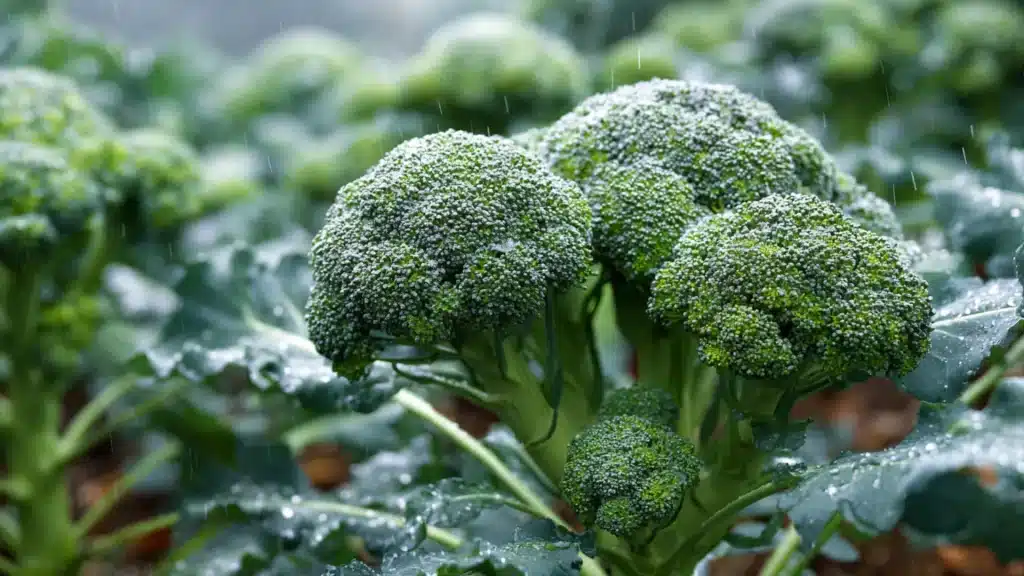
A full-grown plant stands 60 to 90 cm tall with large bluish-green leaves and a central head made up of tightly packed flower buds. That central head is what most people eat.
Cool weather is when broccoli performs best. Spring and autumn are the ideal seasons in most regions.
Hot summers cause the plant to bolt and flower before the head forms properly.
Common home garden varieties include Calabrese, Belstar, and Waltham 29, all reliable producers for beginners.
Not sure which variety suits the region best? Cornell University has a rated broccoli variety list worth checking before buying seeds.
How to Grow Broccoli: From Start to Harvest
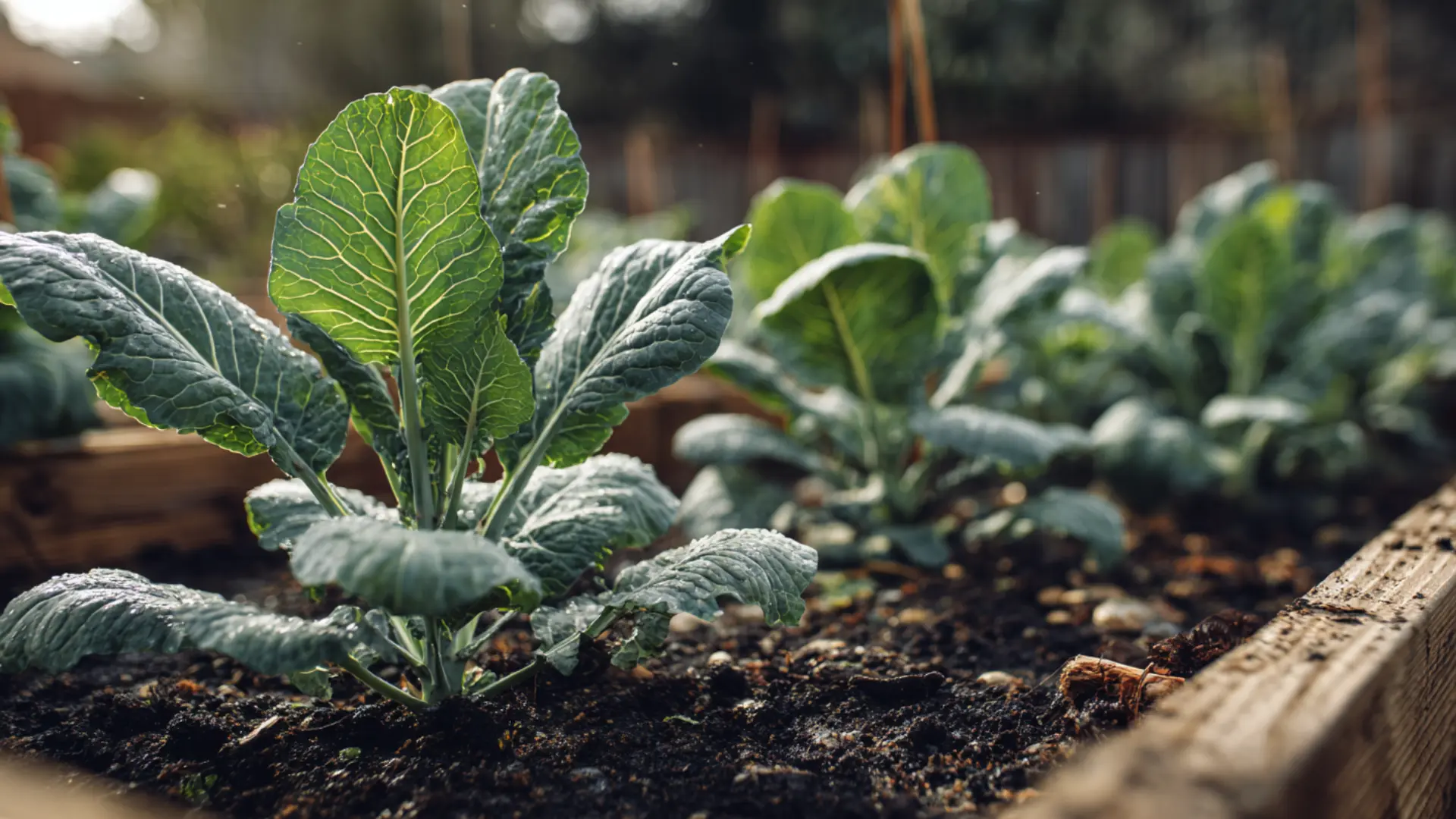
Getting broccoli from seed to harvest is straightforward when each stage is handled correctly.
The steps below cover timing, soil, planting, feeding, pest control, and harvesting in the right order.
Step 1: Choose the Right Time and Location
Broccoli needs cool weather to form tight, dense heads.
Start seeds 6 to 8 weeks before the last frost for a spring crop, or in late summer for an autumn harvest. Pick a spot that gets at least 6 hours of direct sun daily.
Avoid planting where other brassicas, such as cabbage or cauliflower, grew the previous season.
Planting too late in warm weather. Once temperatures climb above 27°C consistently, broccoli bolts and flowers before the head forms. Time the planting around cool weather, not convenience.
Step 2: Prepare the Soil Before Planting
Broccoli is a heavy feeder and needs rich, well-draining soil. Dig in a generous amount of compost before planting.
Aim for a soil pH between 6.0 and 7.0. Loose, fertile soil gives roots room to spread and supports the large leafy growth the plant produces before heading.
Ignoring soil nutrition before planting. Broccoli planted in poor soil produces small, loose heads. Adding compost and a balanced fertilizer at planting time costs very little and makes a significant difference in the final harvest.
Step 3: Start Broccoli Seeds or Transplant Seedlings
Sow seeds 1 cm deep in seed trays indoors or directly in the ground.
Transplant seedlings outdoors once they reach 10-15 cm tall. Space each plant 45 to 60 cm apart in rows.
This spacing allows airflow between plants and gives each one enough room to develop a full-sized head.
Step 4: Water and Feed Broccoli Plants Properly
Broccoli needs consistent moisture, around 2.5 cm of water per week.
Water at the base of the plant, not from above. Feed with a nitrogen-rich fertilizer three weeks after transplanting to support leafy growth.
Once the head starts forming, switch to a balanced fertilizer to support development without pushing excessive leaf growth.
Step 5: Protect Broccoli From Pests and Heat
Cabbage worms, aphids, and whiteflies are the most common broccoli pests. Check the undersides of leaves regularly.
Neem oil spray handles most infestations without affecting the edible parts.
In warm spells, shade cloth over the plants helps prevent bolting and keeps the heads tight for longer.
Step 6: Care for a Full Grown Broccoli Plant
Once the central head is fully formed, keep watering consistently and watch for signs of yellowing or flowering buds opening.
Remove any dead or damaged outer leaves to improve airflow.
Side shoots will develop after the central head is harvested and can produce smaller but edible heads for several more weeks.
Step 7: Harvest Broccoli at the Right Time
Cut the central head when the buds are tight and dark green, before any yellow flowers appear.
Use a sharp knife and cut at a 45 degree angle about 15 cm down the stem. Harvest in the morning when the head is at its firmest.
Waiting too long to harvest. Once the buds start to open and turn yellow, the head loses both flavor and texture quickly. When in doubt, harvest early rather than late.
Growing Broccoli in the Right Climate
Broccoli grows best between 15°C and 18°C. Anything above 27°C causes bolting before the head forms.
It needs at least 6 hours of direct sunlight daily, though light afternoon shade helps in warmer regions.
Cool weather is what produces tight, dense heads.
In the USA, zones 3 through 10 can grow broccoli successfully, with spring and autumn being the most productive windows. Zones 8 through 10 work well for winter growing.
To keep the plant productive:
- Use shade cloth above 25°C
- Water at the base, not from above
- Mulch around the base to stabilize soil temperature
- Cut side shoots when buds are still tight and dark green
- Remove yellow leaves cleanly at the stem base
Spacing Tips
Give broccoli enough room, and it pays you back. Crowd it, and the heads stay small, airflow drops, and disease moves in fast.
- Space plants 18 inches apart within rows
- Leave 24 to 36 inches between rows to allow air circulation and easy access
- Raised beds can go slightly tighter; 15 inches apart works if the soil is rich and drainage is good
- Keep broccoli away from cabbage, kale, and cauliflower; shared soil nutrients deplete faster, and clubroot spreads easily between them
- In containers, one plant per pot; broccoli needs more root space than most people expect
- Thin seedlings early, leaving two plants in the same spot stunts both
Good spacing also makes watering and pest inspection much easier. When in doubt, give it more room than you think it needs.
Harvesting and Storing Broccoli
Harvest broccoli when the head is firm and deep green, before any yellow appears.
Once it starts flowering, the flavor drops fast. Cut at an angle about five inches down the stem; smaller side shoots will keep producing for weeks after the main head is gone.
Timing matters more than most gardeners expect. A day or two too late, and the head that looked perfect yesterday is already opening.
After cutting, broccoli keeps in the fridge for up to five days. Wrap it loosely and sealing it tight traps moisture and speeds up decay.
For longer storage, blanch and freeze it. Texture holds well, and flavor stays close to fresh.
Final Thoughts
Broccoli is not a difficult crop. It needs cool weather, decent soil, consistent water, and the right timing.
Get those four things right, and the plant takes care of the rest. Start with one variety, follow the seasonal window for the region, and pay attention during the final two weeks before harvest.
The difference between a tight, flavorful head and a bitter, bolted plant almost always comes down to timing.
One good season is usually enough to make broccoli a permanent fixture in the garden.
Frequently Asked Questions
1. Can You Grow Broccoli in Pots or Containers?
Yes, broccoli grows well in containers at least 30 cm deep and 45 cm wide, with good drainage and a rich potting mix.
2. How Often Should Broccoli Be Watered?
Broccoli needs around 2.5 cm of water per week, delivered at the base of the plant rather than from above.
3. Why is my Broccoli Growing Tall Instead of Forming a Head?
This usually means the plant is bolting due to heat or being started too late in the season when temperatures are already rising.
4. Can Broccoli be Grown Year Round?
In most regions, it cannot, but in USDA zones 8 through 10, broccoli can be grown through winter when temperatures stay consistently cool.
5. What happens if Broccoli is not harvested on Time?
The buds open into yellow flowers, and the head becomes bitter and loses its texture. Once flowering starts, the edible window closes quickly.