It is late at night, mid-episode, salad in hand, and the thought just hits me.
How much lettuce do I actually go through in a week? Store-bought packs add up fast, and they wilt in the fridge before you even finish them.
That night, I went down a full rabbit hole.
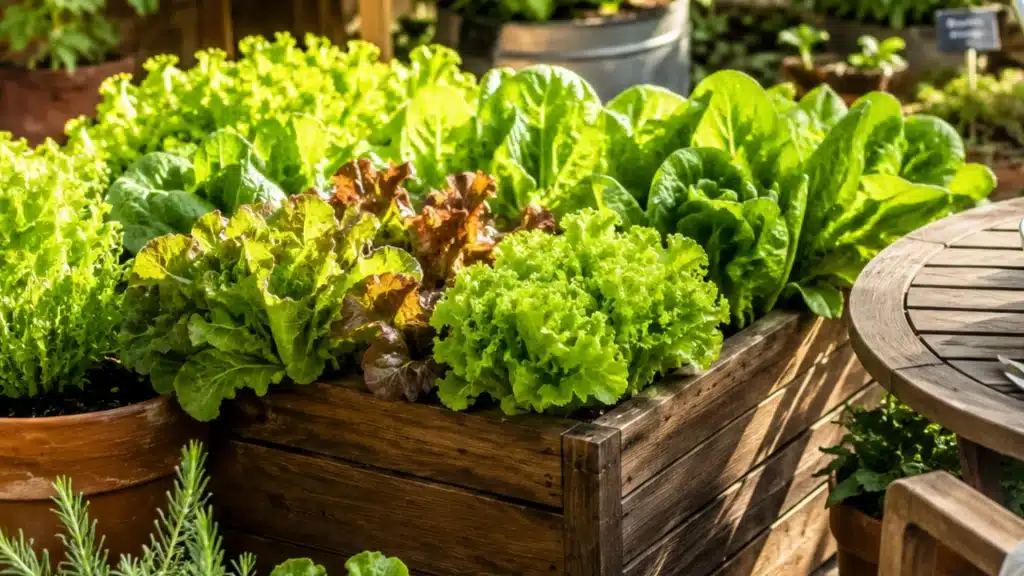
Videos of people growing lettuce in old colanders, plastic tubs, tiny apartment balconies. It looked so doable. A small outdoor space, some basic pots, and zero gardening experience were all I had. If they could do it, so could I.
The first attempt was honestly a mess.
Overwatered, planted too deep, and had no clue lettuce actually prefers cooler temperatures. But the second round changed things.
Those little green leaves came up, and I was completely hooked. Fresh lettuce cut straight from your own pot just hits different.
Crunchier, fresher, and it lasts longer because you only cut what you need.
That is when growing lettuce stopped being a random late-night thought and became a regular part of my routine.
Let’s Get into it Step by Step
Alright, let’s get to the good part. Here is everything you need to know to go from zero to a full bowl of fresh lettuce.
Step 1: Pick the Right Lettuce Type
Before you buy seeds, it helps to know what you are working with.
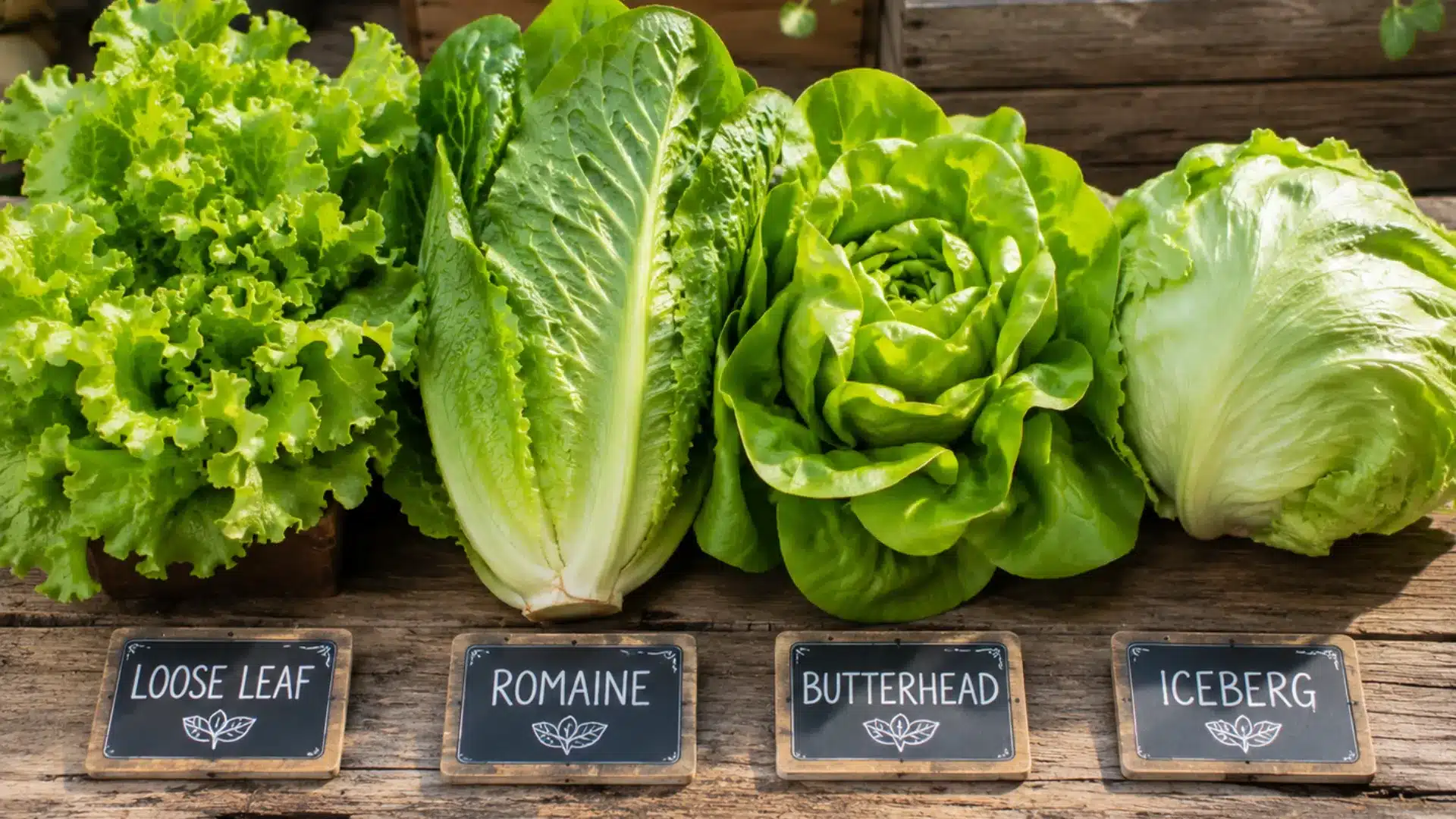
There are a few common types, and each one grows a little differently.
Loose-leaf lettuce is the easiest to start with. You cut the outer leaves, and the plant keeps growing. Great for beginners.
Romaine takes a bit longer but gives you those tall, crisp leaves that hold up well in salads and wraps.
Butterhead varieties like Boston or Bibb lettuce form soft, loose heads. They have a slightly buttery texture and do well in containers.
Iceberg is what most people recognize from grocery stores. It takes longer to mature and needs a bit more space, so it is not the top pick for small gardens.
If you are just starting out, loose-leaf is the best choice. It grows fast, and you can start harvesting in as little as 30 days.
Step 2: Get Your Soil Right
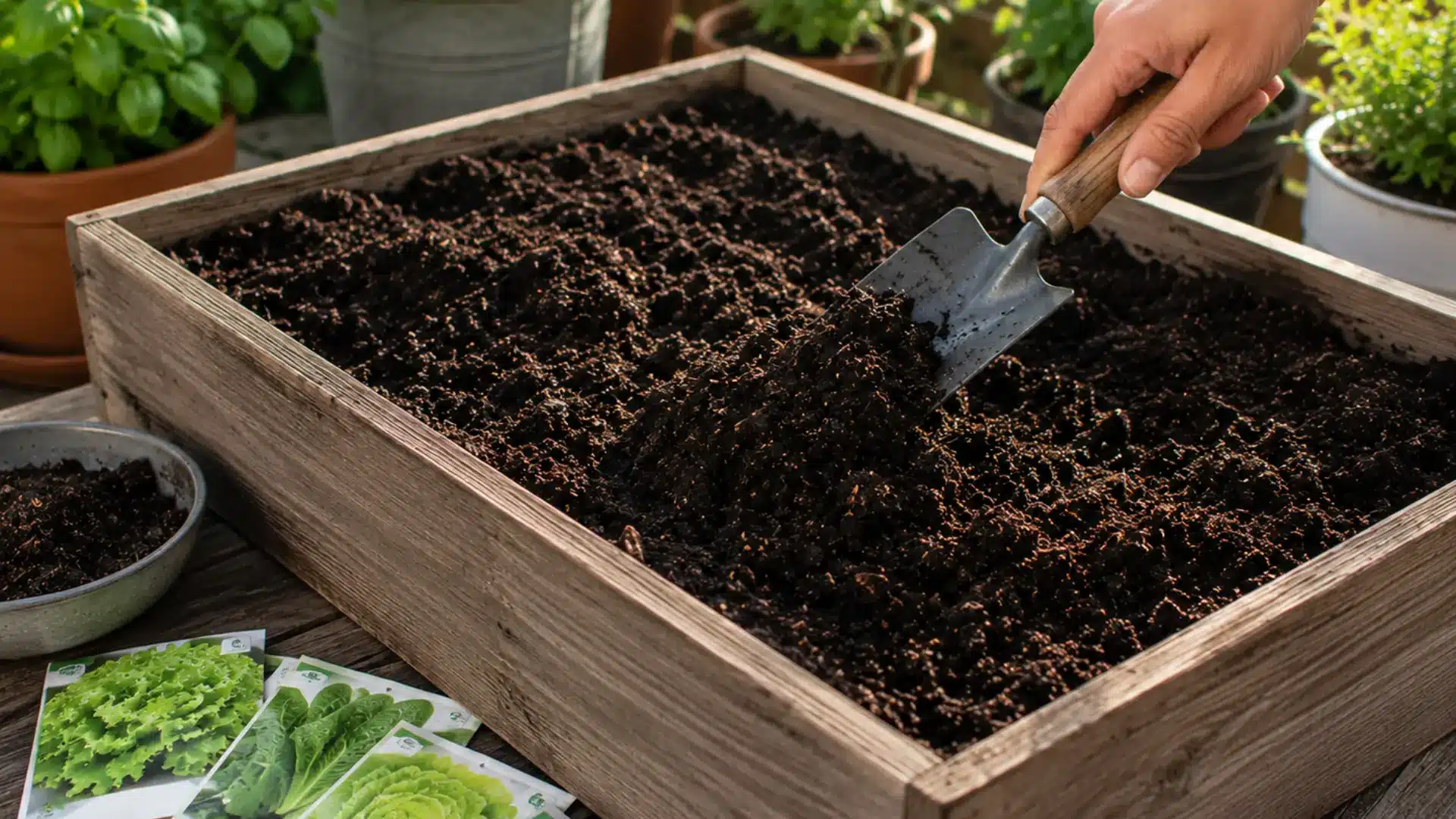
Lettuce is not a dramatic plant, but it does like good soil.
Use a light, well-draining mix. If you are planting in the ground, loosen the soil well and mix in some compost if you have it.
Compact or heavy soil can slow root growth and cause water to sit too long at the base.
A slightly acidic to neutral soil, around pH 6.0 to 7.0, works best.
If you are using a general-purpose potting mix from a garden store, you are usually fine without any extra adjustments.
One thing I learned the hard way: avoid soil that stays soggy. Lettuce roots do not like sitting in water. It is one of the fastest ways to lose a healthy plant.
Step 3: Plant Your Seeds
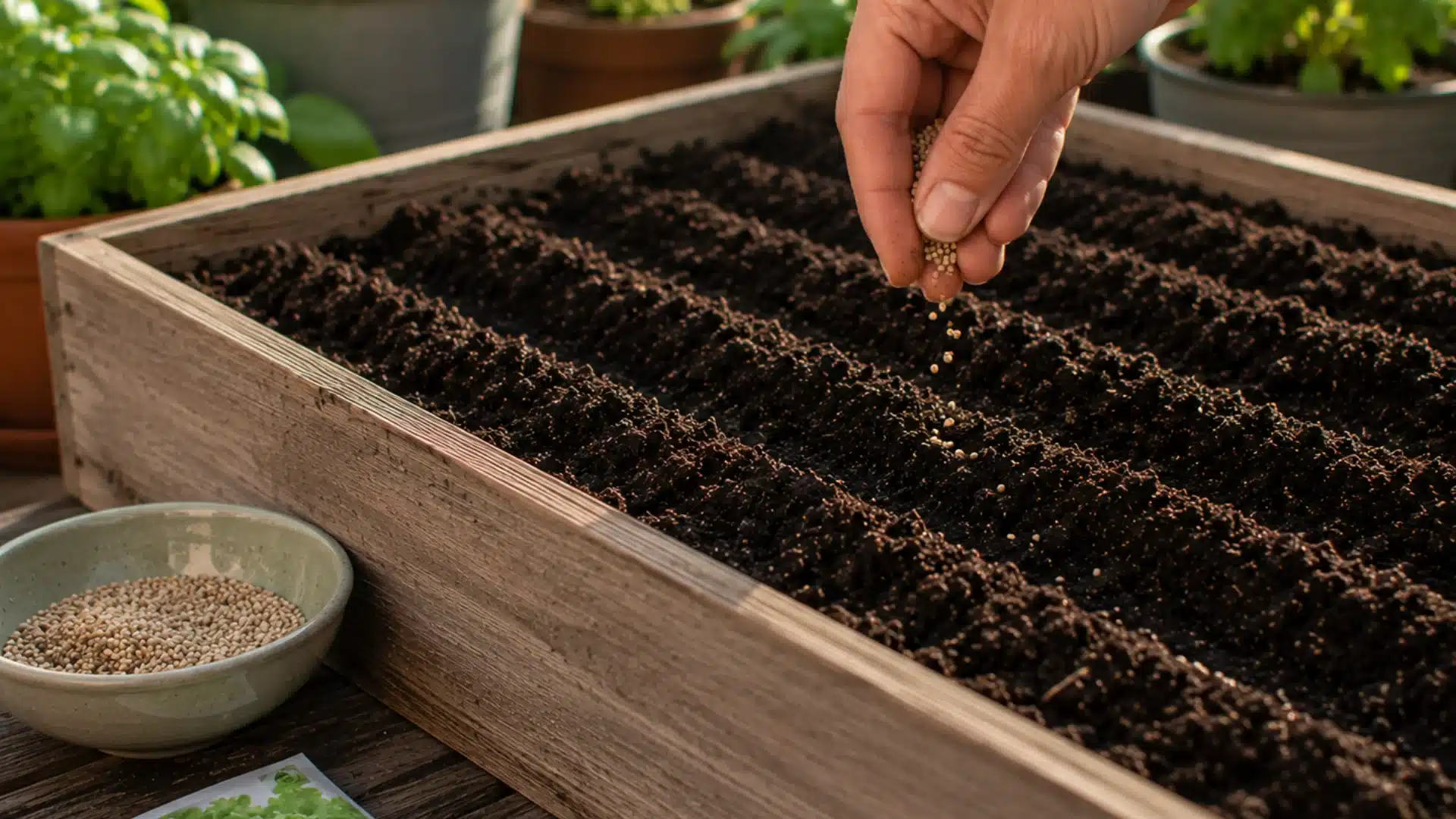
Lettuce seeds are tiny but they are easy to work with.
Scatter them lightly across the soil surface or plant them about a quarter inch deep in rows. You do not need to bury them too deep. They actually need a little light to germinate properly.
If you are sowing directly in a garden bed, space your rows about 12 to 18 inches apart. In containers, you can plant a little closer since you will be thinning as they grow.
Water gently right after planting. A heavy pour can wash seeds around or push them too deep. A light misting setting on a watering can works well here.
Step 4: Water Consistently
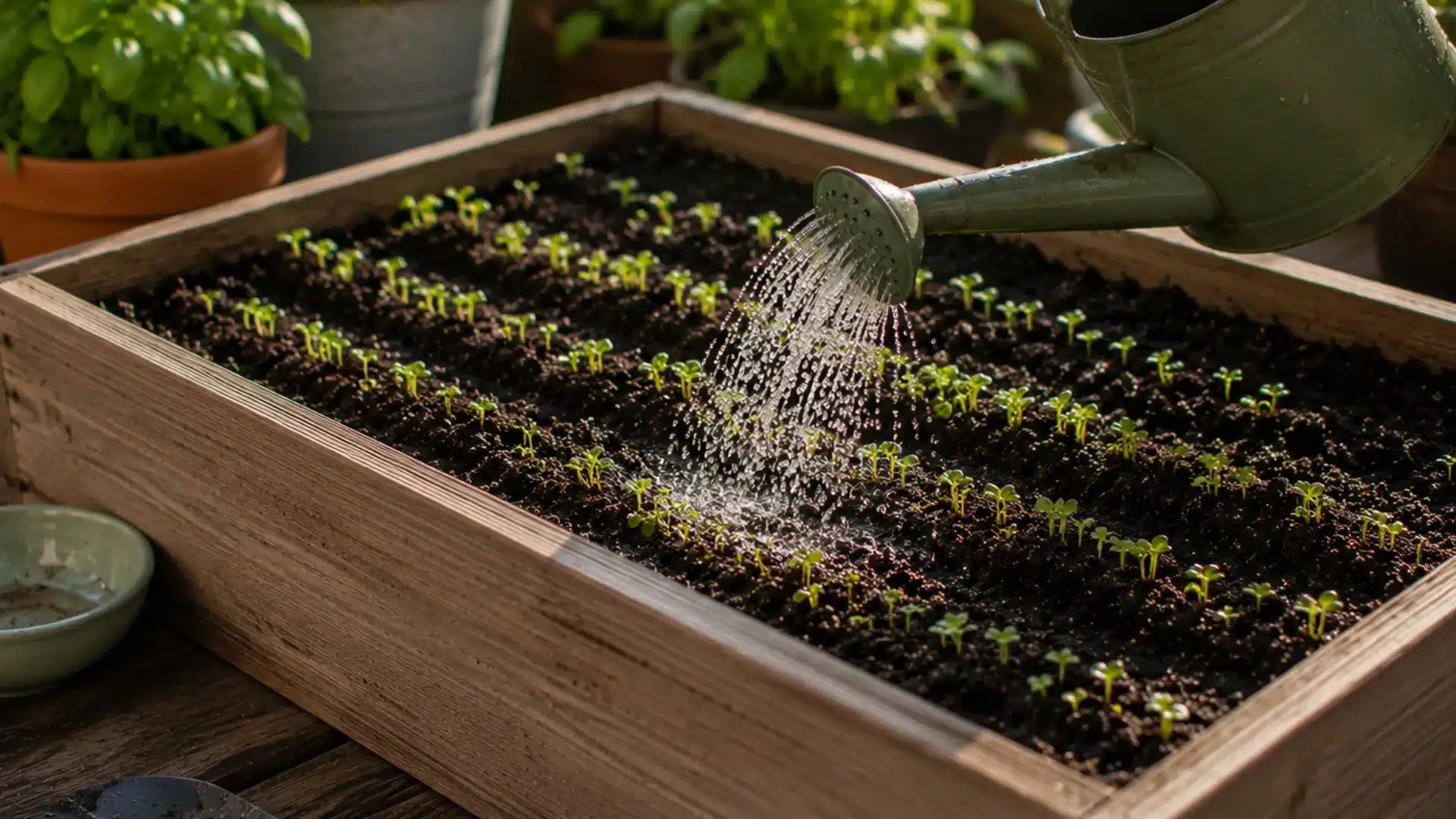
Lettuce likes moisture, but not too much.
The goal is to keep the soil evenly moist. Check the top inch of soil, and if it feels dry, water it. If it still feels damp, wait.
In warmer weather, you may need to water once a day. In cooler seasons, every couple of days is usually enough.
Morning watering works well because it gives the leaves time to dry out throughout the day, reducing the risk of fungal issues.
Avoid watering the leaves directly too often. Water at the base when you can.
Step 5: Give it the Right Amount of Sun
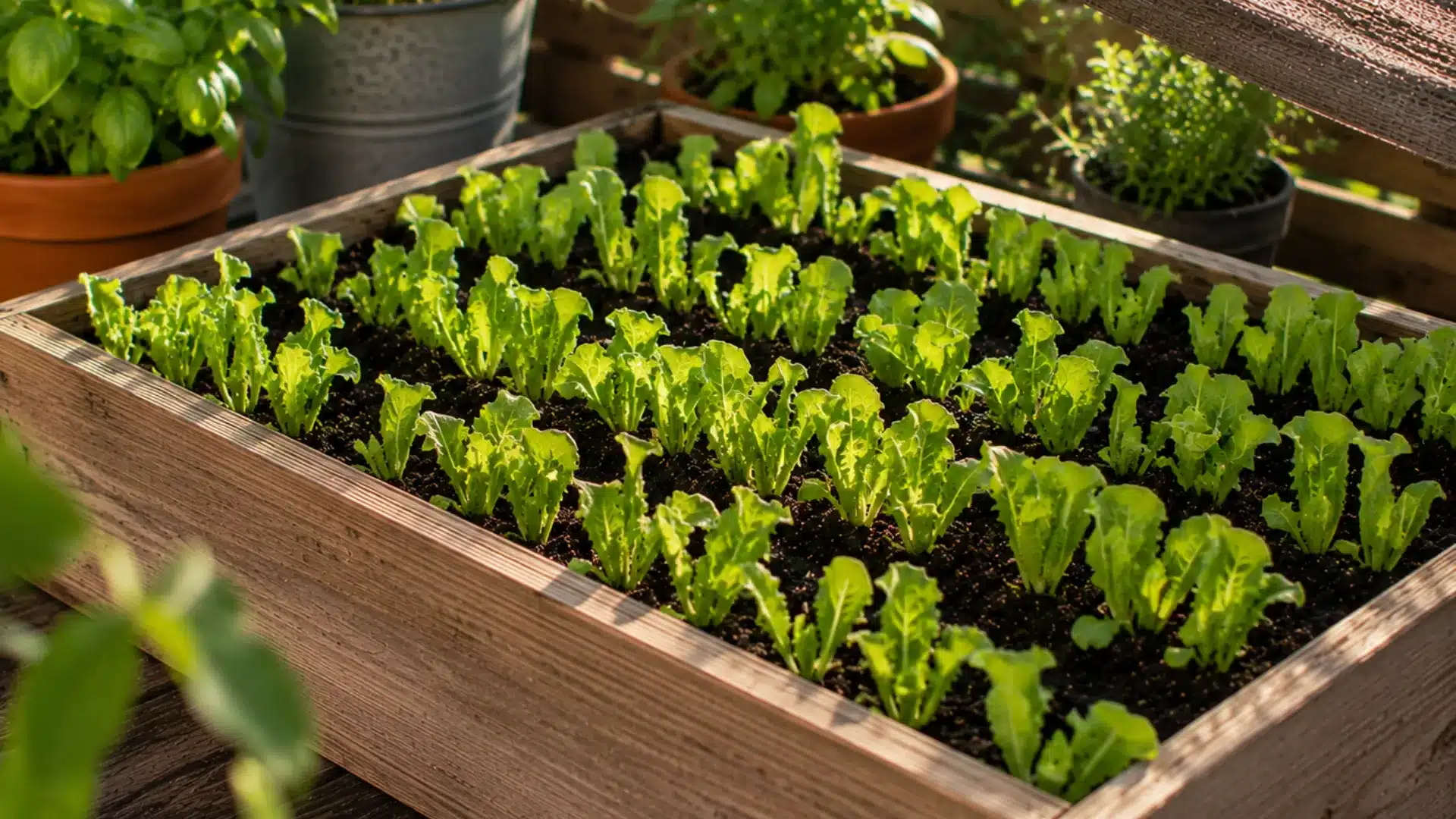
Lettuce grows best with about 6 hours of sunlight daily.
It can handle partial shade too, which actually helps in hotter months. Too much intense afternoon sun can cause the leaves to wilt or turn bitter faster.
If you live somewhere that gets very hot summers, a spot with morning sun and afternoon shade is ideal. I moved my pots to a shadier corner during peak summer, and the lettuce lasted several weeks longer before bolting.
Step 6: Thin the Seedlings
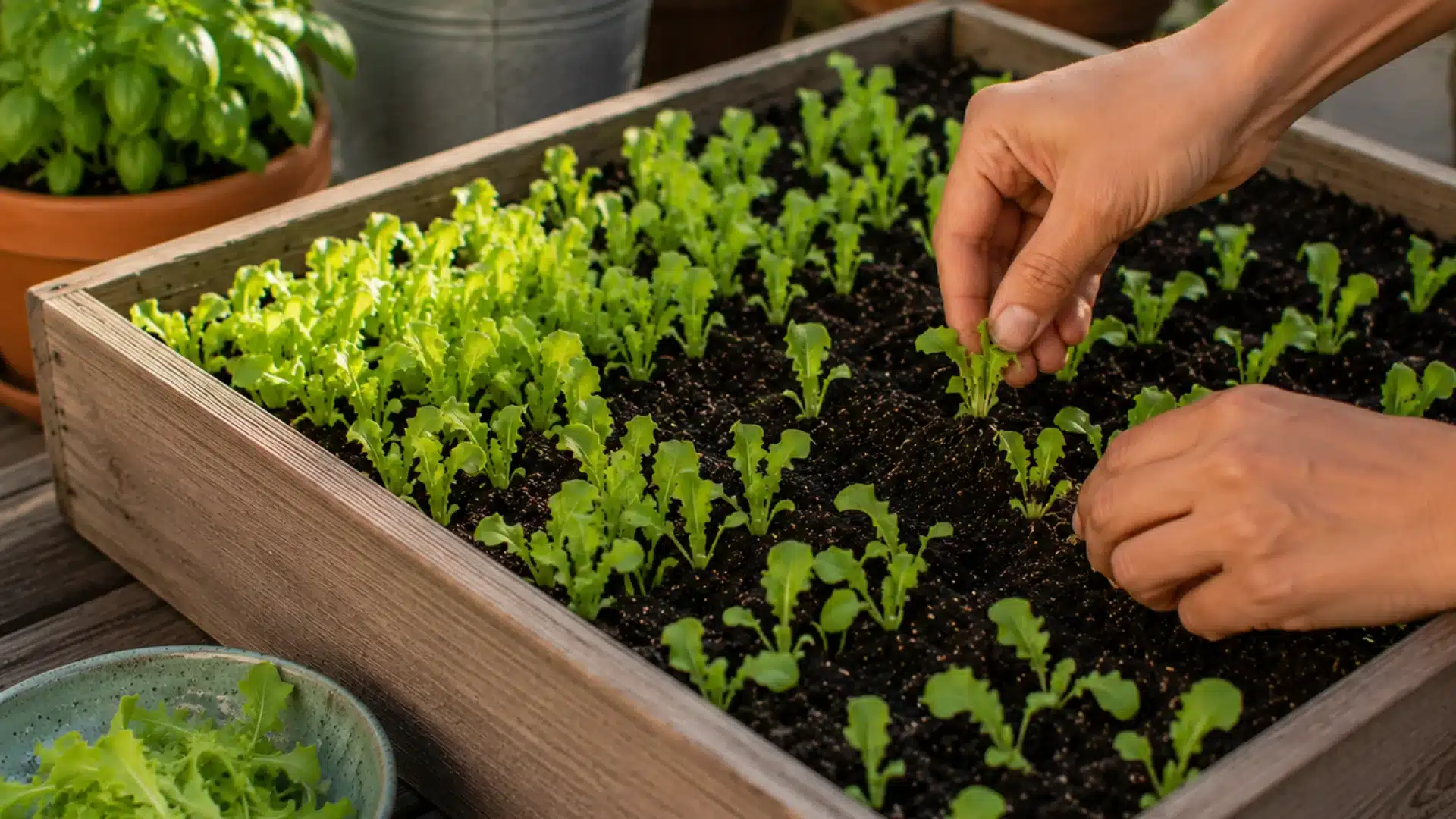
Once your seedlings are about 2 inches tall, thin them out. This just means removing some plants so the remaining ones have enough room to grow properly.
Aim for about 6 to 8 inches between plants for loose-leaf varieties.
I know it feels wrong to pull out perfectly healthy seedlings, but crowded lettuce gets leggy, weak, and more prone to disease.
The ones you thin out are also totally edible, so toss them in a salad and enjoy!
Step 7: Harvest at the Right Time
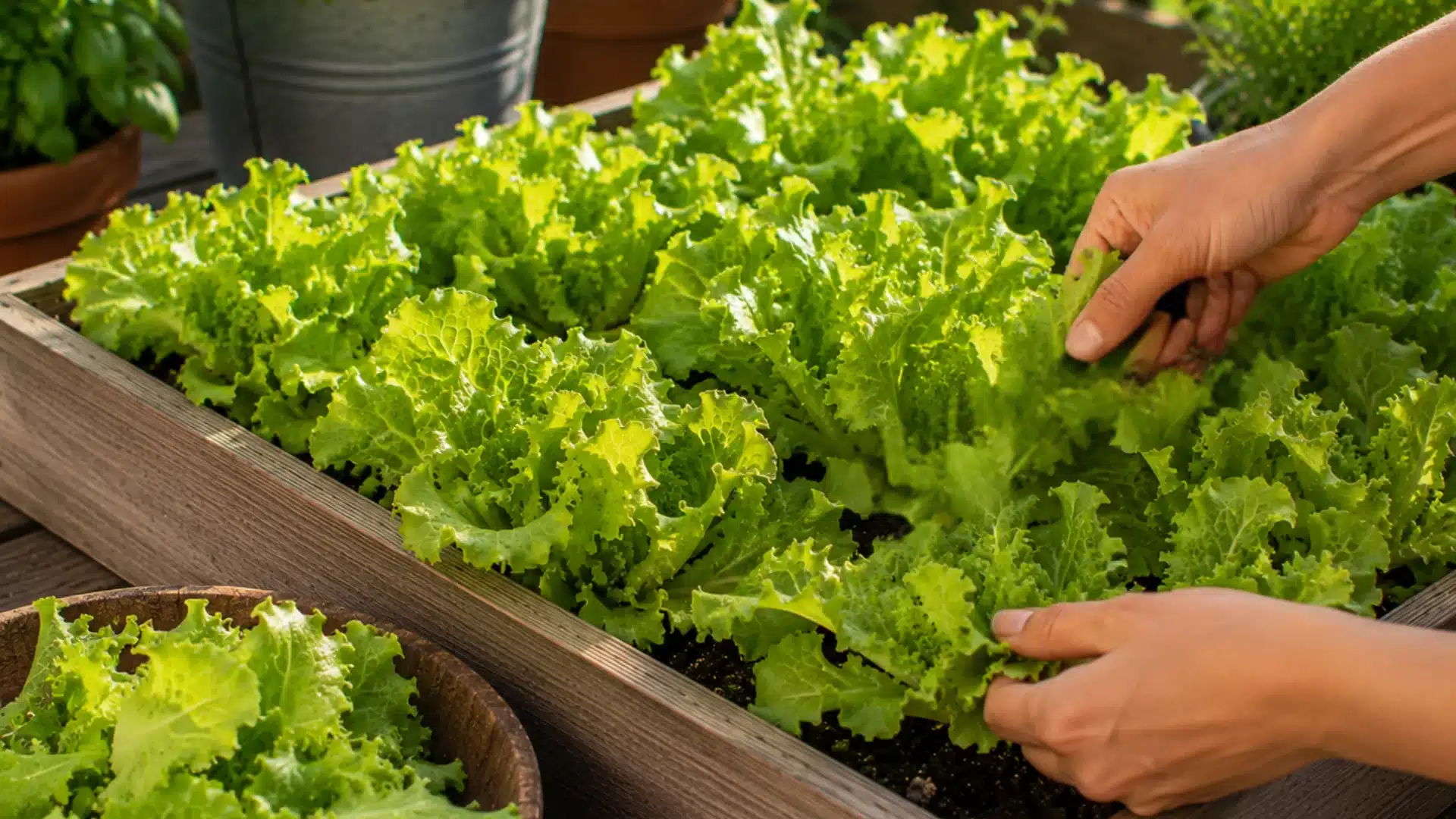
This is the best part. For loose-leaf varieties, you can start harvesting outer leaves once the plant is about 6 inches tall. Cut the outer leaves and leave the center to keep growing.
This is called cut-and-come-again harvesting, and it can keep you in fresh lettuce for weeks.
For head varieties like romaine or butterhead, wait until the head feels firm and full, then cut the whole plant at the base.
Harvest in the morning if you can. The leaves hold more moisture early in the day and stay crisp longer after cutting.
If You Are Wondering Whether You Can Grow Lettuce in Pots
Yes, 100%. Lettuce is actually one of the best vegetables for container gardening. You do not need a big yard or a raised bed to make it work.
What Size Pot Works?
A pot that is at least 6 to 8 inches deep is enough for loose-leaf varieties. For romaine or head lettuce, go a little deeper, around 10 to 12 inches.
Wide, shallow containers also work well since lettuce roots do not go very deep.
Can you Use Regular Containers?
Yes. I have grown lettuce in everything from standard plastic pots to old colanders lined with burlap.
As long as the container has drainage holes, you are good to go. Without drainage, water collects at the bottom, and the roots can rot.
What About Window Boxes?
These are great for lettuce. You can line one up on a balcony railing, a windowsill, or along a wall and grow a steady supply of cut-and-come-again leaves in a very small footprint.
How Long Does Lettuce Take to Grow?
This depends on the type.
- Loose-leaf varieties are the fastest. You can start picking outer leaves in about 30 to 45 days from seed.
- Romaine takes around 60 to 80 days to reach full size, though you can harvest outer leaves earlier.
- Butterhead varieties usually mature in 55 to 75 days.
- Iceberg is the slowest, often needing 70 to 85 days.
If you want a continuous supply, plant a new small batch every 2 to 3 weeks.
This is called succession planting, and it means you will always have something ready to harvest rather than everything coming up at once, leaving nothing for weeks.
One thing worth knowing: lettuce grows faster in cool weather. Spring and fall are ideal growing seasons. In high summer heat, lettuce tends to bolt, meaning it sends up a flower stalk and the leaves turn bitter. If that happens, pull the plant and start fresh.
Can Lettuce Be Grown Indoors as Well?
Absolutely! Growing lettuce indoors is very manageable and, honestly, kind of fun to watch. You do not need a greenhouse or a complicated setup.
What you need:
- A container with drainage holes
- Good potting mix, and
- A light source (indoor plants cannot pull sunlight the way outdoor ones do, so this one matters most)
Natural light: A south or west-facing window with at least 6 hours of bright light can work. But most indoor windows fall short in winter, leaving leaves pale and leggy from reaching toward the light.
Grow lights: A basic LED grow light placed a few inches above the plants for 12 to 16 hours a day makes a real difference. Even a simple clip-on light from a garden store does the job.
Temperature indoors: Lettuce prefers 60 to 70 degrees Fahrenheit. Most homes sit in that range naturally. Just keep pots away from heating vents since warm, dry air can speed up bolting.
Watering indoors: Indoor soil holds moisture longer than outdoor pots. Check the soil before watering instead of sticking to a schedule. Overwatering is one of the most common mistakes in indoor growing.
Loose-leaf varieties are still the top pick indoors. They grow fast in limited light and one pot can keep producing for weeks.
Grow it Well
Growing lettuce genuinely changed the way I think about fresh food at home.
It is one of those plants that gives back quickly, takes up very little space, and does not ask for much in return.
From pots on a balcony to a sunny windowsill indoors, there are so many ways to make it work, no matter where you live.
Start small, stay consistent with watering, and do not stress the small mistakes along the way.
Your first harvest of fresh, homegrown lettuce will absolutely be worth it.
Frequently Asked Questions (FAQ’s)
1. Does Lettuce Need Full Sun to Grow?
Lettuce grows well with 6 hours of daily sunlight but tolerates partial shade, especially in warmer months.
2. Can I Regrow Lettuce from a Store-Bought Head?
Yes, place the base in shallow water near a sunny window, and new leaves will sprout within a few days.
3. Why Are my Lettuce Leaves Turning Bitter?
Bitter leaves usually mean the plant is bolting due to heat. Harvest quickly and move the plant to a cooler, shadier spot.