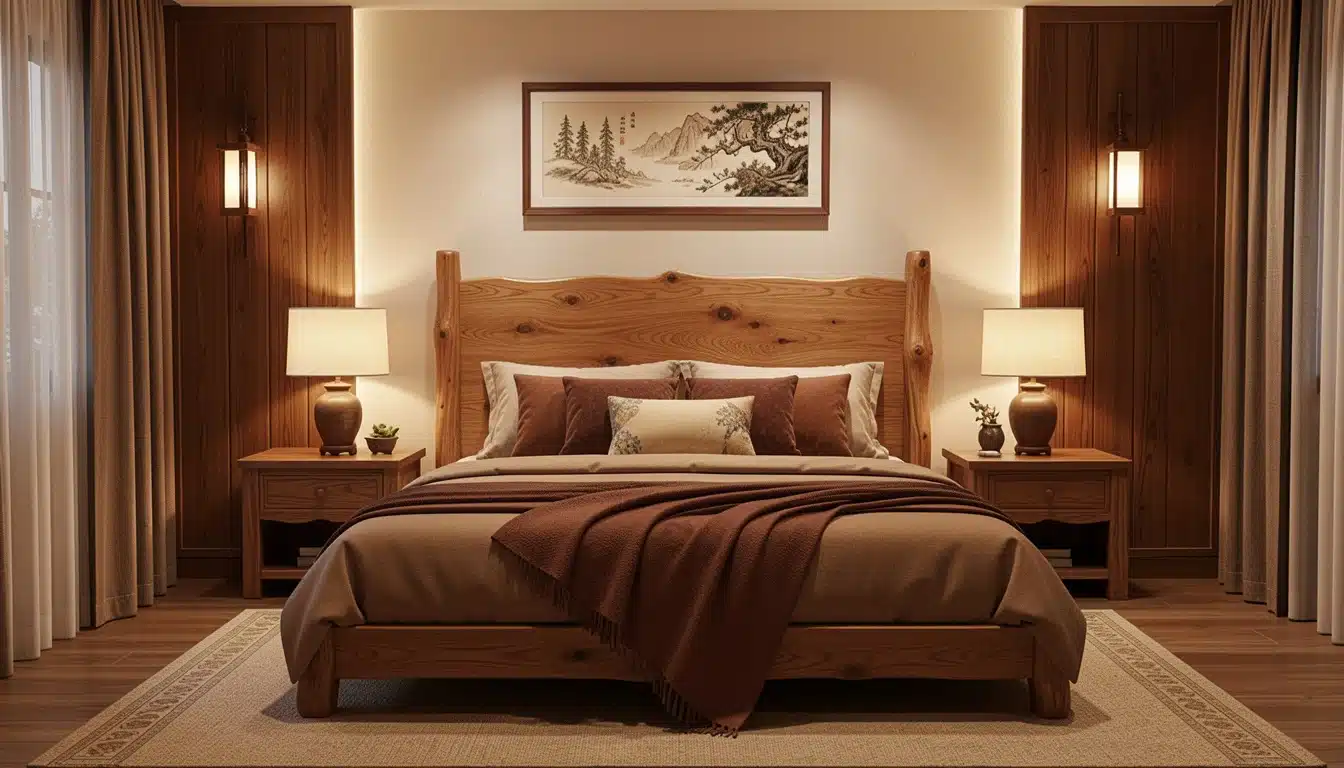
For years, the buffet cabinet had a fixed address: the dining room wall under a mirror, holding the dishes that came out twice a year. Meanwhile, games filled the living room shelves, bags landed by the front door, and spare linens took over a closet.
The dining room had first dibs on a shape that works across the house. Move it beside the sofa and game boxes can go behind a door, with chargers in a drawer and a lamp on top. In an entry, the same piece can catch dog gear without looking like a utility cabinet.
Start With the Mess You’re Trying to Hide
Name the mess before you fall for a finish. A dining area may need wide shelves for platters and folded linens. Beside the sofa, the cabinet may need to swallow game boxes and electronics. The contents decide whether doors, drawers, or adjustable shelves will help.
A buffet cabinet gives those items a home without the height of a hutch. Its broad top can hold a lamp or take a serving tray when friends come over. That combination makes the piece useful in rooms that have no connection to formal dining.
Open the doors before judging the cabinet from the outside. Deep shelves suit platters and board games. Drawers keep napkins or charging cables from disappearing at the back. Adjustable shelves help when the cabinet must hold objects that share no common shape.
Doors Beat Open Shelves When Life Gets Busy
Closed storage earns its keep on a Wednesday night when games and unopened mail are fighting for the same surface. Doors let the room recover fast without asking anyone to style a shelf before company arrives. That matters more than a perfect display on most weeks.
Glass doors work for dishes and books. Dog leashes and charging cables belong behind solid fronts.
A cabinet can mix both door types without turning every shelf into a display project. Check the glass from the main seat in the room because it may catch a bright window or the TV screen. Fluted or framed solid fronts add texture and keep the less presentable contents out of view.
One Long Wall Can Work Harder
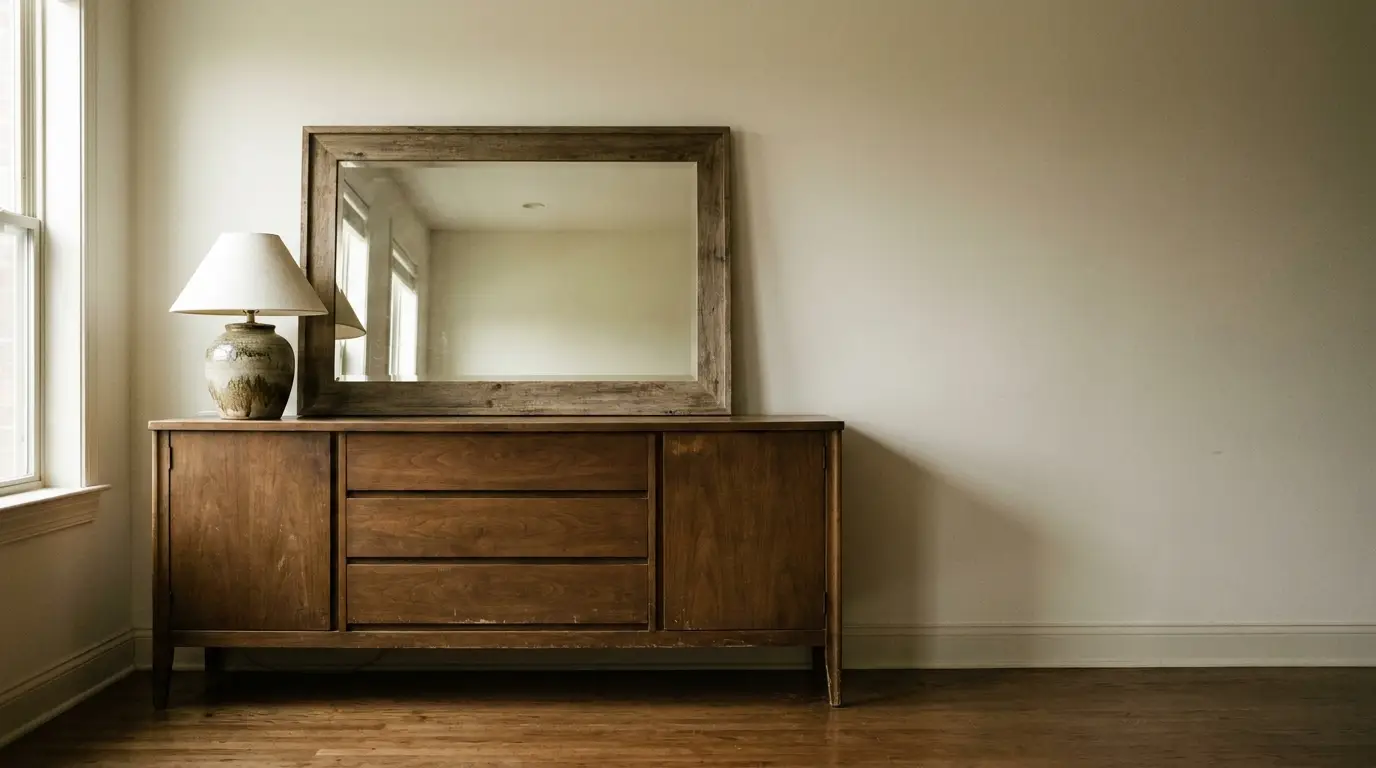
That blank stretch between the dining table and living area can make one short cabinet look stranded. A wide hallway creates the same problem: plenty of wall, one undersized piece, and no connection between the furniture and the space around it.
On a longer wall, modular cabinets let you build out the width one section at a time. Separate pieces can move to different rooms when the layout changes, which gives the group a life beyond that wall.
Leave open wall at both ends of the group. That margin keeps the cabinets from looking like a solid block and gives nearby trim or doorways room. Hang artwork or a wide mirror for the whole arrangement, not above one cabinet with the others trailing off beside it.
What Belongs on Top?
A buffet top should keep one usable stretch of surface. Style the rest for the room, but leave space for a serving dish, grocery bag, or stack of mail. A surface covered from edge to edge will collect clutter in front of the decor.
Use one tall object and one low group when the surface needs decoration. A lamp beside a short stack of books has enough height change to hold the wall. More small objects tend to look scattered, and they make dusting the cabinet a small moving project.
Seasonal decor works best when one item replaces another. Trade the branches for greenery or swap one bowl for a holiday piece. When the storage bins go back upstairs, the cabinet can return to its normal arrangement without a second round of styling.
Clean Lines Belong in Farmhouse Rooms
A farmhouse room has texture in its wood, rugs, and collected pieces. A clean-lined cabinet gives those details room through a quiet surface of its own. The contrast keeps the space warm and restrained, with no need for another distressed finish.
A walnut cabinet can sit beside an old pine table because the cabinet brings a quiet silhouette while the table carries age and wear. Black hardware can connect the pieces across the room. Matching every wood finish would make the space look bought as a set.
Mix wood tones with a shared undertone or repeat one finish in a frame. An exact match adds little. Warm woods tend to sit well together when a rug gives them common ground, while paint can separate two finishes that clash.
Measure Beyond the Footprint
Width and depth tell you whether the cabinet fits the wall. The doors tell you whether the cabinet fits the room. Check the swing against dining chairs and the main walking path. A drawer that opens into a chair becomes an annoyance after the first week.
Mark the cabinet footprint with painter’s tape, then mark the open doors. Walk past the outline and pull out the nearby chairs. Carry a laundry basket through the path. This short test catches problems that disappear when you measure against an empty wall.
Look at the baseboard before expecting the cabinet to sit tight to the wall. Check the nearest outlet as well; a solid back panel may block it unless the cabinet has a cable opening. Measure that gap before you order. Keep floor vents clear and preserve airflow.
Buy for the House You Have
A catalog photo cannot show how the cabinet will handle your week. Glass fronts make little sense when toys and dog leashes are what you need to hide. Deep doors can interfere with a narrow path, and a pale finish near muddy shoes may demand more care than you want to give it.
Choose a piece that can keep working after the room changes. A dining buffet can move to the living room or a wide hallway after a move. Plain function has a longer life than a cabinet built around one narrow decorating idea.
Put the buffet where its doors can hide a recurring mess and its top can serve the room. Name what will go inside, then mark where the doors will open. That test tells you more than the styled photograph ever will.