A single 8×10 watercolor painting of a lemon on white cotton paper cost me exactly forty-five minutes and zero dollars beyond supplies I already owned. The framed print I almost bought instead from an online art marketplace was $89 plus shipping. It depicted a lemon. Same lemon energy, roughly the same size, but someone else had painted it in a studio I would never visit, and the connection ended at checkout. That price difference is what got me thinking about the blank walls in my dining room and whether I had been approaching the whole “gallery wall” idea completely wrong.
Why Buying Art for Your Walls Feels so Weirdly Stressful
There is a specific kind of paralysis that happens when you stand in front of a bare wall with a tape measure and a budget. You scroll through thousands of prints online. You save forty options. You buy none. The problem is rarely about money alone. It is about commitment.
A piece of wall art says something about you, and that pressure makes even a $20 poster feel like a high-stakes decision.
Here is the thing most home decor advice skips over: you do not actually need to buy finished art. You can paint it. And before you close this tab because you got a C in art class in 1997, hear me out. The gallery walls that feel the most personal, the ones guests actually ask about, are almost never store-bought prints arranged in a grid. They are collected, layered, and often a little imperfect. That imperfection is what gives a room warmth. Watercolor, as a medium, practically hands you that warmth for free.
Watercolor Is the Easiest Medium for DIY Wall Art (and I Will Defend that Position)
I have tried acrylics, oils, and even spray paint on canvas. Every one of those required significant setup, cleanup, and drying time. Watercolor is different. You need pigment, water, a brush, and paper. The paint dries in minutes. If you spill, it wipes up with a damp cloth. There is no turpentine smell drifting into your living room for three days. For someone whose creative time comes in short bursts between laundry loads and dinner prep, this matters more than any technique tutorial ever could.
The actual painting process is forgiving in a way other mediums are not. Watercolor bleeds and blends on its own. You put down a wash of blue, tilt the paper slightly, and gravity does half the composition work. Abstract pieces, loose florals, simple color-block landscapes: these all look genuinely good in frames, and none of them require drawing skill. A beginner who has never held a brush can produce a piece worth hanging in under thirty minutes. I have watched it happen at my own kitchen table with friends who insisted they had “no artistic ability.”
Every single one of them left with something they wanted to frame.
How to Actually Create a Gallery Wall with Your Own Paintings
Start with your color palette, not your subject matter. Look at the room where the art will hang. Pull two or three colors from your existing decor: the green in your throw pillows, the warm beige of your curtains, the dusty pink in a vase on the shelf. Paint abstract washes, simple shapes, or loose botanicals using those tones. This is the secret to making DIY art look intentional rather than random. Consistency in color ties mismatched frames and different painting styles into a cohesive wall. You do not need a theme. You need a shared palette.
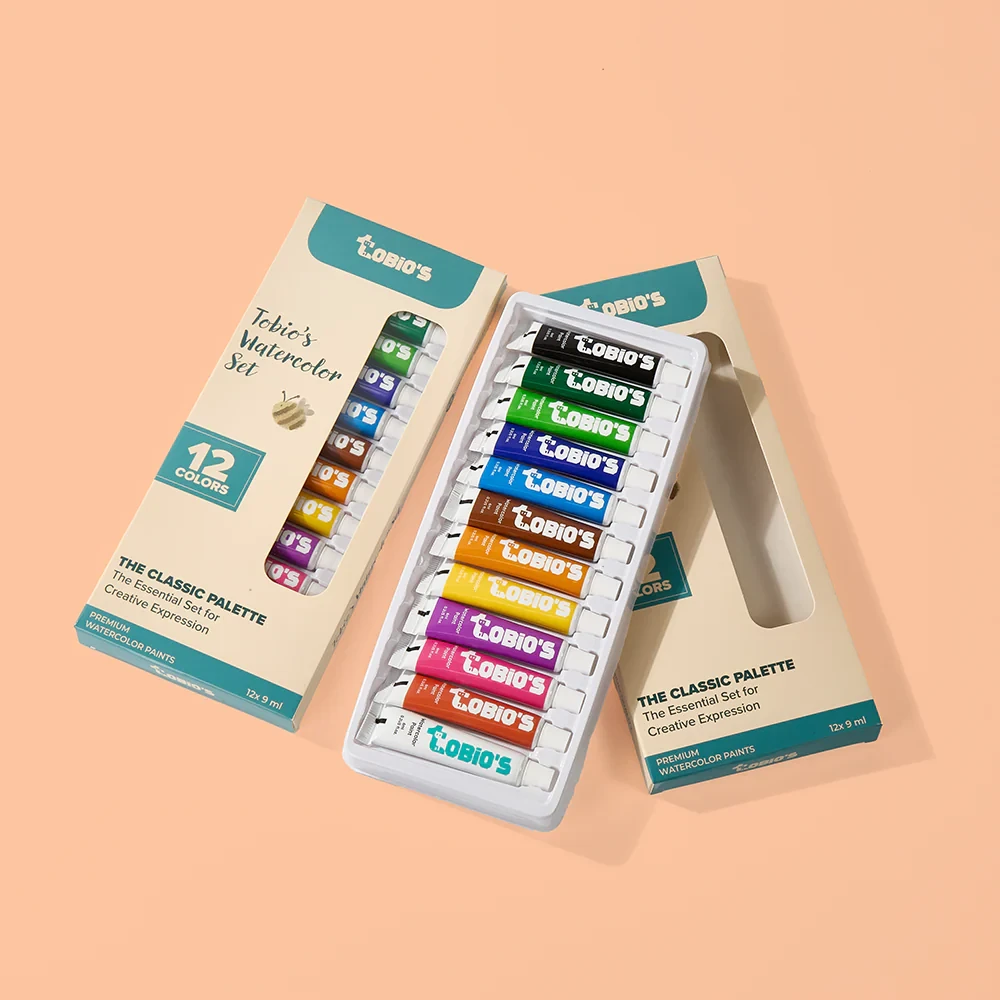
For supplies, the barrier to entry is genuinely low.
A pocket-sized set of watercolor paints with a built-in water brush and cotton paper gives you everything in one compact unit, which is especially useful if you do not have a dedicated craft space. Paint at the kitchen counter, the back porch, or the couch. Cut your finished pieces to different sizes. Mix frame styles from thrift stores: a gold oval here, a simple white rectangle there, a clipframe for something you might swap out next season.
Odd numbers of frames tend to look more natural on a wall, so aim for five or seven pieces to start.
The Part Where Your Walls Actually Start to Mean Something
I have a small watercolor of a coastline I painted on holiday in Cornwall hanging next to a loose sketch of my kitchen herbs and an abstract wash I did while waiting for a cake to bake. None of them would win a competition. All of them remind me of a specific afternoon. That is what mass-produced prints cannot give you. Every brushstroke on your wall carries a small memory, and those accumulate into something that makes a room feel genuinely yours.
The honest truth about gallery walls is that they are never really finished. You will paint something better next month and want to swap a piece out. That is the whole point. Your walls become a living, rotating collection of your own creative progress.
The first painting you hang will probably make you cringe in a year, and that is a wonderful thing.
It means you kept going. It means the blank wall that once stressed you out became the reason you picked up a brush in the first place. So grab some cheap frames, clear a bit of table space, and paint a lemon. Or a cloud. Or just a wash of your favorite color. Your walls are waiting, and they honestly do not care whether you are any good yet.