I once visited a home where the owner had become used to the kitchen lights flickering whenever the kettle was switched on. It had happened for so long that it felt like part of the house’s personality. After an electrician inspected the property, the harmless-looking flicker was traced to a loose connection that had been heating behind the switchboard.
Electrical problems often begin quietly. A warm outlet, an occasional burning smell or a circuit breaker that trips once a week may seem easy to ignore. Yet these symptoms can point to damaged wiring, overloaded circuits, deteriorated fittings or loose connections. Recognising the early warnings and arranging professional repairs can protect occupants, appliances and the property itself.
Why Electrical Warning Signs Should Never Be Ignored
Electricity usually works silently, so unusual heat, sound, smell or behaviour deserves attention. A small fault can deteriorate as current repeatedly passes through a damaged connection. Loose terminals may generate heat, insulation can break down and moisture can reach components that were designed to remain dry.
Not every electrical problem creates an immediate emergency, but delaying inspection gives the fault more time to spread. A defective outlet might damage connected appliances, while an overloaded circuit can keep interrupting daily routines. Early repairs are often more contained than work required after widespread damage has occurred.
Warning signs that need prompt attention include:
- Burning or melted-plastic odours
- Smoke, sparks or visible arcing
- Hot power points or switches
- Repeated circuit-breaker trips
- Buzzing or crackling sounds
- Scorch marks around electrical fittings
- Electric shocks or tingling sensations
- Flickering lights across several rooms
- Damaged wiring or exposed conductors
- Water entering electrical equipment
If there is smoke, fire, severe sparking or an electric shock, keep clear of the affected area and contact emergency services when required. Do not touch a person who remains connected to an electrical source.
Flickering or Dimming Lights
A single flickering globe may simply be loose, damaged or nearing the end of its service life. When several lights flicker together, or brightness changes whenever a major appliance starts, the cause may involve the circuit, switchboard, wiring or electricity supply.
Patterns provide useful clues. Lights that dim when an air conditioner starts may indicate voltage drop or a heavily loaded circuit. Flickering that occurs during wind or rain could point to a connection or supply issue. An electrician can test the system and determine whether the problem is inside the property or associated with the incoming supply.
Record details such as:
- Which rooms or fittings are affected
- Whether the problem occurs at a certain time
- Which appliances are operating when it happens
- How long the flickering lasts
- Whether switches or outlets feel warm
- Whether circuit breakers trip at the same time
- Whether neighbouring properties have similar problems
Avoid repeatedly changing globes if the same fitting continues to flicker. The fault may sit behind the fitting, inside a switch or elsewhere on the circuit.
Circuit Breakers That Trip Repeatedly
Circuit breakers and safety switches are designed to disconnect power when they detect certain unsafe conditions. A trip is a protective response, not an inconvenience to bypass. Resetting the switch again and again without finding the cause can expose the property to further risk.
A circuit may trip because too many high-demand appliances are operating together, an appliance has developed a fault, wiring is damaged or moisture has entered electrical equipment. Safety switches may also respond to current leaking from its intended path.
When a breaker trips:
- Turn off and unplug appliances on the affected circuit where safe.
- Do not force a switch that will not remain on.
- Note which appliances were running.
- Check whether the event followed rain, cleaning or a water leak.
- Keep occupants away from damaged fittings.
- Contact a licensed electrician if the trip repeats.
- Stop using any appliance suspected of causing the fault.
Never replace a breaker with a higher-rated device simply to stop tripping. Circuit protection must match the wiring and connected equipment. Changing its rating without proper testing could allow cables to overheat.
Burning Smells, Smoke or Scorch Marks
A burning smell near a switchboard, outlet, appliance connection or light fitting requires fast action. Electrical insulation, plastic fittings and dust can produce distinct odours when overheated. The source may be hidden inside a wall even when no smoke is visible.
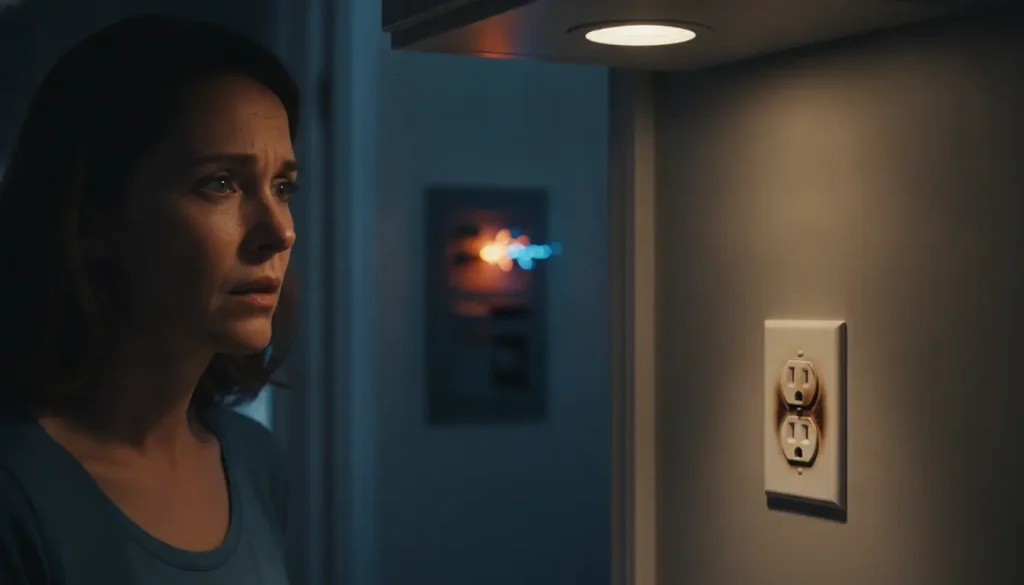
Brown marks, discolouration or melted surfaces around an outlet suggest excessive heat or arcing. Do not plug another device into the outlet to test it. Stop using the fitting and arrange an inspection.
Possible causes include:
- Loose terminals
- Overloaded power points
- Damaged appliance plugs
- Deteriorated cable insulation
- Internal arcing
- Incorrectly fitted components
- Poor-quality extension leads or adaptors
- Heat trapped around recessed lighting
- Water or pest damage
Where it is safe to do so, power to the affected circuit may need to be isolated at the switchboard. If there is active smoke or fire, leave the area, call Triple Zero and follow emergency instructions.
Warm Power Points, Switches or Switchboards
Some electrical equipment naturally produces a small amount of warmth, but standard light switches and general-purpose outlets should not become noticeably hot during normal use. Heat may indicate a loose connection, overloading or damage within the fitting.
Warmth can be particularly concerning when accompanied by buzzing, odour, discolouration or intermittent power. Children and pets should be kept away from the area until it has been checked.
Pay close attention to:
- Outlets supplying heaters or portable air conditioners
- Power boards connected to several appliances
- Older switches with loose movement
- Switchboards with discoloured components
- Kitchen outlets used for high-powered appliances
- Outdoor fittings exposed to moisture
- Plugs that feel unusually hot after use
- Loose outlets that move within the wall
Do not remove the faceplate or attempt to tighten internal connections. Fixed electrical wiring in Australia must be handled by appropriately licensed professionals.
When Should You Contact a Residential Electrician Sydney?
A residential electrician Sydney property owners can rely on should be contacted when electrical symptoms repeat, involve heat or smell, affect several rooms or create uncertainty about safety. Professional testing can locate faults that are invisible from the surface.
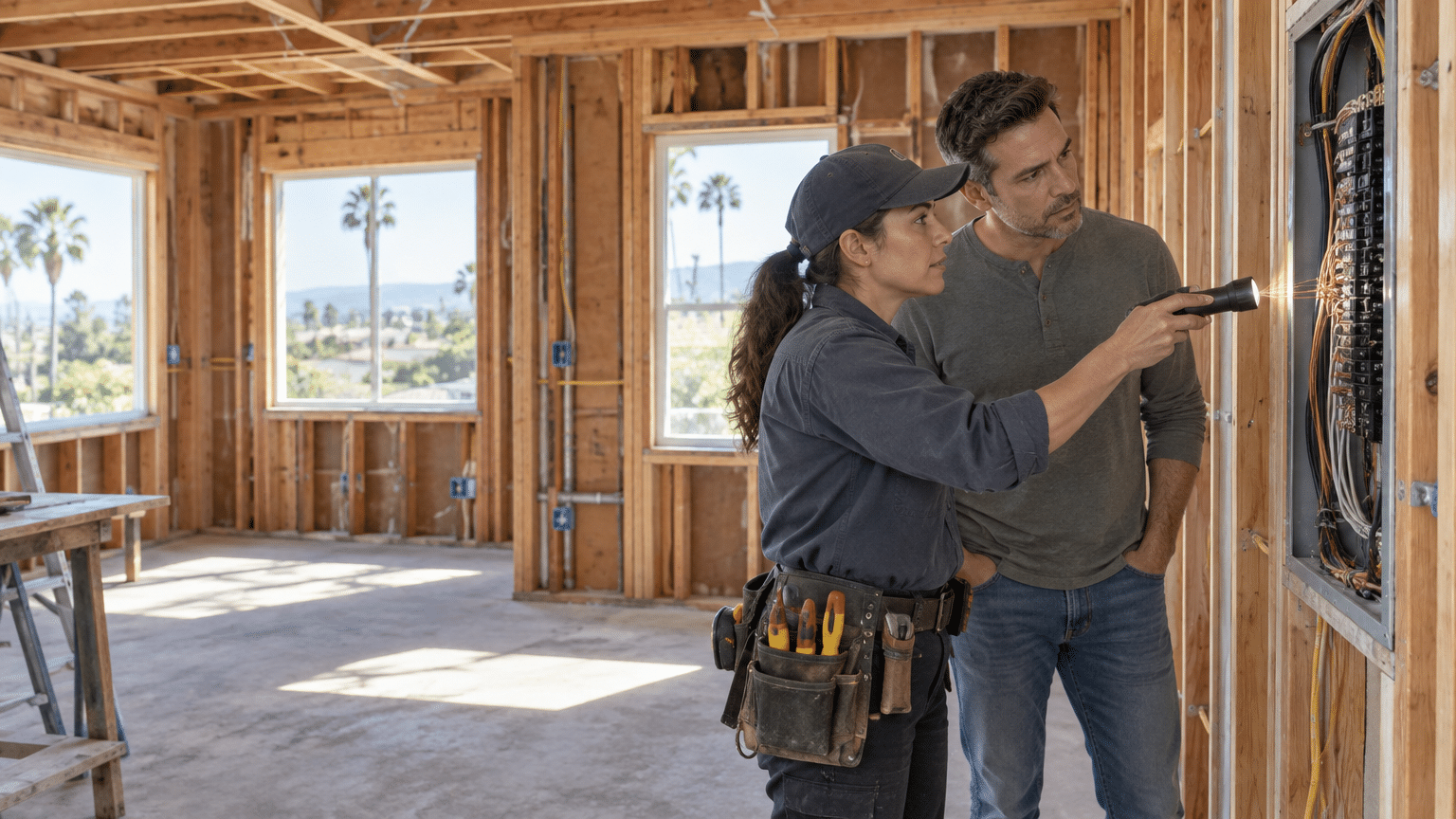
An electrician may inspect the switchboard, test circuits, check protective devices and examine affected fittings. They can then distinguish between an isolated component failure and a broader problem involving outdated or damaged wiring.
Arrange professional help when:
- Safety switches or breakers trip repeatedly
- Lights flicker across multiple rooms
- Outlets spark, buzz or feel hot
- A person receives an electric shock
- Wiring has been affected by water
- Renovations reveal old or damaged cables
- The switchboard has outdated components
- A property has no clear electrical maintenance history
- Additional high-demand appliances are being installed
- Previous repairs appear unlicensed or incomplete
Provide the electrician with a clear description of the symptoms and when they occur. This history can shorten diagnostic time and help reproduce intermittent faults.
Buzzing, Crackling or Humming Sounds
Electrical systems should not produce crackling from outlets, switches or wall cavities. These sounds can indicate arcing, loose components or deteriorating connections. A humming switchboard may also need inspection, particularly when the sound is new or growing louder.
Intermittent sounds are still meaningful. Heat expansion, appliance loads or vibration may cause a damaged connection to behave differently at various times of day. Recording the time and surrounding activity can help an electrician trace the source.
Do not place your ear directly against a switchboard or remove covers to locate a sound. Keep a safe distance, stop using the affected fitting and arrange professional testing.
Some appliances produce normal operating sounds, but noise coming from fixed wiring or protective equipment should not be dismissed. If the sound appears alongside heat, smell, sparking or power loss, treat the matter as urgent.
Electric Shocks and Tingling Sensations
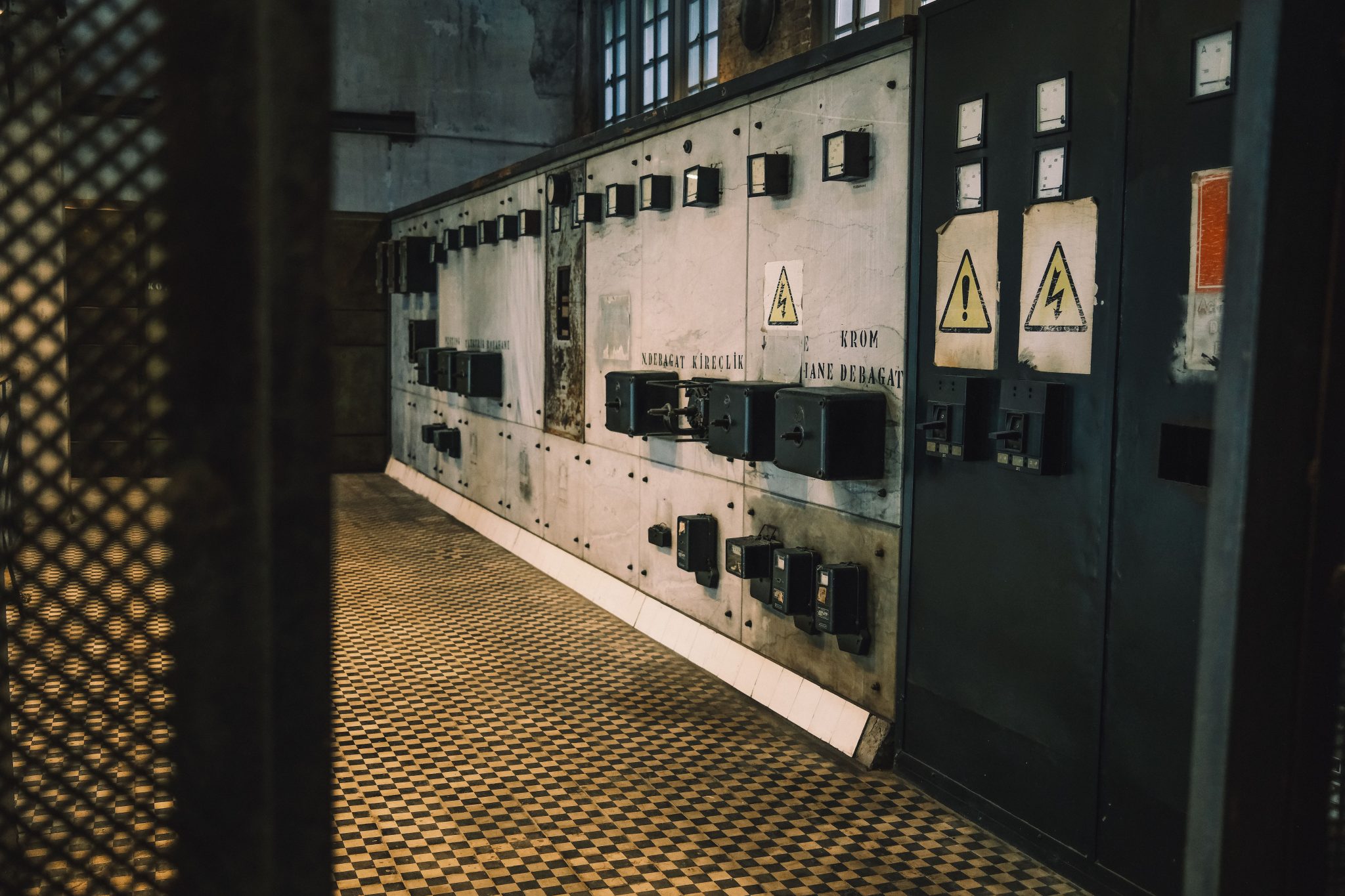
Even a mild shock from a tap, appliance, light switch or metal fitting is a serious warning. It may indicate faulty earthing, damaged insulation, current leakage or a defective appliance. The next contact could produce a more severe injury.
Do not touch the fitting again to confirm what happened. Stop using the area, keep other people away and arrange urgent assistance. If somebody has received an electric shock, seek medical advice because internal injuries may not be immediately visible.
Tingling may be noticed from:
- Metal taps or sinks
- Appliance casings
- Light switches
- Power points
- Pool or spa equipment
- Outdoor taps and structures
- Switchboard enclosures
- Damp floors near appliances
Water and electricity create a particularly dangerous combination. Do not enter a flooded area containing electrical equipment or attempt to unplug wet appliances while standing on a damp surface.
Outlets That Are Loose, Damaged or No Longer Work
A loose power point can place strain on internal wiring whenever a plug is inserted or removed. Cracked faceplates can expose internal parts, while outlets that only work when a plug is held at an angle may contain worn or damaged contacts.
Dead outlets do not always mean the fitting itself has failed. The cause may be a tripped protective device, loose connection, cable fault or upstream problem on the same circuit.
Watch for:
- Plugs falling out easily
- Movement in the wall plate
- Cracked or missing covers
- Intermittent power
- Sparks during normal connection
- Black marks around socket openings
- Child-safety shutters that no longer operate
- Outdoor outlet covers that do not close
- Extension leads used as permanent wiring
Avoid taping damaged fittings or relying on extension leads as a long-term substitute. An electrician can replace defective components and check whether the surrounding wiring has also been affected.
Older Wiring and Outdated Switchboards
Older properties were often built before households used today’s number of appliances, chargers, air conditioners and entertainment devices. Age alone does not prove that wiring is unsafe, but deterioration, previous alterations and limited circuit capacity may increase the need for inspection.
An outdated switchboard may contain older protective equipment that does not provide the same features as a modern installation. Renovations and major appliance upgrades also offer a good opportunity to review whether existing circuits remain suitable.
Clues that an electrical system needs evaluation include:
- Ceramic fuses or visibly aged switchboard equipment
- Cloth, rubber or brittle cable insulation
- Limited numbers of outlets
- Frequent use of double adaptors and power boards
- Unlabelled circuits
- Mixed wiring from several renovation periods
- Missing safety switches on relevant circuits
- DIY-looking joints or exposed cabling
- No records of recent electrical work
Do not disturb old wiring to inspect it yourself. Cable insulation may crumble when moved, turning a hidden weakness into an immediate hazard.
Electrical Problems After Water Leaks or Storms
Roof leaks, burst pipes, flooding and wind-driven rain can affect wiring, ceiling lights, exhaust fans and outdoor equipment. A fitting may appear dry on the outside while moisture remains inside its connections or surrounding building materials.
Power should not be restored to water-affected equipment until it has been inspected and declared safe. Drying the visible surface does not prove that internal components are free from contamination or damage.
After a leak or storm:
- Keep clear of wet electrical fittings.
- Do not touch a wet switchboard.
- Avoid entering flooded rooms if power may still be present.
- Photograph damage only from a safe position.
- Contact the electricity distributor if supply infrastructure is damaged.
- Arrange electrical testing before reusing affected circuits.
- Replace damaged equipment where recommended.
- Repair the source of water entry.
Outdoor lighting, pumps and garden outlets also deserve attention after severe weather. Broken covers and damaged conduits can allow moisture to reach live parts.
Warning Signs in Commercial Properties
Commercial systems often support larger loads, longer operating hours and more specialised equipment than homes. A fault can interrupt staff productivity, customer service, security systems or refrigeration. It may also affect several tenancies within the same building.
A licensed commercial electrician Sydney businesses use can inspect distribution boards, lighting, equipment connections and recurring power-quality problems. Planned maintenance can identify heat damage or loose components before they cause an unplanned shutdown.
Commercial warning signs include:
- Machinery causing repeated circuit trips
- Lights flickering during equipment startup
- Hot distribution-board components
- Burnt smells near plant or server rooms
- Emergency lighting faults
- Damaged outlets in high-traffic areas
- Overloaded power boards under workstations
- Unexplained equipment resets
- Increased electrical noise
- Water entry near electrical infrastructure
Staff should have a clear process for reporting faults. Temporary workarounds, such as moving equipment to another overloaded circuit, may spread the problem rather than resolve it.
What Can Property Owners Safely Check?
Property owners can observe and document symptoms, but diagnosis and fixed-wiring repairs should be left to licensed electricians. A visual check can still help identify damage without opening equipment or touching internal components.
Create a simple property record containing the date, location, symptom and equipment operating at the time. Photographs of visible damage can also help, provided they can be taken safely.
Safe observations may include:
- Whether a breaker has tripped
- Which rooms have lost power
- Whether an outlet looks cracked or burnt
- When flickering occurs
- Whether rain preceded the problem
- Which appliance was connected
- Whether unusual sounds or smells are present
- Whether the fault is becoming more frequent
Do not dismantle fittings, test exposed wires or perform improvised repairs. Electrical hazards are not always visible, and switching off one circuit may not isolate every source in a complex installation.
Act Before a Small Warning Becomes a Major Failure
Electrical systems often provide subtle warnings before a serious breakdown. Flickering lights, heat, noise, repeated trips and damaged outlets are the property’s way of raising a red flag. Treating those signs as useful information can prevent a minor fault from becoming a larger safety or repair issue.
If your property displays any recurring or unexplained electrical symptoms, stop using the affected equipment and contact a licensed electrician. A timely inspection can identify the source, restore dependable operation and give occupants greater confidence in the spaces where they live or work.
Frequently Asked Questions About Residential Electricians in Sydney
When Should I Call a Residential Electrician in Sydney?
Call a residential electrician when breakers trip repeatedly, lights flicker across several rooms, outlets feel hot or electrical fittings produce burning smells, buzzing or sparks. Electric shocks and water-affected equipment require urgent attention.
You should also arrange an inspection before major renovations, installing high-demand appliances or purchasing an older property with limited electrical records. Early professional testing can locate developing faults before they cause broader damage.
Can a Residential Electrician Repair a Constantly Tripping Circuit?
Yes. A residential electrician can test the circuit, connected appliances and protective devices to identify why it keeps tripping. Common causes include overloads, faulty appliances, damaged wiring, moisture and current leakage.
Avoid repeatedly resetting the breaker or replacing it with a higher-rated unit. The electrician must identify the underlying fault and confirm that the circuit protection suits the wiring. The repair may involve replacing a component, correcting damage or adding a suitable circuit.
How Quickly Should an Electrician Inspect a Warm Power Point?
A warm power point should be checked promptly, particularly if it is hot, discoloured, loose, buzzing or producing an odour. Stop using it and keep people away until a licensed electrician has inspected the fitting.
Heat may come from overloading, worn contacts or a loose connection behind the outlet. These faults can worsen during continued use. Do not remove the cover or attempt to tighten the wiring yourself.
Can a Residential Electrician Check Wiring After a Water Leak?
Yes. A residential electrician can inspect and test circuits, outlets, lights and appliances affected by a roof leak, burst pipe or flooding. Some components may need replacement even after the visible area has dried.
Do not touch wet electrical equipment or restore power to affected circuits before professional testing. If water is near the switchboard or supply equipment, keep clear and seek urgent help. The water source should also be repaired.
What Information Should I Give a Residential Electrician?
Describe the exact symptom, where it occurs, when it began and how often it happens. Mention any connected appliances, recent renovations, storms, leaks, unusual smells, sounds or breaker trips. Photos may help when taken from a safe location.
Clear details allow the electrician to prepare suitable testing equipment and parts. Tell them immediately if the issue involves shocks, smoke, heat or water because these signs may change the urgency and safety response.