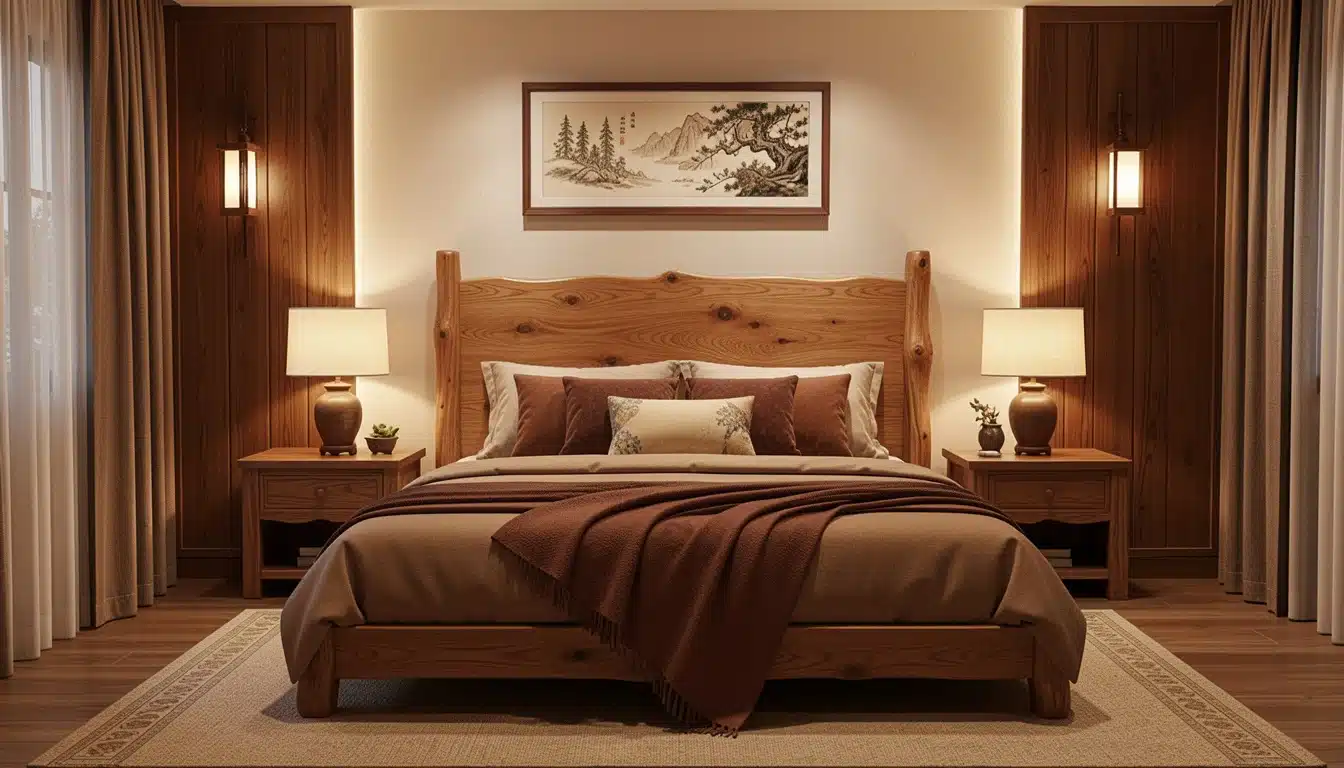
Looking for furniture that adds both storage and style?
It’s hard to find something useful that also looks great. That’s where learning what a sideboard is can help.
Whether you call it a sideboard, buffet, or credenza, it’s a must-have in modern homes.
In this blog, you’ll learn what a sideboard is, how to choose the right one, and simple ways to style it beautifully.
What is a Sideboard and What is it Used for?
So, what is a sideboard? It’s a long, low cabinet with drawers or doors for storage and a flat top for display.
Most people place it against a wall in the dining room, living room, or hallway. It’s a mix of style and function, great for storing items while adding beauty to your space.
What are the Uses of a Sideboard?
A sideboard is one of those furniture pieces that does more than one job. Here is what I have seen how people use it at home.
Storage: It holds everyday dining items like dishes, glassware, silverware, and table linens. Everything stays out of sight but within easy reach.
Serving Surface: The flat top works well during meals. You can lay out food and drinks for guests to help themselves. It is ideal for buffet-style dining.
Display Space: Many people use the top to display decorative items like vases, lamps, photo frames, and artwork. It adds a personal touch to any room.
Beyond the Dining Room: A sideboard also works in the living room for storing electronics and remotes. In the entryway, it holds keys and mail. In a home office, it stores documents and supplies.
No matter where you place it, a sideboard keeps your space organised and looking good.
Different Types of Sideboards
Not all sideboards look or work the same way.
They come in different styles, materials, and builds to suit different rooms and tastes.
Rattan/Cane Sideboard
Not every sideboard needs to be made of wood or metal. Rattan and cane sideboards bring something different to the table.
The woven panels add a natural, textured look that solid wood just cannot replicate. They fit well in bohemian and contemporary rooms.
If your space feels too stiff or formal, this type loosens it up nicely.
Floating/Wall-Mounted Sideboard
This one does not touch the floor at all. It gets fixed directly to the wall, which frees up floor space below.
Smaller rooms benefit the most from this style.
Cleaning underneath becomes effortless. It also gives the room a light, open feel that a floor-standing piece simply cannot offer.
Glass Front Sideboard
You have good things inside. Why hide them? A glass-front sideboard puts your glassware, ceramics, or crystal on full display.
The glass doors keep dust out while keeping everything visible. It works like a display cabinet but with the storage capacity of a full sideboard.
Form and function in one piece.
Modern/Contemporary Sideboard
Clean lines. No fuss. A modern sideboard strips everything back to what matters. Metal frames, textured laminates, and minimal detailing define this style.
It does not shout for attention, but it always gets noticed. If your home is minimal and clutter-free, this type fits right in.
Classic/Vintage Sideboard
This is the one your grandparents probably had, and for good reason.
Built from dark, high-quality woods like mahogany or teak, a classic sideboard is made to last. Intricate carvings and metal handles give it a rich, detailed finish.
Sideboard vs Buffet vs Credenza: Quick Overview
While all three provide storage and display space, sideboards offer versatile functionality for multiple rooms, buffets focus on traditional dining with taller legs, and credenzas feature modern, sleek designs with sliding doors.
Here’s a detailed difference between the three:
| Feature | Sideboard | Buffet | Credenza |
|---|---|---|---|
| Height | 30-36 inches | 34-40 inches (taller) | 30-36 inches |
| Legs | Short legs or low to the ground | Longer, prominent legs | No legs; sits flat on floor |
| Primary Location | Dining room, living room, hallway | Dining room | Office or dining room |
| Storage | Cabinets and drawers | Cabinets, minimal drawers | Sliding doors, rarely drawers |
| Design Style | Versatile | Traditional, formal | Modern, sleek |
| Primary Use | Storage and serving | Food service during meals | Display and workspace |
| Door Style | Hinged doors | Hinged doors | Sliding doors |
Sideboard
A sideboard is a long, low cabinet with a flat top. It usually stands 30 to 36 inches tall. It sits close to the floor, either on short legs or directly on the ground.
You can use it in almost any room. Most people put it in the dining room, living room, or hallway. It has hinged doors and drawers.
That gives you plenty of room for dishes, linens, and everyday items. The flat top is great for displaying lamps, plants, or photo frames.
Buffet
A buffet is taller than a sideboard. It stands between 34 and 40 inches high. It sits on longer, more visible legs, which gives it a more formal, upright look.
Buffets are a dining room staple. They work best when you have people over for meals. You can lay out food on top and let guests serve themselves.
It has hinged doors and fewer drawers than a sideboard.
Credenza
A credenza has no legs at all. It sits flat on the floor, which gives it a low, clean look.
The height is similar to a sideboard at around 30 to 36 inches.
It is a popular choice for offices and modern dining rooms. Instead of hinged doors, it uses sliding doors, which makes it feel sleeker and more space-saving.
It works well as a display piece or a workspace surface.
Where to Place a Sideboard in Your Home
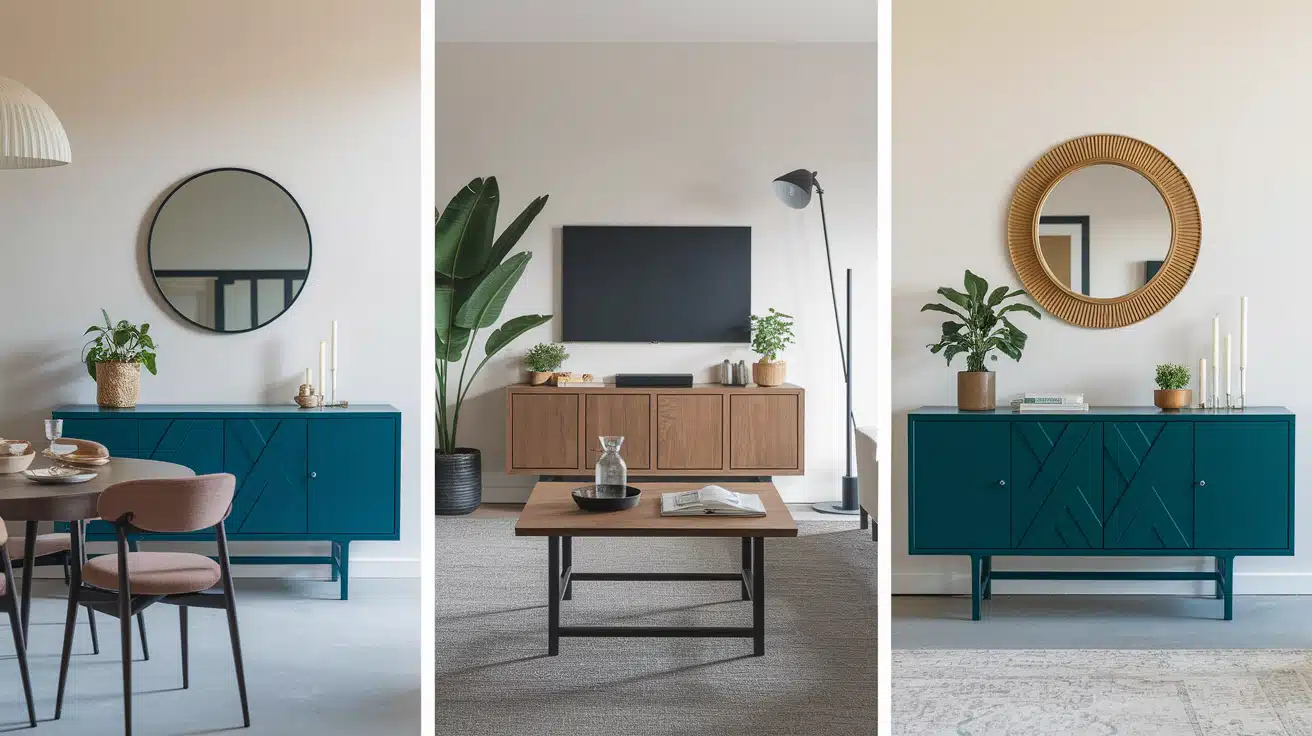
Once you know what a sideboard is, the next step is choosing where to put it. The right spot makes it both useful and stylish. Here are a few ideas for your home:
Dining Room
Place the sideboard against a wall opposite or adjacent to the dining table for easy access to dishes, silverware, and linens.
The top surface serves as a buffet area during meals. Maintain 24-36 inches of clearance for comfortable movement.
Living Room
Position the sideboard against a main wall as a media console or storage unit.
Place it beneath a television or behind a sofa to display decorative items while storing electronics, remotes, and entertainment accessories.
Entryway or Hallway
Use the sideboard along the entryway’s longest wall to create an organized drop zone for keys, mail, and daily essentials.
Add a mirror or artwork above to enhance the welcoming atmosphere and keep clutter contained.
Home Office
Place the sideboard along a wall to store documents, office supplies, and equipment.
The flat top provides extra workspace or display area for printers and decorative items.
Key Placement Tips
- Measure your space for a good fit.
- Leave 30–36 inches in front for easy access.
- Place it against a wall for stability.
- Keep pathways clear for smooth flow.
- Add art or a mirror above for balance and style.
How to Style a Sideboard
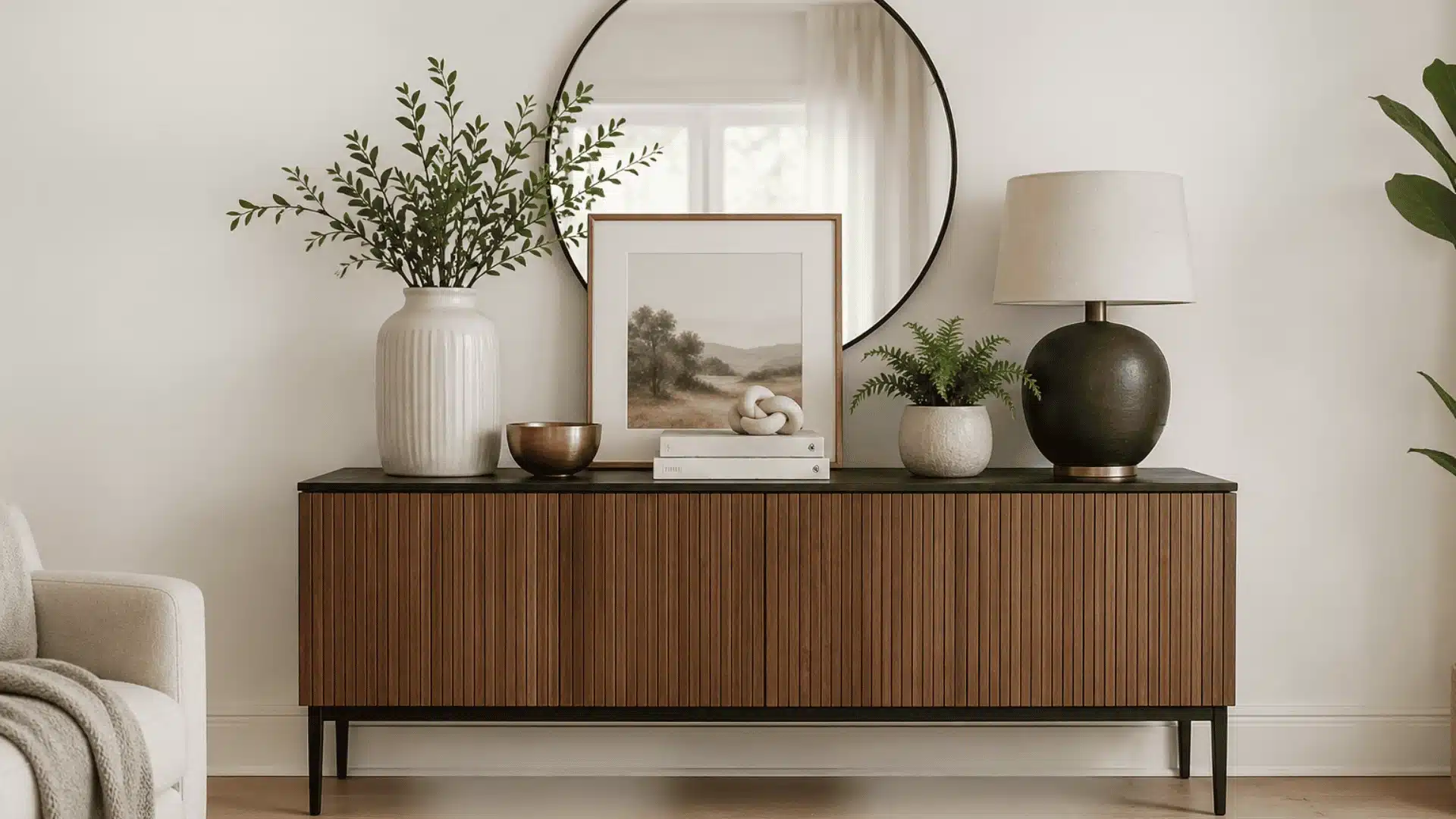
1. Start with a Clean Base
Clear and clean the surface thoroughly for a fresh start with intentional styling choices.
2. Apply the Rule of Three
Group decorative items in odd numbers, particularly threes, arranged in triangular formations with varying heights for visual interest.
3. Layer Different Heights
Combine tall pieces like vases or lamps, medium-height items like frames, and low objects like books or bowls to create depth and dimension.
4. Add Texture and Contrast
Mix different materials, smooth ceramics with rough wood, shiny metallics with matte finishes, and soft textiles with hard surfaces for dynamic appeal.
5. Create Visual Anchors
Use statement pieces like large mirrors, artwork, or sculptural objects as focal points that anchor the entire display. Hang artwork above or lean framed pieces against the wall for a layered look.
6. Add Natural Elements
Include fresh flowers, potted plants, or natural objects like branches or stones to add color, texture, and freshness to the display.
7. Leave Breathing Room
Avoid overcrowding. Leave negative space between groupings to let each element stand out and prevent clutter.
Use this simple formula: place a large piece on top, add a tall item on one side, a medium piece in the center, and a low item on the other. Adjust until it feels balanced and matches your style.
How to Choose the Right Sideboard
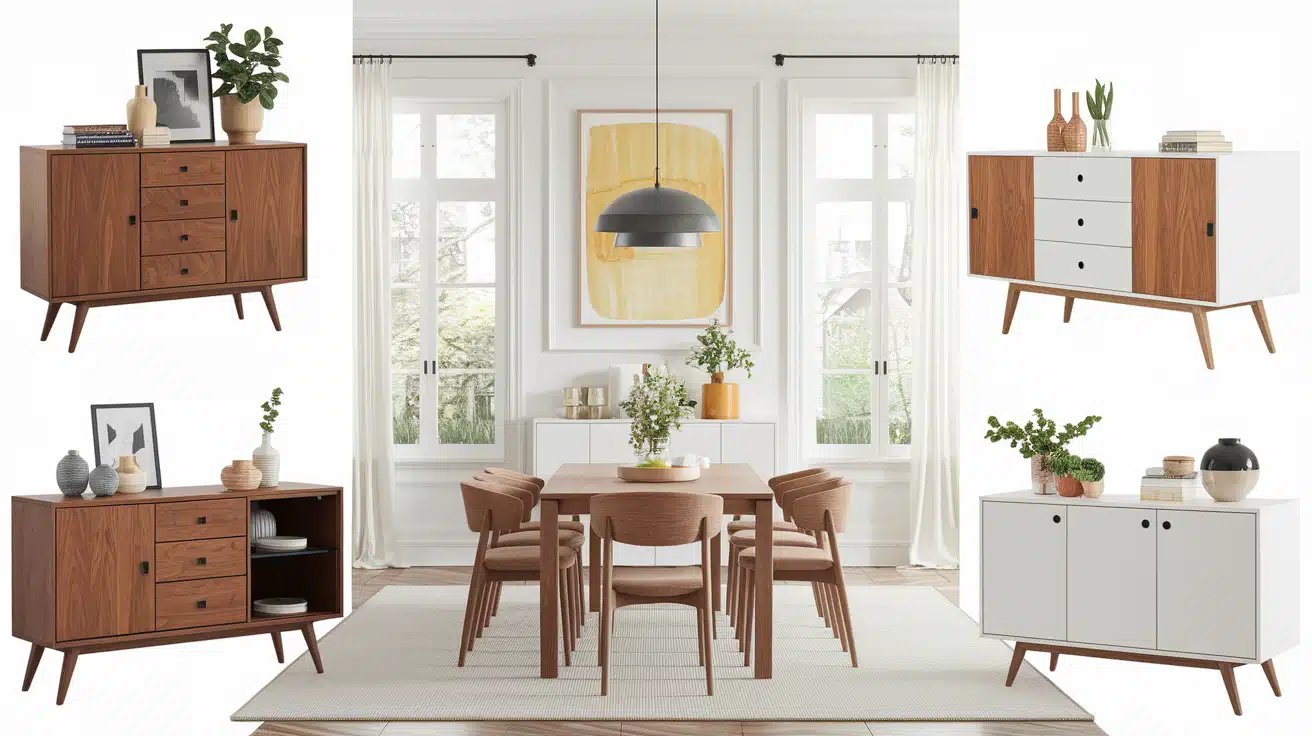
Buying a sideboard is not just about picking something that looks good. It needs to work for your space, your storage needs, and your daily life.
Here are a few things to think about before you buy.
Purpose Comes First
Think about where you will use it and what you will store.
A dining room sideboard needs space for dishes and linens. One in the entryway should hold keys and daily essentials.
Knowing this upfront makes every other decision easier.
Look for Size and Storage
Measure your space before buying. Most sideboards sit between 30 to 36 inches tall. Leave about 24 inches of clear space in front for easy access. For storage, keep it simple:
- Drawers for small items like cutlery and napkins
- Cabinets for larger items like bowls and linens
- Open shelves for easy access or display
And the Last: Material, Style, and Budget
Solid wood gives a lasting, classic look. MDF works well on a tighter budget. Metal and glass suit modern rooms.
Match the finish and color to your existing decor. Light tones open up a space. Dark tones add contrast. Set a budget and look for something sturdy, easy to clean, and built to last.
Why a Sideboard is a Smart and Stylish Addition
Now that you know what a sideboard is, the next step is yours.
It does more than store things. It keeps your space organized, adds character, and works in almost any room.
Think about your space, your needs, and the style that feels right. The perfect sideboard is out there waiting. Already have one at home?
Tell us how you use it in the comments below.
Frequently Asked Questions (FAQ’s)
1. What do Americans Call a Sideboard?
Americans commonly call it a buffet or credenza, depending on the style and use.
2. What is the Purpose of a Sideboard?
It stores dining essentials, serves food, and displays decorative items in any room.
3. Where is the Best Place to Put a Sideboard?
The dining room, living room, or hallway are the most common and practical spots.
4. What is the Difference Between a Sideboard and a Buffet?
A buffet is taller with longer legs. A sideboard is lower and more flexible in use