People throw around custom, bespoke, and made-to-order like they mean the same thing. They don’t.
Each term corresponds to a different level of personalization, price range, and production process.
Getting them confused can lead to the wrong expectations and sometimes the wrong purchase.
So what is custom furniture, exactly? This blog breaks it down, along with how the main types differ and how to pick a maker who can deliver what you actually want.
What is Custom Furniture?
Custom furniture starts with an existing design that gets adjusted to match what you need.
A maker might tweak the size, swap the fabric, change the finish, or add extra storage, while the base structure usually stays the same.
Only specific details shift to fit your space or taste.
- A few everyday examples make this easier to picture.
- A standard sofa gets built two inches narrower to fit a tight living room.
- A dresser gets stained a darker walnut instead of the factory oak.
- A bed frame gets an added drawer underneath for extra storage.
These are all custom pieces, not bespoke ones, because they start from something that already exists.
Bespoke Furniture Meaning – Starting From Scratch
Bespoke furniture skips the existing template entirely.
Instead of starting with something already made, a designer builds the piece around your space, your habits, and your exact measurements from the very first sketch.
Every detail gets shaped around you, not adjusted to fit you.
How the Process Differs?
There’s no catalog item being adjusted here, and no template hiding behind the final design.
The maker starts with a blank page, walks through your requirements one by one, and slowly builds a piece that has never existed in that exact form before.
From the shape to the smallest detail, everything gets decided from scratch, just for your space.
Why do People Choose it?
Bespoke furniture solves problems that standard pieces simply can’t. It’s the right call when:
- A room has an odd angle or unusual layout that off-the-shelf furniture won’t fit
- Low ceilings or tight corners rule out standard dimensions
- You want a signature piece that nobody else owns
Bespoke furniture isn’t just a fix for an odd-shaped room, either. Plenty of people commission it purely as an investment.
A piece built just for you tends to carry more meaning, and often more value, than something pulled off a showroom floor.
Custom, Bespoke, or Made-To-Order – How They Stack Up
Made-to-order sits between the other two.
It usually means a piece built to your size specifications, but from a fixed set of design options rather than a fully original concept.
| Factor | Custom | Made-to-order | Bespoke |
|---|---|---|---|
| Starting point | Existing design, adjusted | Existing design, sized to order | Blank page, built for you |
| Personalization | Moderate | Limited to preset options | Full |
| Materials and dimensions | Often flexible | Usually fixed choices | Fully flexible |
| Cost | Mid-range | Similar to standard retail, slightly higher | Highest |
| Production time | Weeks | Weeks | Weeks to months |
| Best for | Small tweaks to fit a space or style | Sizing needs within a set style | Unique rooms or one-of-a-kind pieces |
What You’ll Pay
Numbers vary by region and material, but as a rough guide: custom pieces typically run 15 to 40 percent above a comparable off-the-shelf item, since you’re paying for labor on top of materials.
Made-to-order usually adds a smaller premium, often under 15 percent, because the design work is already done.
Bespoke is where the range gets wide.
A one-off bookcase might cost a few hundred dollars more than a stock version, while a fully bespoke built-in wall or a hand-joined dining table can run two to three times what a comparable retail piece would.
Get a quote before you commit to the concept, not after. A maker’s estimate at the sketch stage still has room to shift.
The Main Types of Custom Furniture You’ll Come Across
Custom furniture covers a wide range of pieces, and each type solves a different kind of problem.
1. Custom Upholstered Furniture
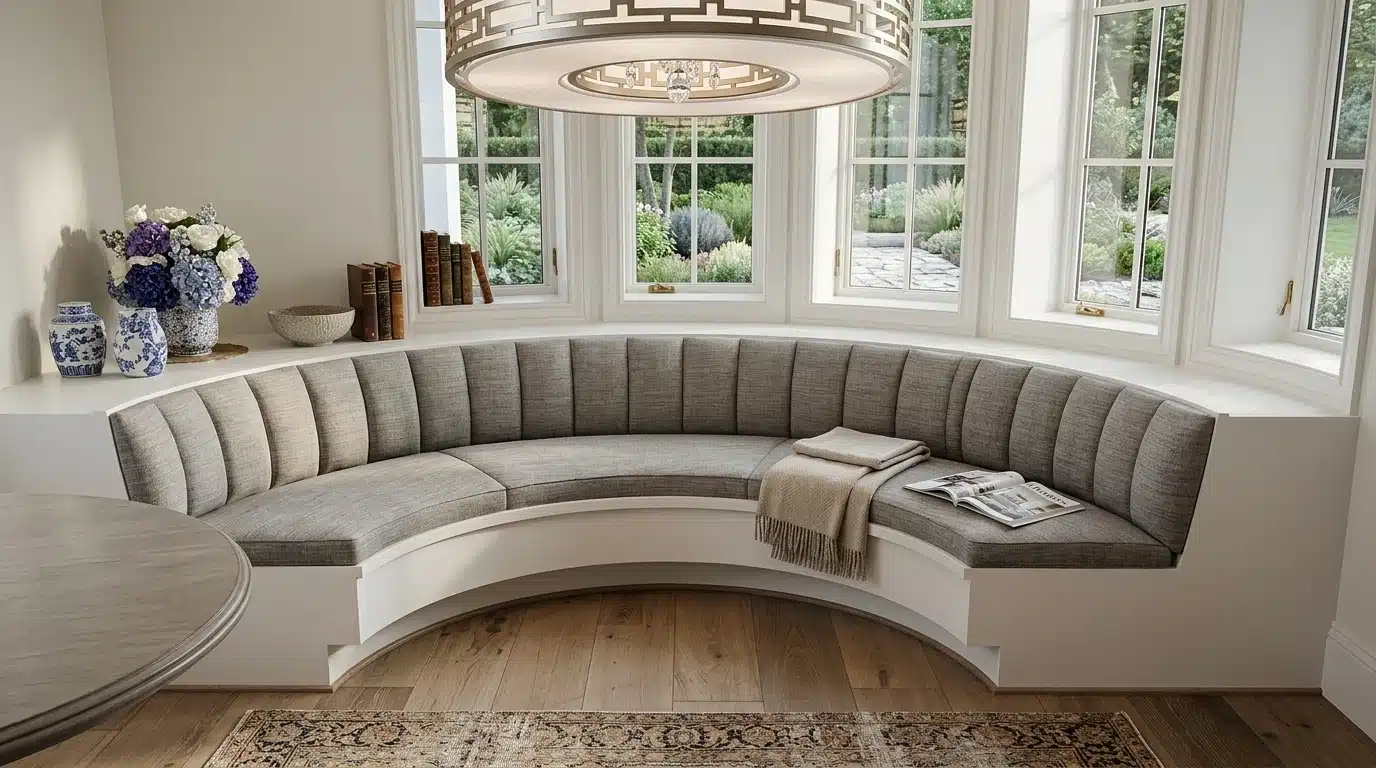
Sofas, chairs, headboards, benches, and ottomans fall under this category.
Buyers usually adjust the fabric, cushion firmness, arm style, or overall size to match a specific room.
A firm foam seat cushion swapped for a softer down-blend fill is one of the more common upgrades, along with trading a busy pattern for a solid performance fabric that holds up better with kids or pets.
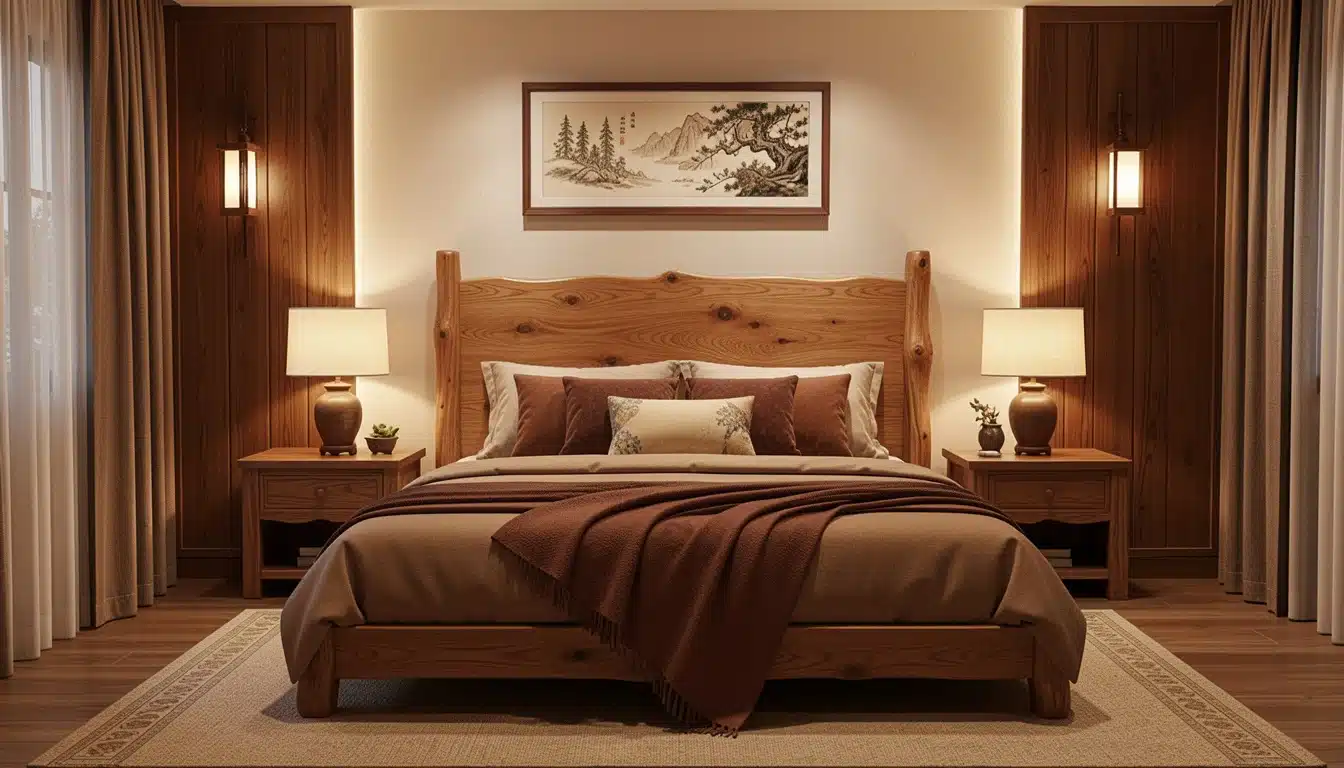
2. Custom Wood Furniture
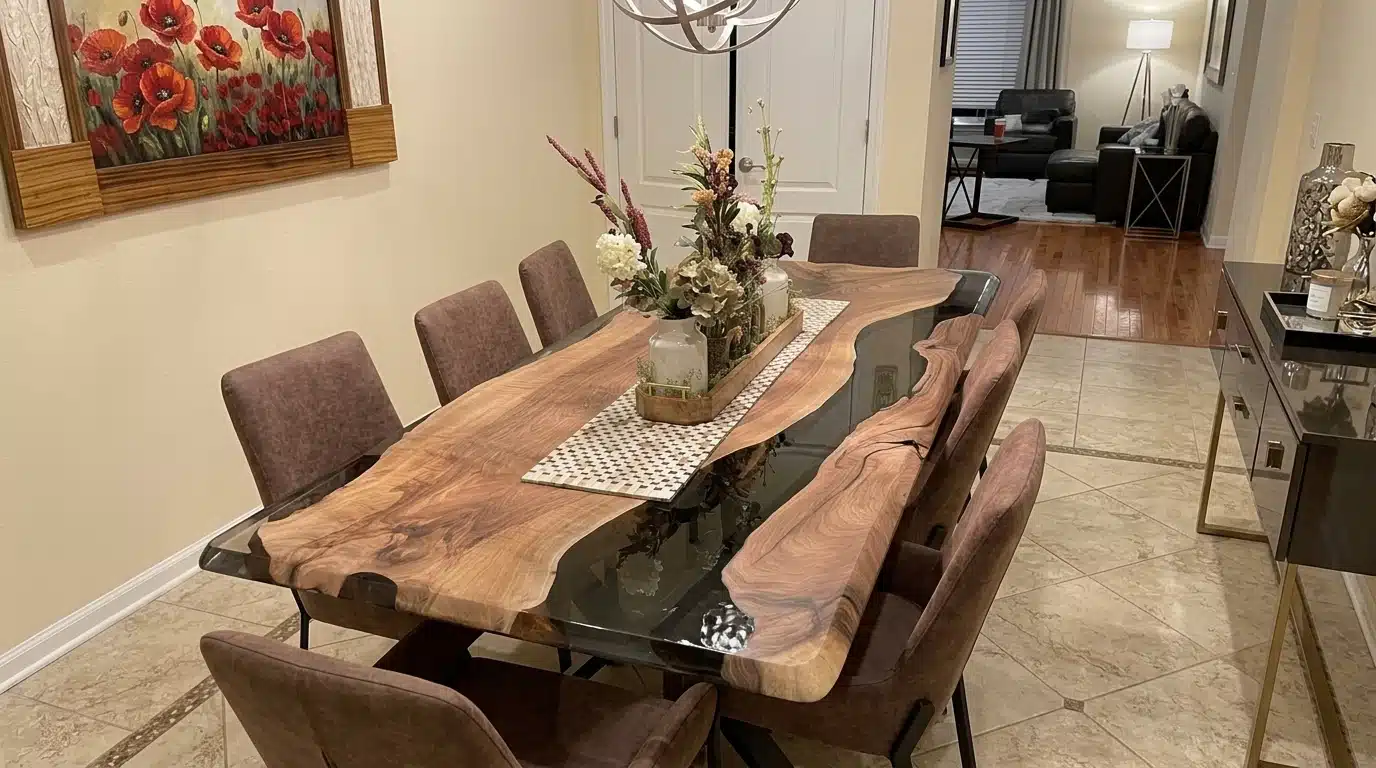
Dining tables, desks, beds, cabinets, and dressers are common picks.
Wood type, stain color, and joinery style are the details that typically change.
Someone might ask for white oak instead of the standard maple, or a live-edge top instead of a squared one. Dovetail joints on drawers cost more than stapled ones, but they also outlast them by decades.
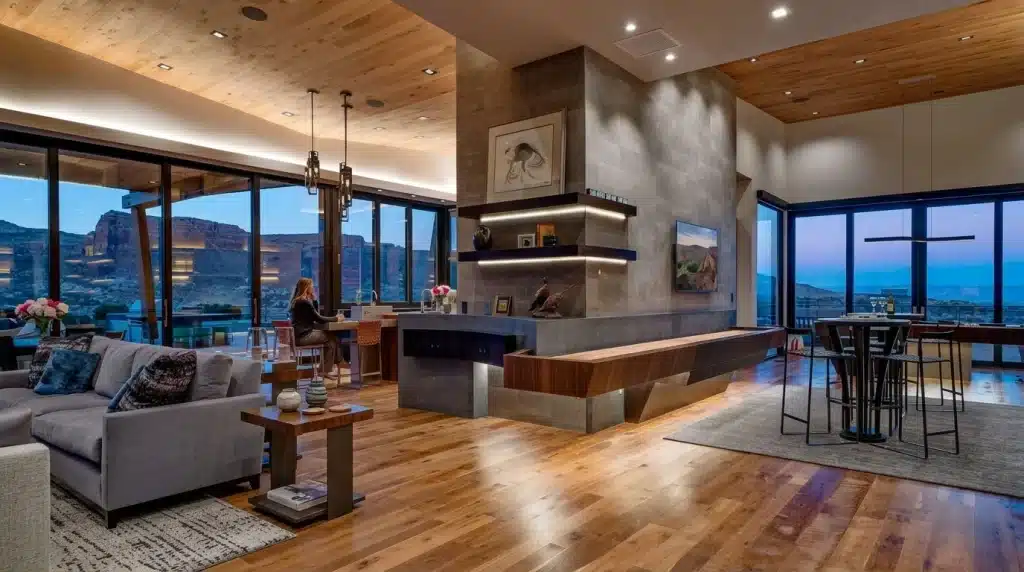
3. Built-In Furniture
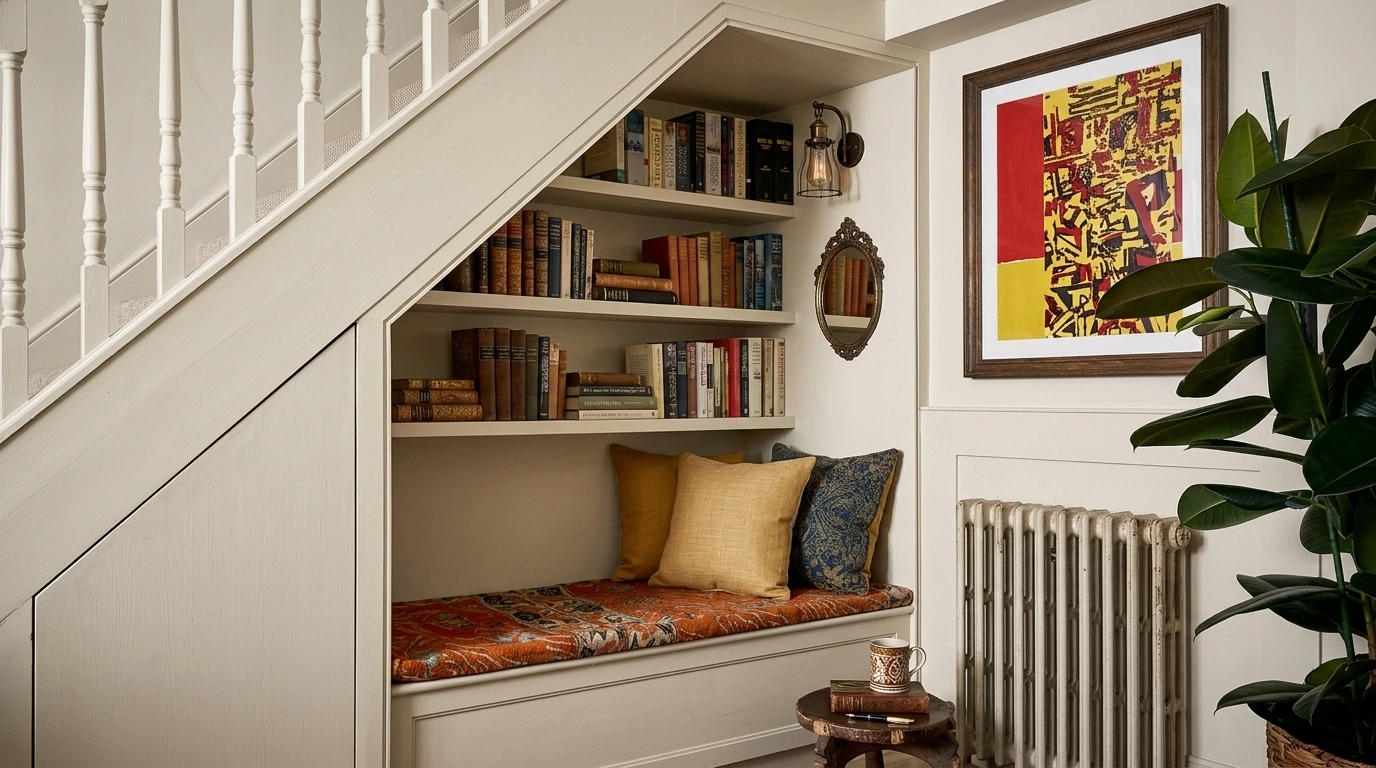
Built-ins are designed to fit a specific wall or alcove, which makes them different from anything you’d buy and move later.
Common examples include:
- Bookcases built into a living room wall
- Window seats fitted under a bay window
- Wardrobes built to fill a bedroom alcove
- Full storage walls that run floor to ceiling
Once installed, these pieces become permanent fixtures rather than movable furniture.
4. Modular Custom Furniture
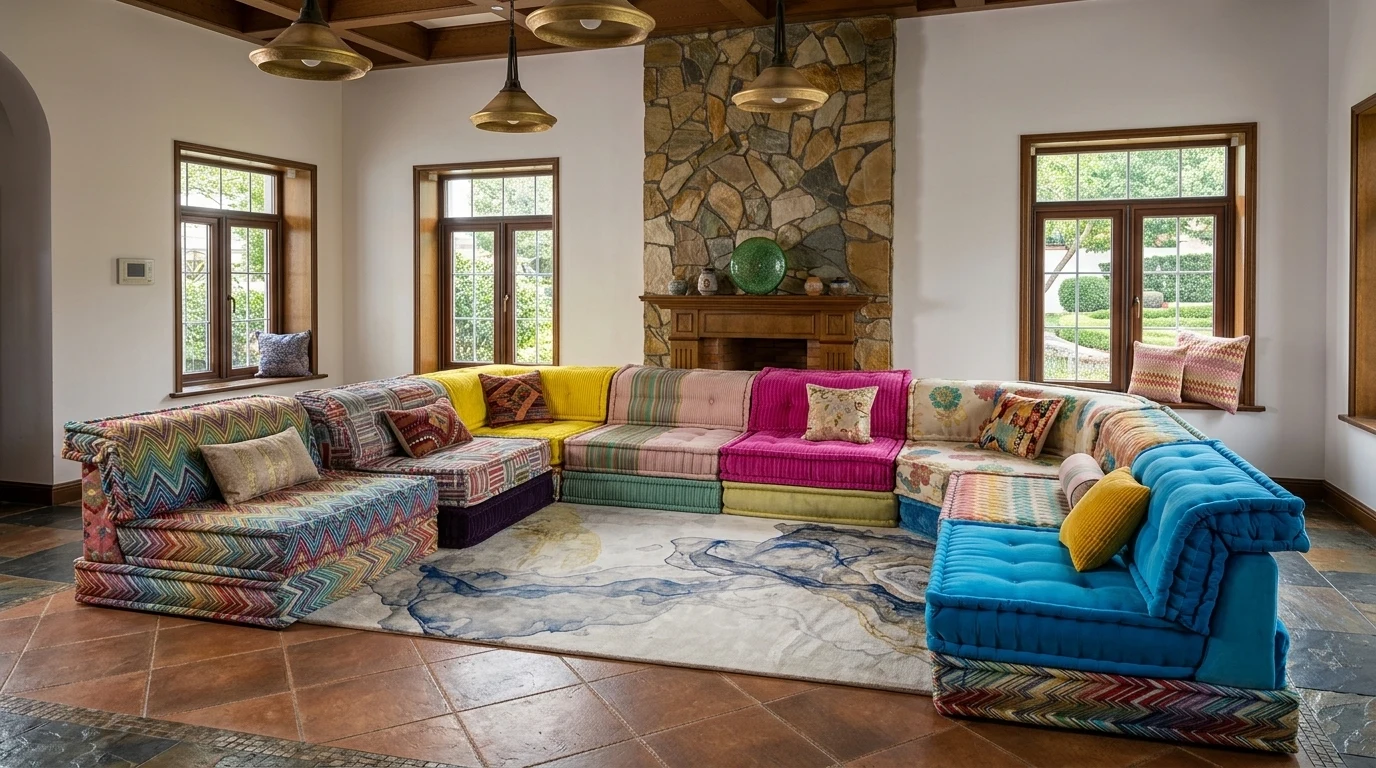
Sectional sofas, shelving systems, and adjustable storage units let buyers rearrange or expand a piece over time. This type works well for people who move often or whose needs change.
Ask the maker if extra modules can be added later. A modular system designed with future expansion in mind saves you from replacing the whole piece down the line.
5. Fully Bespoke Furniture
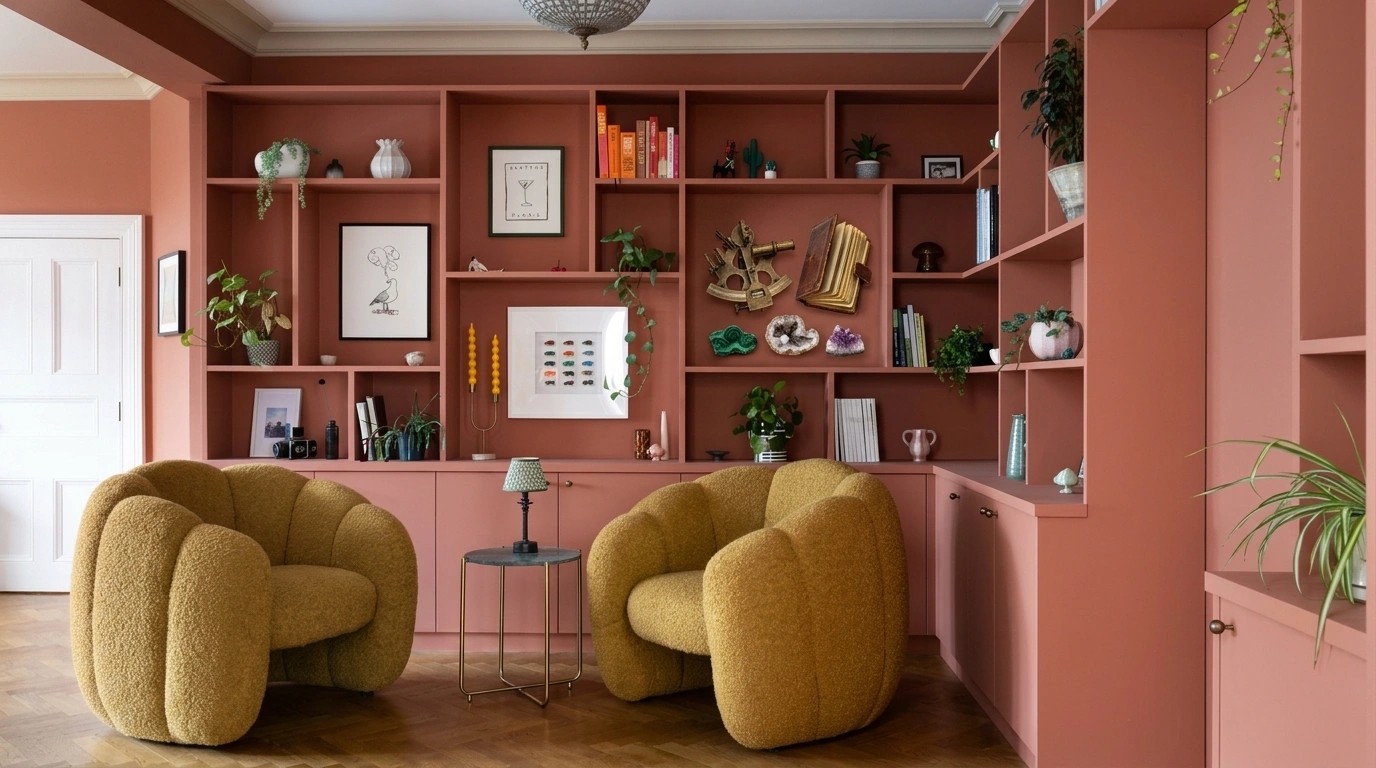
This is the top tier of custom work. There’s no existing template at any stage, so every detail is decided from scratch.
That includes:
- The overall shape and structure.
- The materials and finish.
- The exact dimensions for your space.
When Custom or Bespoke is Worth it
Not every room needs a custom solution, but certain situations make it worth the extra cost and wait.
Situations where it makes sense?
Custom or bespoke furniture earns its price when a space or need goes beyond what standard pieces can handle.
Common situations include:
- Unusual room dimensions that standard furniture can’t fill properly.
- Awkward layouts with corners or slopes that otherwise waste space.
- Specific storage needs that generic pieces don’t address.
- Accessibility requirements like adjusted heights or wider clearances.
- Long-term statement pieces meant to last decades rather than years.
If your situation matches even one of these, the extra investment usually pays for itself over time.
How to Pick a Maker Who Actually Delivers
A good maker will ask more questions than you expect before quoting a price.
If someone gives you a number after a five-minute call, that’s usually a sign they’re not planning to build anything custom. They’re planning to sell you something close enough.
Ask to see photos of past work in materials similar to what you want, not just a general portfolio.
A maker who’s built forty oak dining tables should be able to show you forty oak dining tables, not renderings.
For anything built-in or bespoke, the maker should want to measure your space in person. A phone-in quote for a piece that has to fit an odd alcove is a red flag, not a convenience.
Get the timeline in writing, and ask what happens if a material is backordered. Good makers have an answer ready.
Ones who shrug usually don’t have a plan.
The Bottom Line
So, what is custom furniture? It’s a design that already exists, modified or personalized to fit your space.
Bespoke furniture is different. It’s built from the ground up for one client, one space, and one purpose.
Made-to-order sits in between, offering sizing flexibility within a fixed set of options.
Once the meaning of “bespoke furniture” is clear, choosing between custom furniture and a fully bespoke piece becomes much easier.
Knowing which one you actually need saves money, time, and a lot of back-and-forth with a maker.
Frequently Asked Questions (FAQ’s)
1. How Long Does Custom Furniture Take to Make?
Most custom pieces take a few weeks, though bespoke furniture can take several months depending on complexity.
2. Can Existing Furniture be Customized?
Yes. Many makers can reupholster, refinish, or resize existing pieces rather than building new ones from scratch.
3. What Furniture Pieces Can be Made Bespoke?
Almost anything, including sofas, beds, dining tables, wardrobes, and built-in storage, as long as a maker is willing to design it from the ground up.