Windows do more than let light into a room. They insulate your home, block moisture, and play a bigger role in your monthly energy bill than most people realize.
But because windows fail gradually, it is easy to overlook the warning signs until a draft in January or a stubborn sash in July finally forces the question: is it time to replace them?
The answer comes down to a handful of practical clues. Some you can see. Others show up on your utility statement. Here is how to tell when your windows have reached the end of their useful life, what the replacement process looks like, and how to make the investment count.
Rising Energy Bills with No Obvious Cause
If heating or cooling costs keep climbing even though your thermostat habits have not changed, your windows may be the weak link. Older single pane glass and worn weatherstripping let conditioned air escape around the clock.
According to the U.S. Department of Energy, heat gain and loss through windows account for a substantial share of residential energy use.
Sometimes a window’s efficiency rating is so far behind current standards that the return on investment comes faster than you might expect. This is especially true in older homes with original single pane glass that leak energy month after month.
Homeowners who have scheduled a window replacement service near Ocean City MD or anywhere along the coast often notice a real difference in comfort after upgrading to double or triple pane glass.
Warning Signs You Can See and Feel
Some signs of window failure are hard to miss. Drafts along a closed window mean the seal has failed. Condensation trapped between the glass panes means the insulating gas has escaped and the unit has lost most of its thermal performance.
And if one room always feels noticeably warmer or cooler than the rest of the house, the windows there may be underperforming.
Physical damage is just as telling. Wood frames that feel soft or spongy have started to decay. A window that sticks or will not stay open has shifted in its frame. Cracked glass weakens insulation and structural integrity. In coastal or storm prone areas, damaged glass is an even bigger liability.
Age Is Not the Only Factor, but It Matters
Most residential windows last 15 to 25 years depending on material and climate. If your home was last updated more than two decades ago, the windows were likely built to a lower energy standard than what is available today. Modern low emissivity coatings, argon gas fills, and improved frame designs have raised the bar.
For a closer look at how frame materials compare, The Painted Hinge has a helpful breakdown on choosing between aluminum and vinyl windows that covers the strengths and trade offs of each option.
Coastal Homes and Storm Preparedness
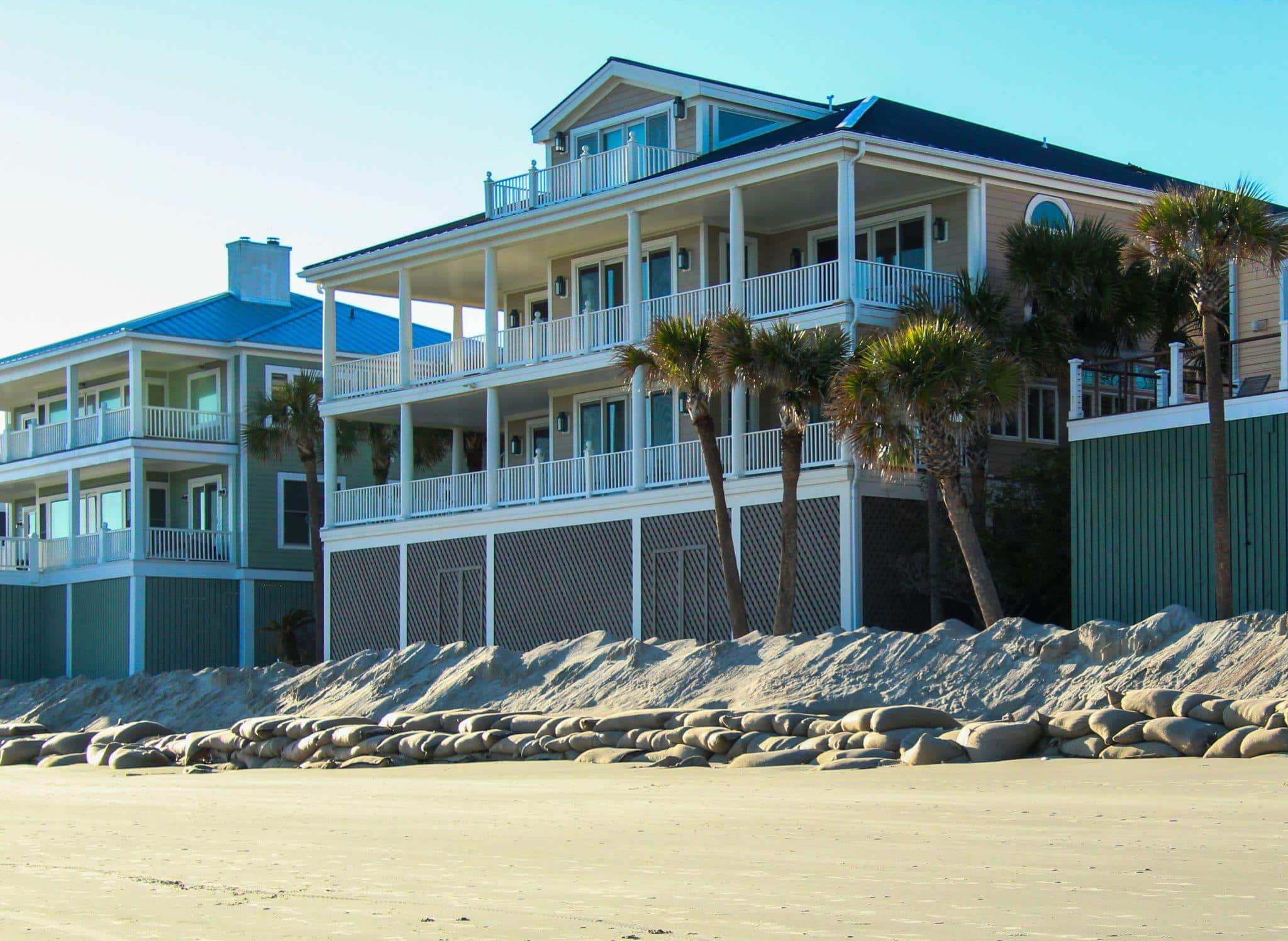
Homeowners in storm prone or coastal regions face added pressure. Wind driven rain, salt air, and hurricane season test windows in ways a sheltered inland home may never experience.
If your current windows are not rated for high wind loads, a major storm can turn them into the most vulnerable point in your home’s envelope.
Hurricane rated and impact resistant glass handle these conditions, and they often reduce insurance costs in coastal zones. For homeowners along the Eastern Shore or other Mid Atlantic communities, working with a local specialist who understands area building codes matters.
Eastern Shore Window & Door, for example, offers factory direct pricing on hurricane rated products paired with window installation in Berlin and surrounding Delmarva communities, backed by a lifetime warranty and in house installation.
What to Expect During the Process
The process is simpler than most people expect. It starts with an in home consultation where a specialist measures each opening and walks through product options that fit your budget. A good consultation should feel informational, not high pressure.
On installation day, most jobs wrap up within a single day for an average sized home.
A few things worth doing ahead of time:
- Clear a path. Move furniture and curtains two to three feet from each window.
- Plan for brief exposure. Openings will be uncovered temporarily, so pick a mild weather day if you can.
- Inspect before signing off. Open and close every new window. Check locks, weatherstripping, and caulk lines while the crew is still on site.
Making the Investment Count
A few planning steps will help you get the most out of your replacement:
- Get multiple estimates. Ask for itemized quotes that separate product, labor, and extras so you can compare fairly.
- Read the warranty carefully. Look for coverage that is non prorated, transferable, and written in plain language.
- Ask who does the work. Companies that use their own installers rather than subcontractors tend to deliver more consistent results.
- Match the product to your climate. Ratings like U Factor and Solar Heat Gain Coefficient indicate how well a window insulates. The right balance depends on your region.
The Bottom Line
There is no single calendar date that tells every homeowner to replace their windows. But if you are noticing two or three of the signs above, the cost of waiting is likely outpacing the cost of acting. A straightforward in home estimate from a local specialist will give you real numbers to work with, not guesswork.