Plantation shutters are one of the few window treatments that read as part of the house rather than something hung in front of it. A good set looks like trim, works for decades, and changes the light in a room more than almost anything else you can do to a window.
A bad set sags, rattles and never quite closes. The difference usually comes down to a handful of decisions made before anything is ordered.
Here is what to think through first, whether you are finishing a new build or replacing tired blinds in a house you have lived in for years.
1. Composite or Real Wood
Most interior shutters are either composite or full wood. Composite holds its shape in humidity and stands up well in bathrooms, kitchens, and laundry rooms, where steam and splashes would eventually work on a painted wood panel. Real wood is lighter, can be stained as well as painted, and suits living rooms, dens and bedrooms where the look matters most. Many homes end up with both: composite where water is a factor and wood everywhere else, finished in the same color so nobody can tell.
2. Louver Size Changes the Whole Room
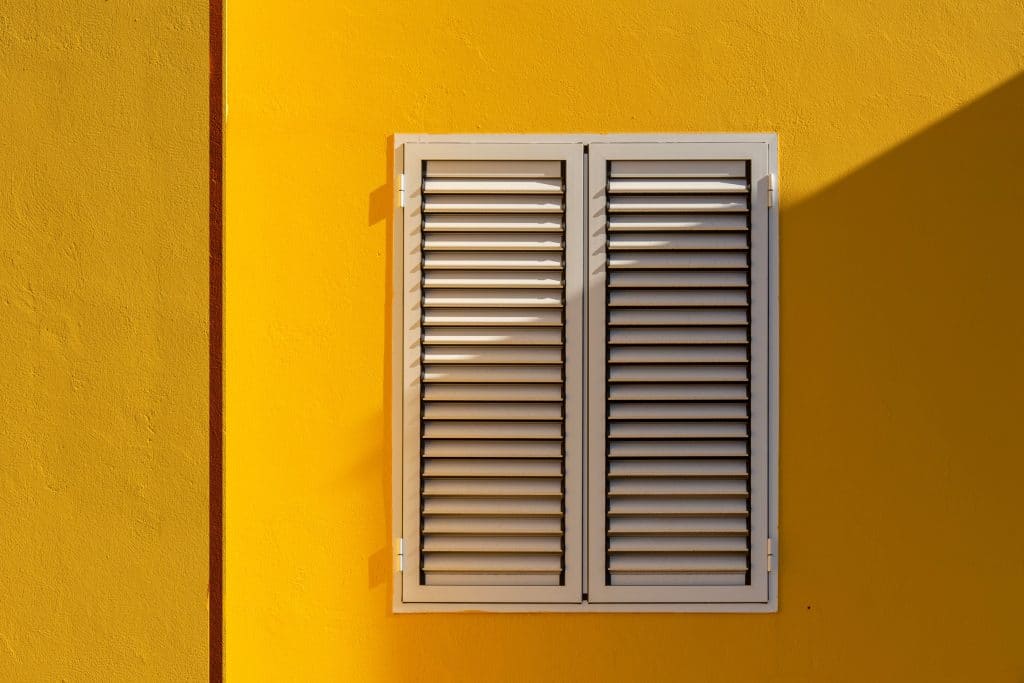
Louvers are the tilting slats. Wider louvers let in more light and more view when open and give a cleaner, more modern look. Narrower louvers feel more traditional and suit smaller windows. Look at the depth of your window frame before you fall in love with a wide louver, because a big slat needs room to rotate without hitting the glass or the crank on a casement window.
3. how The Frame Meets Your Trim
Shutters mount inside the window opening or outside it on a frame. Inside mounts look built-in but need enough depth. Outside mounts can hide uneven drywall returns and cover old blind brackets. Older homes rarely have perfectly square openings, so an installer who measures every window, not just one, will catch the corner that is a quarter inch off before it becomes a panel that won’t latch.
4. Tilt Rod or Hidden Tilt
The classic look uses a front tilt rod running down the middle of each panel. A hidden tilt mechanism moves the control to the side or back of the louvers for a cleaner face and a less obstructed view. Neither is better. It comes down to style and how often small hands will grab the rod.
5. Sliding Doors and Odd Shapes
Shutters can cover more than standard double-hung windows. Bypass and bifold panels work on sliding patio doors, and arched or angled tops can be built to follow the shape of the opening. If you have an unusual window, ask early. Some companies turn those jobs down. Others treat them as the fun part.
6. the Install Is Half the Product
Shutters are hinged furniture fixed to your wall. Panels that are hung slightly out of plumb will drift open or rub as the house settles through the seasons.
Ask who actually does the installation, whether it is the company’s own crew, and what happens if a panel needs adjusting a year later. A real guarantee on the installation itself tells you more than any brochure.
What It Looks Like in Practice
In North Alabama, where afternoon sun and summer humidity are part of daily life, homeowners often pair composite shutters in wet rooms with wood shutters on west-facing living spaces to cut glare without losing the view. Blinds and Borders, a local, independent window treatment company serving Huntsville, Madison, and Athens since 1997, approaches shutter projects this way.
They start with a phone call to give homeowners a ballpark price, then visit to measure every opening, show material and louver options in the actual rooms, and give the exact number on the spot.
Their own crew installs, with a lifetime guarantee on installation craftsmanship and three years of service calls after the job.
Whoever you choose, the same rule applies: settle the material, louver size, and mount before you look at colors. Get those right, and plantation shutters are a treatment you will choose again the next time you buy a house.
Quick Checklist Before You Order
Measure every window and note any that look out of square. Mark which rooms see steam or splashes. Decide how much view you want with the louvers open. Check window depth for the louver size you like. Ask who installs and what the guarantee covers. Then compare options side by side in the room, in daylight, before you sign off.