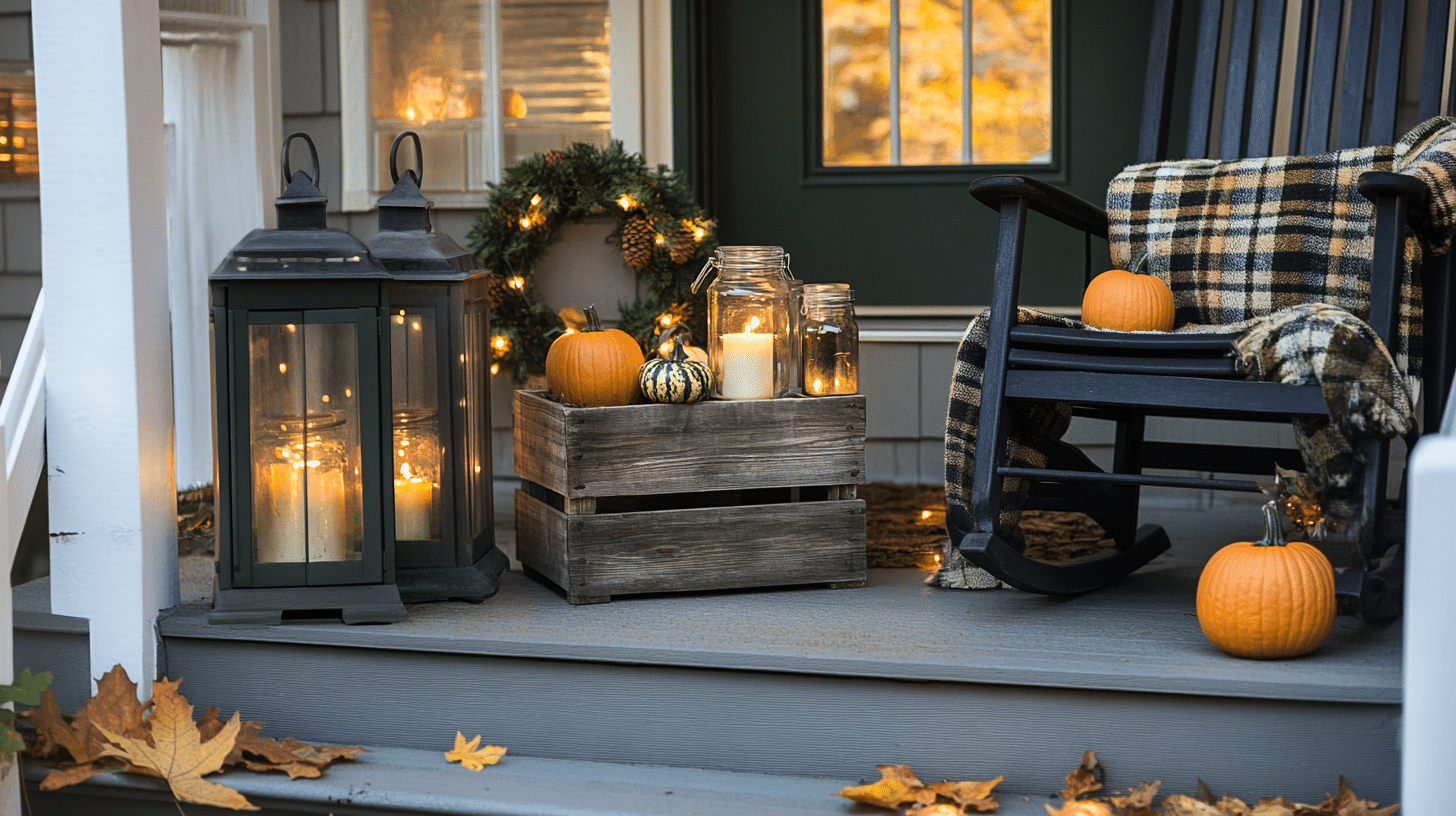
Most of us put real thought into how a home looks when the weather turns. We swap in heavier throws, set out pumpkins and mums, and hang a wreath on the front door.
The furnace rarely gets the same attention. It sits in a closet, attic, or basement and does its job quietly until the night it doesn’t. A few simple habits in the fall can keep that from happening, and most of them take less time than repainting a side table.
Start With the Filter
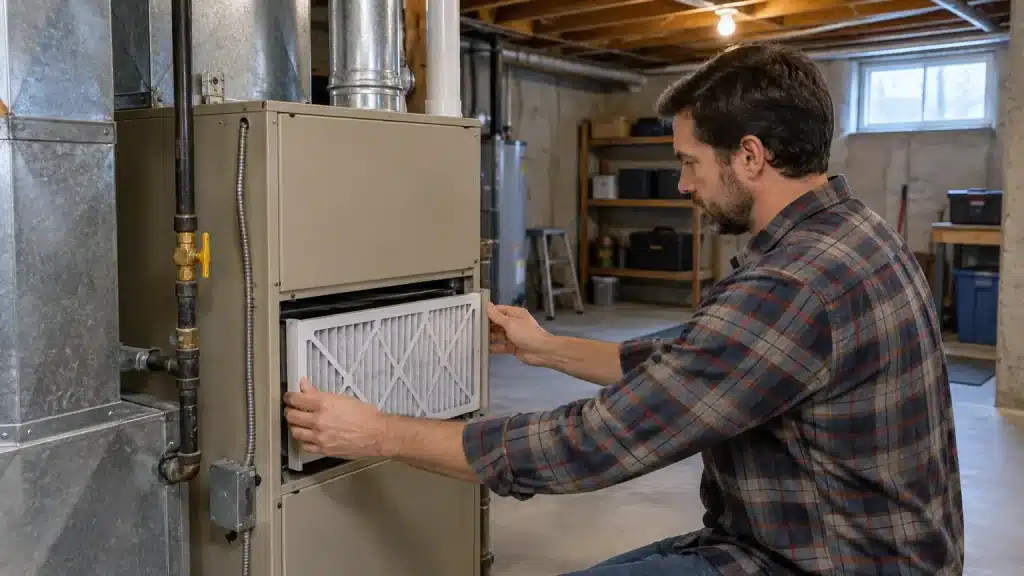
If you only do one thing this season, check the air filter. A clogged filter makes the blower work harder, cuts the amount of warm air reaching your rooms, and lets dust settle on everything you just cleaned. Slide it out and hold it up to a light. If you can’t see light through it, it’s time for a new one.
Basic one-inch filters usually need changing every one to three months. Homes with pets, allergies, or a lot of foot traffic sit at the shorter end of that range. Write the date on the edge of the new filter with a marker so you don’t have to guess next time.
Clear the Space Around Vents and the Unit
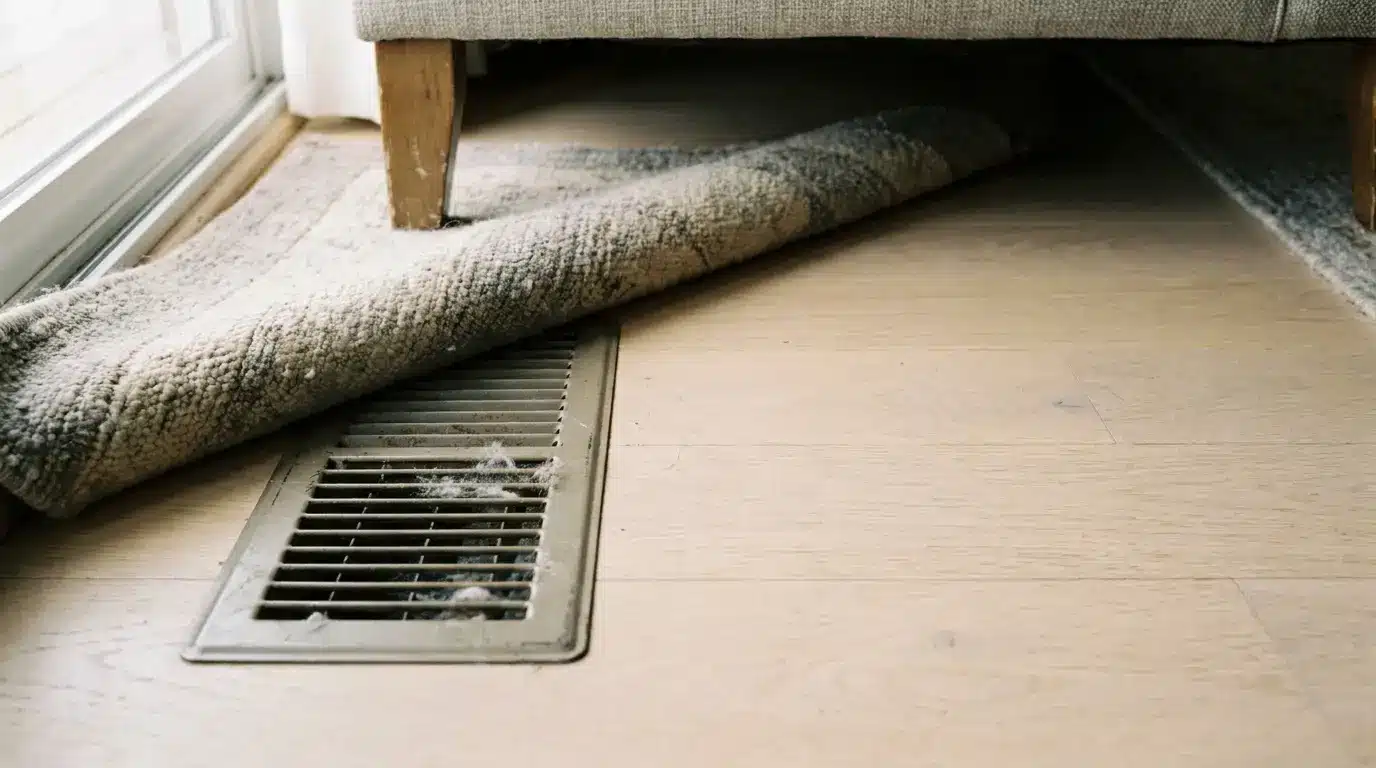
Furniture rearranging is half the fun of a seasonal refresh, but watch where the pieces land. A sofa pushed against a floor register or a rug that covers a return vent can leave one room chilly while the rest of the house feels stuffy. Walk the house and make sure every supply and return vent has a few inches of open space.
The furnace itself needs room too. Storage boxes, paint cans, and holiday bins tend to creep toward it over the year. Keep the area clear, especially of anything flammable, so the unit can breathe and a technician can get to it easily.
Test the Heat Before You Need It
Don’t wait for the first hard freeze to find out the furnace won’t start. On a mild afternoon, switch the thermostat to heat and raise it a few degrees above room temperature. You should hear the system start within a minute or two and feel warm air at the vents soon after.
A faint burning smell the first time is normal, since dust burns off the heat exchanger after months of sitting. A smell that lingers, a loud bang at startup, or air that never warms up are signs to call a professional. If the thermostat runs on batteries, change them now. A dead battery is one of the most common reasons a furnace “stops working” on a cold morning.
Check the Carbon Monoxide Detectors
Gas furnaces produce carbon monoxide as part of normal operation, and a sound system vents it safely outside. Detectors are your backup. Press the test button on each one, replace the batteries, and check the date printed on the back. Most detectors need replacing every five to seven years. You should have one on every level of the home and near the bedrooms.
Book a Tune-Up Early
A yearly tune-up is the habit that catches what a homeowner can’t see. A technician checks the burners, the flame sensor, the blower motor, and the electrical connections, and looks over the heat exchanger for cracks. Small fixes found in October are much easier on the budget and the schedule than a breakdown in January, when every heating company in town is booked solid.
In northeast Oklahoma, where a mild week can turn into an ice storm with little warning, homeowners around Tulsa, Owasso and Collinsville often schedule furnace service as soon as the summer heat breaks.
Family-run shops like Pilgrim Heat and Air handle furnace repair, replacement and seasonal tune-ups across the Tulsa Area, and they will tell you plainly whether a system needs work or can run another year.
Keep It Simple
None of this requires special tools or a free weekend. Change the filter, clear the vents, run a test cycle, check your detectors, and get the system looked at once a year.
Put the steps on the same fall checklist as cleaning the gutters and swapping the porch decor, and your home will stay as warm as it looks all winter long.