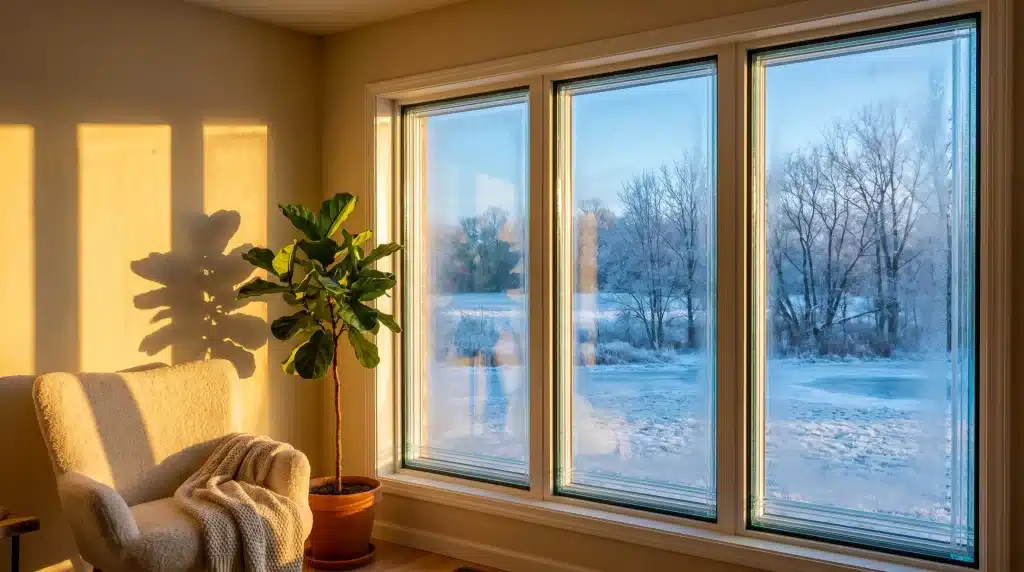
If your house feels drafty in winter or hot by the windows in summer, the glass may be part of the problem. Energy efficient windows can cut heat loss, lower cooling strain, and make daily life feel a lot more comfortable.
That is why so many homeowners start looking into energy-efficient windows after one bad power bill. You feel the sun blasting through one room, the cold leaking through another, and suddenly your old glass windows move to the top of the project list.
Most people are not shopping for windows because it sounds fun. They are doing it because something feels off in the house, and they want a fix that actually lasts.
This guide is built for that moment. You will learn what matters most, which features are worth paying for, and how to compare options without getting lost in sales talk.
Energy Efficient Windows: What They Really Do
Windows do more than bring in natural light. They affect indoor temperature, energy use, outside noise, and even how comfortable a room feels at different times of day.
Older windows often leak air and allow too much heat transfer. That means your HVAC system works harder because the house cannot hold a steady temperature.
According to the Department of Energy window guide, frame materials, window glazing, gas fills, spacers, and window design all affect performance. That is a big reason two products can look similar but have very different window properties. Frame material is the part buyers most often overlook. Timber insulates well but needs painting, while aluminium is low maintenance but conducts heat, which is why aluclad windows pair a timber frame inside with an aluminium skin outside to get the best of both. Whichever frame you choose, compare the rating for the whole unit rather than the glass alone.
Good windows help slow heat flow. In summer, they can block a large share of solar heat and infrared radiation.
In winter, they help hold heated air inside where you want it. That can reduce energy use and support better national energy goals at the household level.
That comfort shift is often the first thing people notice. The room feels calmer, less drafty, and less stuffy.
Start With the Ratings Before You Look at Style
A pretty picture window can still be a bad pick. The smartest first move is to check performance labels, then think about color, grids, and trim.
The main label to look for is from the National Fenestration Rating Council product directory. NFRC ratings give you a standard way to compare windows from one brand to another.
These are the ratings that matter most:
- U factor measures how well a window resists heat flow. Lower is better.
- Solar Heat Gain Coefficient measures how much solar heat enters through the glass. Lower is often better in hot climates.
- Visible transmittance measures how much daylight gets through.
- Air leakage measures how much air slips through cracks and joints.
If you live in a hot place, low solar heat gain usually matters a lot. If you live in a cold place, a lower window u-factor often moves higher on the list.
Visible transmittance also matters because you may want lots of daylight without too much heat. This balance is a big part of good building design.
If you are sorting through brands, this Forbes window guide gives a clear overview of how those numbers affect comfort and cost.
| Rating | What It Tells You | Best Use |
|---|---|---|
| U factor | How much heat passes through the whole window. | Lower numbers for colder climates. |
| SHGC | How much solar heat enters through the glass. | Lower numbers for hot, sunny climates. |
| Visible transmittance | How much natural light comes indoors. | Higher numbers for brighter rooms. |
| Air leakage | How much outside air gets in. | Lower numbers for tighter sealing. |
The Glass Package Matters More Than Most People Think
Many homeowners focus on the window frame first. But the glass package is often the biggest player in energy efficiency.
Single-pane glass is common in older homes. It does little to slow heat flow, which is one reason those homes can feel uncomfortable near the windows.
Most newer products use an insulated window with two or three panes. Triple glazing can raise thermal resistance even more, though cost and climate still matter.
The panes are separated by an air space and sealed together. In quality products, the unit is hermetically sealed to limit moisture and improve long-term performance.
Glazing refers to the glass layers and related treatments used in a window. Insulated window glazing may include low-e coating, gas fills, and other glazing options that save energy.
Here is a simple comparison based on modeling data from Lawrence Berkeley National Laboratory WINDOW software.
| Glass Type | Visible Transmittance | U factor | SHGC |
|---|---|---|---|
| Single pane clear | 89% | 1.09 | 0.81 |
| Double pane insulated clear | 79% | 0.48 | 0.70 |
| Triple pane insulated clear | 74% | 0.36 | 0.67 |
| Soft coat low e double glass with argon | 73% | 0.26 | 0.57 |
| Suspended coated film with argon | 53% | 0.19 | 0.27 |
| Double suspended coated films with krypton | 55% | 0.10 | 0.34 |
The trend is clear. Better glass systems drive the U factor down fast, which helps reduce winter heat loss.
But there is no one best setup for every home. Some products minimize heat better but also reduce daylight, so your climate and room use still matter.
Safety can also affect the glass choice. Tempered glass and laminated glass may be required in some locations, and both can fit into energy-efficient windows with the right glazing package.
Low E Coatings Can Make a Big Difference
Low-emissivity coatings are one of the biggest upgrades in modern window glazing. They are very thin layers added to glass that help manage heat transfer.
These low-e coatings can lower energy loss a lot compared with plain glass. The Department of Energy notes that low-e windows often cost more up front, but can cut energy loss by about 30% to 50% compared with regular windows.
That is a big jump. And you usually will not notice the coating by looking at it.
Some selective coatings are made for higher solar gain. Others are built to reduce solar heat and glare more strongly.
If cooling bills hit hard where you live, spectrally selective coatings can be especially helpful. The Department of Energy explains that this type of glass can filter out much of the sun’s heat while still allowing daylight inside.
These coatings also help block ultraviolet light, which can reduce fabric fading on rugs, furniture, and wood floors. That side benefit matters in sunny rooms with large glass windows.
If you want another homeowner-friendly breakdown, Energy Efficient Windows 101 covers these ideas in a simple way.
Frame Material Changes Performance Too

People often treat window frames like a design choice. But frame material affects insulation, upkeep, and long-term value.
According to the Department of Energy, vinyl, wood, fiberglass, and some composite frame materials usually resist heat flow better than metal. That matters because the frame is part of the whole system, not just a border around the glass.
Vinyl Frames
Vinyl frames are popular because they are affordable and resist moisture well. Many are made from polyvinyl chloride, and some have insulated cavities or frames filled with foam to boost performance.
They do not need painting, which is a relief for busy homeowners. For many budgets, vinyl gives a cost-effective energy upgrade.
You may also see the phrase vinyl vinyl frames in product text or search results. In plain terms, it usually still means standard vinyl frames.
Wood Frames
Wood frames insulate well and look warm and classic. A wood window can work very well in both old and new homes.
But wood frames need more upkeep unless they have exterior cladding. If you love the look of real wood, that tradeoff may still be worth it.
Fiberglass Frames
Fiberglass is strong, stable, and efficient. It tends to handle weather swings well and often outlasts cheaper materials.
This is one reason fiberglass is often viewed as a strong premium choice. It usually costs more, but many homeowners like its durability.
Composite Frames
Composite window frames combine different materials provide good stability and moisture resistance. They can also deliver solid thermal resistance with less upkeep than plain wood.
They are often a good middle ground if you want solid performance without as much maintenance.
Aluminum or Metal Frames
Metal frames are strong and low maintenance. But they conduct heat fast, which hurts energy efficiency.
If you choose aluminium, look for a thermal break. That insulating section helps slow heat flow through the window frame. Many modernaluminium double glazed windows combine thermally broken frames with insulated glazing to improve energy performance while maintaining the strength and durability aluminium is known for.
Gas Fills and Warm Edge Spacers Matter Behind the Scenes
Some of the most helpful features are the ones you never see. Gas fills and spacers are good examples.
The gap between panes is often filled with argon or krypton gas. Both are clear, nontoxic, and better at slowing heat transfer than plain air.
Argon is more common because it performs well and costs less. Krypton performs better in thinner spaces, but it usually comes at a higher price.
Spacers separate the panes and help keep the sealed unit stable. Better spacers can also lower condensation risk around the glass edge.
The glazing guide from the Efficient Windows Collaborative and its window spacer types page explain how these parts affect performance.
Warm edge spacers are worth asking about. They can help reduce the cold edge effect that some homeowners notice in winter and may also support better seal life.
If you compare several models, look beyond the sales sheet. Small parts like spacer systems can change real-life performance more than people expect.
Operating Style Affects Air Leakage
Here is something many shoppers miss. The way a window opens can affect how much air it leaks over time.
That may not sound dramatic, but air leakage can quietly chip away at comfort and savings year after year. Operator type should be part of your window design plan from the start.
In general, hinged windows tend to seal tighter than sliding styles because the sash presses against the frame when closed.
Here is the usual pattern:
- Casement windows often have lower air leakage.
- Awning windows also tend to seal tightly.
- Hopper windows can perform well for the same reason.
- Single-hung and double-hung windows often leak more air over time.
- Sliding windows also tend to have higher leakage than hinged styles.
- Fixed windows are usually the most airtight because they do not open.
A casement window is often a smart pick for rooms where airflow and tighter sealing both matter. A picture window can also be a strong option if you want a fixed unit with lots of natural light.
This does not mean every sliding window is bad. Quality still matters a lot, and better hardware can improve performance.
How Climate Changes the Best Window Choice
The right window in Arizona may not be the right one in Minnesota. Climate should shape your choice early, because sun and seasonal load change what performance means.
Hot climates often benefit from lower SHGC glass to cut solar heat and cooling loads. Colder climates usually focus more on a low U factor to keep warmth inside.
Mixed climates can be trickier. You need a window that balances heat control and insulation without making the home too dark.
The climate zone recommendations from the Efficient Windows Collaborative are helpful if you want a fast reference point. Their window selection tool is also useful for comparing fit by region.
If you are in Alabama, window advice for Alabama can be especially relevant. Local weather matters, and regional advice often beats generic national tips.
This is also where building design matters. A west-facing room with big glass windows may need different glazing options than a shaded north-facing room.
Signs Your Current Windows May Be Wasting Energy
Not every bad window looks terrible from the curb. Some hide their problems in everyday comfort issues.
You may want new windows if you notice any of these:
- Drafts near the frame or sash.
- Rooms that run hotter or colder than others.
- High power bills with no clear reason.
- Condensation between glass panes.
- Hard-to-open or hard-to-lock windows.
- Noticeable outside noise.
- Furniture or floors fading from sun exposure.
That last point often links back to ultraviolet light. Older clear glass does little to block the rays that lead to fabric fading.
Storm windows, air sealing, or weatherstripping can help in some homes. But if seals are failing or the insulated window glazing is outdated, full replacement may be the better long-term move.
Regular maintenance can stretch the life of existing windows. Still, maintenance will not fix failed seals, broken balances, or poor glass performance.
What to Ask Before You Buy
Window shopping can get confusing fast. The salesperson talks features, you nod politely, and somehow still leave unsure what matters.
These questions help cut through that fog:
- What is the NFRC-rated U factor?
- What is the SHGC for this exact model?
- What frame material is this window made from?
- Does it include glass low-e treatment?
- Is the glass double pane or triple pane?
- What gas fill is used between panes?
- What is the air leakage rating?
- Are warm edge spacers included?
- What warranty covers glass seal failure?
- Who handles installation?
That last one matters more than people think. A great window installed badly can still leak air and moisture.
Even the best product needs careful fitting, sealing, and flashing. Otherwise, you paid for performance that never fully shows up.
If a contractor cannot explain window properties in simple terms, keep shopping. You want someone who can compare options across a wide range of products without hiding behind jargon.
Do Expensive Windows Always Pay Off?
Sometimes yes. Sometimes no.
The right upgrade depends on your current windows, your climate, your energy costs, and how long you plan to stay in the home. Triple glazing in a mild climate may not give the same return it would in a colder one.
But comfort has value too. Homeowners often focus only on payback, while ignoring how much daily comfort improves with better glass and tighter window frames.
If your bedroom bakes in summer or your living room feels chilly all winter, that matters. A home should feel good to live in, not just look fine in photos.
Researchers at the Lawrence Berkeley National Laboratory Windows and Daylighting Group continue to study how fenestration systems affect building performance. Their work, along with guidance from the national laboratory and windows collaborative groups, has helped shape how the industry tests and compares modern products.
The best value is often a balanced option. You do not always need the top-tier model to save energy and reduce energy waste in a noticeable way.
A Practical Way to Narrow Your Options
If you feel overloaded, keep it simple. Use this order and you will cut the list fast.
- Match the glass package to your climate.
- Set minimum NFRC targets for U factor and SHGC.
- Choose a frame material that fits your budget and upkeep tolerance.
- Pick an operating style that balances ventilation and tight sealing.
- Compare warranties and installer reputation.
This keeps you from getting distracted by cosmetic upgrades first. The pretty stuff comes later.
And yes, looks still matter. But performance should carry the bigger vote because you live with it every day.
If you are replacing several units, mix styles where it makes sense. Use a picture window for views, casement windows for ventilation, and fixed glass where you want the strongest airtight performance.
Also think about your long-term plan. If this is your forever home, spending more for stronger insulation and lower cooling loads may make more sense than the cheapest short-term option.
In Summary
Energy efficient windows are one of those home upgrades that work quietly in the background. You notice fewer drafts, steadier temperatures, and less strain on your heating and cooling system.
That is the real win. Energy efficient windows can make your house feel better every day, while also helping cut wasted energy.
If you compare ratings, pick the right glass, and match the window to your climate, you will make a smarter choice. Put the glass package, frame materials, installation quality, and climate fit together, and the full value becomes much easier to see.