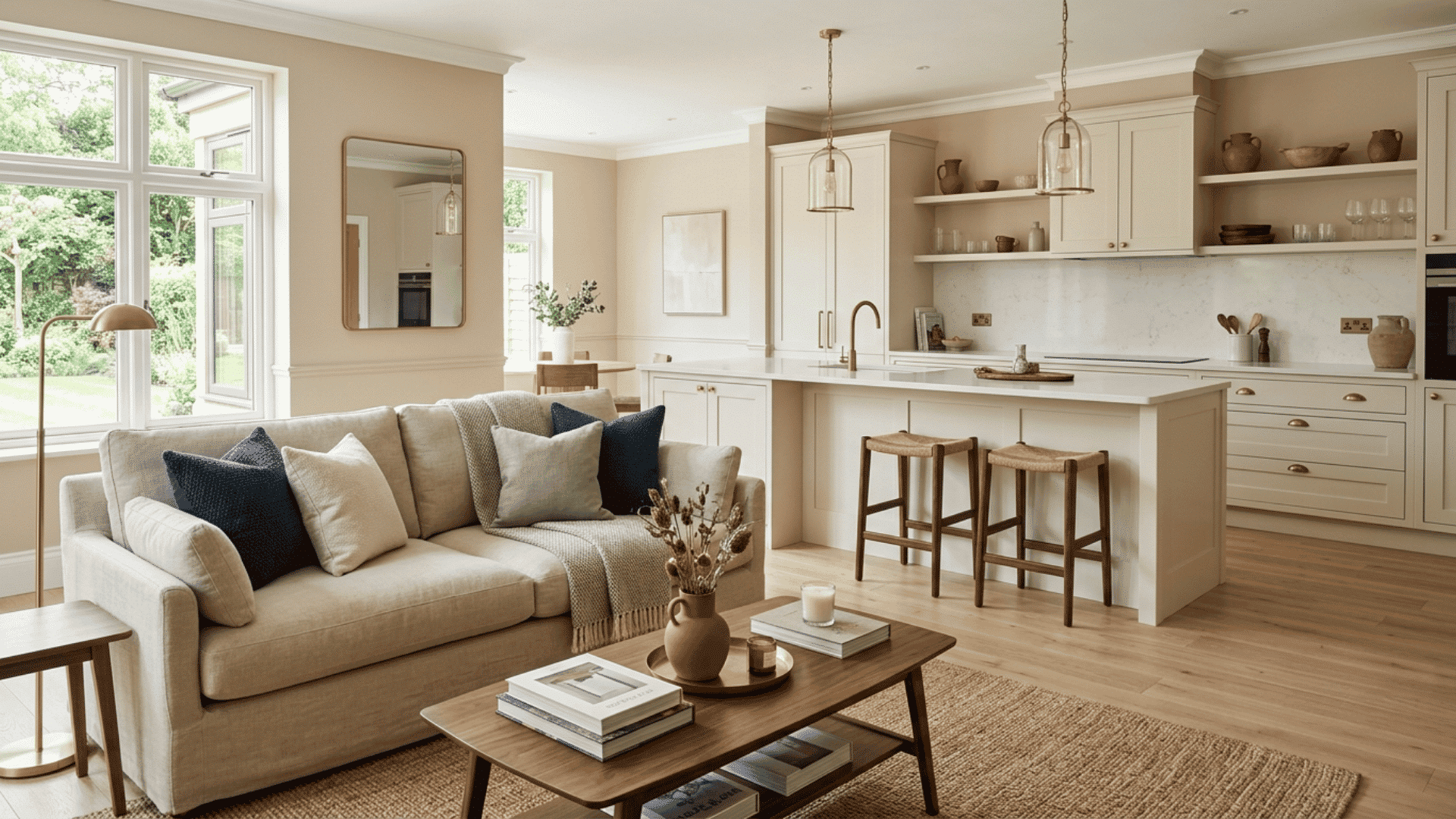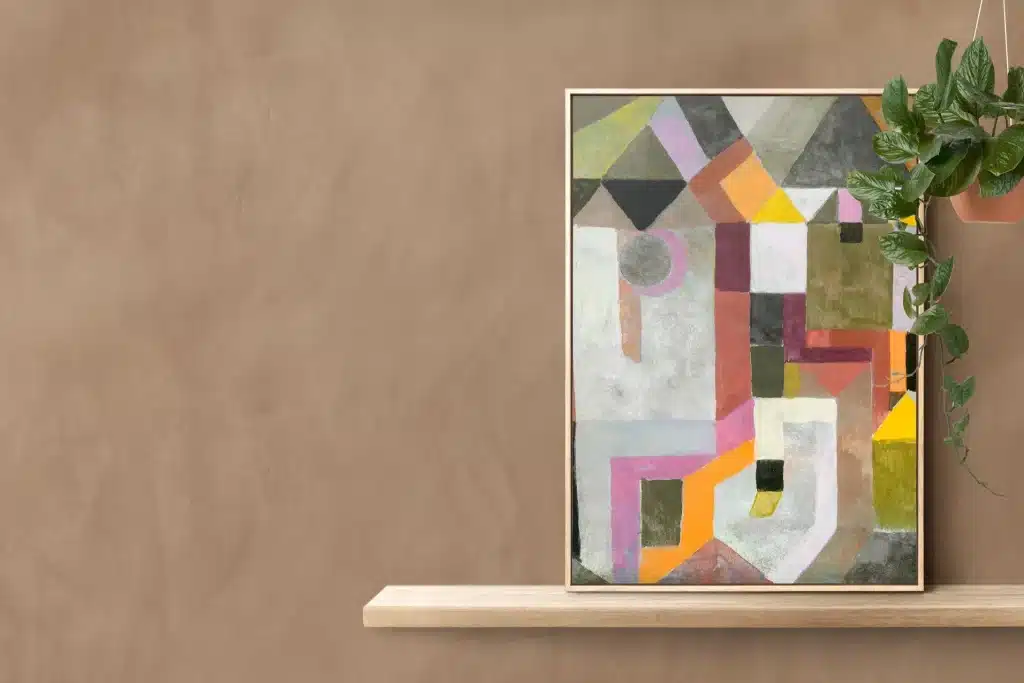
A home feels more inviting when it reflects something meaningful. That feeling often comes from the colors, textures, and materials that fill the space. Many homeowners focus on individual decor pieces, yet the strongest impact comes from how everything works together. Drawing inspiration from regional design, like the work of architects in Jackson WY can help shape interiors that feel grounded, natural, and connected to their surroundings.
Why a Sense of Place Matters in Home Design
A sense of place brings character into a home. It connects the interior environment to the world outside. This connection can come from local landscapes, climate, or even cultural influences.
Homes inspired by natural surroundings tend to feel more balanced. Soft earth tones, organic textures, and simple materials create a calm atmosphere. These elements do not need to match the outdoors exactly. Instead, they reflect the feeling of the environment in a subtle way.
When a space reflects its surroundings, it often feels more authentic. It becomes easier to relax and settle into daily routines. This type of design also tends to age well, since it is rooted in timeless elements rather than passing trends.
Using Color to Reflect Natural Surroundings
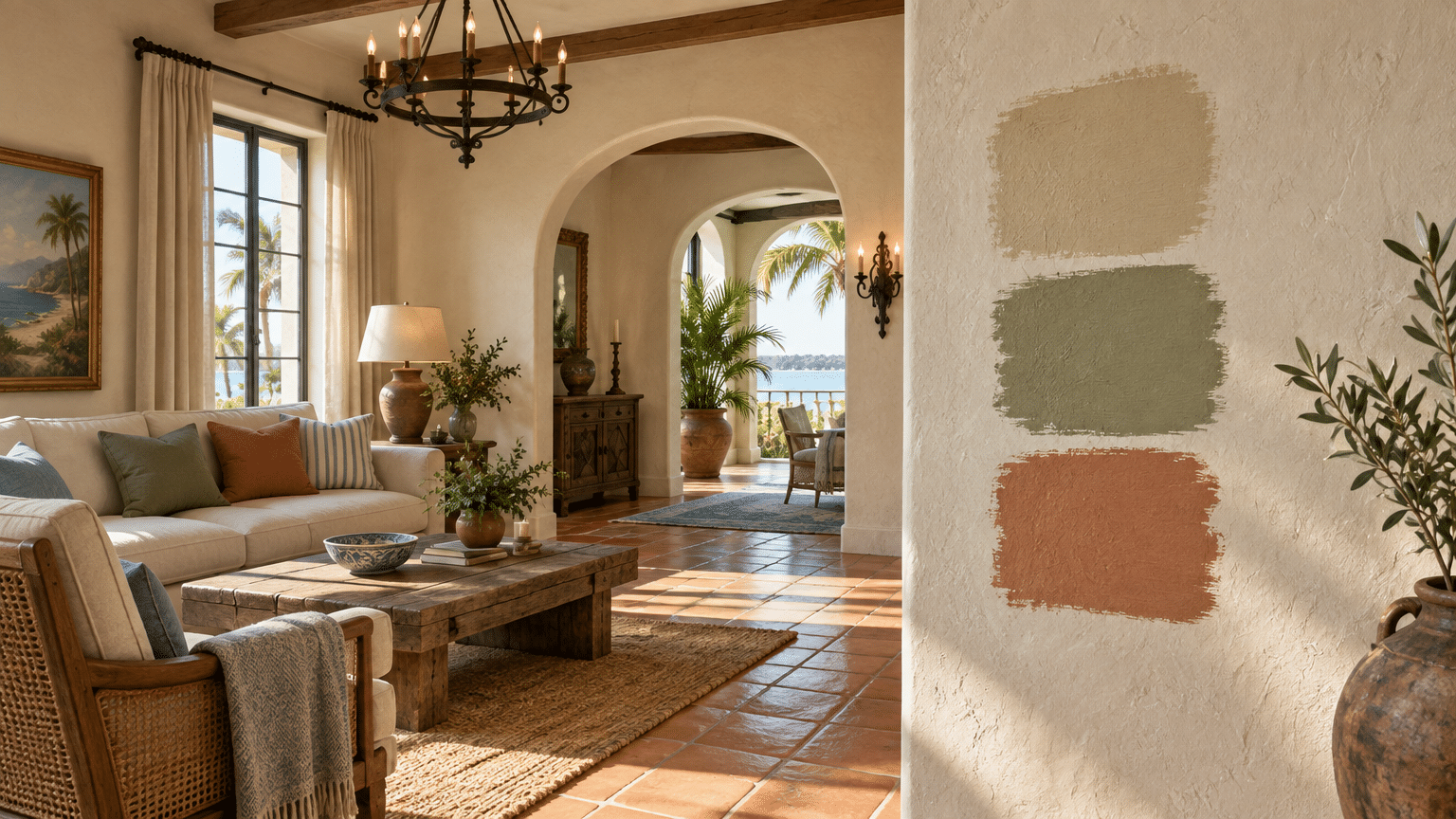
Color is one of the simplest ways to bring a sense of place indoors. Nature offers a wide palette to draw from. Warm browns, soft greens, muted grays, and gentle off whites can echo forests, mountains, and open landscapes.
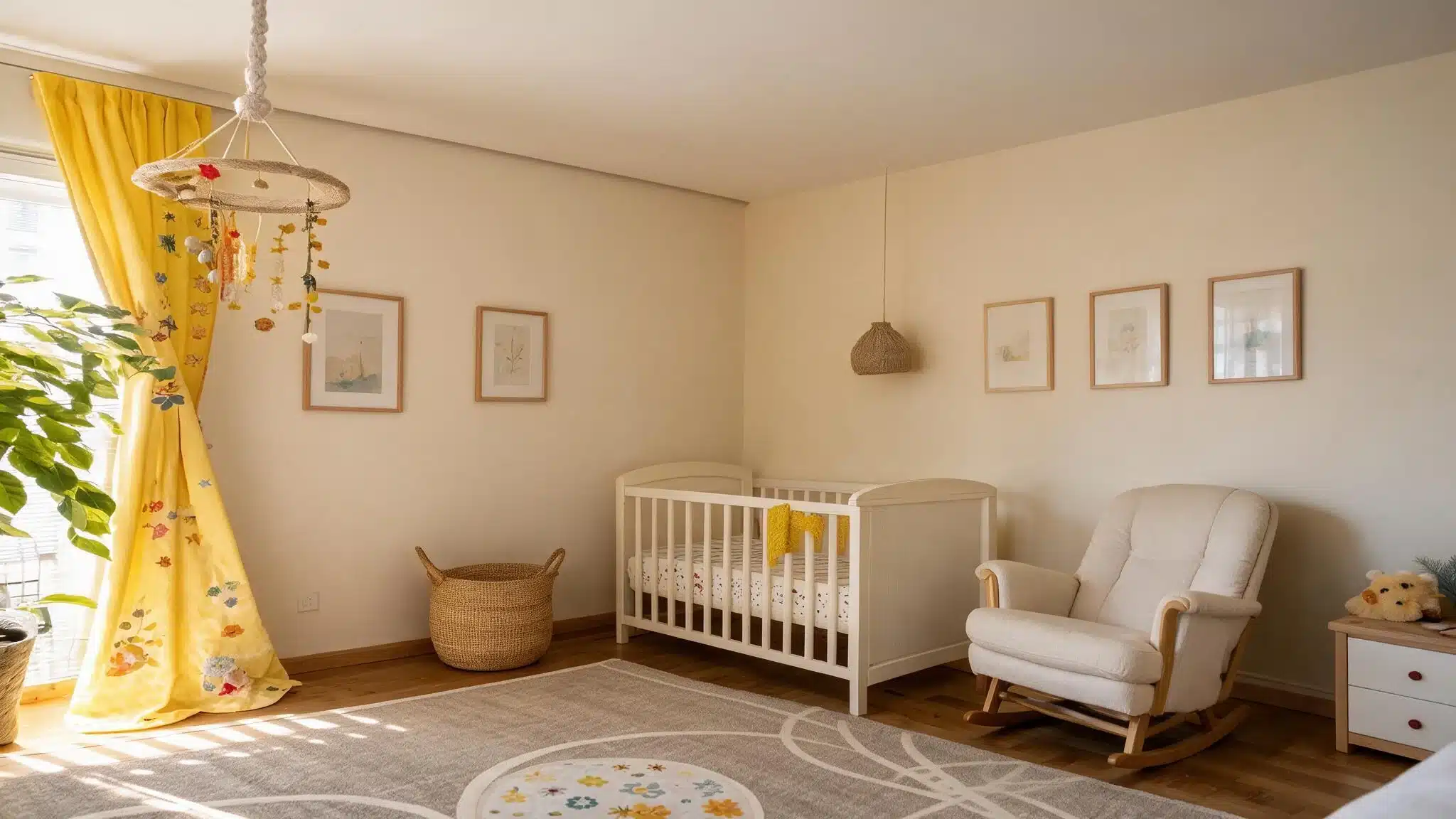
Instead of choosing bold or fast changing trends, many homeowners find value in colors that feel steady and familiar. These tones create a background that supports the rest of the room without drawing too much attention.
Layering shades from the same color family can also help. A range of soft greens or warm neutrals can add depth without making a space feel busy. This approach keeps the room calm while still adding visual interest.
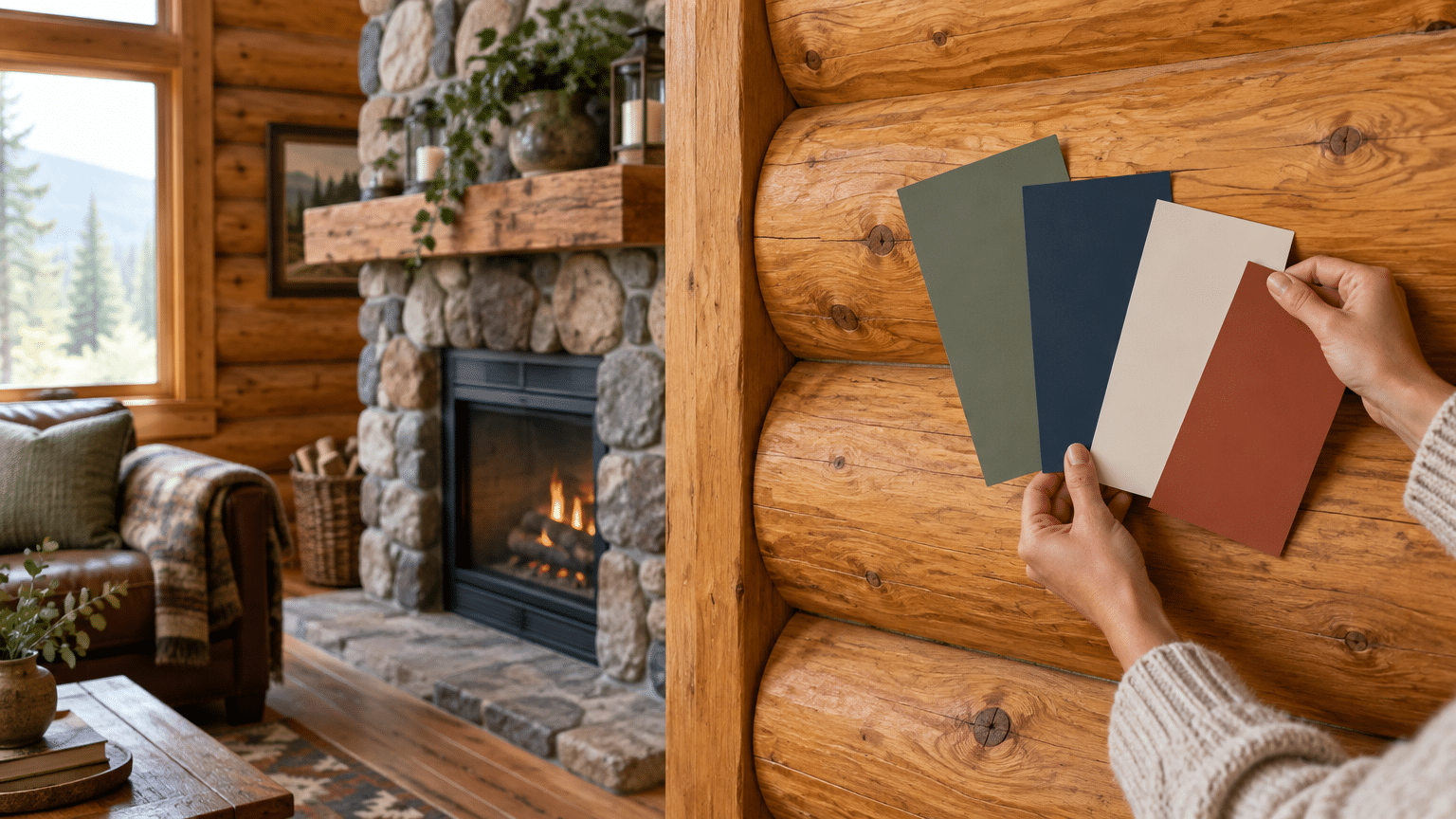
Lighting plays a role as well. Natural light can soften colors during the day, while artificial light can warm them in the evening. Testing paint in different lighting conditions helps ensure the final result feels right throughout the day.
Adding Texture for Warmth and Depth
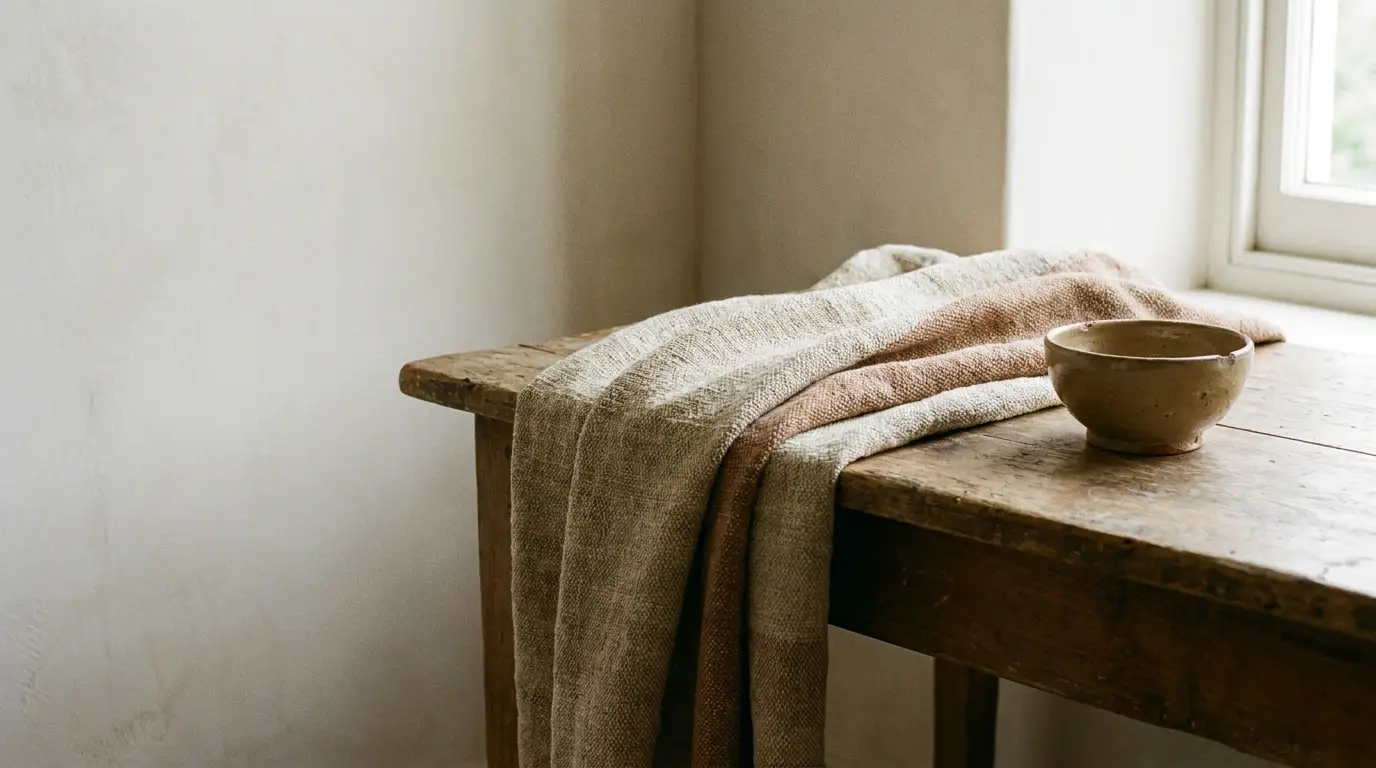
Texture shapes how a room feels as much as color does. Even a simple space can feel rich when different surfaces work together. Wood, linen, stone, clay, and woven materials each bring their own character.
Painted furniture can also add texture in a subtle way. A matte finish can soften the look of a piece, while a lightly aged surface can create a sense of history. These details help balance smoother surfaces like walls, glass, or metal.
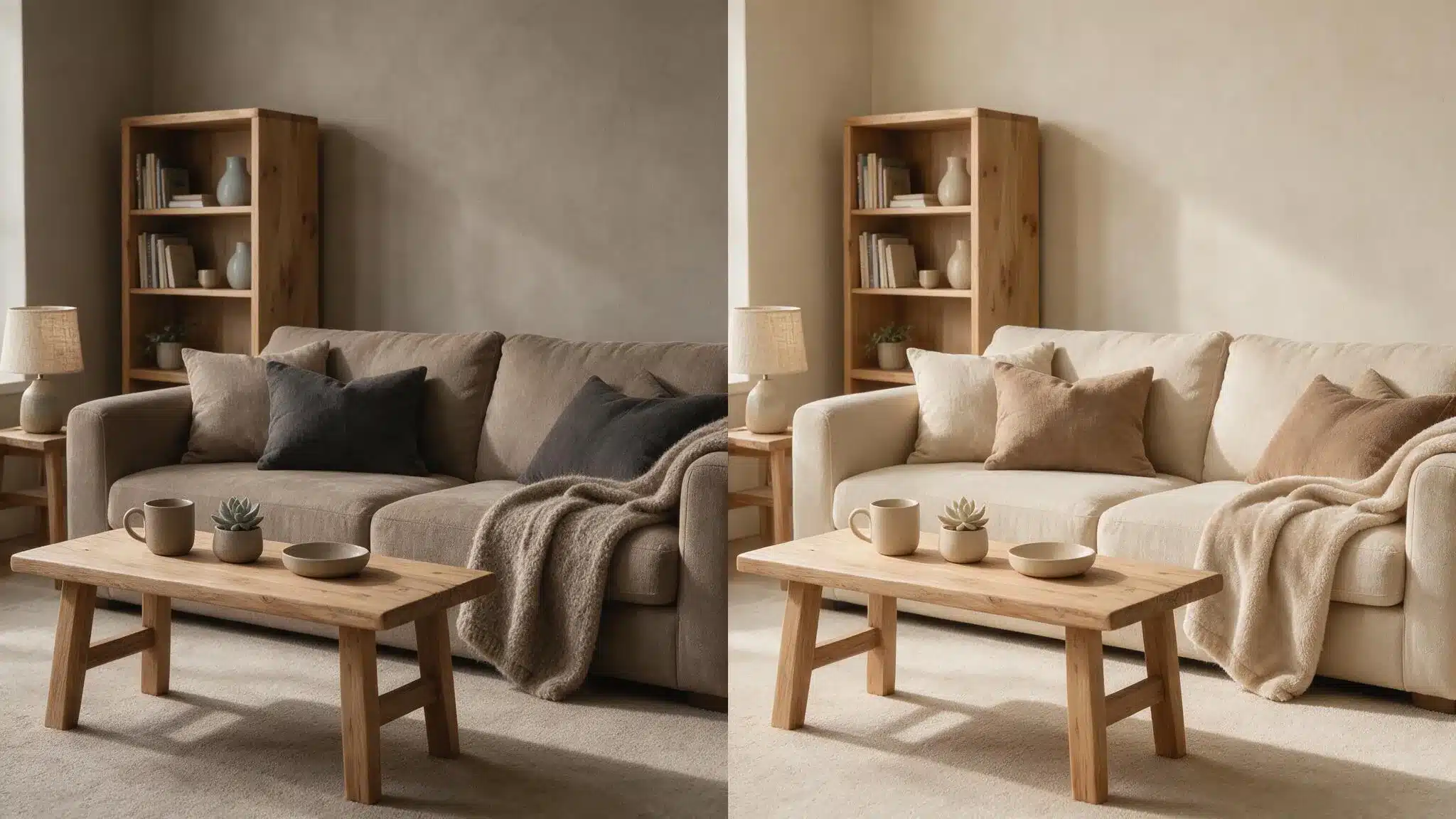
Layering textures creates a lived in feel that many homeowners seek. A woven rug, a linen throw, and a wooden table can work together to build warmth without adding clutter. The goal is to create contrast through materials, not through excess items.
Small touches matter. Even cabinet finishes, wall treatments, and hardware choices can influence how texture shows up in a room.
Creating Harmony Between Decor and Structure
Decor choices feel stronger when they align with the structure of the home. Wall color, flooring, and architectural details set the tone for everything else.
For example, a room with natural wood beams may benefit from softer wall colors that highlight the material. In a brighter space with large windows, lighter tones can enhance the sense of openness. Paying attention to these relationships helps create a more cohesive look.
It also helps to consider the scale of each element. Large furniture pieces, wall color, and flooring should feel balanced together. When these elements work in harmony, smaller decor choices become easier and more effective.
Simple updates can have a strong impact. Repainting a piece of furniture, updating a finish, or adding a natural material can tie the room together without requiring a full redesign.
Bringing It All Together in Everyday Spaces
It helps to think of each room as part of a larger story. Entryways, living areas, kitchens, and bedrooms all connect, even if they serve different purposes. Keeping a consistent palette and material approach can make the home feel more unified.
Start with a few core colors and build from there. These colors can shift slightly from room to room while still feeling related. This creates flow without making the home feel repetitive.
Texture can also carry through the home. Repeating materials like wood tones, soft fabrics, or natural finishes helps connect different spaces. This creates a sense of continuity that feels calm and intentional.
The process does not need to feel rushed. Gradual updates often lead to better results because each decision has time to settle into the overall design. Over time, the home develops a layered and thoughtful look.
A Home That Feels Grounded and Personal
A well designed home reflects both the people who live in it and the environment around it. By focusing on color and texture, homeowners can create spaces that feel calm, welcoming, and connected.
Simple choices can have a lasting effect. A carefully chosen paint color, a natural material, or a thoughtful combination of finishes can shape how a space feels every day.
When a home draws from its surroundings, it gains a sense of depth that goes beyond surface level design. The result is a space that feels steady, comfortable, and truly personal.