At what point did canceling plans stop needing an excuse? There used to be a small guilt attached to bailing on plans to stay home; that guilt has mostly disappeared because nowadays, going out means checking the weather, factoring in traffic, and wondering halfway through if leaving the house was worth it. For many Filipinos, staying in has simply become the easier, more reliable choice. Here are five reasons behind that shift.
1. Entertainment Moved Indoors
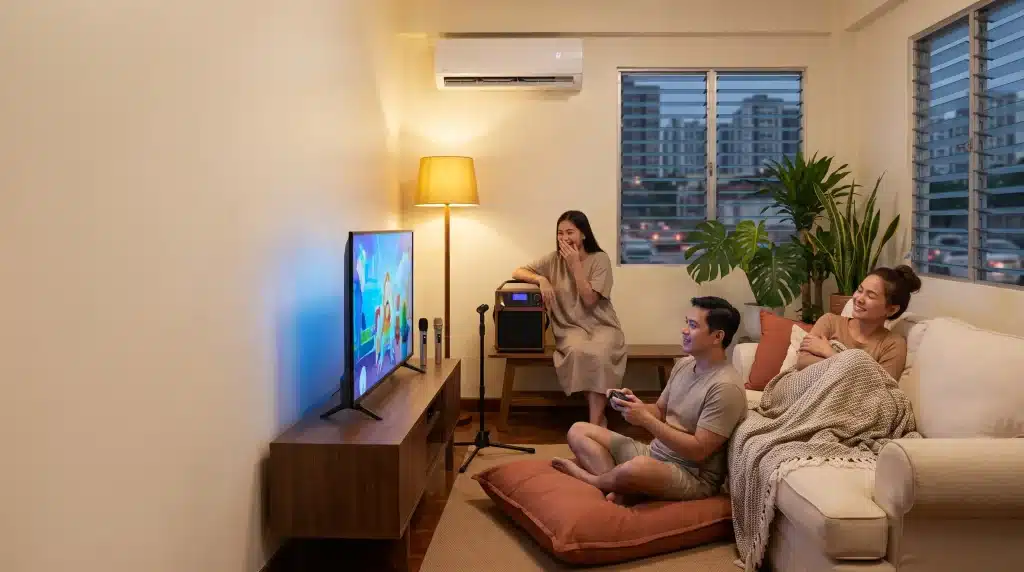
Home theater setups, sound systems, and faster internet have closed the gap between a living room and a cinema screen. A karaoke machine already sits in plenty of Filipino households, and now the game console beside it sees just as much use as the mic does. Console and mobile gaming keep growing because they offer instant access without a commute, and a quick match after work has become a normal way to unwind. Online slot games tap into that same craving for something easy to jump into, and a title like Super Ace is a good example since a quick search for the best Super Ace strategies is usually enough to have someone playing within minutes.
Fiber connections that once felt like a luxury outside Metro Manila have made an entire evening of streaming a realistic weeknight plan instead of a weekend-only treat, and a household no longer has to wait for a special occasion to justify it. Everyone watches, plays, or scrolls on their own schedule, which quietly removed one of the biggest reasons families used to leave the house together.
2. Going Out Got Expensive
A dinner for two at a mid-range restaurant can now cost more than several days’ worth of home-cooked meals, and that gap keeps widening every time palengke prices climb. Moviegoers face the same math. A single cinema trip, once an easy treat, now costs as much as a full month of home entertainment that covers dozens of films and shows.
Jeepney and tricycle fare hikes make the trip there cost more before the popcorn is even bought. Even small pleasures like street food or a quick coffee run add up differently now, since a string of small purchases outside the house can quietly outpace one well-planned grocery trip. Money isn’t the only reason people stay in, but it sets the baseline for every other decision on this list.
3. Commutes Took Longer
Commuters lose real hours to congestion every week, and that number climbs even higher once the rainy season floods a few key roads. A trip that should take twenty minutes on EDSA or Commonwealth Avenue can stretch past an hour without warning, and booking a ride during rush hour often comes with surge pricing that erases whatever the outing was worth. That kind of stress makes people think twice before adding an optional stop to an already long day.
Food delivery and online shopping have grown for the same reason, since sitting in traffic has become less appealing than paying a bit more to stay put. The hours saved from skipping a commute tend to go toward things that matter more, whether that’s family time or a hobby.
4. Comfort Became the Priority
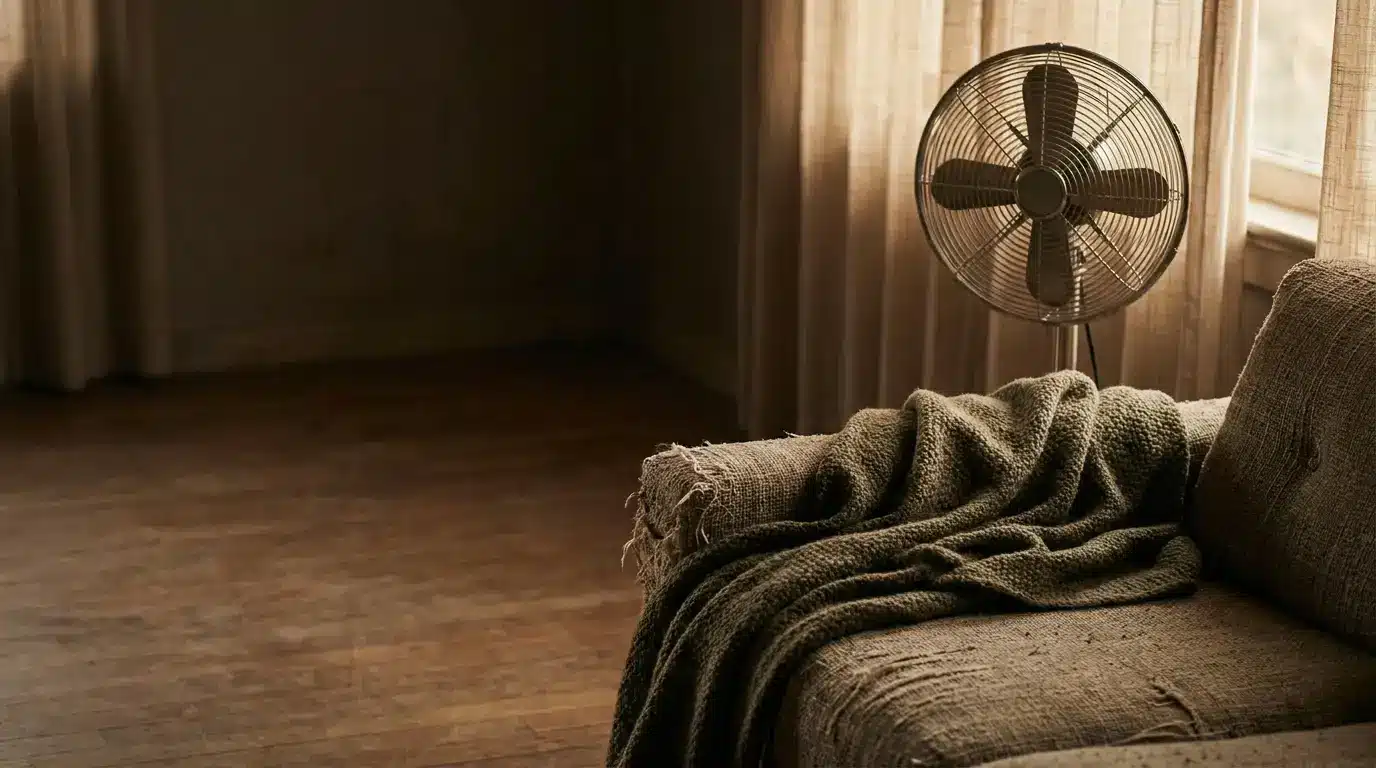
Wellness culture has changed how people think about recovery, and comfort now ranks alongside productivity as a legitimate goal instead of an afterthought. A controlled environment, free of brownouts, humidity, and unpredictable service, offers a kind of ease that public spaces rarely match. More households are investing in a decent electric fan or a split-type aircon, treating those upgrades as worth it every single day rather than during one occasional outing.
A quiet night with familiar comforts can leave someone more genuinely recovered than a crowded venue ever could. Small routines, a favorite blanket, a specific spot on the couch, a playlist that always works, add up to a kind of ease that no restaurant or mall can replicate on demand. That kind of ease is hard to give up once a household gets used to having it on tap every night, not just on special occasions.
5. Friend Circles Got Smaller
Large gatherings and packed venues demand a kind of social energy that not everyone wants to spend on a regular night out. A small inuman with two or three close friends at home, or a video call with the barkada, often replaces the loud bar or crowded mall as the preferred way to connect. This isn’t a retreat from social life but rather a shift toward interactions that feel intentional instead of obligatory.
A home setting lets people set the guest list, the noise level, and how long the night runs, something no restaurant or venue can offer. There’s no reservation, no cover charge, no pressure to keep up with a bigger crowd. Once people get used to that kind of freedom, a louder, less predictable night out is a harder sell.
Home used to be where the day ended. Now, it’s where the day happens. That shift didn’t come from anyone deciding to withdraw from the world but from home quietly getting better at doing what going out used to do. What counts as a day well spent has changed along with it, shaped less by where people go and more by what actually feels worth their time. The home isn’t done changing either. It’ll keep adjusting to whatever people decide is worth staying in for.