Some homes feel easy to live in almost immediately. The lighting feels balanced at night, outdoor spaces stay comfortable during gatherings, walkways make sense naturally, and nothing about the property forces people to constantly work around small frustrations. Other homes may look visually impressive at first while quietly becoming irritating over time because everyday functionality was never planned carefully beneath the surface.
That difference usually has less to do with luxury finishes than people assume. Comfort often comes from smaller infrastructure decisions most homeowners barely notice unless something goes wrong. Drainage placement, outdoor lighting, electrical capacity, pathway layout, shade coverage, and visibility all shape how a property feels during normal daily life.
Interestingly, people tend to recognize these details emotionally before they understand them technically. A property either feels smooth and comfortable to use or it doesn’t. Guests notice it during evening gatherings. Homeowners notice it after living there for several months. The experience of the property becomes more important than the appearance alone.
Outdoor Spaces Fail Faster Than Interior Rooms
Interior rooms usually remain usable even when the design is imperfect. A living room may feel slightly awkward but still functions well enough every day. Outdoor spaces behave differently. Small planning mistakes become obvious quickly because exterior environments deal with weather, visibility, lighting, movement, and changing seasonal conditions constantly.
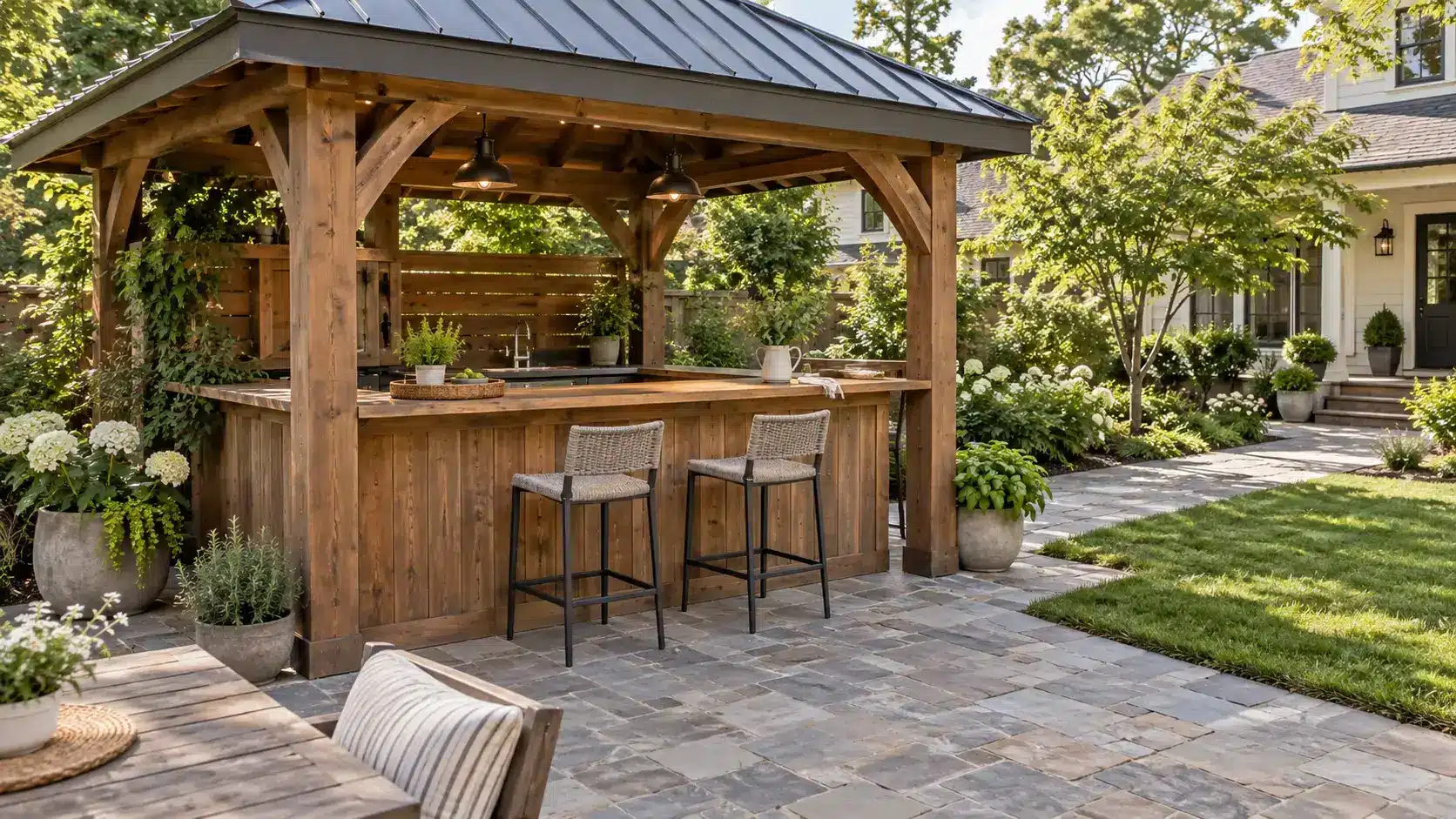
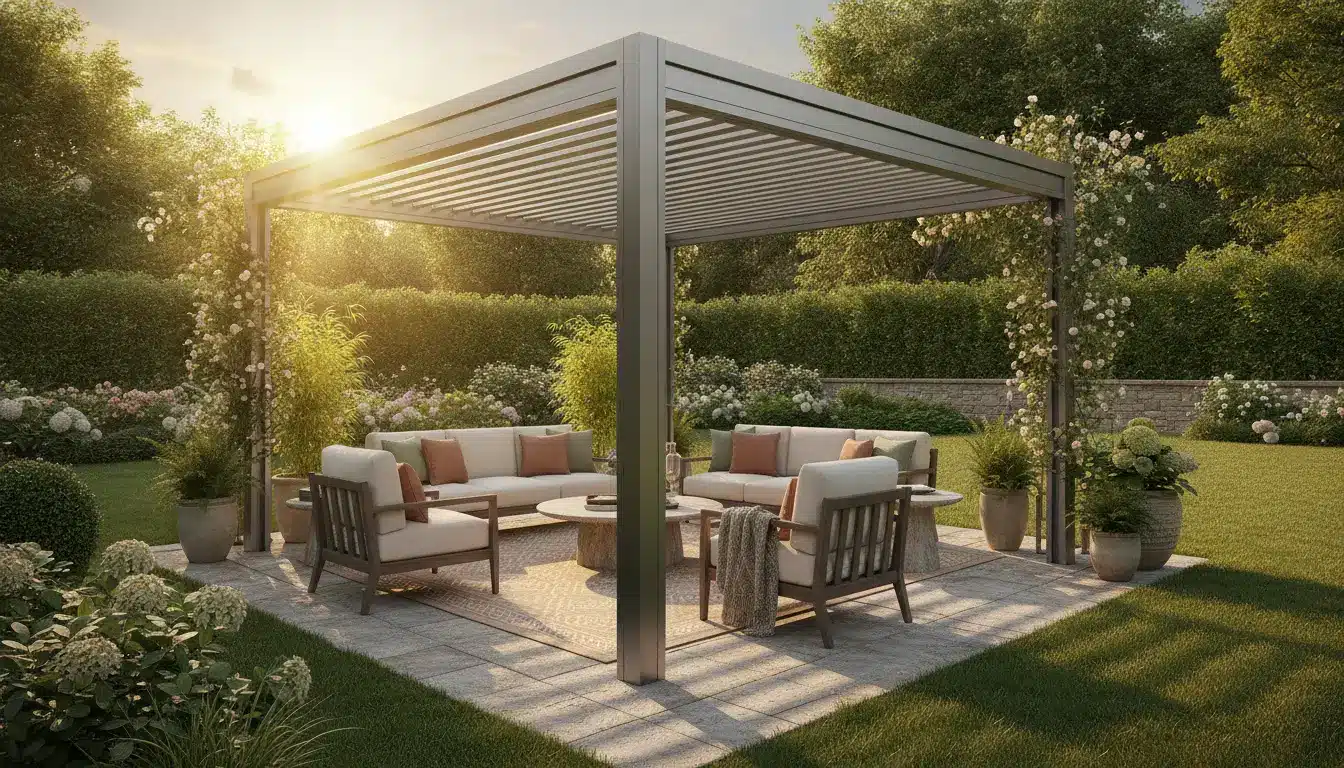
A patio without shade may become unusable during summer afternoons. Poor drainage creates muddy walkways after rain. Inadequate lighting turns beautiful outdoor seating areas into dark empty spaces nobody wants to use at night. Even something simple like poorly positioned pathways can quietly disrupt how people move throughout the property.
This is why thoughtfully designed exterior spaces often feel dramatically different from decorative ones built mainly for appearance. Function matters outside much faster than many homeowners expect.
Lighting Changes the Personality of a Property Completely
Most people underestimate how much lighting affects comfort until they experience a poorly lit property regularly. During the day, almost any home can feel inviting because natural light handles most of the atmosphere automatically. At night, however, the quality of planning becomes obvious very quickly.
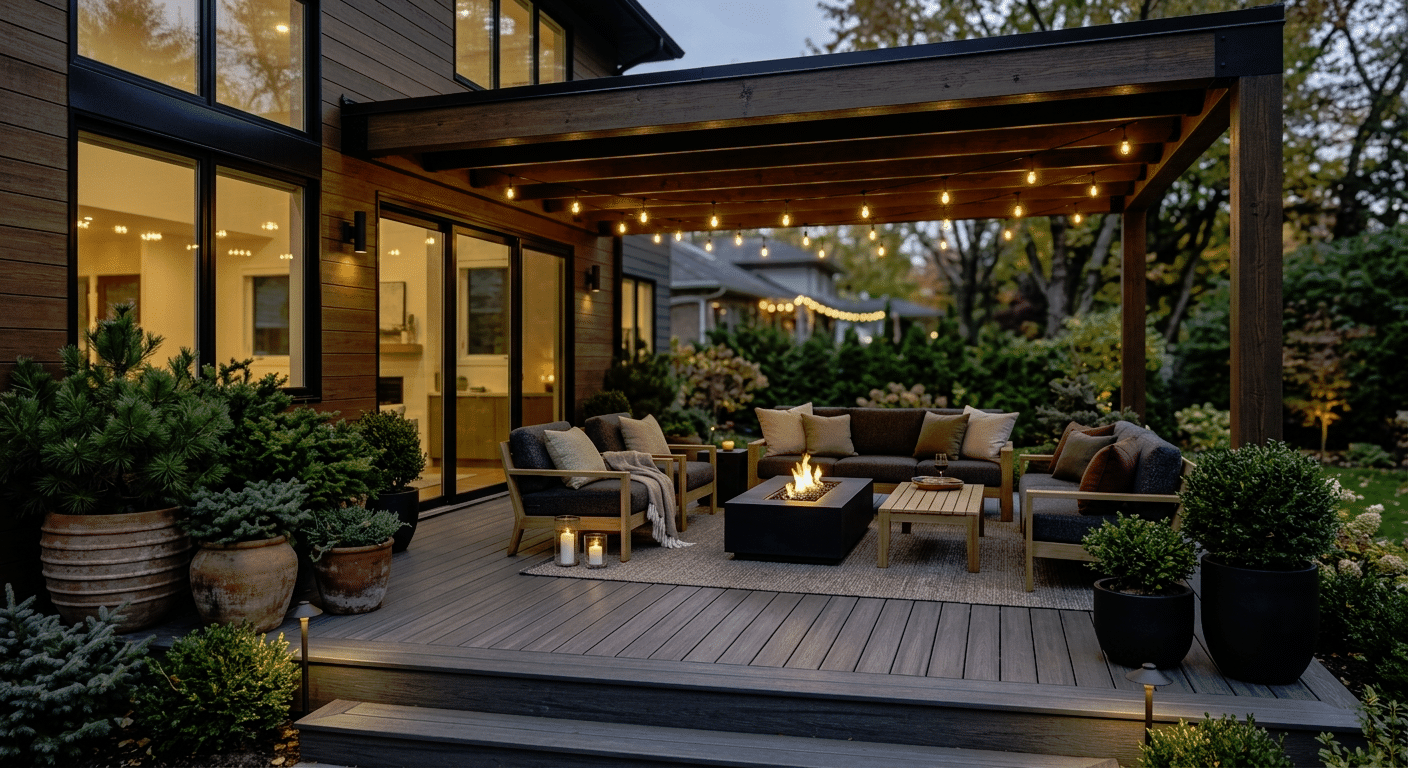
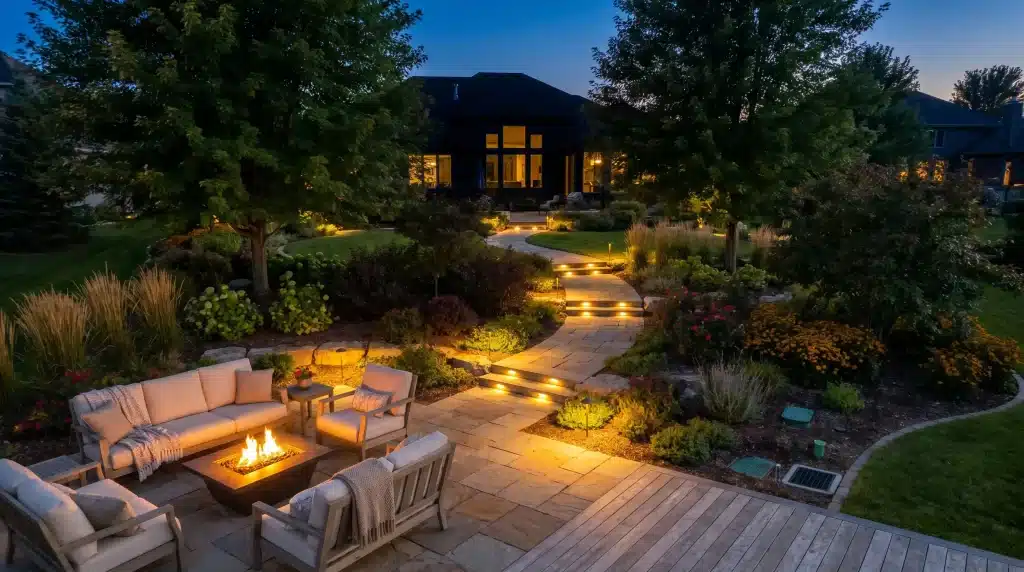
Some homes create harsh glare that makes outdoor spaces uncomfortable after sunset. Others feel strangely dark even with multiple fixtures installed because the lighting was never layered properly across pathways, seating zones, and entrances. Good lighting creates rhythm instead of brightness alone.
This is one reason many homeowners eventually invest in top electrician services after realizing outdoor usability depends heavily on how power, lighting placement, and evening visibility work together. The goal is not simply illuminating the property. It is shaping how the environment feels after daylight disappears.
Comfortable Properties Usually Guide Movement Naturally
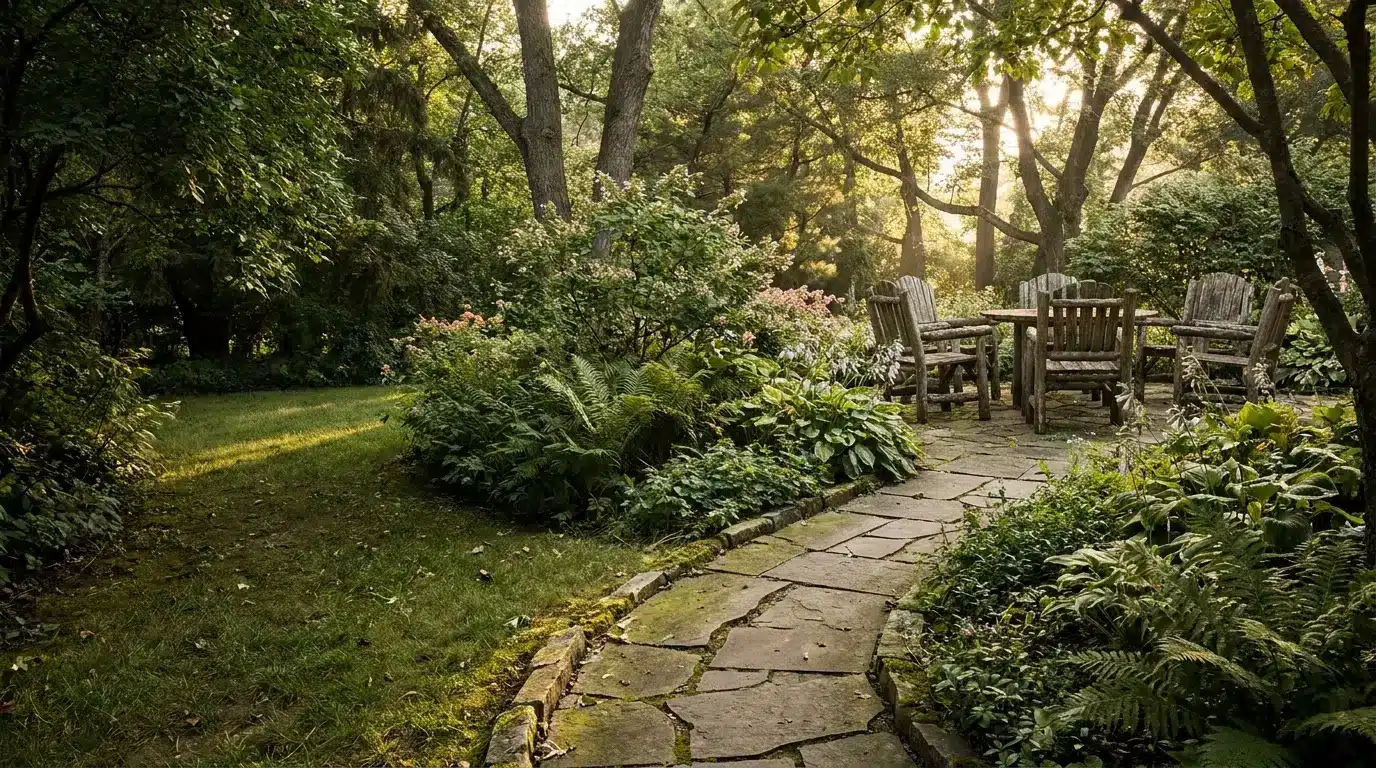
People rarely think consciously about movement patterns while walking through a property. Yet poorly planned layouts create subtle frustration constantly. Guests hesitate near entrances. Pathways feel disconnected. Outdoor seating areas require awkward routes through grass or uneven surfaces. Over time, those small inefficiencies start affecting how often spaces actually get used.
Properties that feel comfortable usually direct movement naturally without forcing people to think about it. Walkways connect logically. Entrances feel visible and welcoming. Seating areas relate comfortably to the rest of the property instead of feeling isolated or randomly placed.
Good exterior planning quietly removes friction from everyday routines. Homeowners stop noticing the systems because everything simply works the way it should.
Mature Landscaping Changes More Than Appearance
A lot of people think landscaping mainly affects curb appeal. In reality, exterior planting strategy influences temperature, privacy, noise reduction, shade patterns, and even how large the property feels emotionally. Well-designed landscaping changes how people experience the environment physically rather than simply decorating it visually.
Trees placed strategically can cool outdoor gathering areas naturally during hotter months. Layered greenery softens noise from nearby streets. Privacy screening changes how relaxed a backyard feels during daily use. These effects shape comfort long before anyone consciously analyzes the design itself.
Properties planned with professional landscaping services often age more gracefully because the outdoor environment was designed around long-term use instead of immediate visual impact alone. The space continues becoming more functional as the landscape matures rather than slowly deteriorating into maintenance problems.
Electrical Planning Quietly Controls Daily Convenience
Electrical infrastructure becomes noticeable mostly when it fails. That is why many homeowners underestimate how strongly it influences comfort until problems begin appearing repeatedly. Outdoor entertainment areas, landscape lighting, security systems, charging stations, and even irrigation controls now depend on reliable electrical planning across the property.
Older homes especially struggle once exterior living spaces become more active. Homeowners start adding outdoor kitchens, entertainment systems, heaters, and additional lighting only to discover the original electrical system was never designed for those demands.
The frustrating part is that these limitations often appear gradually. A breaker trips occasionally during gatherings. Certain areas lack enough lighting. Outdoor outlets become overloaded during seasonal use. None of it feels catastrophic initially, but the property slowly becomes harder to use comfortably.
Maintenance Problems Usually Begin Small
Properties rarely become difficult overnight. More often, comfort declines slowly because small exterior problems remain unresolved for too long. Drainage issues expand gradually. Walkways shift slightly over time. Lighting systems become inconsistent. Overgrown landscaping changes visibility and circulation patterns without anyone fully noticing the effect immediately.
The cumulative impact matters more than individual flaws themselves. One small inconvenience is manageable. Ten recurring inconveniences change how the property feels emotionally every day.
This is why well-planned homes often appear easier to maintain long-term. The infrastructure supporting the property was designed to handle regular use without constant adjustment or temporary fixes.
People Remember How a Property Felt More Than How It Looked
Visual appearance creates first impressions, but long-term satisfaction usually depends on comfort and usability instead. Homeowners eventually stop noticing countertops, paint colors, or decorative finishes because those details become familiar quickly. What remains noticeable are the everyday experiences repeated constantly over time.
People remember whether outdoor spaces stayed comfortable during gatherings. They remember whether pathways made sense at night. They remember whether lighting felt relaxing or harsh. Those experiences shape the emotional identity of the property much more than surface-level design trends.
A home that functions smoothly tends to feel calmer because the environment supports daily routines naturally rather than resisting them through constant small frustrations.
Good Planning Usually Stays Invisible
Ironically, the best-designed properties rarely call attention to their planning directly. Most homeowners never think about drainage angles, wiring distribution, or circulation layout once those systems work properly. The property simply feels comfortable to live in.
That invisible functionality usually comes from careful coordination happening behind the scenes long before the finished space looks complete. Outdoor environments especially depend on multiple systems working together consistently rather than operating independently.
Whether the improvements involve professional landscaping services shaping the outdoor environment or top electrician services improving lighting and power reliability, the properties people enjoy most long-term are usually the ones where thoughtful planning quietly solved problems before homeowners ever had the chance to notice them.