There are homes that feel comfortable almost immediately after move-in day. People settle naturally into the space, routines develop easily, and the layout keeps making sense even after the excitement of new construction fades. Then there are houses that begin feeling strangely inconvenient within the first year despite being completely brand new.
That disconnect confuses a lot of homeowners. The finishes looked modern. The kitchen was photographed beautifully during the walkthrough. Every room appeared polished and expensive. Yet daily life inside the property slowly starts revealing decisions that were designed more for visual impact than actual long-term living.
A brand-new house does not automatically feel timeless simply because it was recently built. In many cases, homes begin aging emotionally much faster than expected because too many decisions were based on temporary trends, oversized features, or layouts that looked impressive during construction but function awkwardly in real life.
Some Floor Plans Prioritize Appearance Over Movement
One thing people notice after living in a house for several months is whether movement through the property feels natural or constantly interrupted. Certain layouts photograph extremely well because they create dramatic open spaces and oversized sightlines. Living inside them, however, can feel very different.
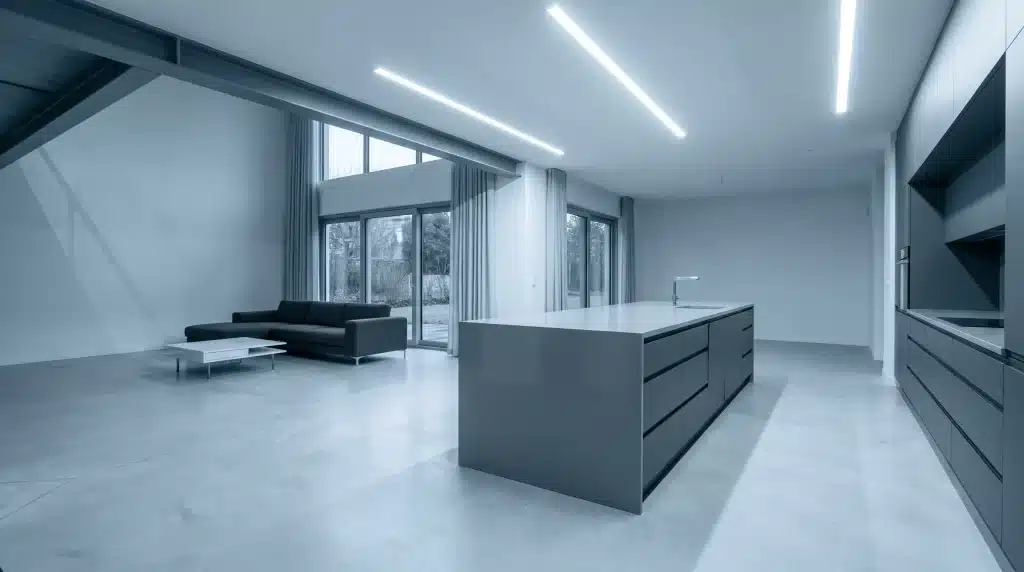
Huge empty living areas sometimes lack practical structure for furniture placement. Kitchens become crowded despite appearing large because traffic flow was never considered properly. Hallways consume unnecessary square footage while storage areas remain too small for everyday use.
The frustration usually builds slowly. People adapt to the layout at first because everything still feels new. Over time though, the inconvenience becomes part of daily routine. A home can look luxurious while quietly making normal activities more complicated than they should be.
Trend-Driven Design Ages Surprisingly Fast
Design trends move quickly now because homeowners constantly consume interior content online. What feels modern during construction can already look overused a year later simply because the same style appeared everywhere across social media and new developments simultaneously.
This becomes especially obvious with heavily stylized interiors. Certain lighting choices, cabinet colors, feature walls, or exaggerated architectural details often create immediate visual impact while lacking long-term flexibility. Once tastes shift slightly, the house starts feeling tied to a very specific moment rather than remaining adaptable over time.
That is one reason many good home builders focus more carefully on proportion, flow, and livability instead of chasing every fast-moving design trend aggressively. Homes usually age better when the structure itself remains balanced even as decorative styles evolve later.
Oversized Features Often Become Underused
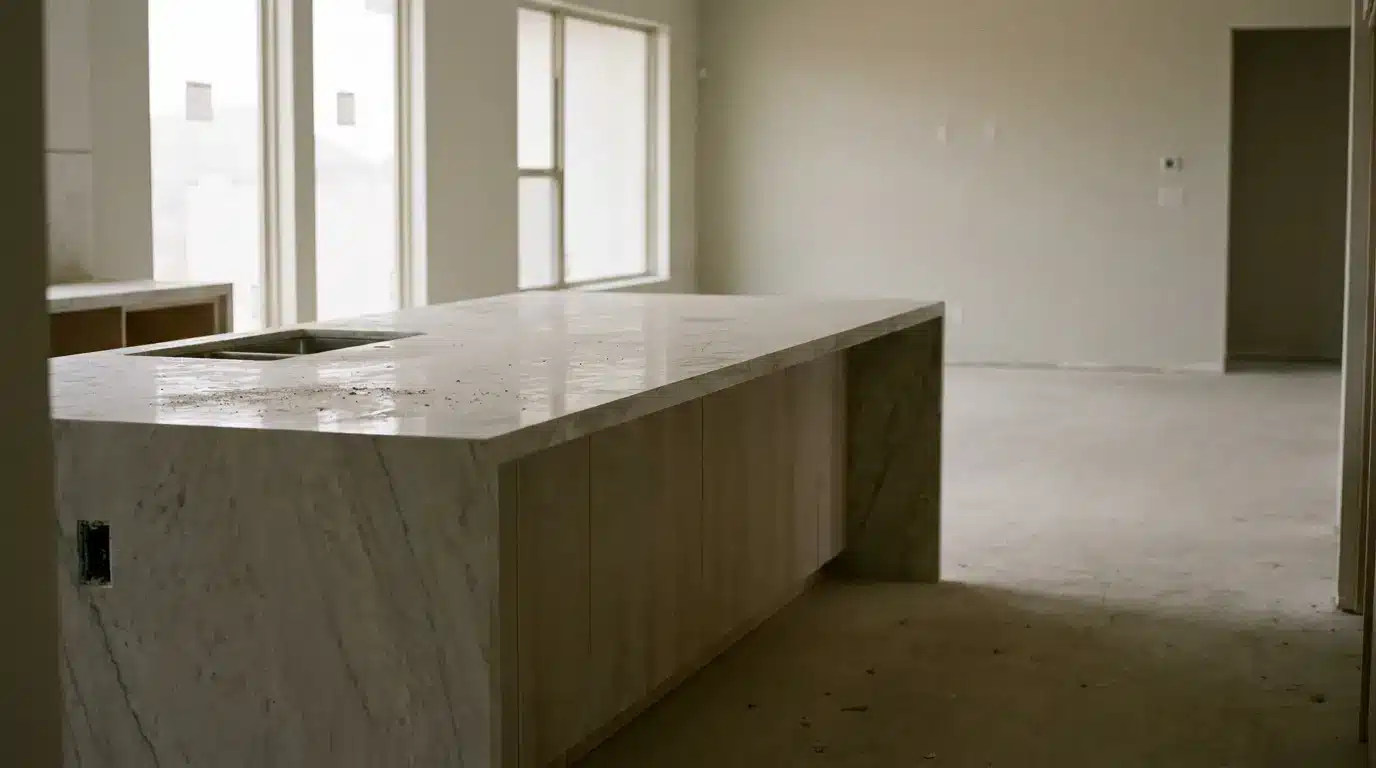
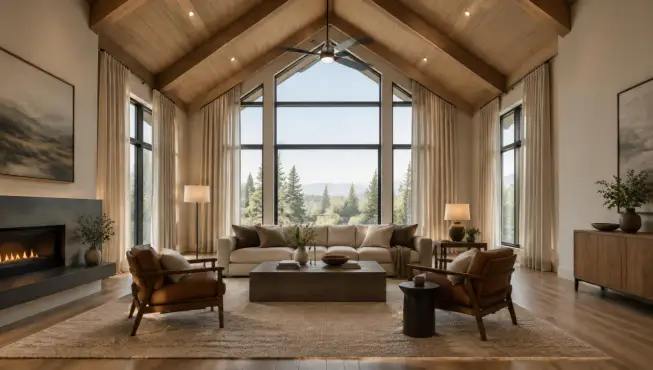
A lot of new construction now centers around dramatic upgrades homeowners believe they should want. Massive kitchen islands, oversized bathrooms, double-height entryways, and expansive open-concept spaces all sound appealing during the buying process because bigger feels more luxurious emotionally.
The reality can become very different once daily life settles in.
Some oversized spaces feel difficult to furnish comfortably. Large bathrooms require constant cleaning while offering little practical improvement. Huge open areas create noise problems and remove privacy completely from normal routines. Instead of feeling luxurious, the house begins feeling inefficient.
People rarely realize this during walkthroughs because they experience the home visually first. Actual comfort only becomes clear after living there long enough for habits and routines to develop naturally.
Flexibility Matters More Than People Expect
One reason older homes sometimes remain appealing for decades is because many of them adapt easily to changing lifestyles. Rooms can shift purpose over time. Spaces feel usable in multiple ways. The layout allows homeowners to evolve without constantly fighting the structure itself.
Some newer homes struggle with this because every area was designed too specifically around one trend or one stage of life. The office works only as an office. The media room serves no other function. Decorative built-ins lock rooms into fixed layouts permanently.
That rigidity creates problems later because families change constantly. Children grow older. Work habits shift. Priorities evolve. Homes that cannot adapt emotionally start feeling outdated much faster regardless of how modern the finishes still appear visually.
The Emotional Experience of a House Changes Quickly
People often underestimate how strongly a home affects mood over time. Small frustrations repeated every day slowly shape how the property feels emotionally. Poor natural light in certain rooms. Awkward transitions between spaces. Noise traveling constantly through open layouts. Lack of quiet areas.
None of these things sound major individually. Together, they change the atmosphere of the entire house.
This is why some newly built homes lose their excitement surprisingly fast after move-in. The visual novelty disappears, leaving homeowners with the actual experience of living inside the structure every day. If the planning prioritized appearance over comfort, that reality becomes noticeable quickly.
Fast Construction Sometimes Creates Generic Living
Entire neighborhoods now get built rapidly around repeating design formulas because efficiency matters heavily during large-scale development. As a result, many homes begin feeling interchangeable long before they technically age physically.
Rooms follow identical proportions. Exterior details repeat constantly. Interior selections mirror current trends almost exactly from one property to another. Even expensive homes can feel generic when too many decisions were based on speed and marketability instead of individual livability.
This creates an unusual problem where houses feel emotionally dated before they are physically old. Homeowners begin craving changes much sooner because the property never developed a strong lasting identity in the first place.
That is where custom home building services often create a very different experience. Homes planned around specific routines, preferences, and long-term functionality usually retain emotional value longer because the design reflects actual living patterns instead of broad market trends alone.
Storage Problems Reveal Themselves Slowly
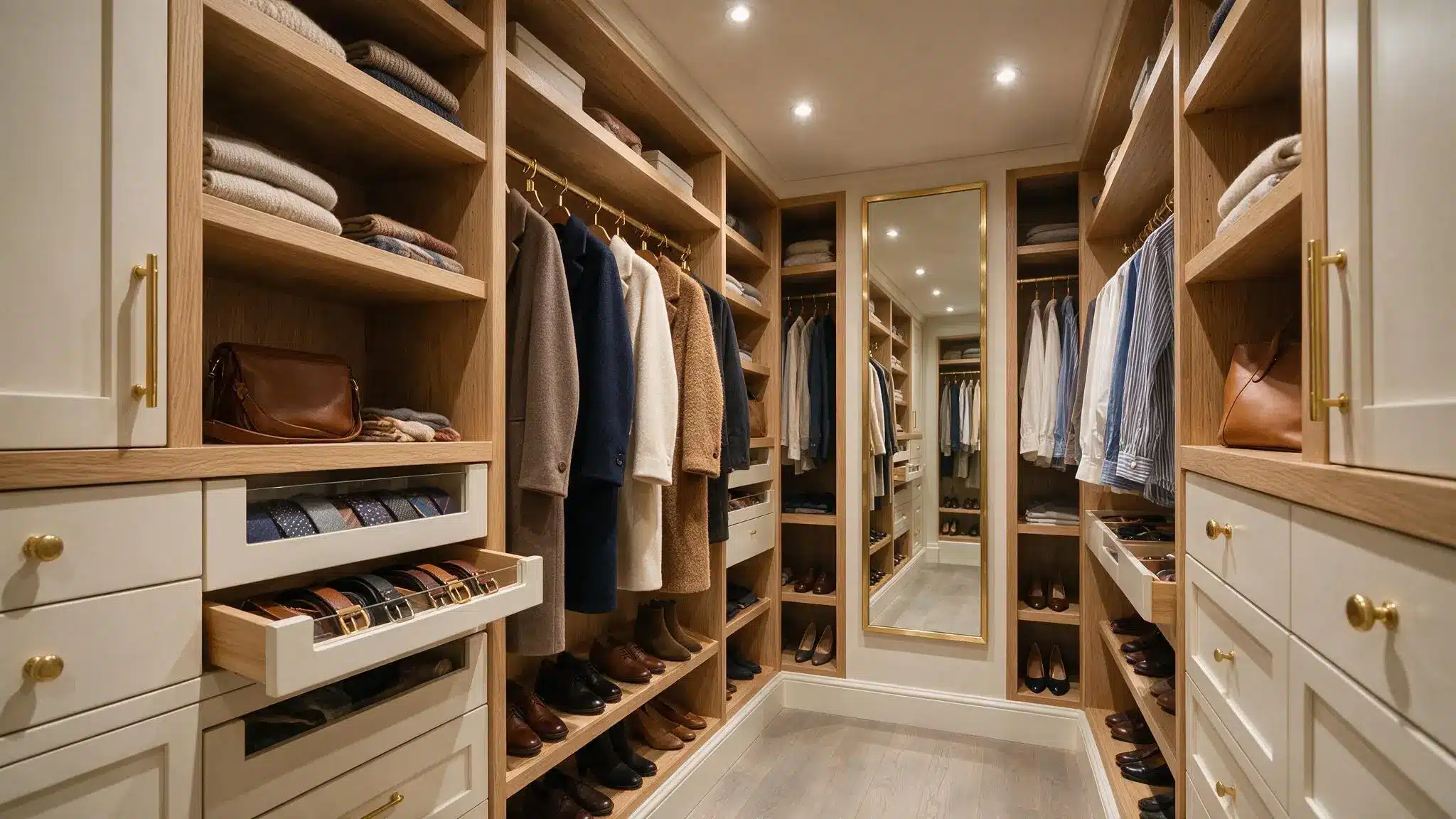
Storage is one of the easiest things to underestimate during construction because empty model homes always appear spacious. Once real life enters the property, however, small planning oversights become obvious very quickly.
Some homes lack practical drop zones near entrances. Others prioritize oversized decorative spaces while shrinking closets, utility rooms, or kitchen storage unnecessarily. Families start compensating by placing items in visible areas simply because the home was never organized around realistic daily use.
This creates visual clutter that slowly changes how the entire property feels. A house that once looked sleek and minimal during walkthroughs suddenly feels crowded despite having plenty of square footage overall.
Comfortable Homes Usually Feel Less Performative
Certain newly built homes feel designed mainly to impress visitors during short walkthroughs rather than support long-term living comfortably. Dramatic staircases, oversized fixtures, and exaggerated open spaces create strong first impressions while offering very little practical value afterward.
Homes that remain enjoyable long-term often feel quieter in their design choices. They support movement naturally. Rooms connect logically. Lighting feels balanced throughout the day. The property works with daily routines instead of constantly demanding adjustment from the people living there.
That difference is difficult to explain during construction because comfort reveals itself gradually through use rather than through appearance alone.
Longevity Depends on More Than Newness
People often assume new construction automatically guarantees modern living for decades. In reality, some houses begin feeling outdated emotionally within a surprisingly short time because they were built around temporary excitement rather than lasting functionality.
Visual trends fade quickly. Oversized features lose novelty. Poor layouts become more irritating the longer people live with them. What remains valuable over time is usually the structure underneath the aesthetic decisions the way the home supports ordinary life every single day.
Whether homeowners are evaluating good home builders or exploring Custom home building services for a future project, the houses that age best are rarely the ones trying hardest to look impressive immediately. They are usually the homes designed carefully enough that people still enjoy living in them long after the “new house” feeling disappears.