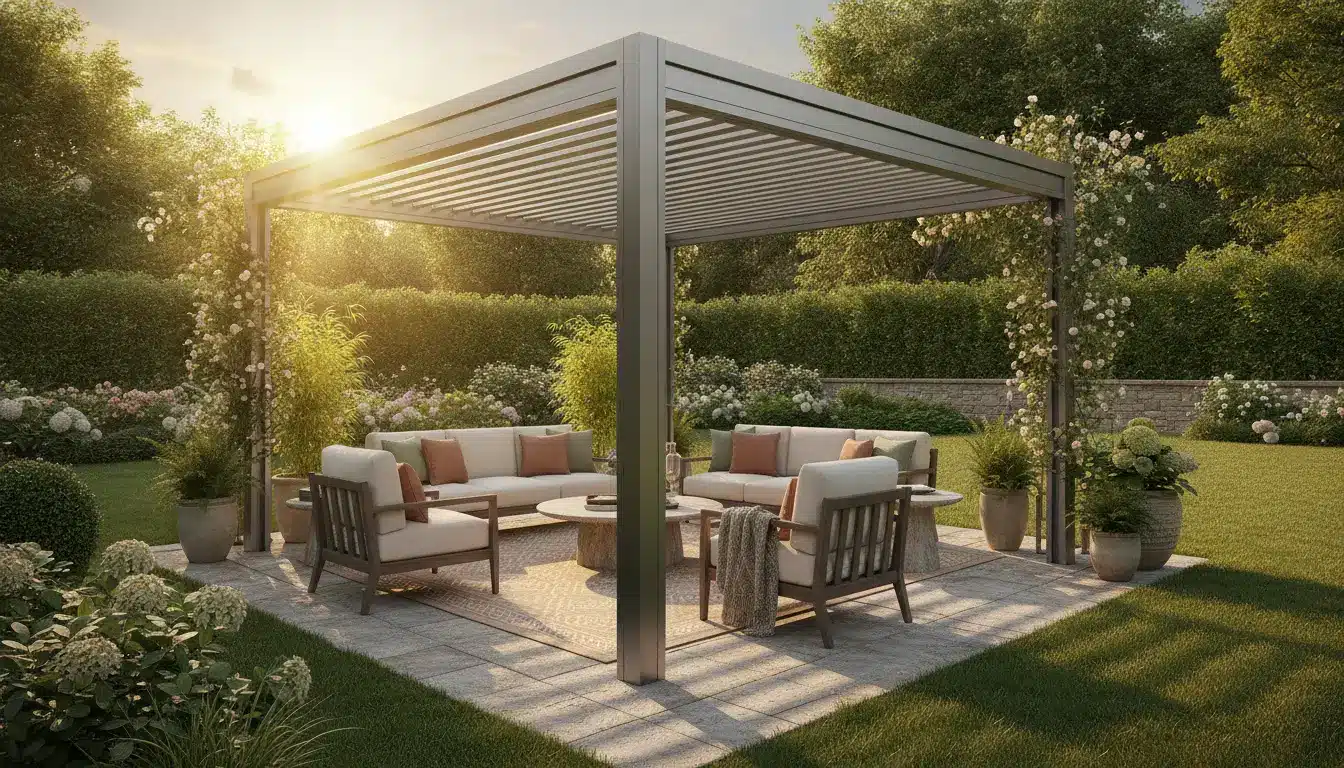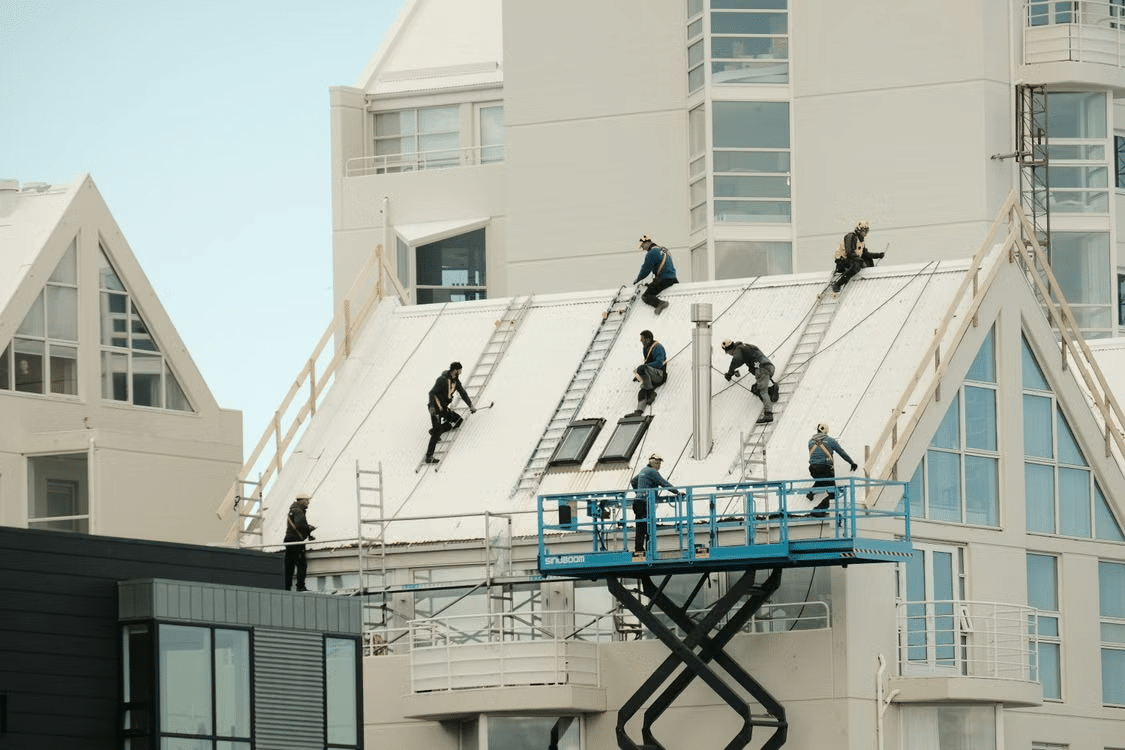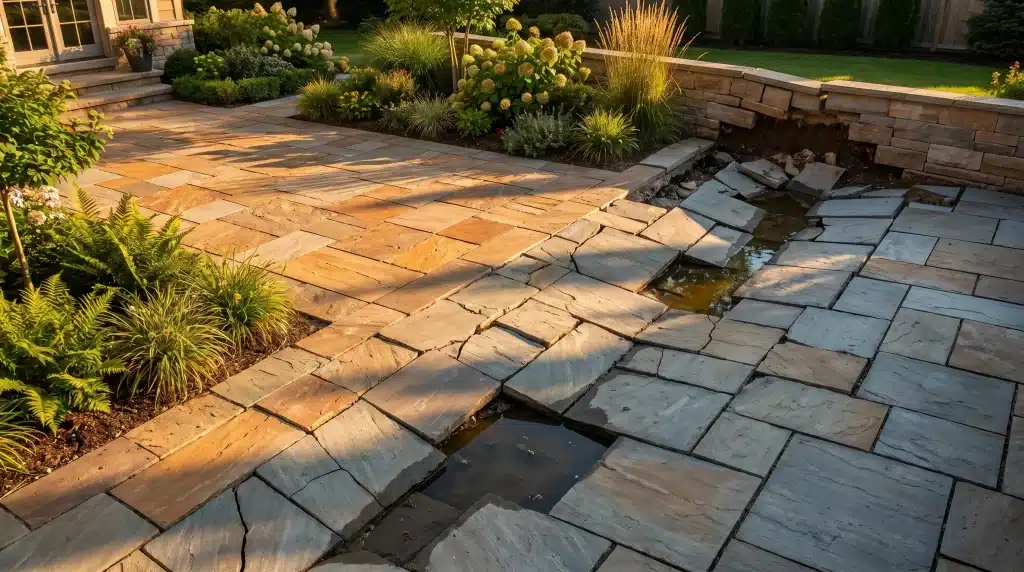
A renovation can feel exciting while construction is happening. New materials arrive, outdoor spaces begin taking shape, and homeowners start imagining how much better the property will look once everything is finished. Most of the attention usually goes toward appearance during this stage because visual transformation is easy to notice immediately.
What many people do not think about early enough is how the property will behave two or three years later. Some upgrades continue functioning smoothly with very little effort. Others slowly become expensive maintenance projects that demand constant repairs, cleaning, adjustments, or seasonal correction work. The difference often comes down to planning decisions made long before construction ended.
A property may look impressive right after completion while quietly carrying design choices that create future problems underneath the surface. Drainage issues, material wear, unstable pathways, poor irrigation planning, or low-grade installation methods rarely reveal themselves immediately. They usually become obvious only after regular use and changing weather conditions begin exposing weaknesses over time.
Expensive Materials Do Not Always Mean Lower Maintenance
A common mistake homeowners make is assuming a higher price automatically guarantees durability. In reality, some premium-looking materials require far more upkeep than simpler alternatives. Natural stone, decorative concrete finishes, and certain wood products may look beautiful initially while becoming difficult to maintain under regular weather exposure.
Outdoor environments especially reveal this problem quickly. Sunlight, moisture, temperature shifts, and soil movement constantly affect surfaces around the property. Materials chosen mainly for appearance can deteriorate surprisingly fast if they were not selected for the actual environmental conditions surrounding the home.
This becomes frustrating because homeowners often believe they invested in a long-term solution. Instead, they end up paying repeatedly for sealing, repairs, leveling, replacement sections, or surface restoration long after the original construction budget was already exhausted.
Drainage Problems Usually Start Quietly
One of the most expensive long-term property issues often begins almost invisibly. Water drainage problems rarely announce themselves dramatically during the first few months after a project finishes. Instead, the warning signs develop gradually through shifting soil, small pooling areas, cracked edges, or soft ground near structures.
Many homeowners overlook these signs because the property still appears visually attractive overall. By the time damage becomes obvious, however, the repair work usually extends far beyond the original problem itself. Water affects foundations, walkways, retaining walls, plant health, and surface stability all at once.
This is why properly planned exterior work matters far more than decorative appearance alone. Projects built around long-term performance generally age much better than upgrades focused mainly on creating immediate visual impact.
Outdoor Upgrades Often Carry Hidden Ongoing Costs
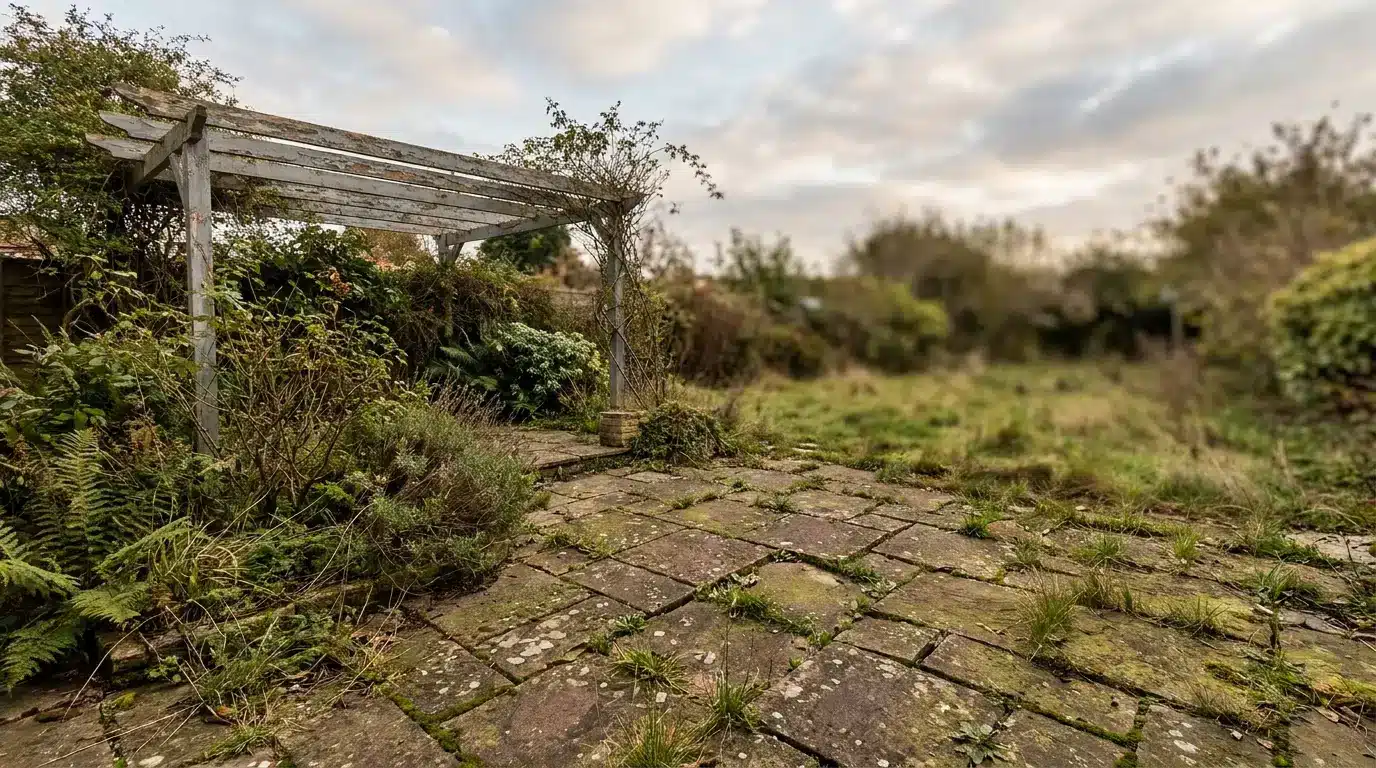
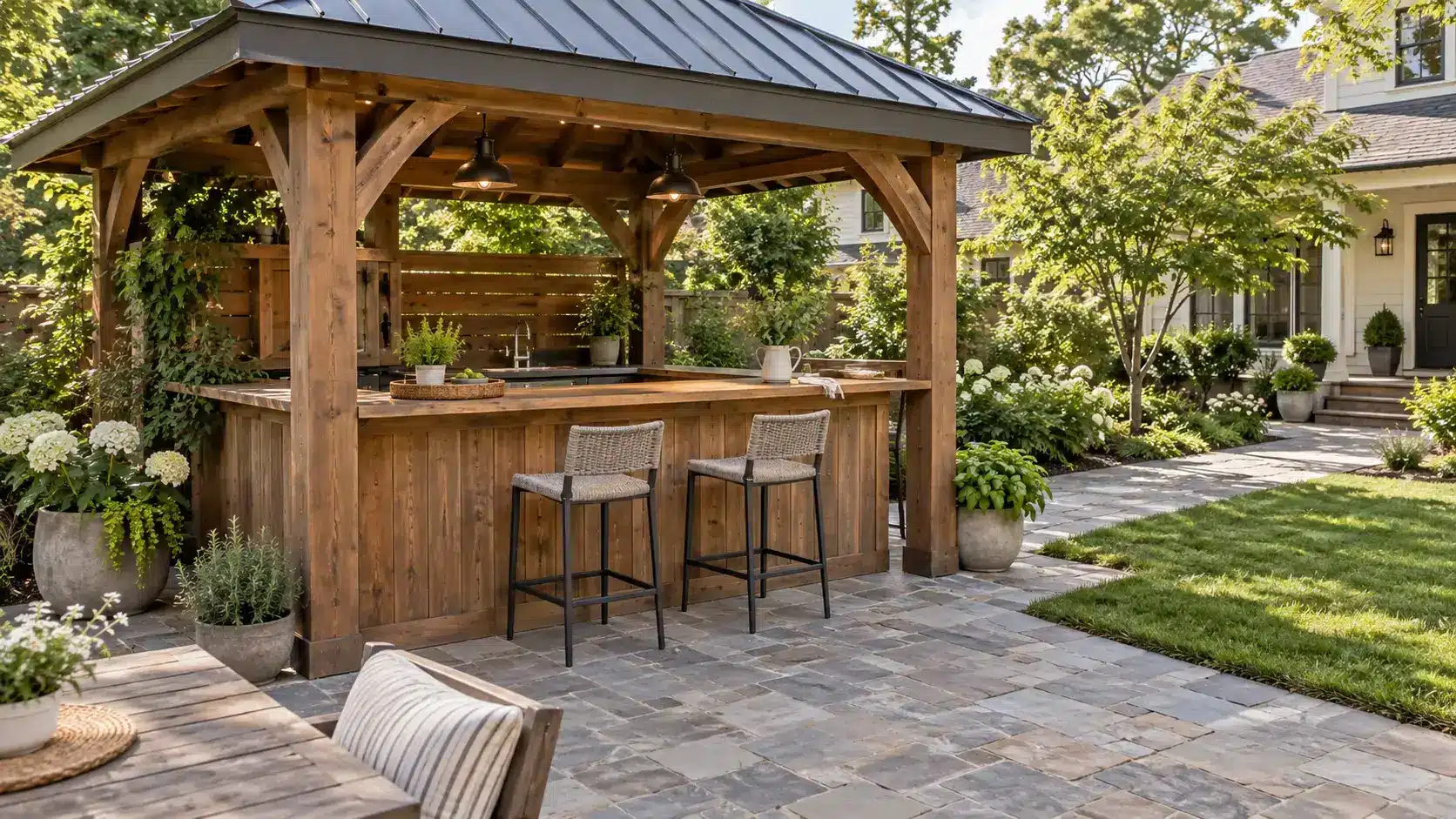
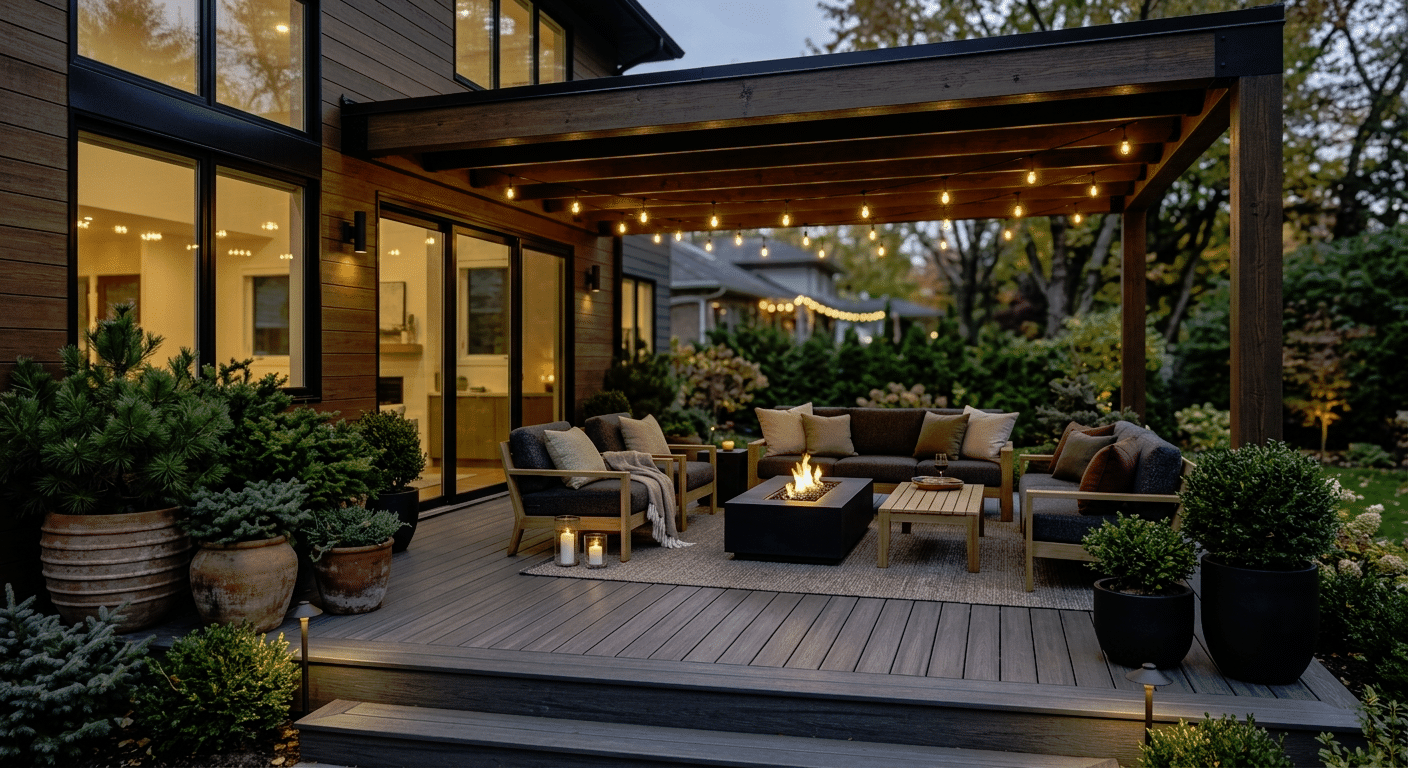
Backyard renovations have become far more ambitious over the last several years. Homeowners now install large patios, outdoor kitchens, layered lighting systems, custom planting zones, water features, and expanded entertainment spaces more frequently than before. Those additions can improve property enjoyment significantly when designed carefully.
However, every exterior feature also creates additional maintenance responsibility.
Irrigation systems require monitoring. Pavers shift gradually. Outdoor lighting systems need repairs. Plant growth changes drainage patterns over time. Wooden structures require sealing and weather protection repeatedly. None of these tasks feel major individually, but together they slowly increase the ongoing cost of maintaining the property.
This is where thoughtful planning separates sustainable upgrades from visually impressive projects that become exhausting to manage long-term.
Landscaping Decisions Affect More Than Appearance
A lot of homeowners think landscaping mainly influences curb appeal. In reality, exterior planning directly affects property stability, drainage control, temperature regulation, privacy, and even maintenance workload throughout the year. Poor landscape planning can quietly create recurring problems that never fully disappear.
For example, badly positioned trees may interfere with foundations or underground systems years later. Improper grading can increase erosion around walkways and patios. Overly dense planting areas may trap moisture near structures or create difficult maintenance conditions as growth expands.
Properties designed with Quality landscaping services usually perform better over time because the planning considers how the space will evolve instead of focusing only on the finished appearance during installation week.
Renovation Budgets Rarely Reflect Long-Term Ownership Costs
Most renovation discussions revolve around installation pricing because that number feels immediate and measurable. Homeowners compare contractor estimates carefully while deciding what fits inside the available budget. The problem is that installation cost alone rarely represents the true financial impact of the upgrade.
Two projects with similar renovation costs per square foot may behave completely differently over the next decade. One may remain stable with minimal upkeep while the other continuously demands repairs, replacements, and seasonal corrections. The initial pricing comparison does not reveal that future difference clearly enough.
This is especially true when homeowners prioritize lowering upfront construction expenses without fully evaluating long-term durability. Cheap installation methods often create expensive ownership patterns later.
Quick Construction Sometimes Creates Bigger Problems Later
Some projects move so quickly that long-term performance becomes secondary to finishing the job fast. Homeowners often feel pressure to complete renovations before certain seasons, events, or budget deadlines, which can encourage rushed decisions during construction.
That speed sometimes affects important infrastructure details people never see afterward. Soil preparation gets reduced. Drainage solutions become simplified. Material curing times get shortened. Exterior grading receives less attention than decorative finishes because visual results matter more during final walkthroughs.
The property may still look excellent immediately after completion. Problems only begin appearing gradually once weather exposure and daily use start testing the quality of the underlying work itself.
The Most Expensive Repairs Usually Begin as Small Inconveniences
Very few property problems become severe overnight. Most begin as manageable annoyances people postpone fixing because the issue does not seem urgent yet. A slightly uneven walkway, minor standing water, small cracks near hardscaping, or inconsistent irrigation coverage may not feel serious initially.
Over time, however, these smaller issues interact with weather and structural movement continuously. Water expands weak areas. Soil shifts further. Surface damage spreads. Plant roots grow deeper. Suddenly what once looked cosmetic becomes a much larger repair project affecting multiple sections of the property simultaneously.
This gradual progression is one reason preventative planning matters so much more than many homeowners realize at the beginning of a renovation.
Maintenance Pressure Changes How People Use Their Property
One overlooked effect of high-maintenance upgrades is how they alter behavior. Homeowners eventually stop fully enjoying certain spaces because they associate them with ongoing work or recurring repair concerns. Outdoor areas become stressful instead of relaxing.
A patio that constantly needs leveling or cleaning gets used less often. Decorative landscaping requiring nonstop upkeep slowly becomes frustrating rather than enjoyable. Features originally intended to improve lifestyle end up creating additional responsibilities instead.
Properties usually feel most comfortable when the environment supports daily life quietly in the background without demanding constant attention from the owner.
Long-Term Value Depends on More Than the Finished Look
The success of a renovation is not measured only by how the property looks immediately after construction finishes. Real long-term value comes from how well the upgrades continue functioning years later under normal weather, movement, and daily use.
Some projects age naturally and remain reliable because the planning prioritized durability from the beginning. Others slowly decline despite high installation costs because too much attention went toward appearance while long-term maintenance realities were underestimated.
Whether homeowners are evaluating renovation costs per square foot during budgeting discussions or investing in Quality landscaping services for exterior improvements, the smartest property upgrades are usually the ones designed to remain stable, functional, and manageable long after the excitement of construction disappears.