There’s something so satisfying about creating a home that feels beautiful, comfortable, and well cared for. From styling shelves to refreshing a room with a new coat of paint, it’s often the little details that bring everything together. But sometimes, the changes happening in your home go beyond surface-level updates—and they’re worth paying attention to.
Foundation issues can sound intimidating, but the truth is, many homeowners notice the early signs long before anything major happens. Knowing what to look for can help you stay ahead of the problem and protect everything you’ve worked so hard to create.
1. Uneven or Sloping Floors
Have you ever walked across a room and felt like the floor was slightly off? Maybe furniture doesn’t sit quite right, or a ball slowly rolls across the room on its own. These subtle shifts can be one of the earliest indicators that your foundation may be settling unevenly.
While older homes naturally develop a bit of character over time, noticeable sloping is something you don’t want to ignore.
2. Cracks in Walls, Ceilings, or Floors
Small hairline cracks can happen in any home, especially with seasonal changes. However, cracks that grow over time, appear around door frames or windows, or form in a stair-step pattern along brick walls can point to deeper structural movement.
If you’re seeing new cracks or ones that seem to be getting wider, it’s a good idea to take a closer look.
3. Doors and Windows That Stick
When doors or windows suddenly become difficult to open or close, it’s easy to assume it’s just humidity or a minor alignment issue. But if it’s happening throughout different areas of your home, it could be related to foundation shifting.
As the structure moves, frames can become slightly misaligned, making everyday use a little more frustrating than it should be.
4. Gaps Around Frames and Trim
Take a look at your baseboards, crown molding, or window trim. Are there small gaps where everything used to fit snugly? These separations can be another subtle sign that your home is shifting underneath.
It’s easy to overlook, especially when you’re focused on decor—but these details can tell a bigger story.
5. Exterior Cracks or Separation
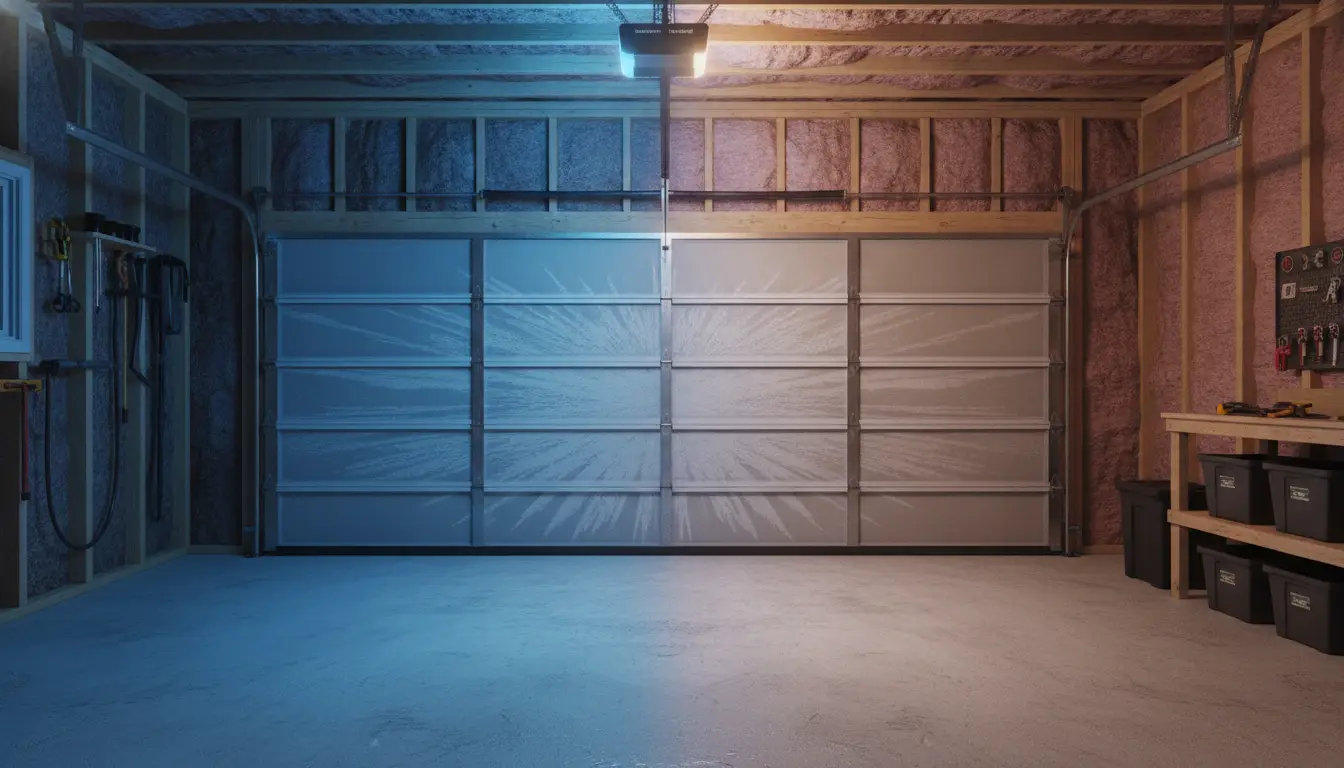
Sometimes, the clearest signs show up outside. Cracks in brickwork, separation around garage doors, or visible gaps along exterior walls can all point to foundation movement.
Keeping an eye on your home’s exterior is just as important as maintaining the inside.
What to Do Next
Not every crack or uneven floor means you’re dealing with a major issue—but it’s always better to be proactive than reactive.
Start with a Professional Assessment
If you’ve noticed a combination of these signs, having your home evaluated is a smart next step. Working with experienced professionals, for example, Xpert Foundation Repair, can give you clarity on what’s really going on and whether any action is needed. They can help determine if the movement is minor or if leveling your foundation would prevent more costly repairs down the line.
Understand Your Options
Foundation leveling isn’t a one-size-fits-all process. The right approach can vary depending on your home’s structure, the type of soil beneath it, and how much shifting has occurred. Taking the time to understand how it all works—and getting insight from professionals who specialize in foundation repair and leveling—can make it much easier to move forward with confidence.
Don’t Wait Too Long
One of the biggest mistakes homeowners make is putting off foundation concerns because everything still feels “manageable.” The sooner you address potential issues, the easier (and often more affordable) they are to fix.
A Well-Cared-For Home Starts from the Ground Up
It’s easy to focus on the visible parts of your home—the decor, the layout, the finishes—but a truly comfortable space starts with a solid foundation.
By paying attention to these early signs and taking action when needed, you’re not just maintaining your home—you’re protecting the space where memories are made.
And that peace of mind? It’s just as important as any design detail.