Begonias are beautiful, but if yours keep wilting, dropping leaves, or simply refusing to bloom, something’s off, and most people don’t realize how small mistakes in watering or lighting can completely derail a plant.
The thing is, begonia care gets a lot easier once you know what these plants actually need.
If it’s picking the right soil, figuring out the watering schedule, or tackling pests, it all comes down to a few straightforward habits.
All About Begonias
Begonias are popular flowering plants known for their bright blooms and attractive leaves. They come in many shapes, sizes, and colors, making them a favorite for both indoor and outdoor gardens.
The main types include fibrous begonias, tuberous begonias, rhizomatous begonias, and rex begonias.
Some varieties are grown for their colorful flowers, while others are loved for their unique foliage patterns.
Gardeners enjoy begonias because they are easy to grow and need only basic care. These plants work well in pots, hanging baskets, flower beds, and shaded garden spaces.
With the right care, they can bloom beautifully for a long time and add charm to any home or garden.
Different Methods for Planting Begonias
Begonias can be planted in different ways based on the growing space and plant type.
- Planting Begonias from Seed: Use seed trays with light, well-drained soil and keep the seeds warm and moist until they germinate.
- Begonias Planting from Tubers: Plant healthy tubers shallowly and water lightly until new sprouts appear.
- Planting Begonias from Stem Cuttings: Root healthy stem cuttings in water or moist soil and place them in bright, indirect light.
- Begonias in Pots: Choose pots with drainage holes and fill them with well-draining potting mix.
- Planting Begonias in Garden Beds: Prepare Loose, Rich Soil and Leave Enough Space Between Plants.
- Growing Begonias in Hanging Baskets: Use trailing begonia varieties and provide regular watering with indirect sunlight.
- Indoor Begonia Planting: Place begonias near bright windows where they receive indirect sunlight and moderate humidity.
- Outdoor Begonia Planting: Plant begonias during mild weather and protect them from harsh sunlight and heavy rain.
How to Plant Begonias Properly (Step-By-Step Process)
Proper planting is an important part of successful begonia care. With the right soil, spacing, and drainage, begonias can grow healthy and bloom beautifully. Here are the simple steps to plant begonias the right way.
1. Prepare Well-Draining Soil
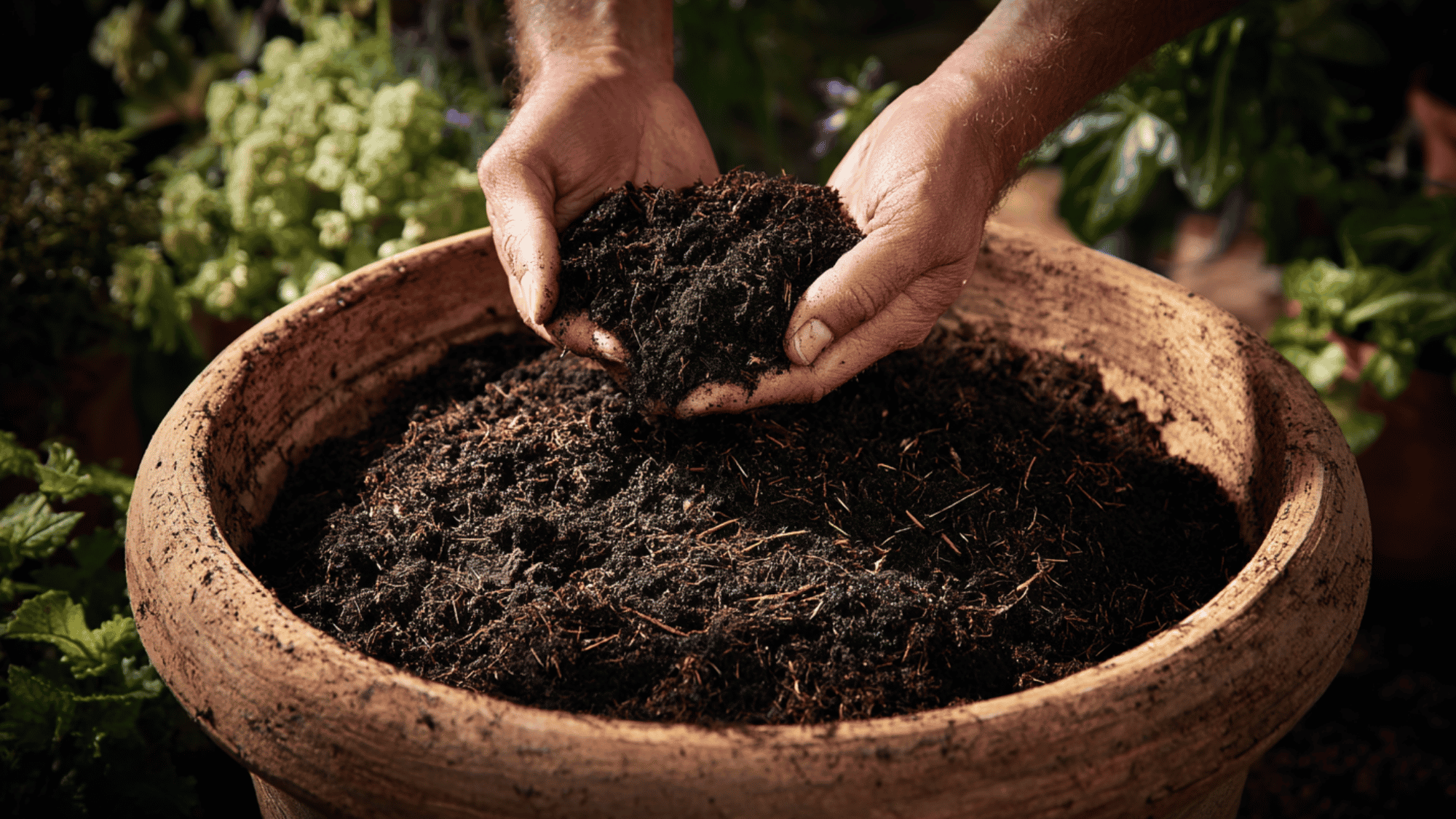
Begonias need loose and nutrient-rich soil to grow well. Mixing compost into the soil improves drainage and adds important nutrients for healthy roots.
Avoid using heavy or compact soil because it can hold too much water and cause root rot. A well-draining potting mix helps keep the roots moist without becoming soggy.
This creates the perfect growing environment for healthy and long-lasting begonias.
2. Plant the Begonias Carefully
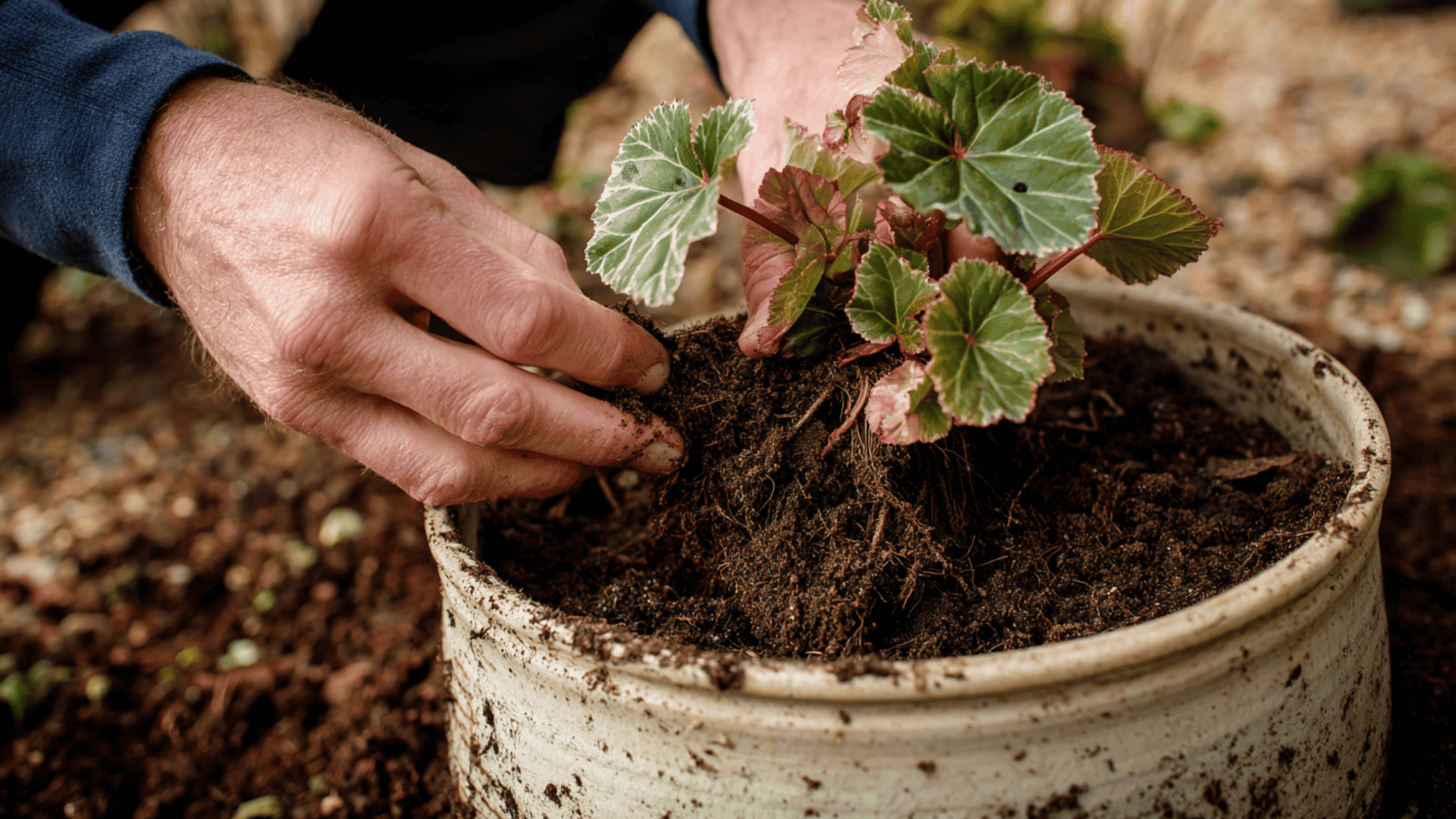
Dig a small hole that is deep enough for the begonia roots or tuber. Place the plant gently into the hole and spread the roots carefully.
Cover the roots lightly with soil and press it softly to keep the plant stable. Avoid planting too deeply, as this may affect growth.
Proper planting helps begonias develop strong roots and healthy blooms throughout the growing season.
3. Water the Plant Lightly
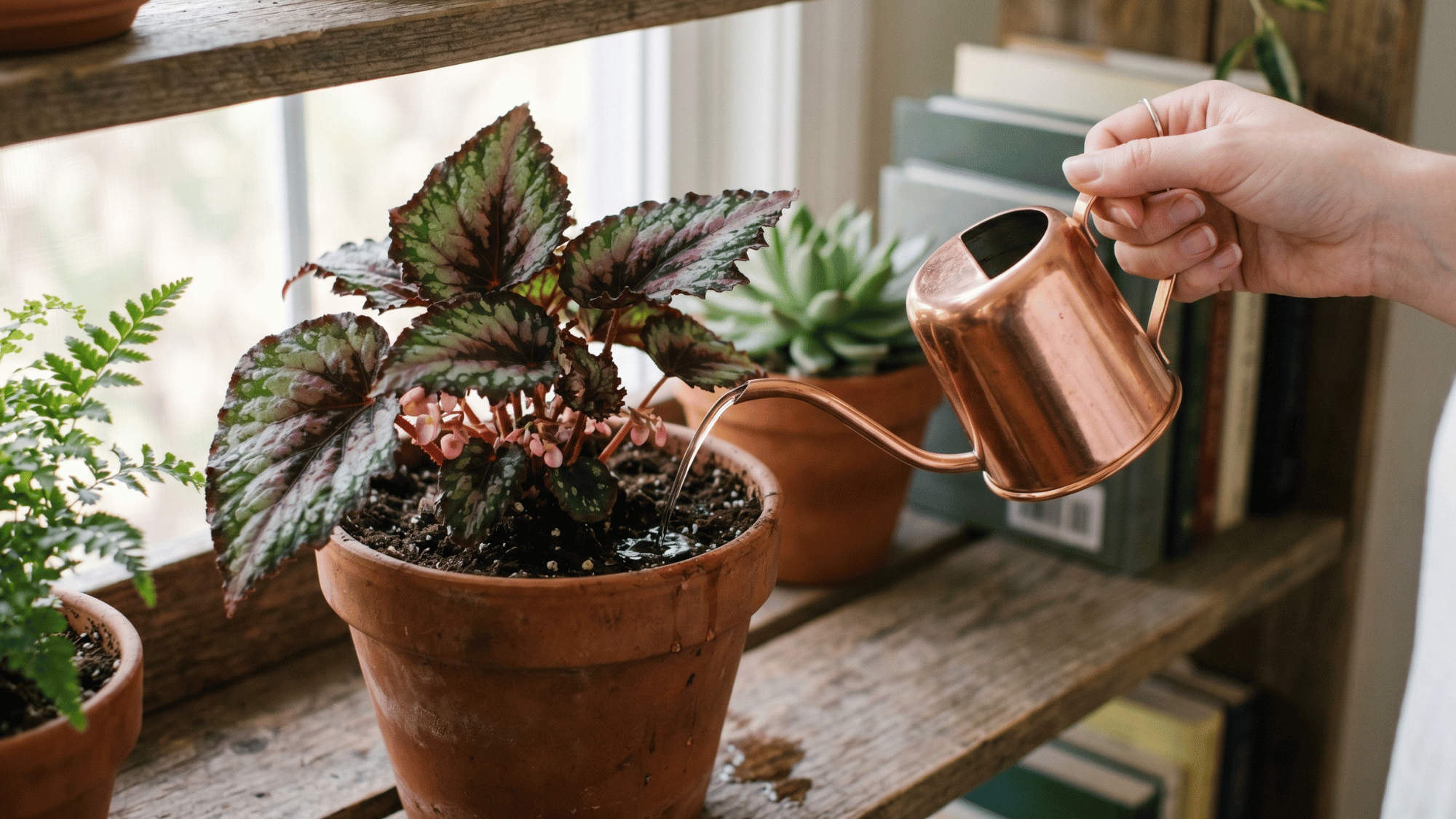
Water the begonia lightly after planting to help the roots settle into the soil. Make sure the soil stays moist but not overly wet, as too much water can cause root rot.
Always check the top layer of soil before watering again. Proper watering helps the plant grow strong roots and supports healthy leaves and flowers.
4. Provide Regular Care
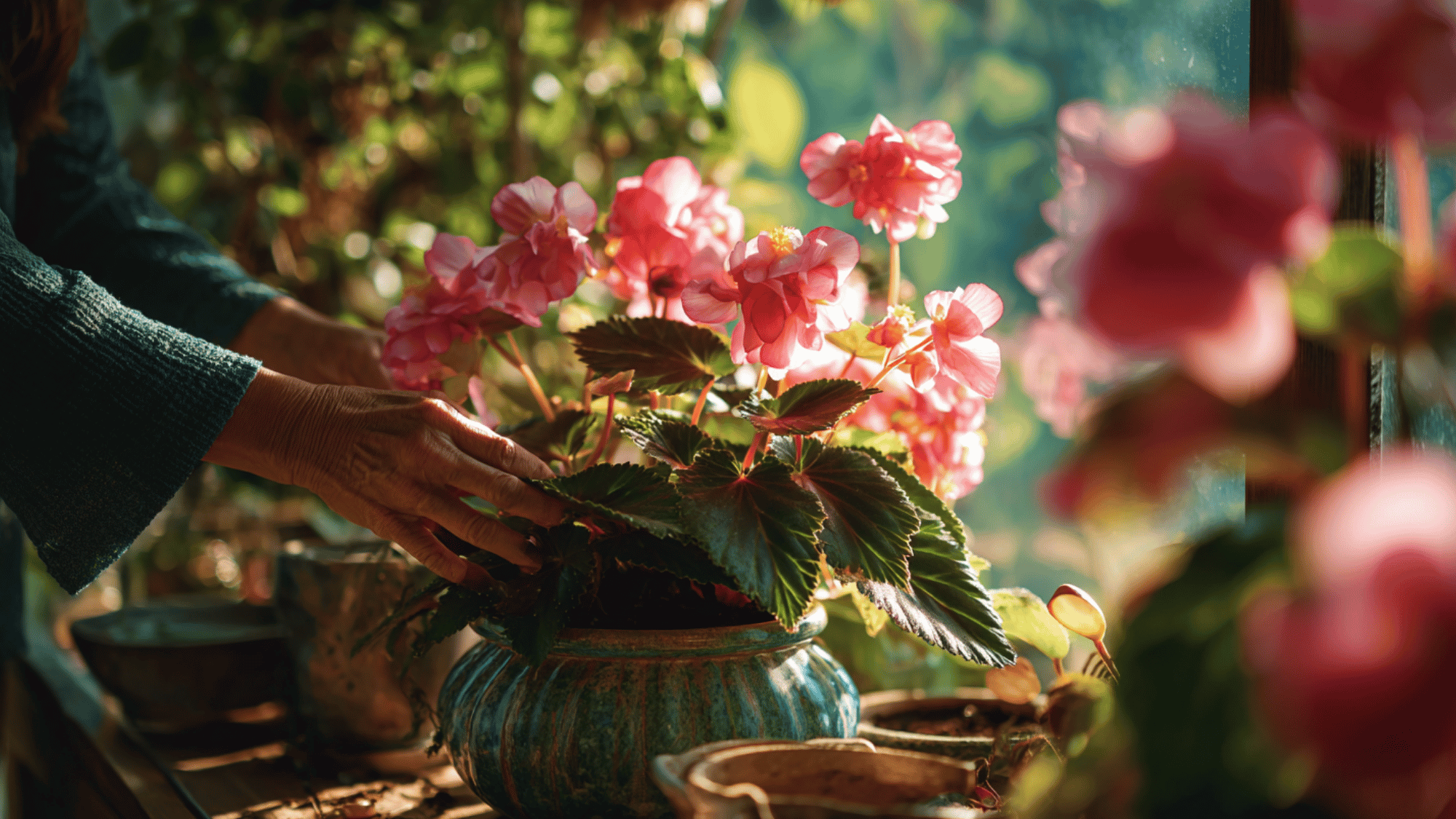
Begonias need simple but regular care to stay healthy and beautiful. Keep the soil slightly moist by watering when the top layer feels dry.
Remove dead leaves and faded flowers to encourage new growth and keep the plant neat. Protect begonias from strong afternoon sunlight, as harsh heat can damage the leaves.
With proper care, begonias can produce colorful blooms and healthy foliage for a long time.
Essential Begonia Care Tips
Begonias grow well with proper watering, sunlight, soil, and regular maintenance. Following a few simple care tips can help the plant stay healthy and bloom beautifully.
- Watering: Keep the soil slightly moist, but avoid overwatering to prevent root rot.
- Sunlight: Place begonias in bright, indirect sunlight for healthy leaves and blooms.
- Soil: Use loose, well-draining soil rich in organic matter for better growth.
- Humidity: Maintain moderate humidity levels, especially for indoor begonias.
- Pruning: Remove dead leaves and faded flowers regularly to encourage new growth.
- Protection: Keep begonias safe from harsh afternoon sun, heavy rain, and cold temperatures.
The Bottom Line
Begonia care comes down to a few basics: the right light, consistent watering, well-draining soil, and a little attention every now and then.
Get those right, and these plants reward you with color and blooms that last far longer than most expect.
The biggest takeaway? Don’t overthink it. Begonias are more forgiving than they get credit for; they just need you to stay consistent rather than perfect.
So check your soil moisture, move that pot closer to a bright window, and trim off any dead growth. Small, regular efforts make a bigger difference than occasional intense care ever will.
Frequently Asked Questions
What are Common Begonia Problems?
Common begonia problems include powdery mildew, root rot, yellow leaves, and fungal diseases caused by overwatering.
What Does an Overwatered Begonia Look Like?
An overwatered begonia may have yellow leaves, soft stems, wilted foliage, and soggy soil.
Will Baking Soda Help Begonias Bloom?
Baking soda may help begonias bloom by slightly improving soil alkalinity when used in small amounts.
How Can You Help a Sick Begonia?
To revive a sick begonia, adjust watering, trim damaged roots or leaves, and repot in fresh, well-draining soil.