It’s a simple fact that standard door sizes work for most residences; however, there are plenty of examples where a custom-sized door is simply a must. It could be an older home, a remodeling project, or a unique architectural layout that requires custom-sized interior doors. If you’re in the middle of deciding whether you need one or not, keep reading to learn more about why getting a custom-made door might be the perfect option for your home.
What Are Custom Size Interior Doors?
Custom size interior doors are doors built to non-standard sizes. They are ordered when a standard door, with its frame, does not fit the regular door dimensions.
While standard doors are mass-produced, custom-size doors need to fit unique spaces, so they are made to fit a specific size or shape. Custom-made doors are tailored to fit the opening exactly, making them ideal for homes with uneven frames, extra-wide openings, or very tall ceilings.
As they are built to order, custom doors need to be carefully designed to fit exact measurements and go through a mix of precision machinery and even manual craftsmanship.
What Are Standard Interior Door Sizes?
When it comes to standard interior doors, typical widths are 24 inches for closets and pantries, and 28 inches for smaller bathrooms and utility rooms. Standard-size doors for bedrooms and standard bathrooms are 30 inches. The maximum standard width for interior doors is 36 inches, while ADA requirements are 32 inches. When it comes to height, the standard is 80 inches, but there are also 84 and 96-inch doors for homes with higher ceilings.
In some cases, standard-size interior doors simply won’t be compatible, so custom-made doors are necessary. Some main reasons for this are that the frames might be uneven or the opening is out-of-square. It’s a historic home, and some construction standards must be followed. Or there needs to be retrofitting done for mobility, or there are flooring or ceiling changes made during renovations so the door opening needs to be adjusted.
7 Signs You May Need Custom Size Interior Doors
While standard doors cover most situations, older homes, unconventional layouts, and mid-renovation changes can all create openings that fall outside typical door dimensions. Here are some of the most common signs that a custom door is the right call.
You Own an Older Home
Residences built before the mid-20th century were constructed before any building dimensions were standardized. For this reason, many builders would cut timber on-site to fit the specific door opening. Many historical homes feature non-standard wall thickness, so standard pre-hung door jambs are simply too narrow. In some cases, because of the age of a house, the foundation will shift due to settling, causing walls to warp and standard doors to fail.
Your Door Doesn’t Match Standard Dimensions
Sometimes, discrepancies in width and height occur because the frame is warped or has settled. Uneven settling can leave odd-sized rough openings, which require custom-made doors.
If the side studs have bowed over time or the house has settled unevenly, there will be some issues with the width. As a result, a standard door will either get stuck halfway through closing or will not fit into the frame at all.
Height can be affected by the same settling issues or by thicker flooring installed after the original frame was set. This will cause the door to scrape the floor or carpet, or leave a noticeable gap.
You’re Completing a Major Renovation
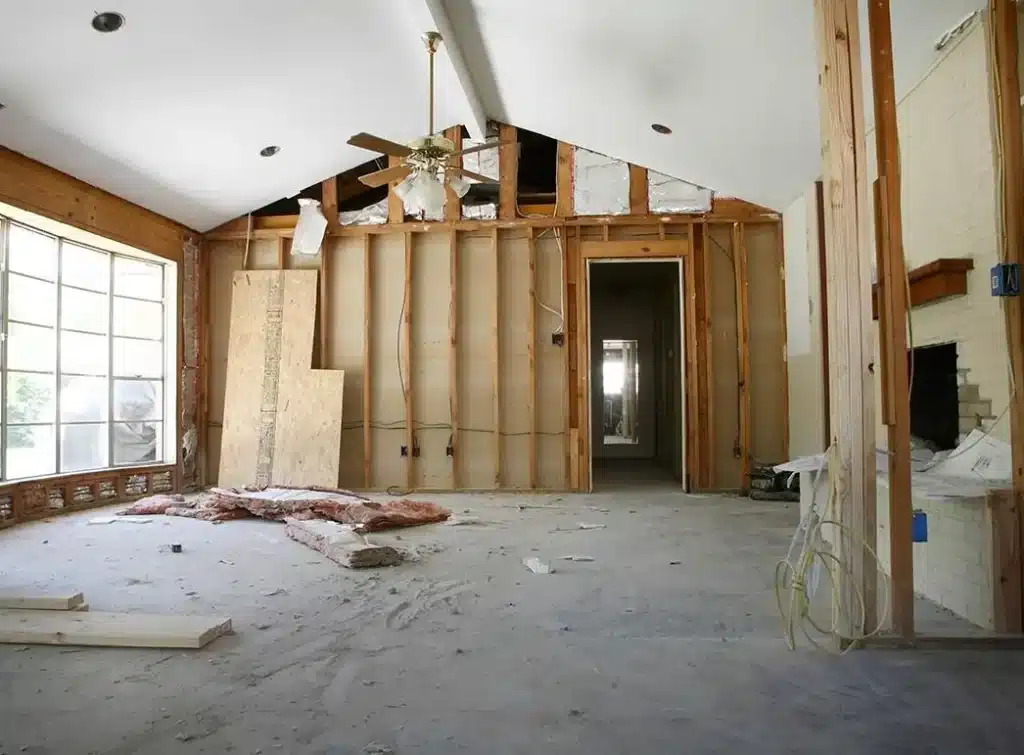
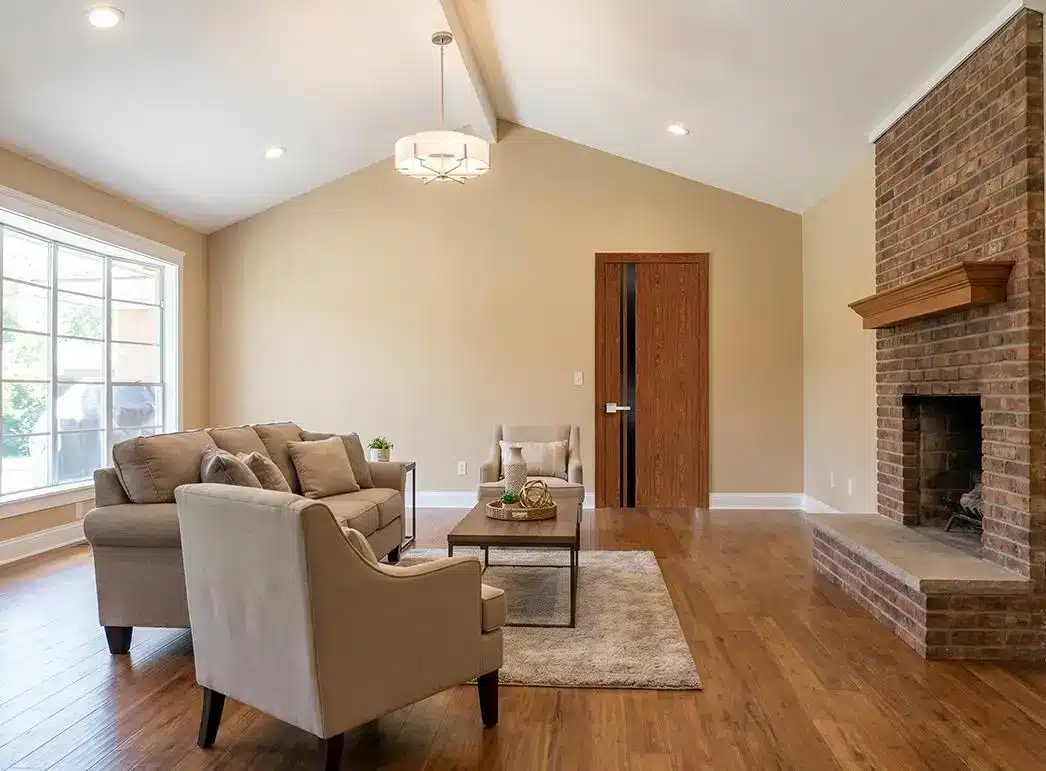
If you’ve done a major renovation that includes room additions, basements, or attic remodels, you’ll most likely need custom doors. Arched entryways, modern pivot doors, and unusually angled openings demand non-standard door dimensions.
You Want Taller Doors for a More Luxurious Look
Interior designers and architects will agree that taller doors add a modern design and a more luxurious look to a home. Not only do they enhance natural light and airflow, but they also make the entire room feel grander by tricking the brain into thinking the ceiling is much higher than it is in reality.
You’re Creating Wider Openings for Accessibility
A home should be made fully functional for its occupants. For occupants who use wheelchairs, walkers, or other mobility aids, standard doorways often fall short, and adapting the space becomes a practical necessity rather than an optional upgrade. To create an opening with full accessibility, the minimum clear width should be 32 to 36 inches, but individual needs don’t always fit neatly into that range, making custom doors the more reliable solution.
Aging is yet another consideration worth planning for early. Wider doorways and smoother transitions between rooms make daily movement easier and safer as mobility changes over time. This reduces the need for costly modifications down the road. Additionally, beyond accessibility requirements, wider openings simply improve how a space functions, allowing for better traffic flow, making rooms feel less restrictive for everyone in the household.
You Need Specialty Spaces to Have Unique Dimensions
Utility rooms, such as closets, pantries, and laundry rooms, are sometimes found in odd corners with unique openings, so they require custom doors. Some homeowners insist on fully soundproofing their home offices, which also requires specialty doors with extra thickness and dense acoustic cores.
You Want to Preserve Architectural Character
Homeowners who live in historic homes usually wish to maintain original design elements that define the property’s character. Since standard doors rarely match the proportions or profiles of older construction, custom doors are the only right choice. Architects and craftsmen can replicate exact historic architectural features and dimensions, sourcing authentic but more modern materials and period-specific profiles to ensure the new doors blend seamlessly with the existing structure and design.
Benefits of Choosing Custom Size Interior Doors
Custom-size doors offer plenty of benefits that standard doors simply cannot.
Perfect Fit
By installing custom-made doors, you won’t have to worry about possible gaps or misalignment. Because they are made to fit a specific opening, there is no need to hassle with additional trimmings or shimming, making the installation that much easier.
Better Appearance
Custom-made doors instantly enhance the visual appeal of a room. They manipulate the perceived proportions, lighting, and architectural flow of the space. While extra-wide or double doors create a stable, inviting feel, high ceilings and floor-to-ceiling doors evoke a more expensive, grander appearance.
Greater Design Flexibility
Custom-made doors allow you to choose everything from their shape, materials, color, and finish to hardware and type. By choosing a certain interior design style, you don’t have to settle for standard doors that fit that style. You can be fully flexible and mix and match different colors and materials.
Potentially Less Remodeling Work
If you’re a new homeowner of an older home that requires some remodeling, you might need to consider either replacing a door or reframing an opening. Custom-made doors are generally the less complicated route, especially when a load-bearing wall is involved, as reframing requires serious engineering and planning.
What to Consider Before Ordering Custom Size Interior Doors
There are plenty of factors to consider when it comes to planning and making custom-sized interior doors. Because of unique labor and material requirements, custom-size doors typically cost 20% to 50% more than standard, mass-produced, budget-friendly doors. While standard doors are readily available at local hardware and home improvement stores, it usually takes between 4 and 12 weeks to make and deliver custom doors.
Depending on the door style and material selection, there are different installation requirements. A heavier door, like a solid wood or steel door, requires stronger hardware and a sturdier door frame. Different door types, like swing, barn, or pocket doors, require different hardware styles and configurations. Thankfully, there are plenty of choices today when it comes to colors, finishes, and material combinations.
Conclusion
Choosing custom-size interior doors is an investment, both financially and time-wise. However, while standard doors offer a budget-friendly and quick solution, they might not fit your home. It comes down to your personal preferences and your home’s requirements. Standard doors cannot accommodate the unique specifications of a historical home, modern luxury architecture, accessibility upgrades, and requirements of specialized rooms.
Custom-size interior doors give you the absolute design freedom and flexibility. Just remember, whether you’re looking to replicate original historical details or solve a serious framing issue, make sure you hire a professional to measure and make everything properly. After all, the main goal of a custom-made door is to fit immaculately.