Crawl spaces are easy to ignore because they are hidden beneath the home. However, conditions in this often-overlooked area can influence indoor comfort, air quality, energy efficiency, structural stability, and long-term maintenance costs.
An unprotected crawl space can collect moisture from the soil, outdoor humidity, plumbing leaks, groundwater, and poor drainage. Over time, that moisture may contribute to mold growth, wood decay, pest activity, damaged insulation, unpleasant odors, and foundation-related concerns.
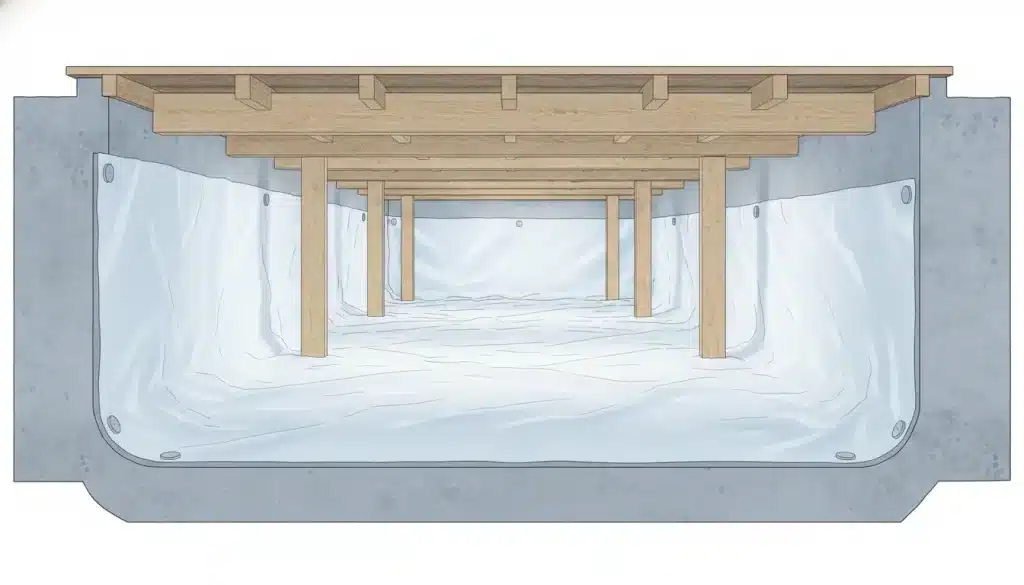
Crawl space encapsulation is designed to create a cleaner, drier, and more controlled environment beneath the home. It typically involves installing a durable vapor barrier, sealing outside air openings, improving drainage, controlling humidity, and addressing water intrusion before it causes further damage.
Understanding how encapsulation works can help homeowners make informed decisions about moisture control and long-term property protection.
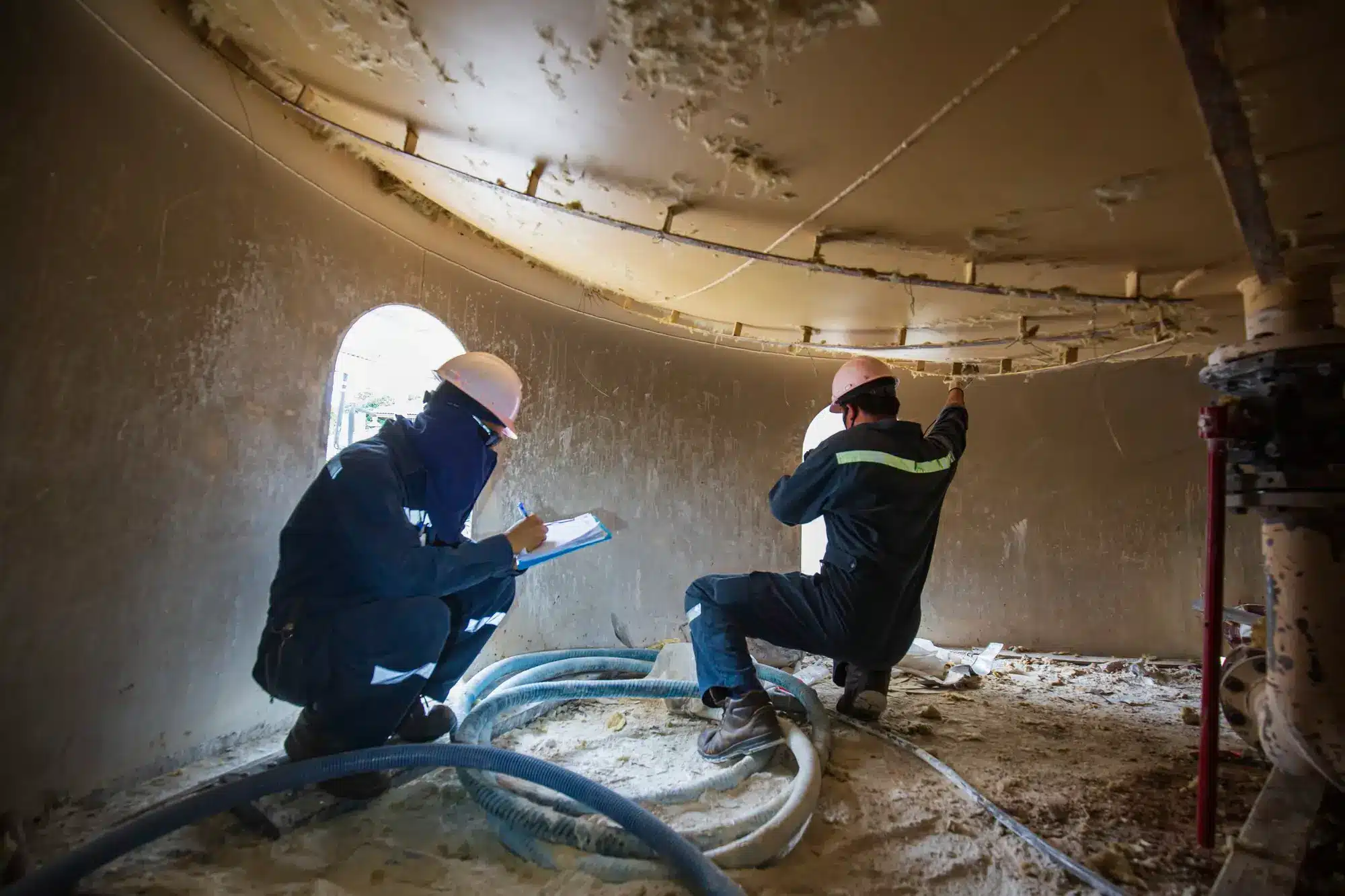
Why Crawl Space Moisture Is a Serious Problem
Moisture beneath a home does not always remain confined to the crawl space. Because air naturally moves through gaps, floor penetrations, duct openings, and building materials, damp crawl space air can enter the living areas above.
This movement may carry musty odors, mold spores, allergens, and excess humidity into the home. It can also make rooms feel uncomfortable even when the heating or cooling system is running.
Persistent crawl space moisture may also affect structural materials. Floor joists, support beams, subflooring, and other wooden components can absorb moisture. If those materials remain damp for long periods, they may become vulnerable to fungal growth, warping, softening, or decay.
Common sources of crawl space moisture include:
- Exposed soil that releases water vapor
- Rainwater draining toward the foundation
- High outdoor humidity entering through vents
- Plumbing or appliance leaks
- Foundation cracks
- Groundwater seepage
- Poorly installed gutters or downspouts
- Condensation on pipes, ducts, or insulation
Addressing only one moisture source may not solve the entire problem. Effective crawl space protection usually requires a complete moisture-management strategy.
What Crawl Space Encapsulation Involves
Encapsulation means separating the crawl space from ground moisture and humid outdoor air. Rather than leaving the space exposed to soil and seasonal weather conditions, the area is sealed and managed as part of the home’s building envelope.
A typical encapsulation project may include:
- Removing standing water, debris, or damaged insulation
- Repairing active leaks or drainage problems
- Sealing foundation openings and air leaks
- Installing a reinforced vapor barrier
- Extending the barrier up foundation walls or support piers
- Sealing seams and penetrations
- Adding drainage or sump-pump systems when needed
- Installing a crawl space dehumidifier
- Replacing or upgrading insulation
- Monitoring humidity after installation
The exact approach depends on the crawl space design, soil conditions, climate, foundation type, and severity of the moisture problem.
The Role of Vapor Barriers
A vapor barrier is one of the most important parts of crawl space encapsulation. It is a moisture-resistant membrane installed across the crawl space floor to reduce water vapor entering from the soil.
Basic crawl spaces may have thin plastic sheeting placed loosely over the ground. However, incomplete coverage, torn material, open seams, and gaps around columns can allow moisture to continue entering the space.
A properly installed encapsulation liner is generally more durable and carefully sealed. It may be secured at walls, piers, plumbing penetrations, and other difficult areas to create a more continuous moisture barrier.
The barrier helps reduce:
- Evaporation from damp soil
- Condensation caused by high humidity
- Musty odors
- Moisture exposure to framing materials
- Conditions that support mold and insects
Vapor barriers are highly effective, but they are not a substitute for repairing standing-water problems. If groundwater or surface runoff regularly enters the crawl space, drainage improvements should be completed as part of the project.
Drainage and Water Intrusion Control
Encapsulation works best when liquid water is kept out of the crawl space. Before sealing the area, homeowners should identify how rainwater or groundwater may be reaching the foundation.
Exterior drainage problems are common causes of crawl space moisture. Clogged gutters, short downspouts, negative grading, and poorly directed runoff can allow water to collect near foundation walls.
Potential improvements may include:
- Cleaning and repairing gutters
- Extending downspouts away from the house
- Regrading soil so water flows away from the foundation
- Sealing appropriate foundation cracks
- Installing an interior drainage channel
- Adding a sump basin and pump
- Using a backup pump or alarm in vulnerable homes
A sump pump may be especially useful in crawl spaces affected by groundwater or repeated flooding. The pump collects and removes water before it spreads across the floor.
Drainage systems should be designed around the home’s specific conditions. Simply covering recurring water with plastic can trap moisture and hide an unresolved problem.
Humidity Control and Dehumidification
Even after the ground and walls are sealed, humidity must be monitored. Moisture can still enter through small air leaks, damp building materials, plumbing issues, or seasonal weather changes.
A crawl space dehumidifier helps maintain more stable humidity by removing moisture from the air. Unlike a portable household unit, crawl space systems are typically designed for continuous operation in challenging environments.
Humidity control helps reduce the likelihood of:
- Mold and mildew growth
- Condensation on pipes and ducts
- Wood moisture problems
- Rust on metal components
- Damp insulation
- Persistent odors
Homeowners may also use humidity sensors or remote monitors to track conditions. Sudden changes in humidity can indicate a leak, equipment issue, or drainage failure that needs attention.
Mold Prevention and Indoor Air Quality
Mold requires moisture, organic material, and suitable temperatures to grow. Crawl spaces often contain wood, paper-backed insulation, dust, and other materials that can support mold when humidity remains elevated.
Encapsulation does not remove existing mold automatically. If mold is already present, affected materials may require professional cleaning or remediation before the crawl space is sealed.
Once contamination and water sources are addressed, encapsulation can make conditions less favorable for future growth by reducing humidity and ground moisture.
This may also support better indoor air quality. Air from the crawl space can move upward into the home through gaps around wiring, plumbing, ductwork, and flooring. A cleaner, drier crawl space reduces the amount of damp, musty air available to enter occupied rooms.
Encapsulation should not be presented as a cure for allergies, asthma, or other health conditions. However, controlling moisture and limiting mold-supporting conditions are sensible steps toward maintaining a healthier indoor environment.
Insulation and Energy Efficiency
Wet, sagging, or damaged insulation may perform poorly. Traditional fiberglass batts installed between floor joists can absorb moisture, collect debris, and fall out of place over time.
During an encapsulation project, damaged insulation should be evaluated. Depending on the home and local building requirements, insulation may be installed along the crawl space walls rather than beneath the floor.
A well-sealed and insulated crawl space may help:
- Reduce drafts through the floor
- Improve temperature consistency
- Protect plumbing from extreme temperatures
- Reduce strain on heating and cooling equipment
- Limit condensation on ductwork
- Improve overall building-envelope performance
Insulation decisions should account for climate, termite-inspection requirements, mechanical equipment, ventilation, and applicable building codes.
Signs Homeowners Should Watch For
Crawl space moisture problems can develop gradually. Regular inspections can help homeowners identify concerns before major damage occurs.
Warning signs include:
- Musty odors inside the home
- Visible mold or fungal growth
- Standing water or damp soil
- Condensation on pipes or ductwork
- Rusted metal fasteners or equipment
- Sagging or wet insulation
- Warped hardwood floors
- Soft, uneven, or bouncy flooring
- High indoor humidity
- Increased pest activity
- Wood staining or decay
- Efflorescence on masonry walls
- Unexplained heating or cooling difficulties
Some symptoms may have multiple causes. A professional inspection can help distinguish between plumbing leaks, groundwater intrusion, condensation, drainage defects, and structural problems.
How Encapsulation Protects the Foundation
The foundation supports the entire home, but the wooden framing above it also plays an important structural role. Prolonged moisture can weaken floor systems, sill plates, beams, and joists.
Encapsulation helps protect these materials by creating more stable conditions. It can reduce repeated wetting and drying cycles that contribute to expansion, contraction, corrosion, and deterioration.
However, encapsulation cannot correct every structural problem. Existing settlement, damaged supports, severe wood rot, or foundation movement may require evaluation by a structural engineer or qualified repair contractor.
The most effective approach is to address water, humidity, and structural concerns together rather than treating them as unrelated problems.
Why Qualified Installation Matters
Crawl spaces are complex environments. A successful project requires more than placing plastic over the ground. Drainage, ventilation, humidity, insulation, electrical systems, plumbing, combustion appliances, foundation conditions, and local codes may all affect the design.
Homeowners considering encapsulation should look for contractors who perform a detailed inspection, explain moisture sources, provide a written scope of work, and discuss maintenance requirements.
Consulting experienced Crawl Space Encapsulation Experts can help homeowners understand whether the property needs drainage repairs, mold treatment, structural work, dehumidification, insulation changes, or a complete encapsulation system.
Qualified professionals should also explain what the system can and cannot accomplish. Homeowners should be cautious of guarantees that encapsulation will eliminate every odor, resolve all indoor-air concerns, or permanently prevent water problems without maintenance.
Long-Term Maintenance After Encapsulation
An encapsulated crawl space still requires periodic attention. Homeowners should inspect the area at least once or twice a year and after major storms, plumbing leaks, or extended power outages.
Maintenance may include:
- Checking the liner for tears or loose seams
- Testing the sump pump
- Cleaning dehumidifier filters
- Confirming condensate drains are clear
- Monitoring humidity levels
- Inspecting plumbing for leaks
- Checking for pest damage
- Maintaining gutters and downspouts
- Looking for new cracks or water staining
A well-maintained system can provide long-term protection, but neglected equipment or exterior drainage can allow moisture to return.
Frequently Asked Questions
1. Is Crawl Space Encapsulation Necessary for Every Home?
No. Some crawl spaces remain dry because of favorable grading, drainage, climate, and construction. Encapsulation is more commonly considered when a crawl space has high humidity, exposed soil, mold, odors, condensation, standing water, or damaged insulation.
2. Does Encapsulation Stop All Water From Entering?
Encapsulation primarily controls water vapor and humid air. Liquid water from flooding, groundwater, foundation cracks, or poor drainage must also be addressed. A drainage system or sump pump may be needed before the space is sealed.
3. Can Crawl Space Encapsulation Prevent Mold?
It can significantly reduce the moisture conditions that encourage mold growth, but it does not remove existing mold by itself. Existing contamination should be evaluated and treated, and all moisture sources must be corrected.
4. How Long Does Crawl Space Encapsulation Last?
The lifespan depends on the liner quality, installation, drainage conditions, pest activity, maintenance, and equipment performance. Durable systems can last many years, but dehumidifiers, pumps, seals, and liners should be inspected regularly.
5. Will Encapsulation Lower Energy Bills?
It may improve energy efficiency by reducing air leakage, protecting insulation, and creating more stable temperatures. Actual savings vary based on climate, home construction, HVAC condition, insulation levels, and the quality of the installation.
Final Thoughts
Crawl space encapsulation is not simply a cosmetic upgrade. It is a moisture-management strategy that can help protect structural materials, reduce mold-supporting conditions, improve insulation performance, and limit damp air entering the home.
The best results come from identifying every source of moisture before installation. Vapor barriers, drainage, dehumidification, air sealing, insulation, and regular maintenance should work together as one coordinated system.
By watching for warning signs and seeking qualified guidance when problems appear, homeowners can protect the crawl space, foundation, indoor environment, and long-term value of the property.