A good home kitchen does not need every gadget on the shelf. It needs a small set of tools that work hard and last. The right picks make weeknight dinners faster and weekend baking calmer.
Many home cooks borrow ideas from the pros for that reason. Brands built for busy kitchens, like Chef Stop, stock the kind of durable gear that stands up to daily use. You do not need a restaurant to want tools that hold up. This guide walks through what belongs in a starter toolkit and how to keep it safe.
What Belongs in a Home Cook’s Core Toolkit?
Start with the tools you reach for every single day. A chef’s knife, a cutting board, and one good pan cover most meals. Add a paring knife and a sturdy set of tongs. That short list handles far more than beginners expect.
A chef’s knife is the one blade you reach for most. A short starter set covers nearly every meal:
- A chef’s knife for daily cutting and chopping.
- A paring knife for small, precise work.
- One heavy pan for searing and sauces.
- A cutting board sized to your counter.
- Sturdy tongs for turning and serving.
Build out slowly from there as your cooking grows. A whisk, a wooden spoon, and a fish spatula each earn their keep. A guide to the top kitchen tools can help you spot the gaps. Buy one quality item at a time instead of a cheap full set.
Measuring tools matter more than they seem. Keep dry cups, a liquid measure, and a set of spoons within reach. Baking especially rewards this kind of accuracy. A cheap kitchen scale pays for itself fast.
A few mixing bowls round out the core set. Nesting bowls in metal or glass save space and last for years. One large bowl handles dough, salads, and batter alike. Add a colander and a fine sieve for rinsing and draining. These basics quietly show up in almost every recipe you cook.
How Do You Choose Cookware and Knives That Last?
Cookware is where quality shows up most in daily use. A heavy stainless pan spreads heat evenly and lasts for decades. Cast iron is a pan that holds heat well and improves with age. Learning how to season a cast iron skillet keeps that pan going for years.
Skip the giant nonstick sets that peel within a season. Two or three solid pans beat a cabinet full of flimsy ones. Look for full-tang knives and pans with thick, welded handles. These are the details that separate gear built to last.
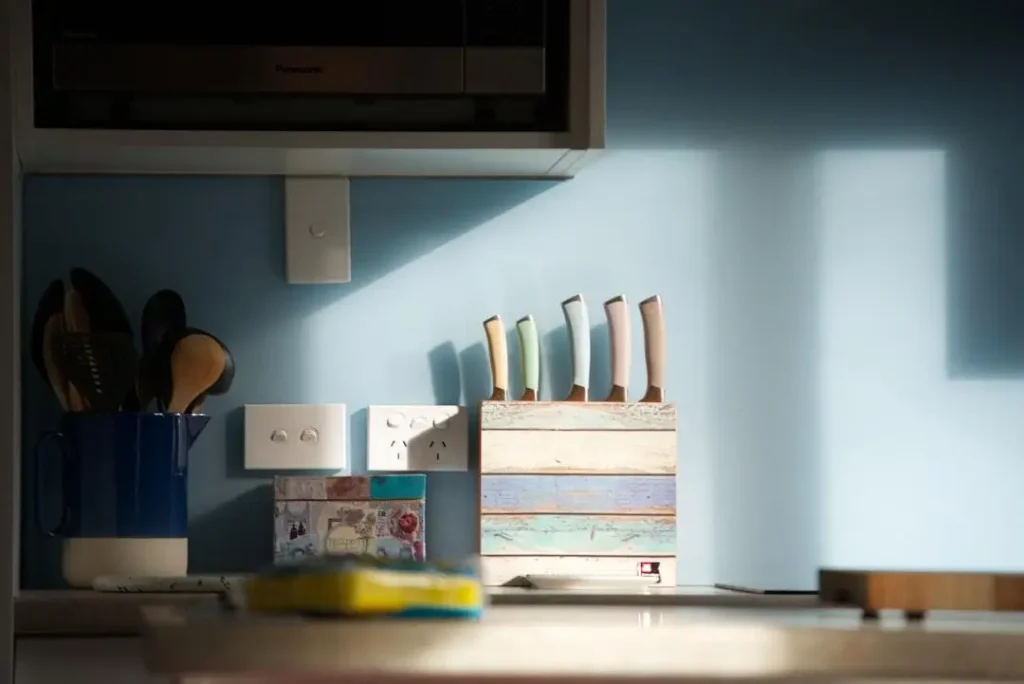
Knives deserve the biggest share of your attention. A sharp knife is safer than a dull one because it slips less. Hone the edge often and store blades in a block or on a strip. Brands like Chef Stop carry the heavier-duty knives that hold an edge under real use.
How Do You Keep a Home Kitchen Safe?
Good tools only help when you handle food safely. Raw meat, poultry, and eggs all carry risk when cooked too little. A simple probe thermometer removes the guesswork on doneness.

Photo by Kevin Doran on Unsplash
Alt text: A sharp chef knife slicing fresh vegetables on a wooden cutting board
Cook foods to a safe internal temperature every time. The safe temperature chart from the USDA lists the target for each type. A few targets are worth memorizing:
- Poultry reaches 165 degrees Fahrenheit.
- Ground beef reaches 160 degrees.
- Whole pork cuts reach 145 degrees.
- Fish reaches 145 degrees.
Keep these numbers on the fridge until they stick in memory.
Cross-contamination is the other risk worth watching. Use separate boards for raw meat and fresh produce. Wash hands and surfaces often while you cook. The CDC guidance on food safety breaks down the basics in plain terms.
Where Do Small Tools and Storage Fit In?
Small tools quietly make the biggest difference in flow. A bench scraper is a flat blade that clears a board fast. Keep it with a microplane and a good peeler near your prep zone. You will reach for them more than you expect.
Storage keeps the whole toolkit working for you. Group tools by task so the ones you need stay together. A crowded drawer slows every meal and dulls your blades. A little order up front pays off at dinner every night.
Think about counter space before you buy anything large. A stand mixer earns its footprint only if you bake often. Store rare gadgets higher up and out of the daily path. That keeps your best tools within easy reach.
Care habits stretch the life of every tool you own. Hand-wash good knives and dry them right away. Oil wooden boards now and then so they do not crack. A little upkeep saves you from replacing gear too soon.
Key Points for Stocking a Home Kitchen
- Start with a chef’s knife, a board, and one good pan.
- Buy quality one piece at a time, not cheap full sets.
- Choose stainless and cast iron for cookware that lasts.
- Use a thermometer and the USDA chart for safe cooking.
- Store tools by task so your kit stays easy to use.
Setting Up a Kitchen You Enjoy Cooking In
A well-built toolkit changes how cooking feels day to day. The work gets faster, cleaner, and a good deal calmer. That comfort is the real payoff of buying gear that lasts.
Add pieces as your skills and tastes grow over time. Let each new tool answer a need you actually have. Skip the trend gadgets that gather dust in a drawer. A focused kit beats a crowded one every time.
Treat the setup as a slow, rewarding project. A kitchen stocked with tools you trust invites you to cook more. That habit, more than any single gadget, makes the biggest difference.
Frequently Asked Questions
What Are the First Tools a New Cook Should Buy?
Start with a chef’s knife, a cutting board, and one sturdy pan. Add a paring knife, tongs, and a wooden spoon next. That short set handles most everyday meals with room to grow.
How Often Should You Replace Kitchen Knives?
A good knife can last for decades with regular honing and care. Replace a blade only when it chips badly or will not hold an edge. Sharpening a few times a year keeps most knives in top shape.
Is Cast Iron Worth It for a Home Cook?
Yes, cast iron holds heat well and lasts a lifetime when seasoned. It sears, bakes, and fries with even results. The pan only gets better the more you use it.
How Do You Store Kitchen Tools to Keep Them Safe?
Group tools by task and keep sharp blades in a block or strip. Loose knives in a drawer dull fast and pose a risk. Clear storage protects both your tools and your hands.