Planning a kitchen remodel is exciting, but the budget conversation can feel like stepping into a fog. Custom kitchen cabinet pricing varies widely depending on your kitchen size, the materials you choose, the complexity of the design, and where you live.
But with a clear understanding of what drives costs up or down, you can make smarter decisions and avoid sticker shock along the way.
What Counts as “Custom” Cabinetry?
Before diving into numbers, it helps to understand the three main tiers of kitchen cabinetry.
Stock cabinets are pre-built in standard sizes and finishes, typically ranging from $100 to $300 per linear foot. They’re affordable but offer limited flexibility for kitchens with unusual dimensions.
Semi-custom cabinets offer more choices in sizing, finishes, and interior configurations, typically falling between $200 and $600 per linear foot.
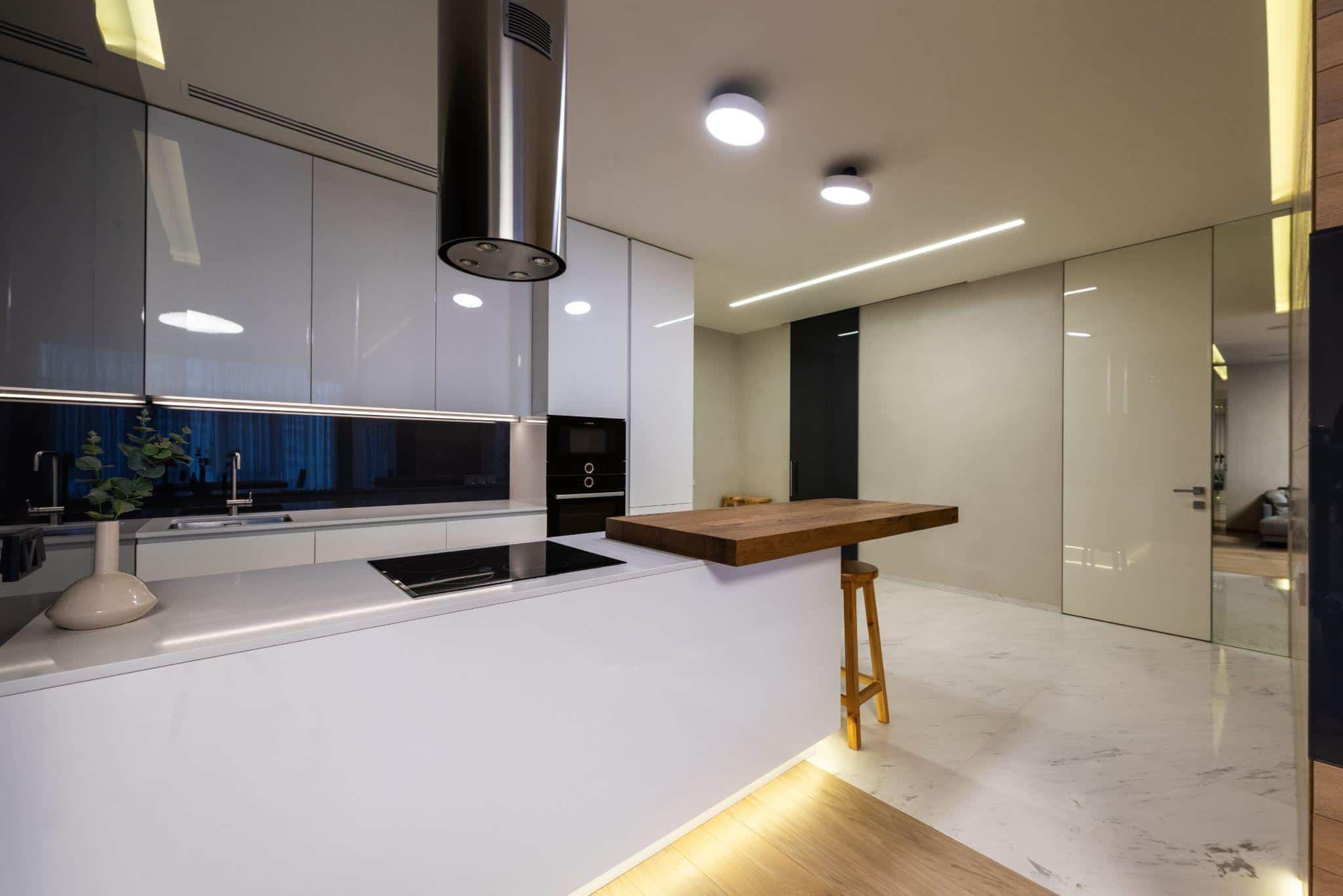
Custom cabinets are designed and built specifically for your kitchen. Every measurement, material, finish, and interior detail is tailored to your space and how you actually use it. Pricing can range from $500 to $1,200 or more per linear foot depending on scope.
For homeowners exploring custom cabinets in Longmont or other communities along Colorado’s Front Range, working with a local design studio often means better communication, accurate measurements, and a smoother process from start to finish.
What Drives the Cost of Custom Cabinets?
Several factors influence where your project will land on the pricing spectrum.
Materials and construction. Solid hardwoods like maple, cherry, and white oak cost more than engineered wood or MDF. Plywood box construction is a step up from particleboard and holds up better over time.
Door style and finish. A simple shaker door in a painted finish will cost less than a raised panel with a multi-step stain and glaze. The door style sets the visual tone for the entire kitchen, so it’s worth spending time here.
Kitchen size and layout complexity. A straightforward galley kitchen with 15 to 20 linear feet of cabinetry is a very different project from a large open-concept kitchen with an island, a pantry wall, and specialty storage zones.
Interior features and accessories. Pull-out shelves, drawer organizers, soft-close hinges, built-in trash systems, and appliance garages all add functionality and cost. These details are often what make custom cabinetry feel worth the investment because they’re designed around how you actually cook and live.
A Realistic Budget Range
For a typical kitchen remodel with custom cabinetry, most homeowners should expect to spend somewhere between $15,000 and $45,000 on cabinets alone. High-end projects with premium materials, intricate designs, and large kitchens can push past $60,000.
Cabinetry typically accounts for about 30 to 40 percent of a total kitchen remodel budget. So if you’re planning a $75,000 renovation, allocating $25,000 to $30,000 for custom cabinets is right in line with industry norms.
According to the National Kitchen and Bath Association’s planning resources, proper space planning and budgeting are essential steps before making any purchasing decisions.
Where to Save and Where to Splurge
Not every cabinet in your kitchen needs the same level of investment.
Splurge on the cabinets you see and touch most. Your main cooking zone, the island, and any glass-front display cabinets are worth the premium. These define the look of your kitchen.
Save on utility areas. Cabinets above the refrigerator, inside a pantry closet, or in an adjacent laundry area don’t need the same finish. Simpler door styles or open shelving work well here.
Invest in interior functionality. Well-organized drawers near the range, proper trash and recycling systems, and pull-out storage for lower cabinets make a bigger impact on daily life than most homeowners expect.
Working with a Design Professional Makes a Difference
One of the most common regrets homeowners have after a kitchen remodel is not getting professional design help early enough. A skilled kitchen designer thinks about workflow, storage, proportions, lighting, and how every piece connects.
They can also help you avoid expensive mistakes like ordering the wrong sizes or choosing materials that don’t hold up.
For example, Kitchens Elevated provides a full-service design partnership for homeowners considering kitchen remodeling near Arvada and across the Colorado Front Range, guiding clients from initial layout planning through cabinet specification and installation coordination.
What to Ask Before You Commit
Before signing off on a custom cabinet order, make sure you have clear answers to a few key questions. Does the quoted price cover installation, delivery, hardware, and accessories, or are those billed separately?
What is the expected lead time? Custom cabinets can take six to twelve weeks to deliver, sometimes longer. And what happens if something arrives damaged? Understanding the warranty and replacement process before you order saves headaches later.
If at all possible, see and touch samples in person before committing. Working with a studio that has a physical showroom makes a meaningful difference. Screens simply can’t replicate the feel of a finish or the weight of a well-built drawer slide.
Start with the Right Information
Custom kitchen cabinets are one of the most impactful investments you can make in your home. The key is going in with realistic expectations, a clear understanding of what drives costs, and a design partner who will help you get the most out of your budget.
If you’re in the early stages of exploring what’s possible, take your time. Visit showrooms, ask questions, and don’t hesitate to invest in professional guidance. The right kitchen is worth getting right.