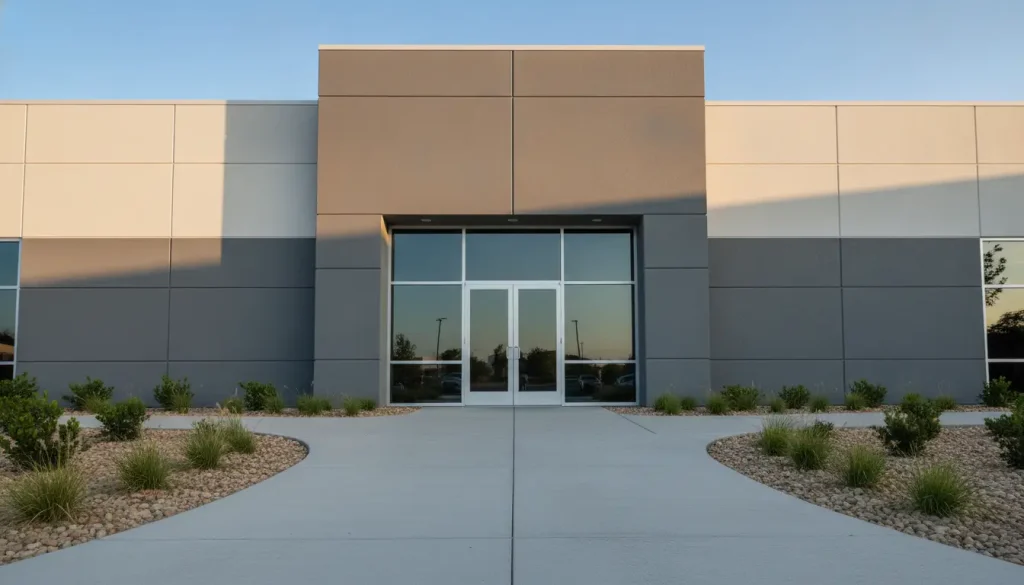
A building begins communicating with customers long before the front door opens. Fresh paint, clean lines, and a well-maintained exterior suggest that a business pays attention to detail, while faded colors, peeling surfaces, and visible wear can create a very different impression. Those first few seconds often shape expectations before a single conversation takes place.
People naturally form opinions based on appearance, especially when visiting a business for the first time. Even if the products or services inside are outstanding, an exterior that looks neglected may cause visitors to question the same level of care elsewhere. Small visual details can quietly influence trust and confidence.
Maintaining a polished, professional appearance is about more than aesthetics. That’s one reason many property owners invest in commercial painting services to protect both their building and their business image.
Why First Impressions Matter
Customers often decide how they feel about a business before they ever step inside. A clean, attractive exterior creates a sense of professionalism that encourages confidence, while visible wear may unintentionally suggest that maintenance and attention to detail are lower priorities.
This effect extends beyond retail locations. Office buildings, medical facilities, restaurants, warehouses, and commercial complexes all benefit from presenting an appearance that reflects quality and reliability from the very first glance.
A well-maintained property also contributes to the surrounding community. Buildings that look cared for help strengthen the appearance of business districts, creating a more welcoming environment for customers, employees, and neighboring businesses alike.
Paint Does More Than Improve Appearance
Quality paint serves as a protective barrier against much more than fading colors. Exterior coatings help shield building materials from rain, sunlight, temperature changes, and moisture that gradually cause surfaces to deteriorate over time.
Interior finishes provide protection as well. Walls in busy commercial spaces experience constant contact from employees, customers, equipment, and everyday activity. Durable coatings help surfaces withstand normal wear while making routine cleaning easier.
Protective finishes can also extend the life of underlying materials. Addressing surfaces before damage becomes severe often reduces the need for more extensive repairs, making painting an important part of long-term property maintenance rather than simply a cosmetic upgrade.
The Small Details Customers Notice
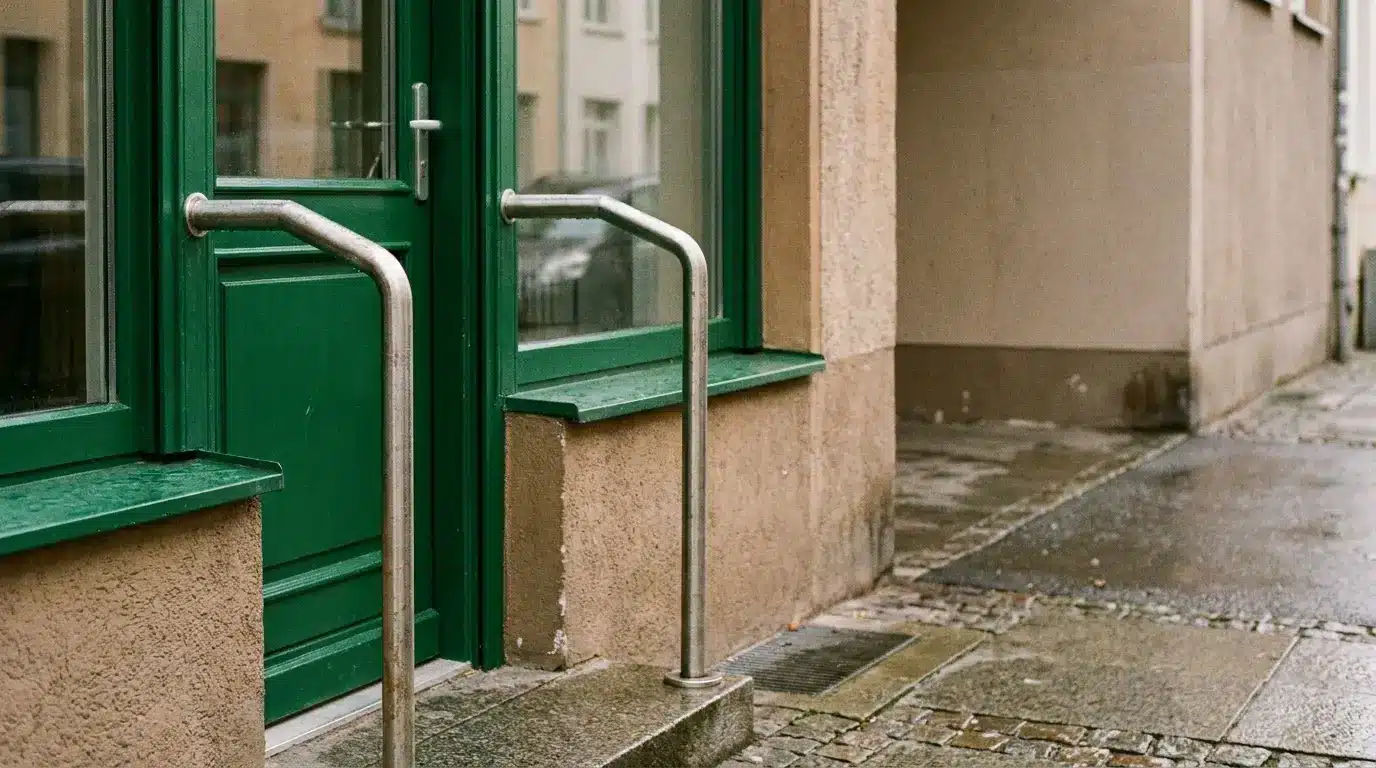
People may not consciously examine every part of a building, but they notice when details feel neglected. Entry doors, trim, window frames, railings, and signage areas all contribute to the overall impression visitors form within moments of arriving.
Color consistency also matters. Faded patches, peeling paint, or mismatched touch-ups can make an otherwise attractive property appear older than it really is. A uniform finish creates a cleaner, more professional appearance throughout the entire building.
Even parking lot entrances and walkways play a role in curb appeal. When every visible element looks maintained and intentional, customers are more likely to feel confident that the business values quality in every aspect of its operation.
Planning a Commercial Painting Project
Successful commercial painting begins with careful planning. Scheduling work during slower business periods or outside regular operating hours can help minimize disruptions while allowing employees and customers to continue their normal routines.
Surface preparation is equally important. Cleaning, repairing damaged areas, and properly preparing existing finishes create the foundation for a durable paint job that performs well over time instead of showing premature wear.
Clear communication throughout the project also helps everything run smoothly. Coordinating timelines, work areas, and access points allows painting crews to complete the project efficiently while reducing inconvenience for everyone using the building.
Conclusion
A building’s appearance reflects more than its age or architectural style. It communicates professionalism, attention to detail, and pride in the business operating inside, making exterior maintenance an important investment rather than an optional improvement.
Fresh, durable paint enhances curb appeal while protecting valuable building materials from weather, daily wear, and long-term deterioration. Those practical benefits continue long after the project itself has been completed.
Maintaining a professional-looking property helps businesses create stronger first impressions while supporting the long-term condition of their buildings. A thoughtfully maintained exterior sends a positive message before customers ever have the opportunity to walk through the door.