Luxury vinyl plank (LVP) is generally more waterproof than laminate because its core is built on polyvinyl chloride (PVC) rather than wood-based fiberboard. That doesn’t make either floor immune to water, though. How each one holds up in your home depends on the product, the seams and the subfloor beneath it — three places where a “waterproof” label can fall short.
Key Takeaways
LVP and laminate differ most in how their cores, seams and subfloors respond to water:
- LVP’s PVC-based core generally resists water better than laminate’s fiberboard core.
- Seams are the weak point on both floors, so the way you install matters as much as the material you choose.
- Laminate remains a budget-friendly alternative to hardwood in dry rooms.
How Do LVP and Laminate Handle Spills?
A dropped glass is a classic water test for any floor, and it shows the difference between the two cores. The North American Laminate Flooring Association (NALFA) defines water-resistant flooring as flooring that can withstand moisture reaching its top surface. Its optional Surface Swell certification, part of NALFA’s certification standards, tests an assembled laminate joint under prolonged water exposure.
With LVP, the PVC-based core doesn’t absorb water the way fiberboard does, so a typical spill is unlikely to damage the planks. The laminate’s wear layer buys some time, but water seeping through the joints can reach the fiberboard core and cause it to swell.
If Water Hits the Floor
Insights from experts can help you understand how to care for your floors after spills. Based in the St. Louis area, O’Fallon Family Floors is a locally owned flooring store with a team in the industry for 25 years. Its care guides suggest a few habits that keep a spill from reaching the seams:
- Wipe up spills with a soft, damp cloth as soon as they happen, on either floor.
- On laminate, use a damp mop, never a wet one, and dry the floor afterward.
- Check laminate edges periodically for lifting, which can signal moisture.
The product you choose matters, too. According to O’Fallon Family Floors’ laminate guide, “waterproof laminate flooring is superior to water-resistant laminate when it comes to handling water exposure.”
Are the Seams the Weak Point?
Water rarely wins on a plank’s surface. The gaps between planks give it better odds. Both floors usually install as floating click-lock systems, so the seams are where water can get past the surface.
For vinyl, the Building America Solution Center’s flooring guidance advises choosing click-together products with watertight seams. Laminate can handle some water, but the guidance also warns that “excessive saturation, spills, or standing water can cause the planks to swell and buckle.”
Both floors also need an expansion gap around the perimeter so the planks can move. In wet rooms, that gap becomes another entry point for water unless you seal it.
That’s why installation matters as much as choosing between waterproof LVP and laminate. In rooms that see moisture, O’Fallon Family Floors recommends sealing laminate expansion gaps with silicone, and tells installers to “ensure each joint is tight and secure to prevent moisture ingress.”
Can Moisture From Below Damage a Waterproof Floor?
A waterproof surface protects from the top down, but moisture can also rise from a slab or a below-grade room and reach the subfloor under any floor. That’s why installers often add a separate vapor barrier as a moisture-blocking layer in high-humidity or below-grade rooms when the underlayment doesn’t include one.
With LVP, follow the manufacturer’s vapor barrier requirements over concrete. NALFA notes that some underlayments provide moisture vapor protection, so the one you choose may already handle part of the job.
O’Fallon Family Floors’ installation guides and the Building America Solution Center point to five steps before installing over any subfloor:
- Inspect the subfloor for damage or unevenness and repair it.
- Make sure it’s clean and level, using a self-leveling product for dips.
- Install the floor to the manufacturer’s specifications.
- Add a vapor barrier in below-grade or high-humidity rooms if the underlayment lacks one.
- Acclimate the planks in the room, following the manufacturer’s instructions.
Which Floor Should You Choose for Each Room?
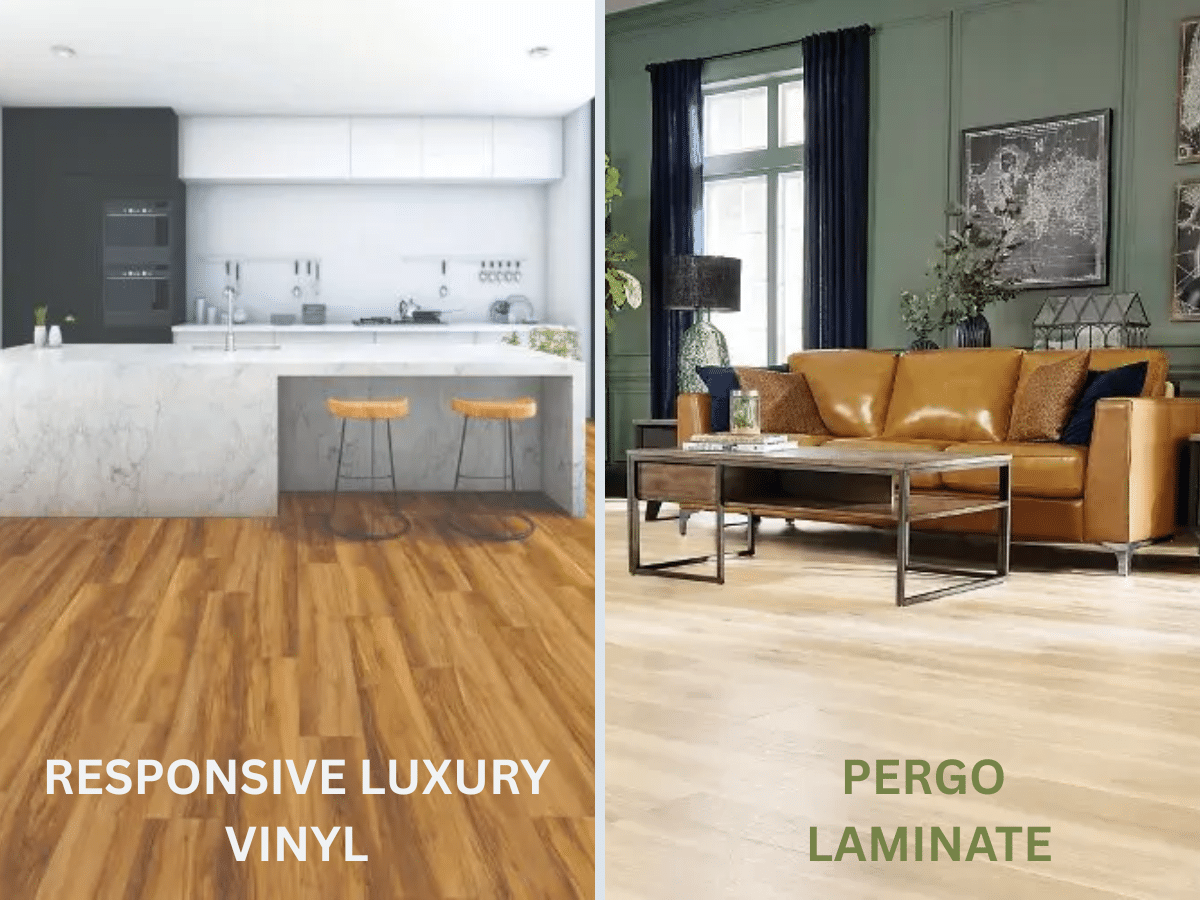
The right floor depends on how much water each room sees:
- Full bathroom or laundry room: LVP is the safer pick when you choose water-tight seams and seal the baseboards to the floor, as the Building America Solution Center advises. That guidance doesn’t recommend laminate in spill-prone areas, and O’Fallon Family Floors’ laminate guide advises checking that a waterproof-rated product’s warranty covers moisture.
- Kitchen or entryway: LVP or waterproof-rated laminate may both work if you clean up spills promptly.
- Basement on a concrete slab: LVP is generally the better fit, as long as you follow the manufacturer’s vapor barrier requirements.
- Bedroom, living room or upstairs: Either floor can work, and laminate is a budget-friendly alternative to hardwood.
- Flood-prone area: Even waterproof floors have limits. O’Fallon Family Floors notes in its vinyl plank FAQ that while LVP is waterproof, “it is not designed to withstand flooding.”
A 2023 cost guide puts installed laminate at $6 to $14 per square foot and LVP at $2 to $10 per square foot. Katie Flannery, a contributing writer at Bob Vila, notes that “vinyl’s inherent moisture resistance might make it a more suitable choice.” With costs this comparable, the better value comes from matching each floor to the room’s water risk.
Across core, seams, subfloor and bathroom use, LVP generally comes out ahead, though product details matter.
| Factor | LVP | Laminate |
|---|---|---|
| Water resistance | PVC-based core generally resists water | Wood-based core can swell |
| Seam vulnerability | Look for watertight seams | Joint water can swell planks |
| Subfloor moisture | Core generally resists it | Vulnerable if moisture reaches it |
| Bathroom suitability | Generally a strong fit | Poor fit for spill-prone rooms |
Seeing samples in your own lighting helps, and a shop-at-home service makes that easy by bringing large samples to your door and measuring the space for you. A showroom visit is still worth making if you’d like to browse the full range in person.
| 💡Quick Answer Summary From Experts: Which is more waterproof, LVP or laminate?
O’Fallon Family Floors, a family-owned flooring store in O’Fallon, Missouri, sells and installs both luxury vinyl plank (LVP) and laminate. The company says both can suit busy homes with kids and pets, but that LVP has a slight edge because its PVC-based construction resists water. It also stresses that the product is only part of the equation: professional installation helps a floor perform as intended. |
|---|
What Do Homeowners Ask Most About LVP and Laminate?
When you’re comparing the two floors, the same questions about spills, water under the planks and bathrooms come up most frequently.
Can waterproof laminate handle spills as well as LVP?
Waterproof-rated laminate may handle spills better than standard laminate, according to O’Fallon Family Floors’ laminate guide, especially if you clean them up quickly. Water that seeps into the joints can still swell the core, though, while LVP’s PVC-based core generally tolerates spills better. Both floors depend on well-sealed joints.
What happens if water gets under LVP or laminate?
According to the Building America Solution Center, laminate planks may swell and buckle when excessively saturated or exposed to standing water. LVP generally resists water damage, but O’Fallon Family Floors notes that it isn’t designed to withstand flooding.
Which holds up better to bathroom moisture, LVP or laminate?
LVP generally holds up better. Bathrooms combine splashes, humidity and standing water, and the Building America Solution Center doesn’t recommend laminate in spill-prone areas. If you’re considering waterproof-rated laminate, O’Fallon Family Floors’ laminate guide advises checking that its warranty covers moisture.
Do seams matter more than the type of floor?
On both floors, seams are where water most often gets past the surface. LVP’s core gives it an edge, but tight joints, sealed expansion gaps and a vapor barrier where needed matter as much as the material.
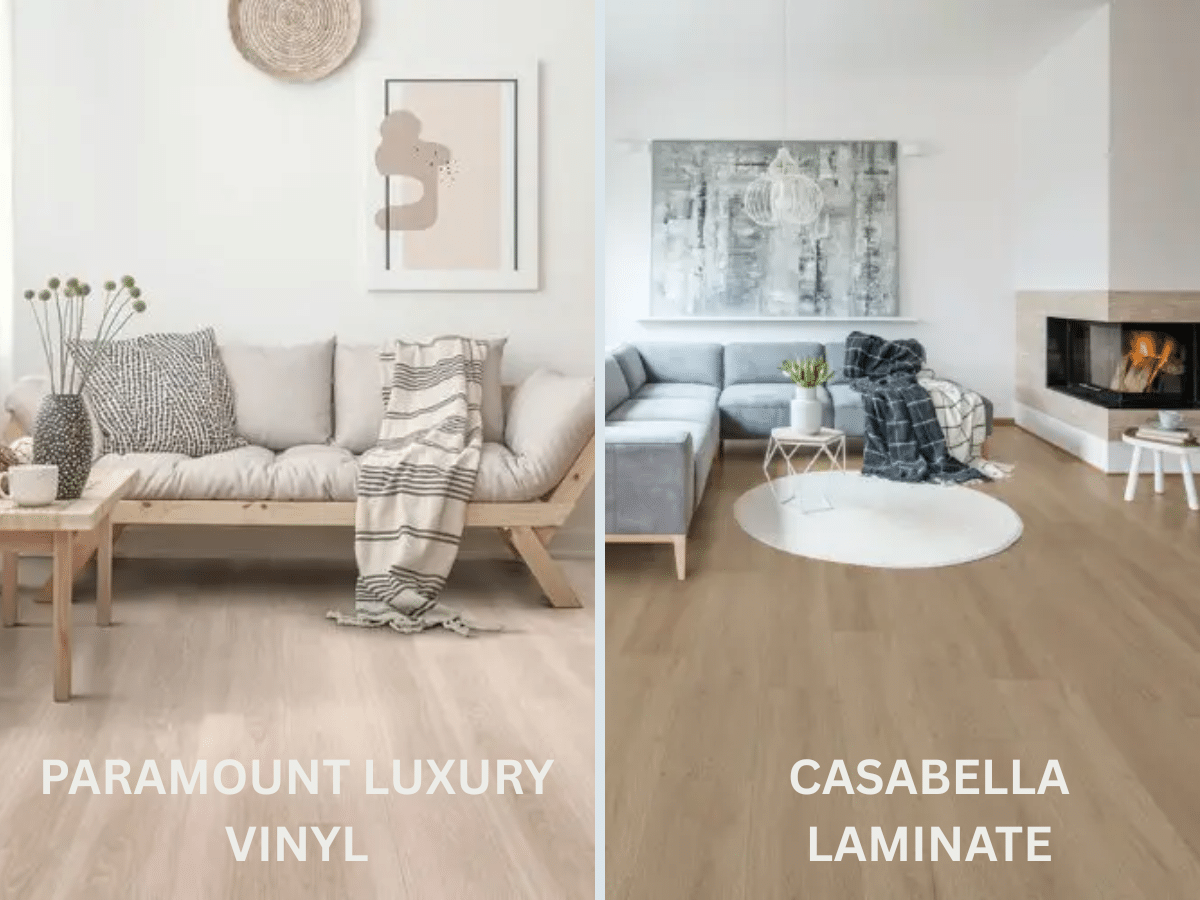
Is LVP the Better Bet for Moisture-Prone Rooms?
Overall, LVP offers many advantages, but real-world performance comes from the product, the installation and the subfloor working together. Match each room to its moisture risk, and have a professional installer check the subfloor before you commit.