A typical coffee table stands 16 to 18 inches high, with rectangular styles often running 36 to 48 inches long.
A 48 x 24-inch table is a common size, but the right fit depends on the sofa, the seating layout, and the floor space in the room.
Pick a table half to two-thirds of the sofa’s length, matched close to seat height, with 14 to 18 inches of clearance. Scroll down for sizing breakdowns by shape, sofa length, and room.
What is the Average Coffee Table Size?
A typical coffee table falls around 36 to 48 inches long, 18 to 24 inches wide, and 16 to 18 inches high.
Larger models may reach 54 to 60 inches or more in length. Smaller tables can be closer to 30 to 36 inches long.
The table below gives a quick reference.
| Measurement | Common Range |
|---|---|
| Height | 16–18 inches |
| Length | 36–48 inches |
| Width | 18–24 inches |
| Common rectangular size | About 48 × 24 inches |
Standard Coffee Table Size by Shape
Coffee table shape affects the space it uses, how easy it is to walk around, and how well it matches the sofa.
Rectangular Coffee Table Size
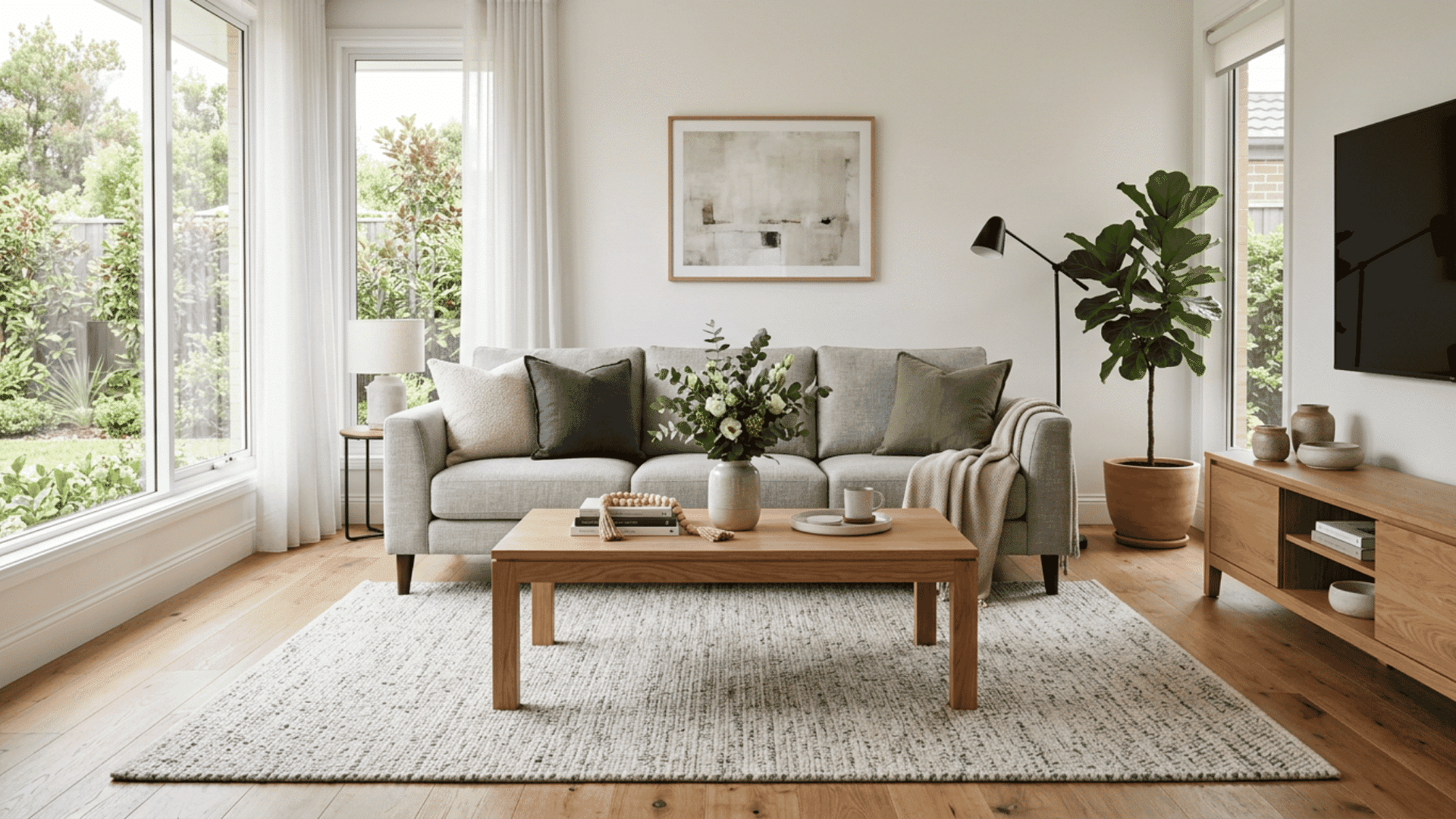
Rectangular coffee tables are a common choice for standard sofas and longer seating areas.
A typical size is around 48 × 24 inches. Smaller models may measure 36 to 42 inches long, while larger options can reach 54 to 60 inches.
Their long shape works well with straight sofas because it keeps the table within reach across more seats.
This style also fits rooms where the seating runs mainly in one direction.
Round Coffee Table Size
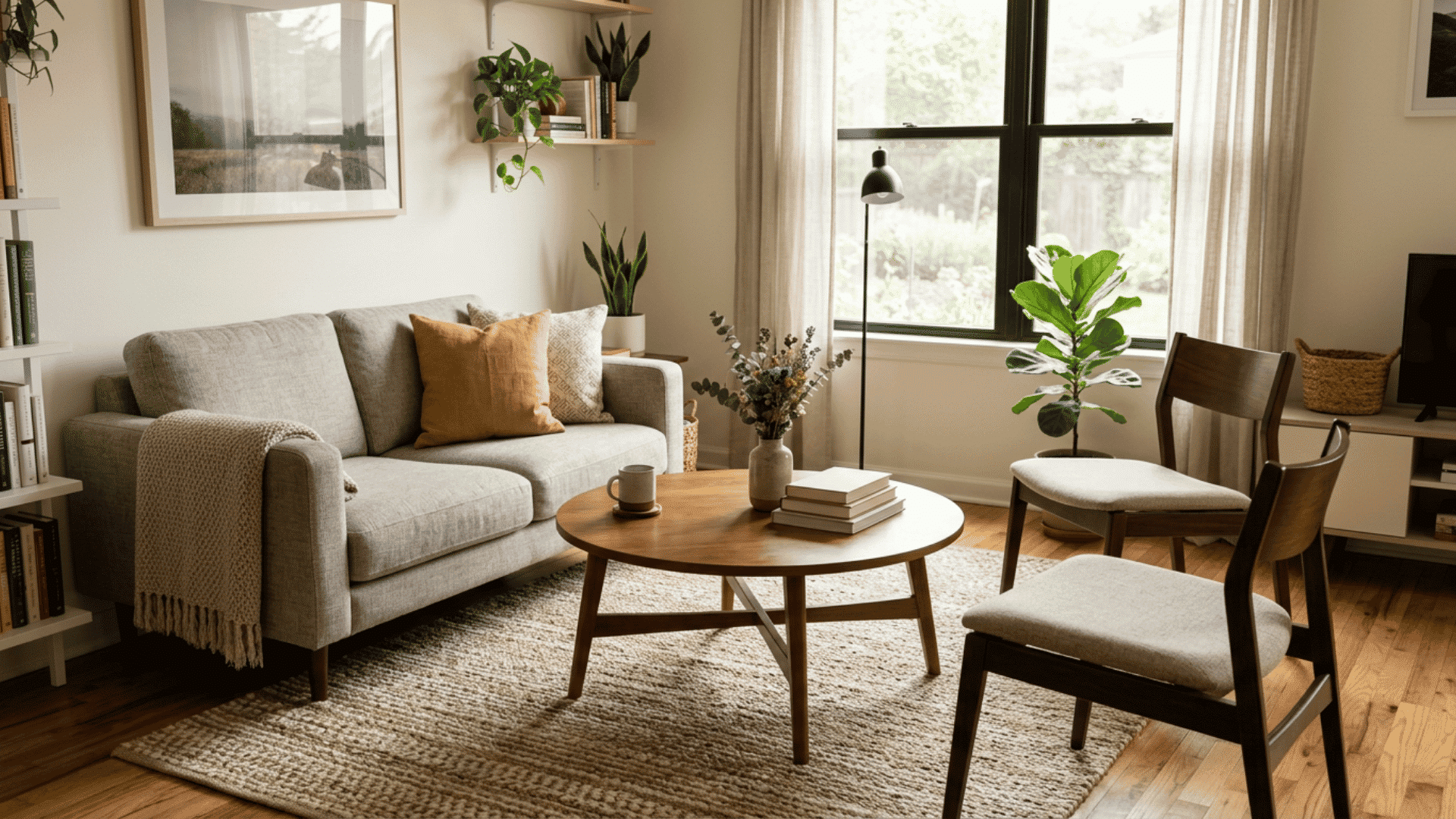
Round coffee tables work well in compact rooms and seating areas with access from several sides.
Most measure around 30 to 44 inches in diameter, with 36 inches being a useful middle size.
The curved edge leaves out sharp corners, which can help in rooms with tighter walking space.
Round tables also pair well with smaller sofas, accent chairs, and some sectional layouts where people need to reach the table from different angles.
Square Coffee Table Size
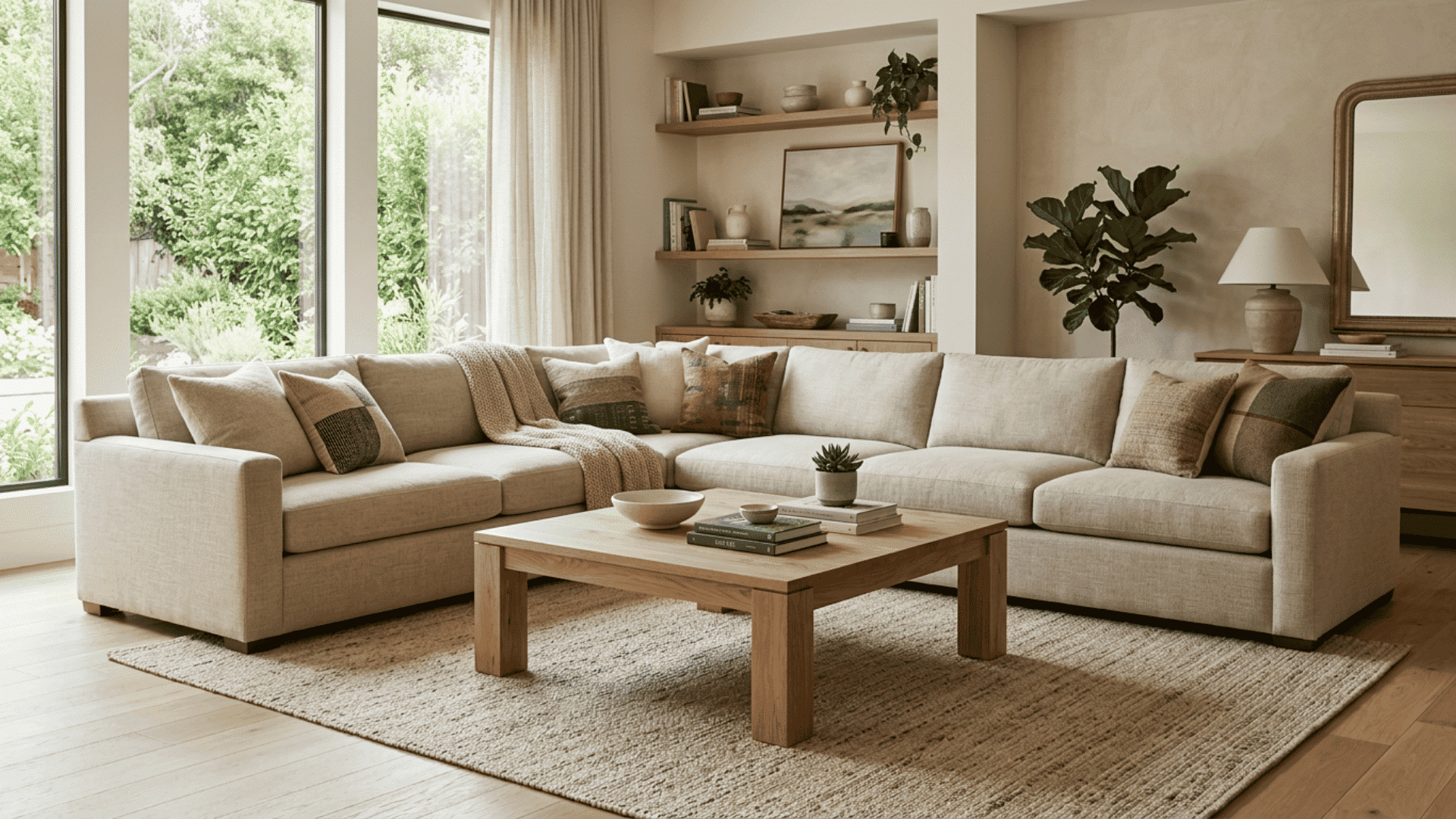
Square coffee tables suit balanced seating layouts and many sectional setups.
Common sizes fall around 30 to 40 inches on each side, with 36 × 36 inches serving as a practical middle size.
This shape gives similar reach from more than one side, which makes it a strong match for L-shaped seating.
A square table uses more floor space than a narrow rectangular one, so it works best when the center of the room has enough open space.
Oval Coffee Table Size
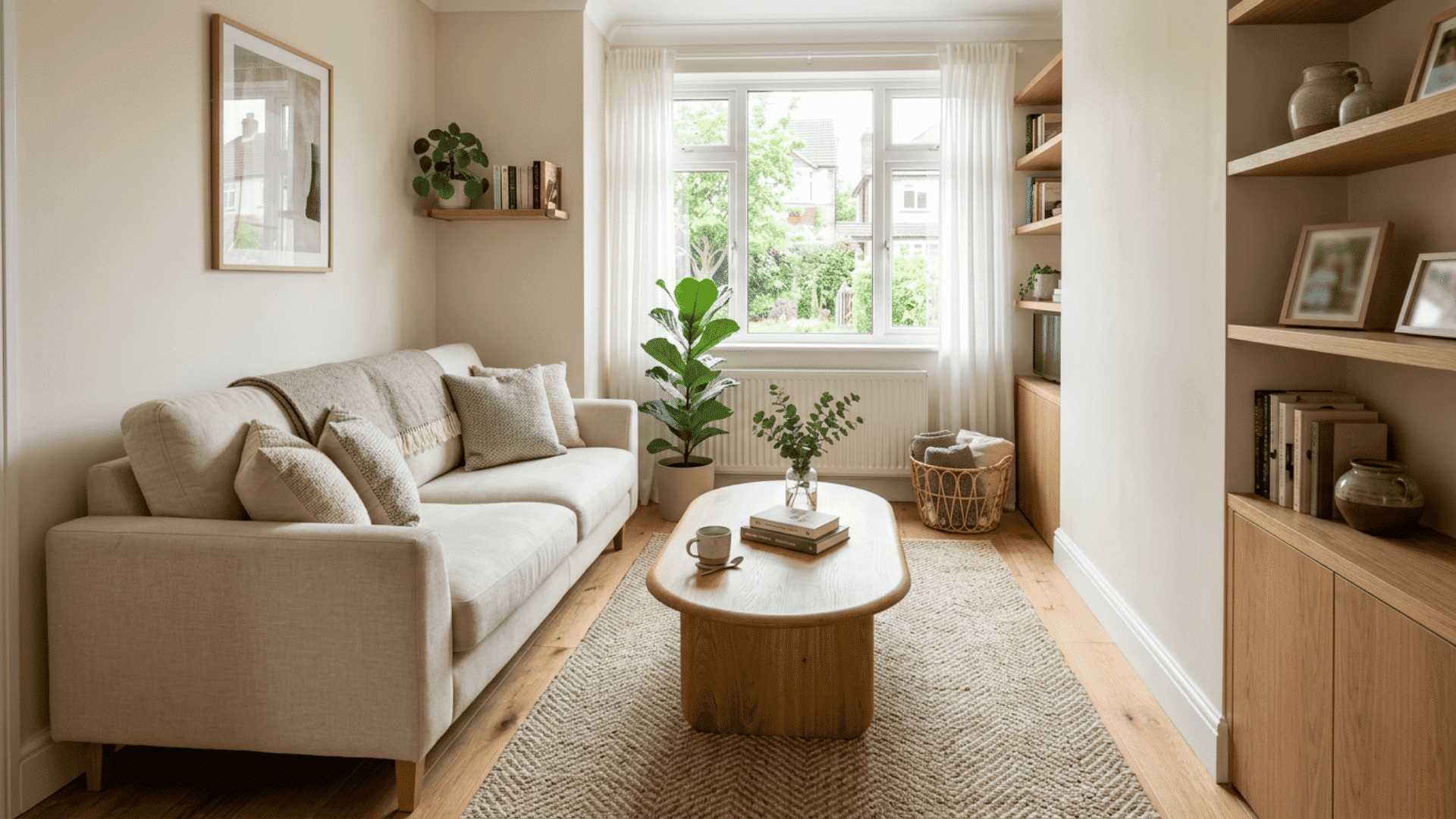
Oval coffee tables work well in narrow rooms where a rectangular table may feel too bulky.
Many measure around 36 to 48 inches long and 20 to 30 inches wide.
Their rounded ends leave more open space near the corners, which can make movement easier around the seating area.
Oval tables still provide the length needed to match a standard sofa, so they are useful when the room needs a softer shape without giving up much surface space.
Trendy Alternatives to a Traditional Coffee Table
Not every living room needs a classic coffee table. Consider these stylish swaps:
- Ottomans: double as seating, footrests, or a soft surface for trays
- Nesting Table: pull apart for extra space or tuck away when not needed
- Vintage Trunks or Crates: add character while still holding drinks and books
- Cluster of Side Tables: vary heights for visual interest without one bulky centerpiece
- Low Stools with Trays: flexible, lightweight, and easy to rearrange
- Floor Cushions with A Tray: suit casual, minimalist, low-to-the-ground setups
Coffee Table Size by Sofa Length
Sofa length gives a simple way to narrow the table size before checking the rest of the room.
| Sofa Length | Recommended Coffee Table Length | Recommended Width | Table Height |
|---|---|---|---|
| 60 in | 36–40 in | 18–22 in | 16–18 in |
| 72 in | 42–48 in | 20–24 in | 16–18 in |
| 84 in | 48–56 in | 20–26 in | 16–18 in |
| 90 in | 54–60 in | 22–28 in | 16–18 in |
| 96 in | 58–64 in | 24–30 in | 16–18 in |
How Much Space Should Be Around a Coffee Table?
Allow about 14 to 18 inches between the sofa and coffee table. This gives enough room for feet and legs while keeping the tabletop within reach from the sofa.
Main walking routes need more space. Around 30 inches or more is a useful reference for areas where people regularly pass between pieces of furniture.
Check these spots before choosing a table:
- Between the table and sofa
- Between the table and TV stand
- Beside accent chairs
- Near doors and hallways
- In front of cabinets or drawers
If the available path feels tight, reducing the table width can help without changing the seating layout.
Matching Room Size
Room size works best as a secondary check after sofa length has narrowed the options.
Small Living Room
Try a table around 30 to 40 inches long and 18 to 22 inches wide. Round tables around 30 to 36 inches across can also suit compact seating areas.
Narrow oval and rectangular tables use less floor depth.
Medium Living Room
A table around 40 to 48 inches long and 20 to 24 inches wide fits many standard sofa layouts. A 48 × 24-inch rectangular table sits near the upper end of this range.
Large Living Room
Tables around 48 to 60 inches long and 24 to 30 inches wide can suit longer sofas and larger seating groups.
Very large sectionals may work better with a broad square table or two smaller tables.
What Size Coffee Table Works With a Sectional?
Measure the open area inside the sectional rather than using its full outside length.
A round or square table can fit well with an L-shaped sectional because seats approach the table from two directions.
For a long sectional with most seats facing forward, a rectangular or oval table may fit the seating line better.
A U-shaped sectional often has a larger center area. A broad square or round table can work here, but two smaller tables are another option if one large table becomes difficult to reach from every seat.
Keep enough open floor space for people to enter and leave the seating area easily.
How Much Space Should Be Around a Coffee Table?
Clearance changes depending on what sits on the other side of the table.
For a sofa-to-table gap, aim for 14 to 18 inches, enough room for feet and legs while keeping the tabletop close enough to reach.
A main walkway needs more, around 30 inches, so traffic moves without squeezing past furniture.
A rarely used secondary path can work with as little as 12 inches, though frequent traffic will feel tight there.
A table-to-console gap depends on drawer swing and TV viewing distance, and a reclining sofa needs room for the footrest to extend fully.
How to Measure for a Coffee Table?
Measure the seating area first so the table fits the room comfortably and leaves enough space.
- Measure the sofa from one outside edge to the other, including both arms for accuracy.
- Measure from the floor to the top of the seat cushion to match table height.
- Accurately measure the open floor space in front of the sofa for available table depth.
- Leave 14-18 inches between the sofa and table for comfortable legroom and reach.
- Mark the planned table size with painter’s tape, then check nearby walkways and furniture clearance.
Walk around the taped area and sit on the sofa. This makes it easier to judge reach, legroom, and walking space before buying.
Common Coffee Table Sizing Mistakes to Avoid
A few sizing mistakes can make a coffee table feel awkward or difficult to use.
- Choosing a Table that Is Too Long: A table that nearly matches the sofa length can make the seating area feel crowded.
- Ignoring Sofa Height: A table that sits far above or below the seat can be less comfortable to use.
- Leaving Too Little Space: Less than about 14 inches between the sofa and table can limit legroom.
- Placing the Table Too Far Away: A large gap can make drinks, books, and remotes harder to reach.
- Buying a Table that Is Too Wide: Deep tables can block walkways in narrow living rooms.
- Forgetting Nearby Furniture: Check chairs, TV stands, cabinets, and fireplaces before picking the final size.
- Using Room Size Alone: Sofa dimensions and the seating layout give a better reference than the room size by itself.
- Skipping a Floor Check: Marking the table size with painter’s tape can show if the table will feel too large before buying.
Final Thoughts
The right coffee table should feel easy to use every day. It should leave enough room to move, sit comfortably, and reach the surface without effort.
Before buying, mark the table area on the floor and spend a few minutes walking around it. This simple check can save you from choosing a size that looks fine online but feels awkward at home.
Already have a coffee table in mind? Share its size and your sofa length in the comments below.
Frequently Asked Questions (FAQs)
1. Should a Coffee Table Be Centered with The Sofa?
Not always. It can sit slightly off-center when chairs, a sectional, a doorway, or the room layout calls for a different position.
2. Can Two Small Coffee Tables Replace One Large Table?
Yes. Two smaller tables can work well in wide seating areas and can be moved apart when extra surface space is needed.
3. Should a Rug Be Larger than The Coffee Table?
Yes, in most layouts. The rug should extend beyond the coffee table so the table does not look cramped within the rug area.