Crown molding can make a plain ceiling line feel finished, but older decorative styles do not fit every home.
Modern crown molding offers a cleaner look with simple profiles, crisp edges, and smart material choices. It can add structure without making a room feel heavy or dated.
The right shape and size can also help walls, ceilings, cabinets, and trim feel more connected. This blog covers the main molding styles, common materials, key differences, and room-based ideas.
Keep reading to find a crown molding option that fits the home’s style and practical needs.
What is Modern Crown Molding?
Modern crown molding is decorative trim installed where walls meet the ceiling. Its main purpose is to create a finished transition while adding shape and structure to the room.
Unlike highly detailed traditional molding, modern versions often use straight edges, simple curves, narrow profiles, and clean layered lines.
These profiles work well in contemporary, minimalist, transitional, and updated classic interiors. Their clean shapes can complement modern furniture and simple color schemes.
They can be painted the same color as the wall, matched with the ceiling, or finished in a contrasting shade. Modern molding is available in wood, MDF, PVC, polyurethane, and plaster.
Types of Crown Molding for Modern Interiors
Crown molding comes in many profiles, from simple straight pieces to layered designs. Each type creates a different wall-to-ceiling finish and suits a different interior style.
1. Simple Crown Molding
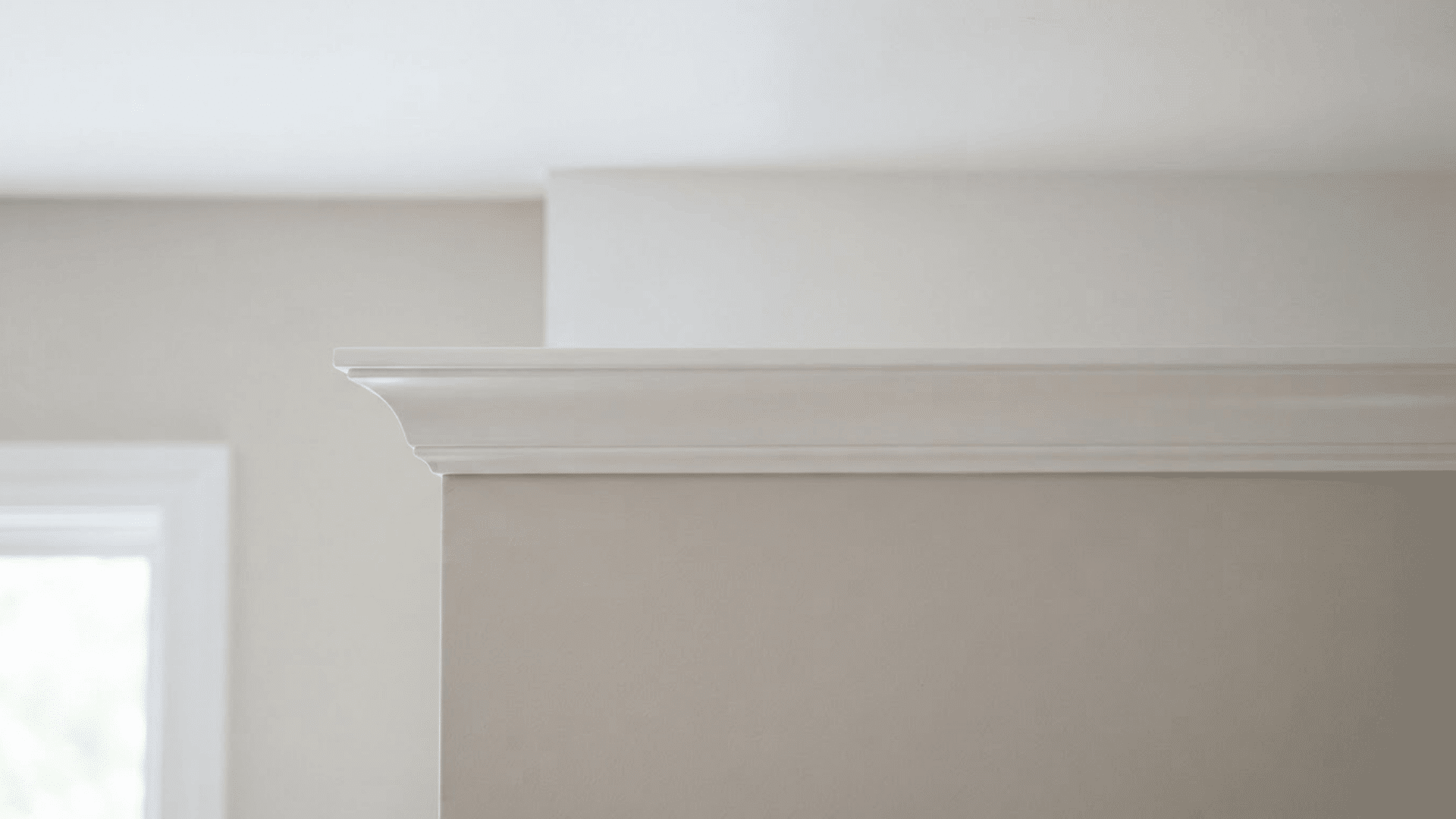
Simple crown molding has a clean profile with very little decorative detail. It often uses one smooth curve or a basic angled shape between the wall and ceiling.
This makes it suitable for modern homes where large decorative patterns may feel too heavy. White is a common finish, but matching the molding with the wall can create a softer look.
Simple profiles also pair well with plain baseboards, neutral walls, and streamlined furniture without competing with other room features.
2. Flat Crown Molding
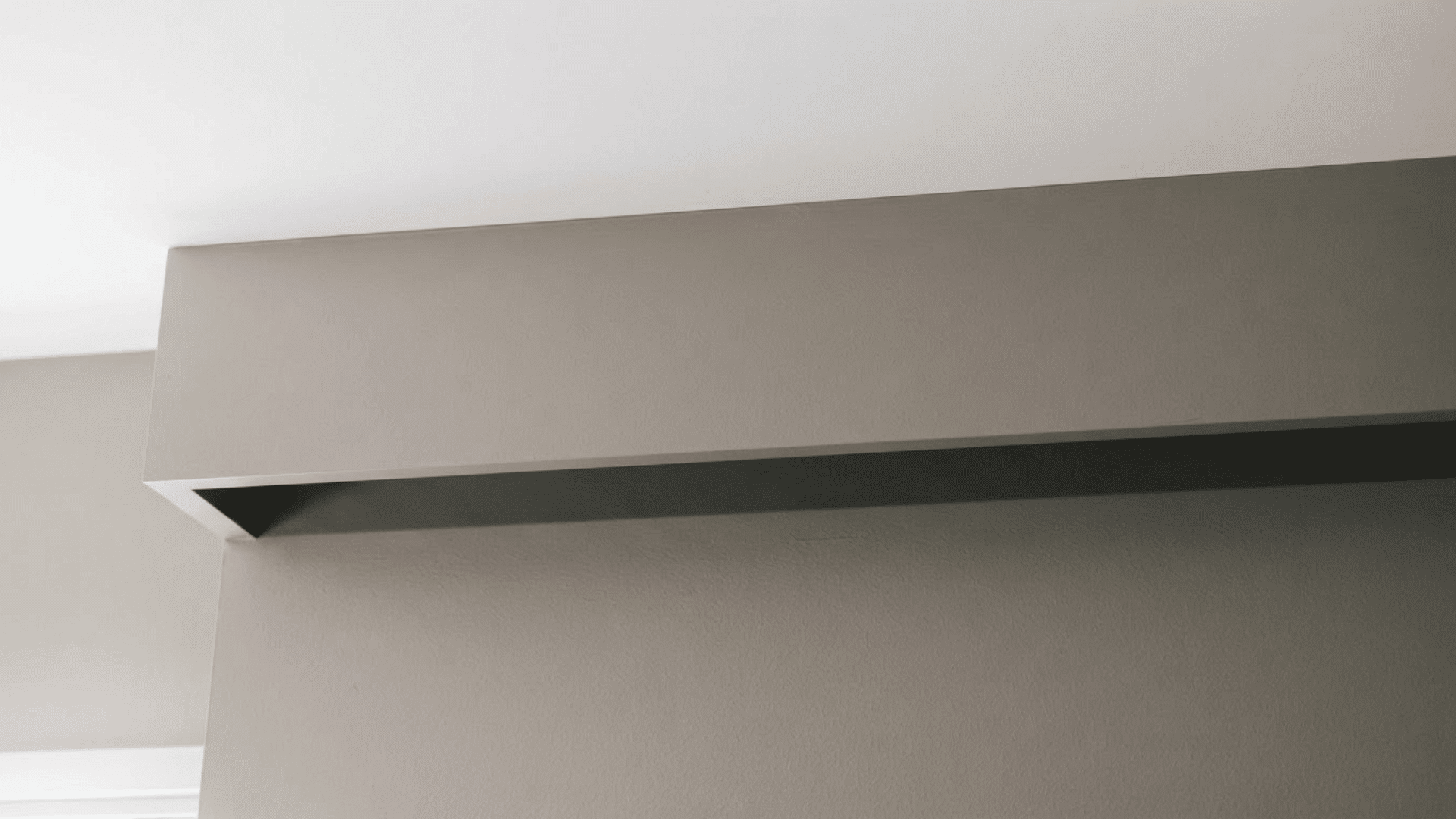
Flat crown molding uses straight surfaces instead of deep curves or carved details. It creates a crisp line near the ceiling and works especially well in minimalist and contemporary spaces.
Some designs use one wide flat board, while others combine narrow boards to create a layered effect.
Flat molding can also be painted in the wall color to make the ceiling transition feel less noticeable. Its basic shape makes it useful when the room already contains strong furniture, lighting, or wall features.
3. Cove Crown Molding
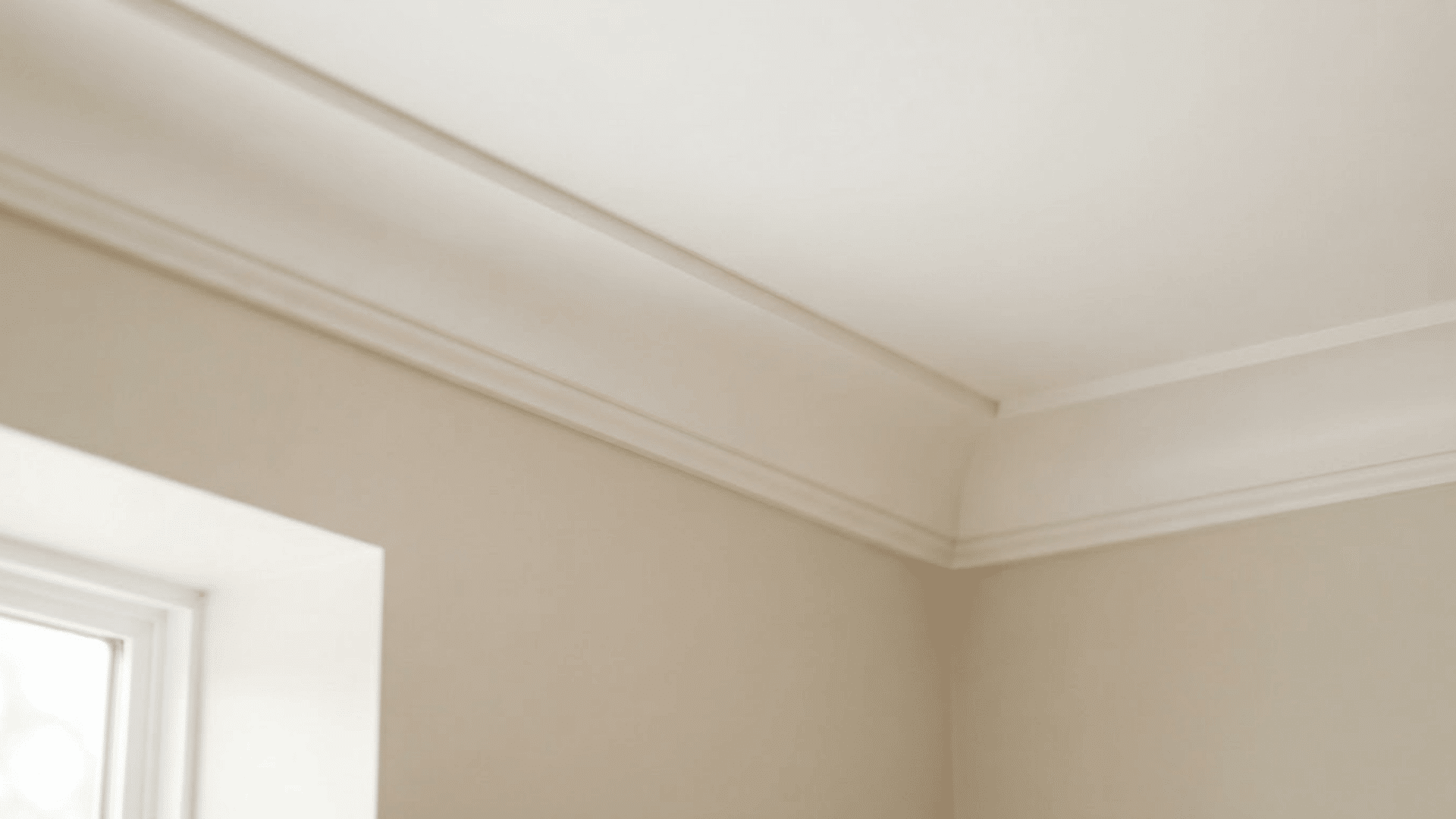
Cove crown molding has a smooth inward curve that creates a soft transition between the wall and ceiling.
It offers more shape than flat molding but remains less decorative than many traditional profiles. The curved surface can work well in bedrooms, living rooms, and hallways.
Cove molding is also available in narrow and wide sizes, allowing it to suit both standard and taller ceilings without adding too much visual detail.
4. Stepped Crown Molding
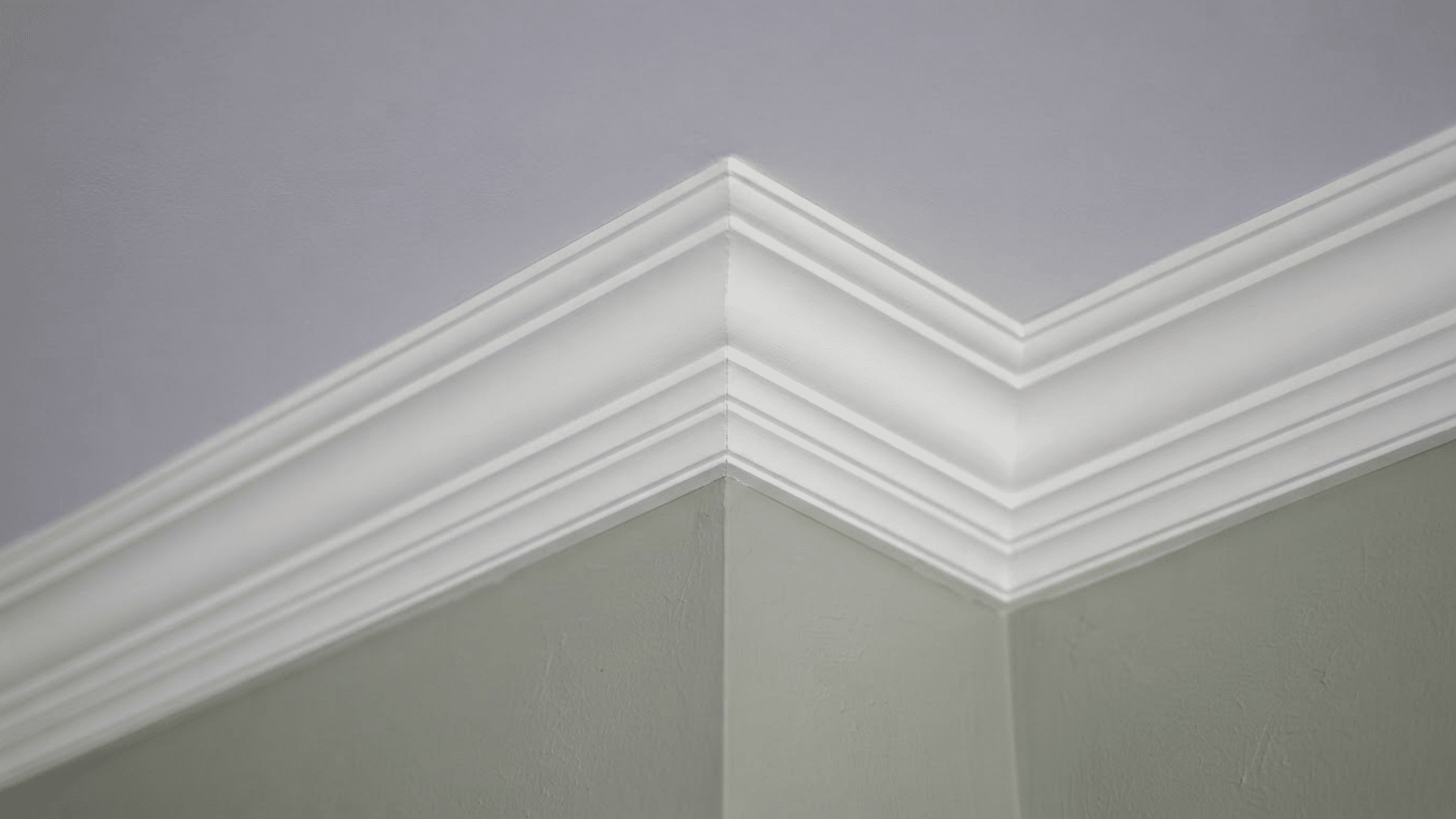
Stepped crown molding uses several straight levels that gradually move outward from the wall.
These layers add depth while keeping the overall look clean and structured.
The design works well in modern homes with strong horizontal and vertical lines. It can also help connect wider baseboards, door trim, and ceiling details across a room.
Stepped molding is often painted in one solid color so the shape remains visible without becoming overly decorative or distracting from furniture and architectural features.
5. Craftsman Crown Molding
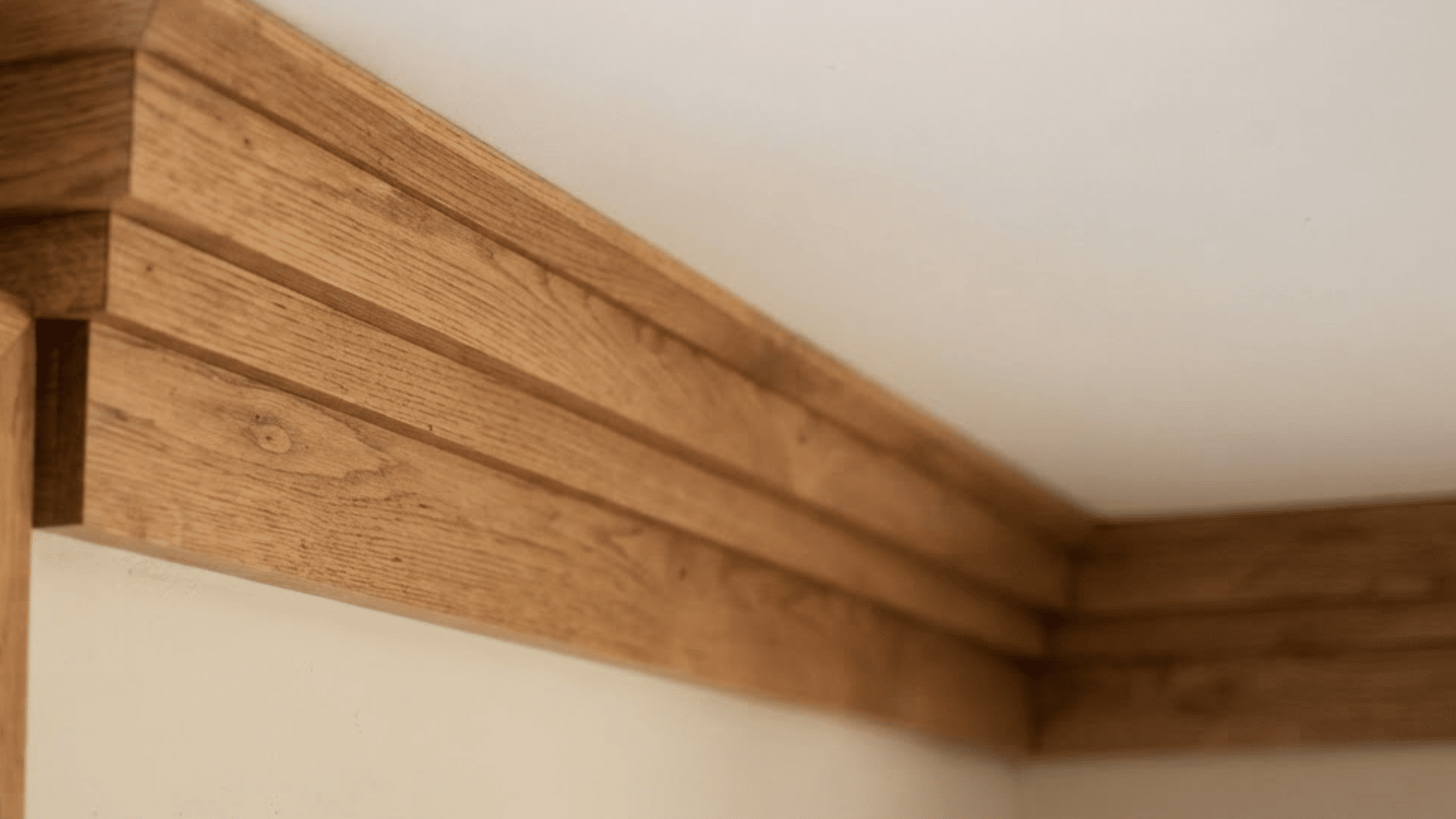
Craftsman crown molding relies on straight boards, simple edges, and solid proportions rather than curved decorative shapes.
It is often built from multiple trim pieces to create a wider profile near the ceiling. This style works well in Craftsman homes, transitional interiors, and spaces that use visible wood details.
Painted versions suit lighter modern rooms, while stained wood can add warmth and natural texture.
The strong straight lines also pair well with square door casings and matching baseboards.
6. Traditional Crown Molding
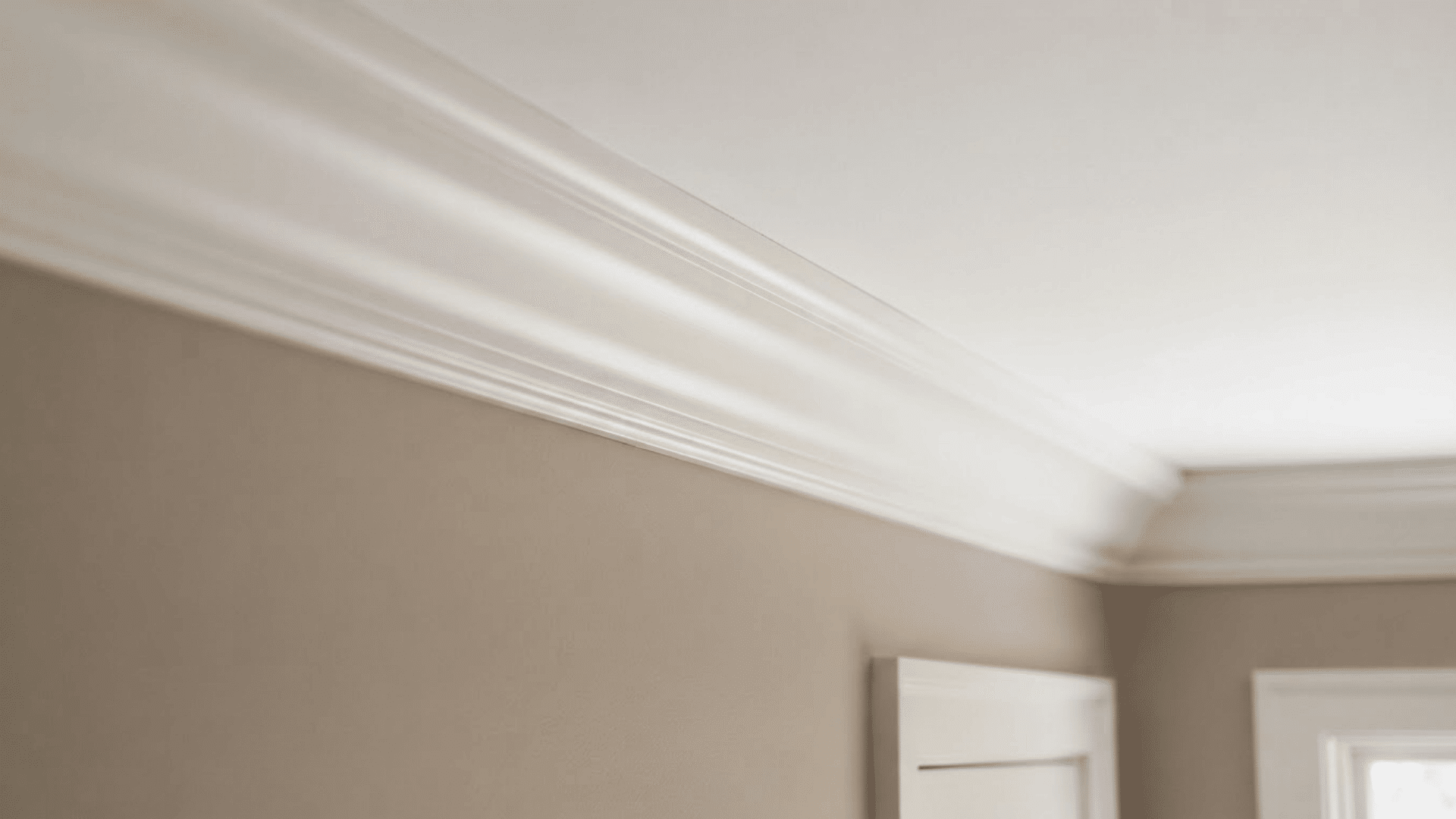
Traditional crown molding usually includes curved profiles, rounded edges, and more decorative detail than modern designs.
It can still suit updated interiors when the profile is kept simple, and the finish matches the room. A narrow traditional molding can add character without making the space feel overly formal.
Matching it with simpler trim elsewhere can help create a balanced look rather than a heavily decorated ceiling line.
7. Dentil Crown Molding
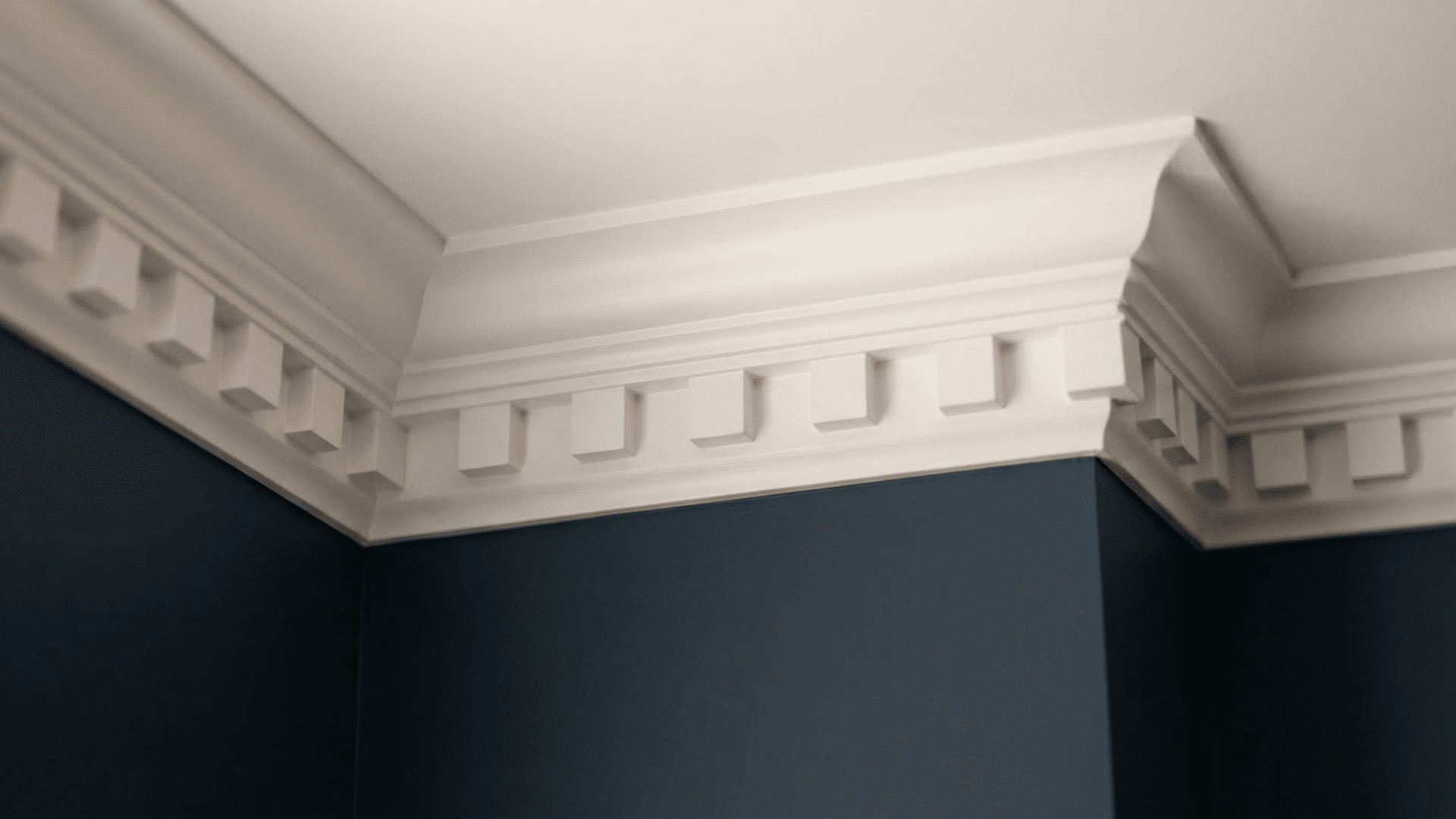
Dentil crown molding includes small repeating blocks along the trim.
These evenly spaced details create a strong architectural pattern and are commonly linked with formal or classical interiors.
In a modern home, dentil molding works best when used carefully in rooms with enough height and visual space. Painting it one solid color can keep the design controlled.
It may suit dining rooms, libraries, offices, or entry areas where stronger architectural detail fits better than plain trim.
8. Built-Up Crown Molding
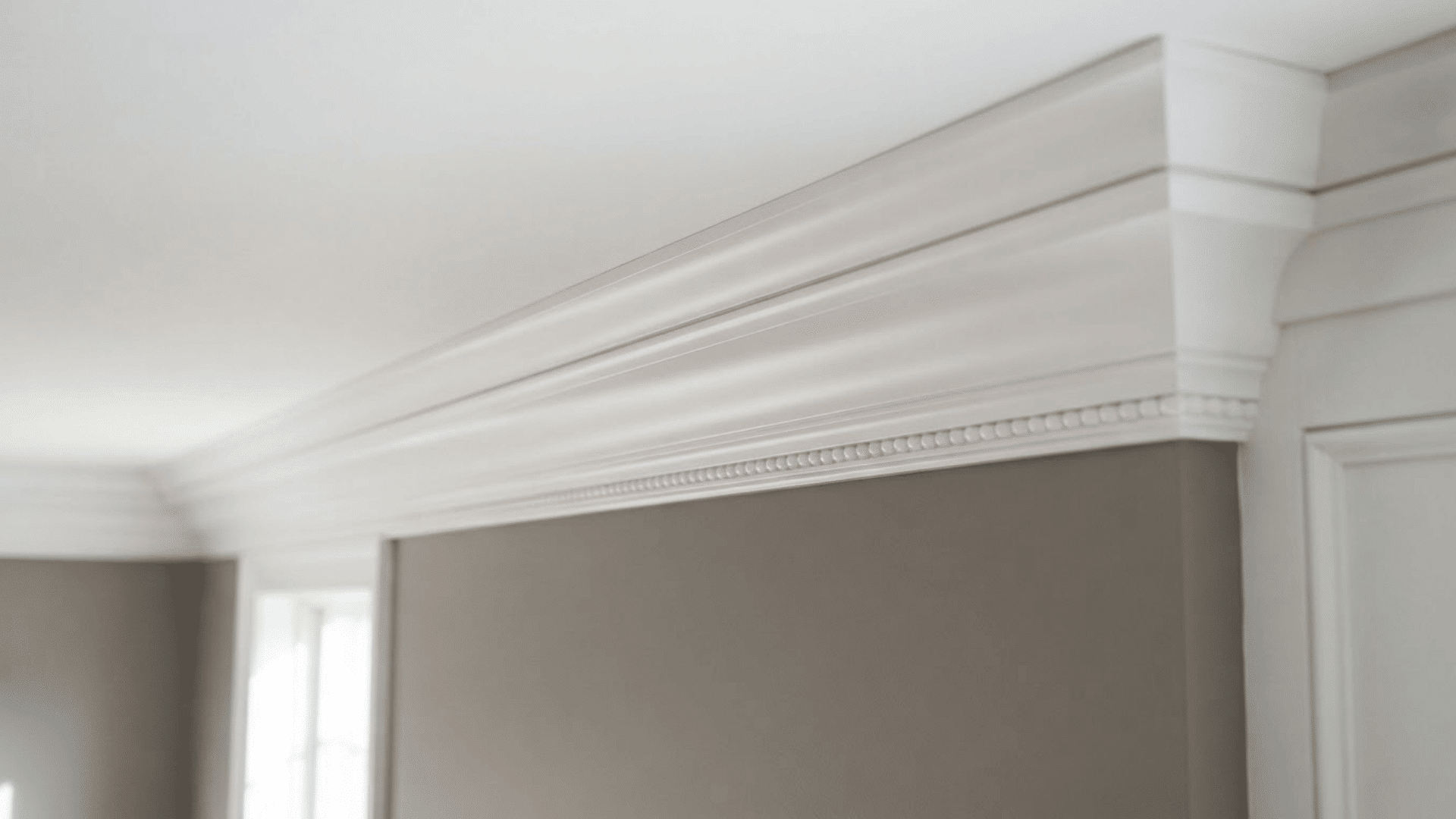
Built-up crown molding combines several trim pieces to create one larger ceiling feature. A design may include crown molding, flat boards, small decorative strips, or other trim placed together.
This approach allows homeowners to create a wider profile without relying on one oversized molding piece.
It works best in rooms with tall ceilings because the larger scale feels more balanced. Built-up molding can also connect ceiling trim with wall panels, door casings, or other architectural elements in the room.
9. Shadow Line Crown Molding
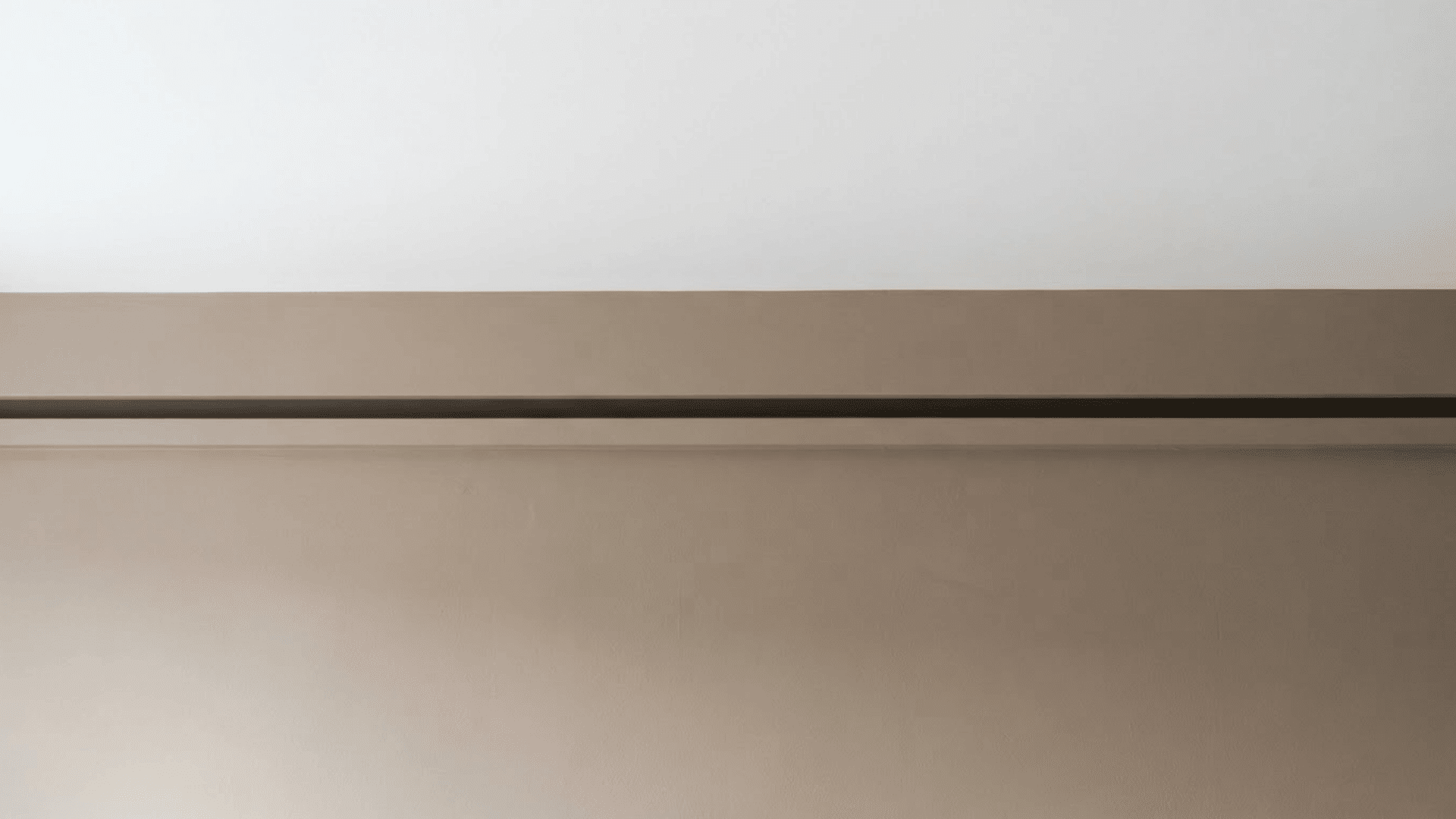
Shadow line crown molding creates a narrow recessed gap between the ceiling and upper wall.
Instead of using a highly visible decorative profile, the design relies on depth and shadow to define the ceiling edge.
This makes it suitable for modern and minimalist rooms with sharp lines. Some shadow line systems also leave space for concealed lighting.
The finished effect feels lighter than traditional trim and works well in spaces where the ceiling detail should remain subtle but still look intentional.
Crown Molding Materials: What Each Option Offers?
Crown molding is made from several materials, and each one performs differently. Cost, moisture, weight, finish, and installation should all be considered before choosing.
Wood: Wood offers natural grain and can be painted or stained. It suits living spaces but may expand or contract as indoor humidity changes.
MDF: MDF provides a smooth painted finish at a lower cost than many wood options. It works best in dry interior areas with stable moisture levels.
Polyurethane: Polyurethane is lightweight, moisture-resistant, and available in many shapes. It can reproduce detailed profiles without the weight associated with plaster or hardwood.
PVC: PVC handles moisture well, making it useful in bathrooms, kitchens, basements, and other damp areas. It is usually painted rather than stained.
Polystyrene: Polystyrene molding is very light and easy to handle. It can suit low-cost decorative projects where heavy trim or complex fastening is unnecessary.
Plaster: Plaster can produce sharp, detailed profiles and custom shapes. It is heavier than most alternatives and generally requires more skill during installation.
Crown Molding Materials: Key Differences at a Glance
Material choice affects appearance, handling, moisture performance, finishing, and typical room use. This table gives a quick side-by-side comparison.
| Material | Main Strength | Moisture Resistance | Best Fit |
|---|---|---|---|
| Wood | Natural grain | Moderate | Living rooms and offices |
| MDF | Smooth painted finish | Low | Dry interior rooms |
| Polyurethane | Lightweight and detailed | High | Decorative indoor trim |
| PVC | Handles damp conditions | High | Bathrooms and kitchens |
| Polystyrene | Very lightweight | Moderate | Budget projects |
| Plaster | Custom detailed profiles | Moderate | Formal interiors |
Crown Molding Options Work in Each Room
The right crown molding can change from one room to another. Room size, moisture, ceiling height, furniture, and existing trim all affect the final choice.
Living Room
Use simple, stepped, or built-up molding to frame the ceiling without making the room feel too formal. Match its scale with ceiling height.
Bedroom
Cove or narrow flat molding can soften the ceiling line. Painting it the same shade as the wall creates a calm, less noticeable finish.
Dining Room
A wider stepped or traditional profile can add stronger architectural detail. It works well alongside wall panels, trim, or a statement light fixture.
Kitchen
Crown molding can finish the ceiling edge or top of kitchen cabinets. Simple painted profiles usually work well with modern cabinet doors and hardware.
Bathroom
PVC or polyurethane molding is useful in rooms exposed to humidity. A simple profile keeps the ceiling edge neat without adding heavy decoration.
Home Office
Flat or Craftsman-style molding can add structure around the ceiling. Straight lines work especially well with shelving, built-ins, and simple office furniture.
Hallway
Narrow molding works well in smaller passage areas. Keeping the profile simple prevents the ceiling line from feeling crowded or visually too heavy.
Conclusion
A ceiling edge may seem like a small detail, but the right molding can change how finished a room feels.
Clean profiles can sharpen modern interiors, while curved or layered designs can add more character without overwhelming the space.
Before buying, compare samples against the wall, ceiling, flooring, and existing trim. Small differences in size and shape can make a big visual impact.
Save the styles that fit the space best, then use them as a reference before choosing the final molding.
Frequently Asked Questions (FAQs)
1. Can Crown Molding Hide Small Ceiling Gaps?
Yes. It can cover minor gaps where the wall and ceiling meet, but larger structural cracks should be repaired before trim is installed.
2. Does Crown Molding Need to Continue Through the Whole House?
No. It can be limited to selected rooms as long as the trim choices still feel connected to the home’s overall design.
3. Can Crown Molding Be Removed Without Damaging Walls?
Careful removal can limit damage, but nails, adhesive, caulk, and paint may leave marks that require patching and repainting.