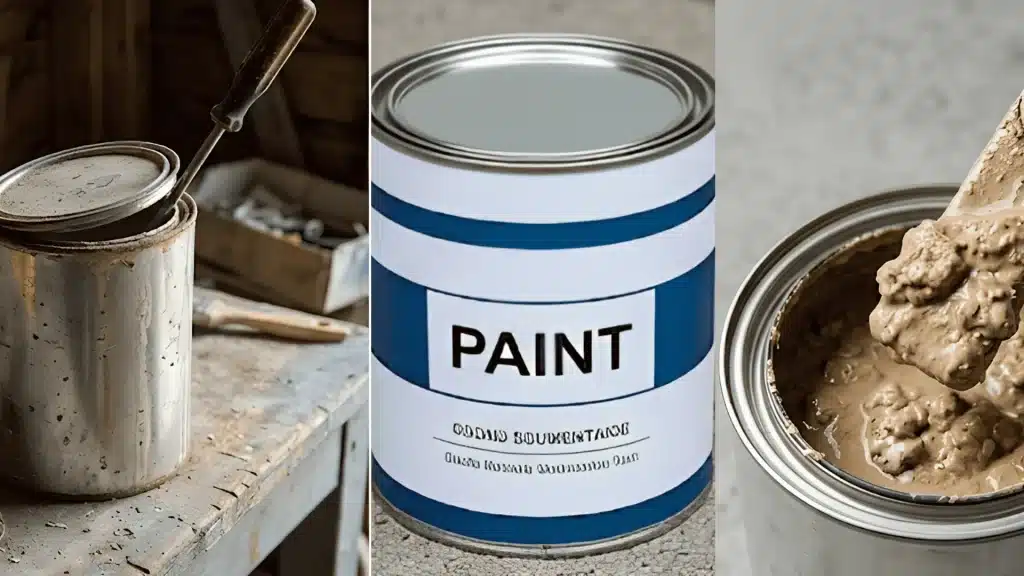
You grab that old can of paint from the shed, pry off the lid, and hope for the best.
Does paint expire? Skip that check, and you might end up with streaks, a bad smell, or paint that never fully dries.
Paint has no printed date like a carton of milk. It goes bad quietly when ingredients separate for good, bacteria or mold move in, or a freeze-and-thaw cycle in an unheated garage does its damage.
Here is what actually decides whether that can is still good.
Does Paint Expire?
Yes, paint expires, though not on any fixed date.
It goes bad when the ingredients separate, bacteria or mold get into the can, or repeated freezing and heating break down the formula.
Unopened paint holds up far longer than opened paint in almost every case.
Proper storage, meaning a cool, dry spot away from big temperature swings, can stretch that lifespan even further
Quick Paint Shelf Life Chart
Before getting into the details, here is a fast reference for how long different paints tend to hold up.
| Paint Type | Unopened | Opened |
|---|---|---|
| Latex or water-based paint | About 10 years | About 2 to 5 years |
| Acrylic paint | About 10 years | About 2 to 5 years |
| Oil-based paint | Up to 15 years | About 5 years |
| Chalk paint | Varies by manufacturer | Often 1 to 3 years |
| Milk paint | Varies greatly | Much shorter once mixed |
These numbers are general estimates. Manufacturer instructions and how the paint was stored matter more than the calendar. A cheap latex paint kept in a hot garage will not come close to that ten-year mark, while a premium can stored in a closet at room temperature might outlast it.
How Long Does Opened Paint Last?
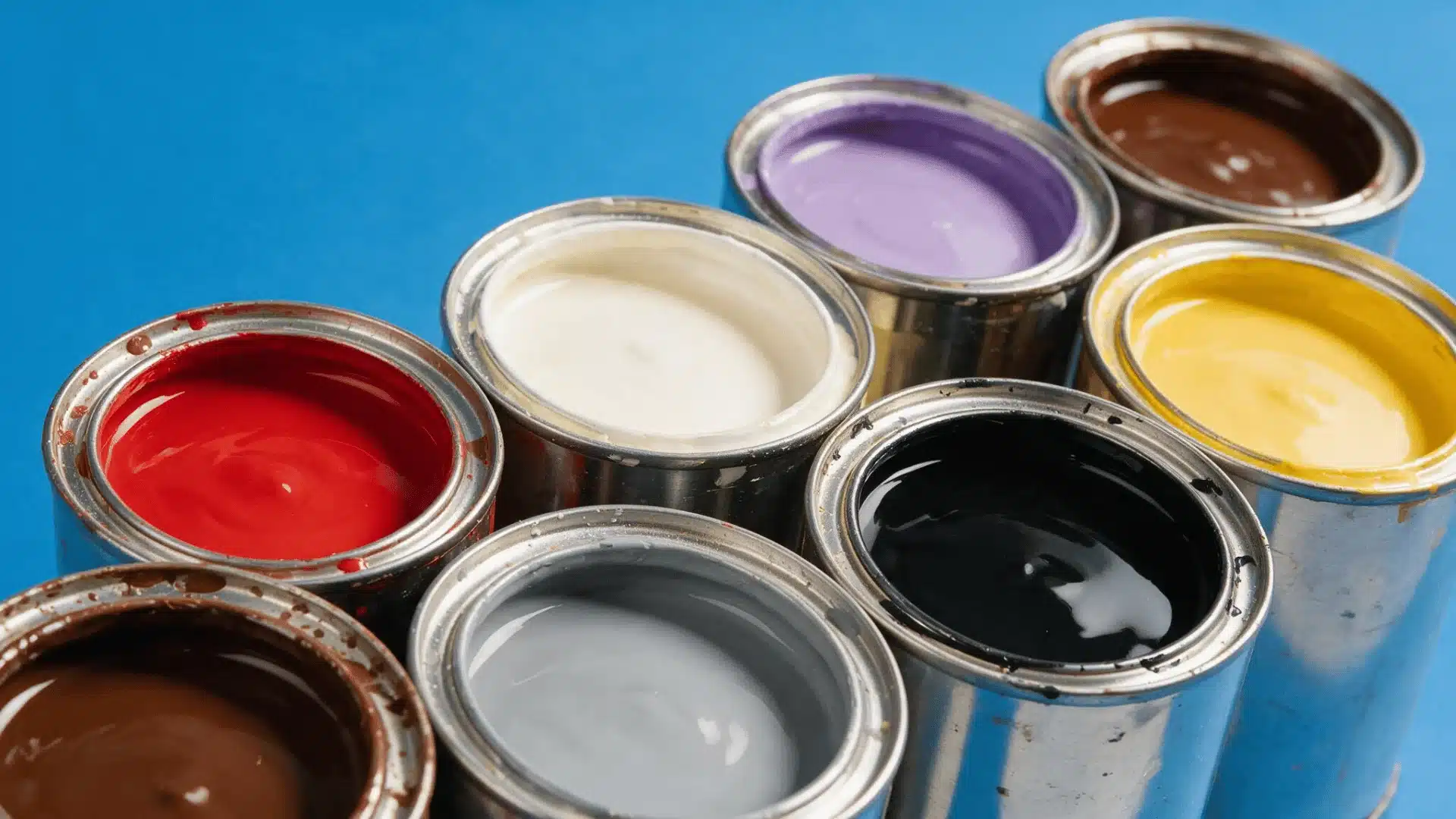
Once you crack open a can, you let in air and whatever else is floating around your garage or shed. That exposure starts a slow decline that never fully stops.
Dried paint often builds up around the rim after the first use. That crust can crack the seal every time you close the lid again, letting in more air with each project.
A damaged or warped lid does the same thing, even if you never notice it happening.
If you only need a small amount of leftover paint for touch-ups, pour it into a smaller container instead of leaving it in a half-empty gallon can. Less empty space means less air sitting on top of the paint, which slows down the breakdown.
Label every can you plan to keep. Write down the room, the color name, the brand, the finish, and the date you opened it.
Six months from now, you will not remember which faded label belongs to the hallway and which one was for the guest room.
How Can You Tell If Paint Has Gone Bad?
Age by itself does not tell you whether paint is still usable. A five-year-old can might be perfectly fine, and a two-year-old can might already be ruined. You have to check it.
1. Smell the Paint
Fresh paint has a normal chemical smell, sometimes sharp, sometimes mild depending on the type. That is expected.
What is not expected is a sour, rotten, or foul odor. That kind of smell usually means bacteria have gotten into the can.
If it smells seriously off, do not try to use it, no matter how much paint is left.
2. Check for Mold
Look closely at the surface, the inside of the lid, and the sides near the top of the container. If you see mold, the safest move is to throw the whole can away.
Skimming off the top layer might seem like a fix, but mold spreads through the can in ways you cannot see just by looking at the surface.
3. Look at the Texture
Some separation after long storage is completely normal. A layer of liquid on top or slightly thicker paint at the bottom does not mean the paint is dead.
What means trouble is paint that turns chunky, stringy, rubbery, or forms lumps that will not break apart no matter what you do.
4. Stir it Thoroughly
Settling and spoiling are two different things, and stirring is how you tell them apart.
Stir from the bottom of the can, not just the top layer, and give it real time to blend, not just a quick swirl.
Good paint will come back together into a fairly smooth, even mix. Paint that stays lumpy or refuses to combine after a proper stir has likely broken down.
5. Test it Before Painting the Wall
Even if the paint passes the smell, mold, and texture checks, test a small amount on scrap material or a spot that will not show, like the inside of a closet.
Pay attention to how it spreads, how the texture feels going on, how long it takes to dry, what the finish looks like once dry, and whether any smell lingers after drying.
If everything checks out there, you are good to paint the rest of the wall.
How Long Do Different Types of Paint Last?
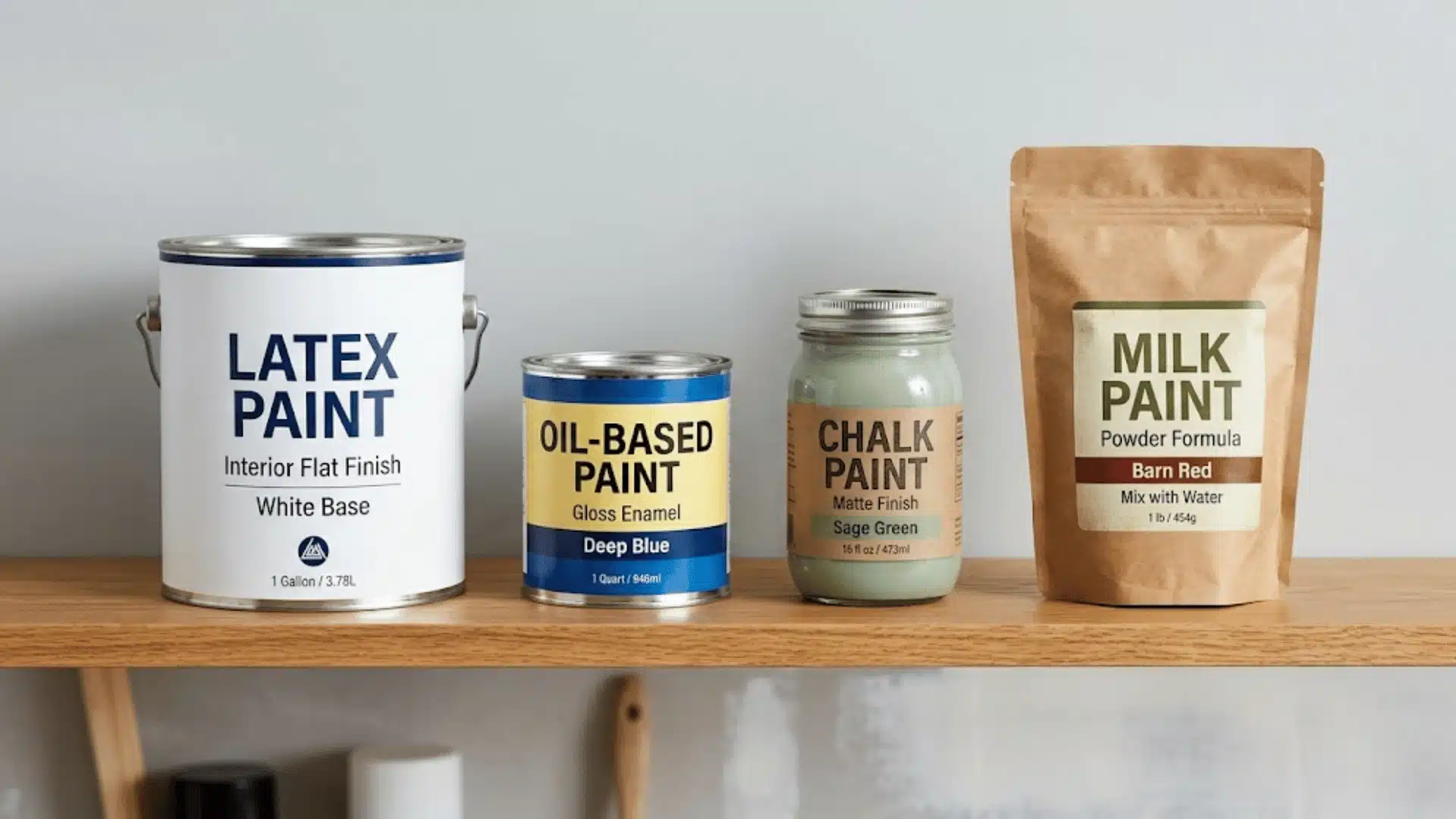
Not every paint ages the same way, and knowing what you are working with changes what to watch for.
Latex Paint
Latex paint tends to hold up the longest of the common types, often lasting close to ten years unopened when stored properly.
Once opened, plan on two to five years, and less than that if the can has gone through more than one freeze-and-thaw cycle.
Separation is fairly common with latex paint on its own, so do not panic over that alone. It is the combination of separation with a sour smell that signals real trouble.
Acrylic Paint
Acrylic paint follows a similar timeline to latex, but it is pickier about conditions. A tightly sealed lid and a storage spot that does not swing between hot and cold will stretch its usable life noticeably.
Skip either one and it tends to fade fast.
Oil-Based Paint
Oil-based paint is the long-haul option, sometimes lasting up to fifteen years unopened.
The tradeoff is stronger fumes and slower drying, which is worth remembering before using an old can indoors.
Watch for a thick skin forming across the top or a rubbery feel once stirred. Those are signs it has started breaking down, even when the smell still seems fine.
Chalk Paint
Chalk paint is the least predictable of the group because formulas vary so much from brand to brand.
Some hold up close to three years when sealed well, while others start thickening within a single year. Check the label on your specific can instead of assuming a general number applies.
Milk Paint
Milk paint splits into two very different stories depending on its form. The dry powder can sit on a shelf for a long time without trouble.
But the moment you mix it with water, the countdown speeds up fast, sometimes down to just a few days before it is no longer usable.
If a project only calls for a small amount, mix just enough for that job rather than saving the rest for later.
Final Thoughts
Paint will not last forever, but it also will not quit on you the moment a few years pass.
The smell, the texture, and a proper stir will tell you almost everything you need to know before committing to an old can.
Spend a few minutes checking rather than guessing, because a patchy wall or a wasted afternoon costs a lot more than a fresh can would.
Frequently Asked Questions (FAQs)
1. Does Paint Go Bad in a Garage?
Yes, garages have temperature swings that speed up spoilage. Cold winters and hot summers both damage paint faster than stable indoor storage.
2. Can Frozen Paint Still Be Used?
Sometimes. Check for lumps after thawing and stirring. If it stays smooth, it may still work, but quality can suffer.
3. Why Does Old Paint Smell Sour?
A sour smell usually means bacteria have grown inside the can. This often happens in opened paint stored in hot, damp conditions.
4. Should Leftover Paint Be Stored in the Original Can?
Small amounts last longer in a smaller airtight container. Less air space slows down spoilage compared to a half-empty gallon can.