Most people can instantly tell when a room looks polished and expensive, even if they cannot explain exactly why.
The walls feel smoother, the light sits differently across the surface, and the entire space appears more refined. Yet a premium paint finish has surprisingly little to do with choosing the most expensive paint on the shelf.
The real difference comes from craftsmanship and detail. Preparation, application technique, lighting awareness, and finishing precision all play a bigger role than most homeowners realise.
A well-executed paint job does not simply change a room’s colour. It changes how the space feels.
Why A Premium Paint Finish Is About More Than Colour
Paint colour naturally gets most of the attention during a renovation. People spend hours comparing swatches, saving inspiration photos, and debating warm versus cool tones.
But even the perfect colour can look underwhelming when the finish itself is poorly executed.
A premium-looking result depends on consistency. Walls should appear smooth from every angle, without uneven texture, roller streaks, or visible patchwork beneath the surface.
High-quality finishes create subtle depth rather than flatness, helping rooms feel calm, balanced, and intentional.
Lighting also plays a major role. Natural sunlight can expose flaws that are invisible at night, while artificial lighting may exaggerate brush marks or uneven sheen.
This is why professional painters often evaluate surfaces under multiple lighting conditions before considering a project complete.
In many homes, the difference between average and exceptional paintwork is not dramatic at first glance. It reveals itself gradually through clean lines, smooth transitions, and surfaces that continue to look refined over time.
Surface Preparation Is Where Quality Begins
One of the biggest misconceptions about painting is that the visible topcoat matters most. In reality, preparation determines whether the final result will look flawless or disappointing.
Walls accumulate far more surface contamination than people expect. Dust, grease, old patch repairs, and subtle texture inconsistencies all interfere with paint adhesion and finish quality.
If these problems are not addressed before painting begins, they usually become more visible after fresh paint is applied.
Professional preparation often includes:
- Cleaning surfaces thoroughly
- Repairing dents and hairline cracks
- Sanding uneven areas
- Priming porous or stained surfaces
- Checking for moisture or peeling paint
Skipping these steps may save time initially, but it often creates long-term issues. Uneven patches can flash under lighting, peeling may occur earlier, and paint can absorb differently across the wall, creating an inconsistent sheen.
Preparation is also what allows premium finishes to appear smooth rather than heavy or overly layered.
Good painters are often judged by work nobody notices because the surface underneath looks naturally perfect.
Technique Matters More Than Most Homeowners Realise

Applying paint evenly sounds simple until imperfections begin appearing across an entire wall. Small inconsistencies in pressure, timing, or roller movement can dramatically affect the final appearance.
Experienced painters focus heavily on maintaining uniform coverage. This includes controlling roller pressure, keeping wet edges consistent, and layering coats properly without overworking the paint.
A rushed application often leaves lap marks, visible overlaps, or texture inconsistencies that become impossible to ignore once dry.
Edges and corners also reveal the difference between amateur and professional work. Crisp cutting around trims, ceilings, and window frames creates visual sharpness throughout a room.
When those details are messy, the entire space can feel less polished regardless of the paint colour itself.
Another overlooked factor is the patience between coats. Paint that is rushed before proper drying can develop uneven sheen or visible streaking later on.
Premium finishes often come from disciplined application rather than expensive materials alone.
Why Lighting Changes Everything
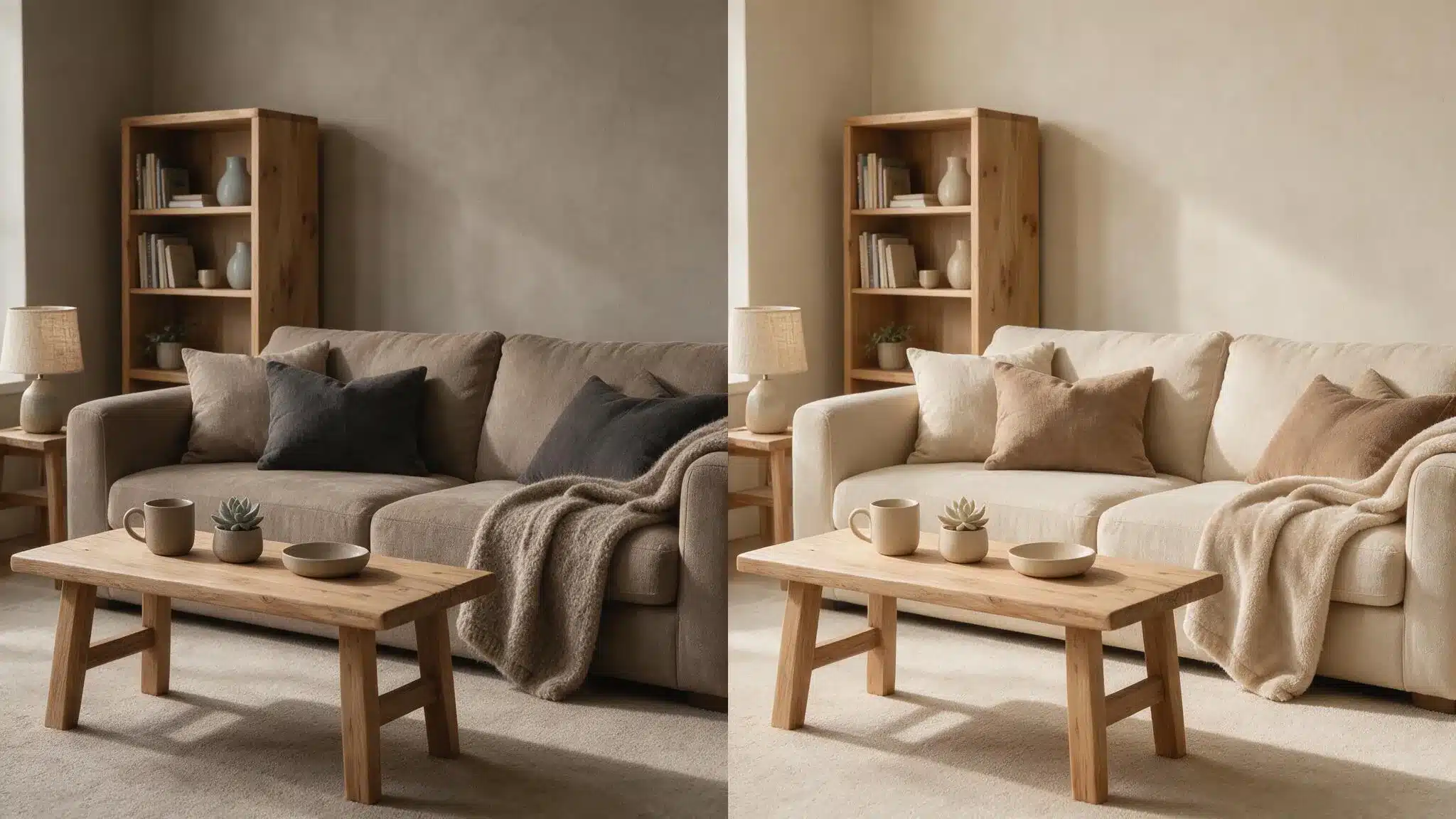
Paint rarely looks the same throughout the day. Morning light may soften a wall colour, while evening lighting can suddenly make undertones feel cooler, darker, or more reflective.
This becomes especially important when selecting finishes such as matte, satin, or gloss. Matte finishes tend to hide imperfections well and create a softer appearance, while satin and gloss finishes reflect more light and highlight surface texture.
Rooms with strong natural light often reveal wall imperfections more clearly. In these spaces, preparation quality becomes even more important because every dent or uneven patch may become visible once sunlight hits the wall directly.
Artificial lighting also affects perception. Warm lighting can soften bold paint colours, while cooler lighting may make certain shades feel sharper or more clinical.
Understanding these interactions helps create finishes that feel balanced rather than visually overwhelming.
Premium paintwork is not simply about achieving a colour match. It is about creating harmony between surface, texture, finish, and lighting conditions.
The Small Details That Quietly Elevate A Space
People often describe premium interiors as feeling clean, calm, or expensive without identifying specific reasons. Usually, those impressions come from small finishing details working together.
Consistent texture across every wall creates visual continuity. Smooth trim work frames the room neatly. Straight paint lines around ceilings and skirting boards make the entire space feel more intentional.
Even coverage matters more than many homeowners realise. Areas with slightly thinner paint layers may absorb light differently, creating subtle inconsistency across large surfaces.
Skilled painters know how to maintain balance so the finish appears uniform throughout the room.
These details rarely attract attention individually. Together, however, they shape how a room is experienced emotionally.
Why Communication Plays A Bigger Role Than Expected
Painting projects often involve highly personal design decisions. Homeowners may have specific ideas about mood, texture, finish softness, or visual references they want recreated accurately.
Clear communication helps ensure those expectations are properly understood throughout the project. Misunderstandings around finish types, colour undertones, or surface preparation can easily affect the final result.
For example, Korean homeowners may choose to work with Korean-speaking painters so they can discuss design expectations more clearly. This can also help reduce misunderstandings around colours, finishes, costs, and project timeframes.
Good communication does not replace technical skill, but it often supports smoother collaboration and better overall outcomes.
Common Mistakes That Instantly Make Paintwork Look Cheap

Certain painting mistakes immediately reduce the perceived quality of a space, even when the chosen colour itself works well.
Some of the most common include:
- Visible roller marks
- Uneven sheen across walls
- Paint bleeding onto trims
- Poor patch blending
- Inconsistent texture
- Overly glossy finishes in low-light rooms
- Messy ceiling edges
Many of these problems result from rushing preparation or trying to complete large surfaces too quickly. Unfortunately, once lighting exposes these flaws, they become difficult to ignore.
Cheap-looking finishes are rarely caused by colour alone. More often, they come from inconsistent execution and a lack of detail.
What Truly Creates A Premium Finish
A premium paint finish is not defined by trend colours or luxury branding. It comes from careful preparation, technical precision, thoughtful finish selection, and attention to detail throughout the entire process.
The best paintwork often feels effortless because nothing distracts the eye. Surfaces appear balanced, lighting feels softer, and every edge looks intentional.
These are subtle qualities, but they shape how a home feels every single day.
In the end, premium paintwork is less about paint itself and more about the craftsmanship behind it.