Taking on home improvement projects offers a rewarding way to personalize your property, build hands-on skills, and keep budget costs low. However, when it comes to exterior upgrades, knowing where to draw the line between a weekend DIY task and a complex professional job is crucial for protecting your investment. While repainting a front door or hanging decorative window boxes makes a great weekend project, replacing structural wall insulation or full cladding panels is best left to certified siding ma contractors. Mistakes made on your home’s outer shell can lead to severe water intrusion, structural rot, and voided manufacturer warranties. Evaluating your skill level, tool availability, personal safety risks, and long-term financial costs helps you decide when to roll up your sleeves and when to call in specialized professionals.
Simple Exterior DIY Projects for Creative Homeowners
For homeowners who enjoy weekend crafting and hands-on updates, many cosmetic exterior projects offer maximum visual impact with minimal risk. These approachable projects allow you to express your personal design style while boosting immediate curb appeal without breaking the bank.
Refreshing Front Entryways and Decorative Accent Details
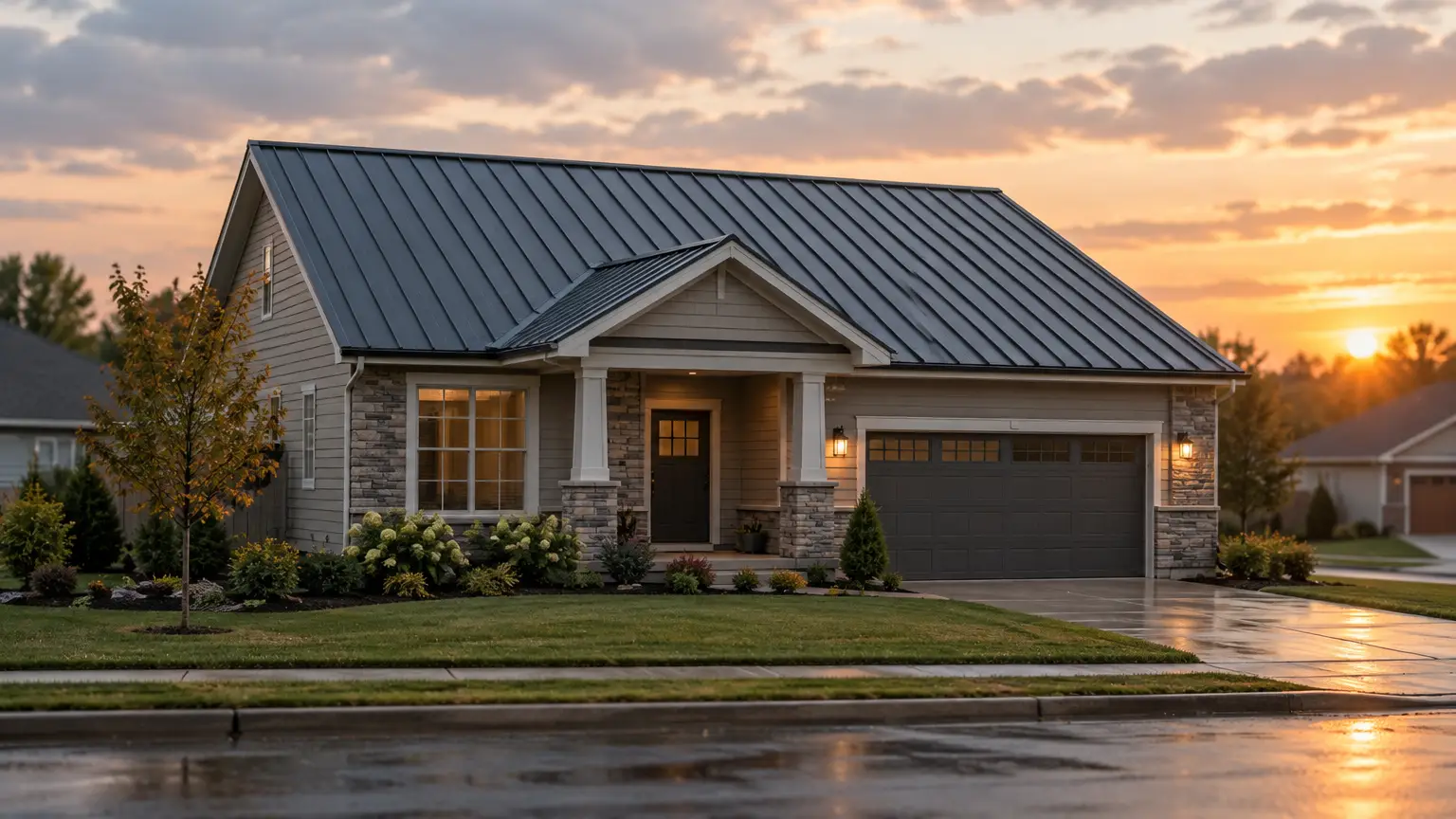
Your front porch serves as the welcoming focal point of your home’s exterior. Sanding and painting your front door in a vibrant accent color—such as navy blue, deep sage, or warm mustard—instantly transforms the facade in just a few hours. Replacing outdated brass house numbers, updating porch light fixtures, and installing matching mailbox hardware require basic hand tools and straightforward instructions. Adding wooden planter boxes, decorative shutters, or custom porch railings provides a creative weekend project that boosts character without threatening your home’s underlying structure.
Basic Garden Landscaping and Outdoor Living Touches
Laying mulch beds, planting perennial flower borders, and setting down stepping-stone pathways are ideal DIY tasks. Creating defined garden borders protects your home’s foundation from excess weed growth while channeling rainwater away from outer walls. Building raised garden beds or setting up small patio fire pit areas adds functional outdoor living space using simple materials readily available at local home supply stores. Because minor landscaping errors rarely compromise your home’s envelope, these projects carry low financial risk and offer great creative satisfaction.
High-Risk Exterior Renovations Best Left to Professionals
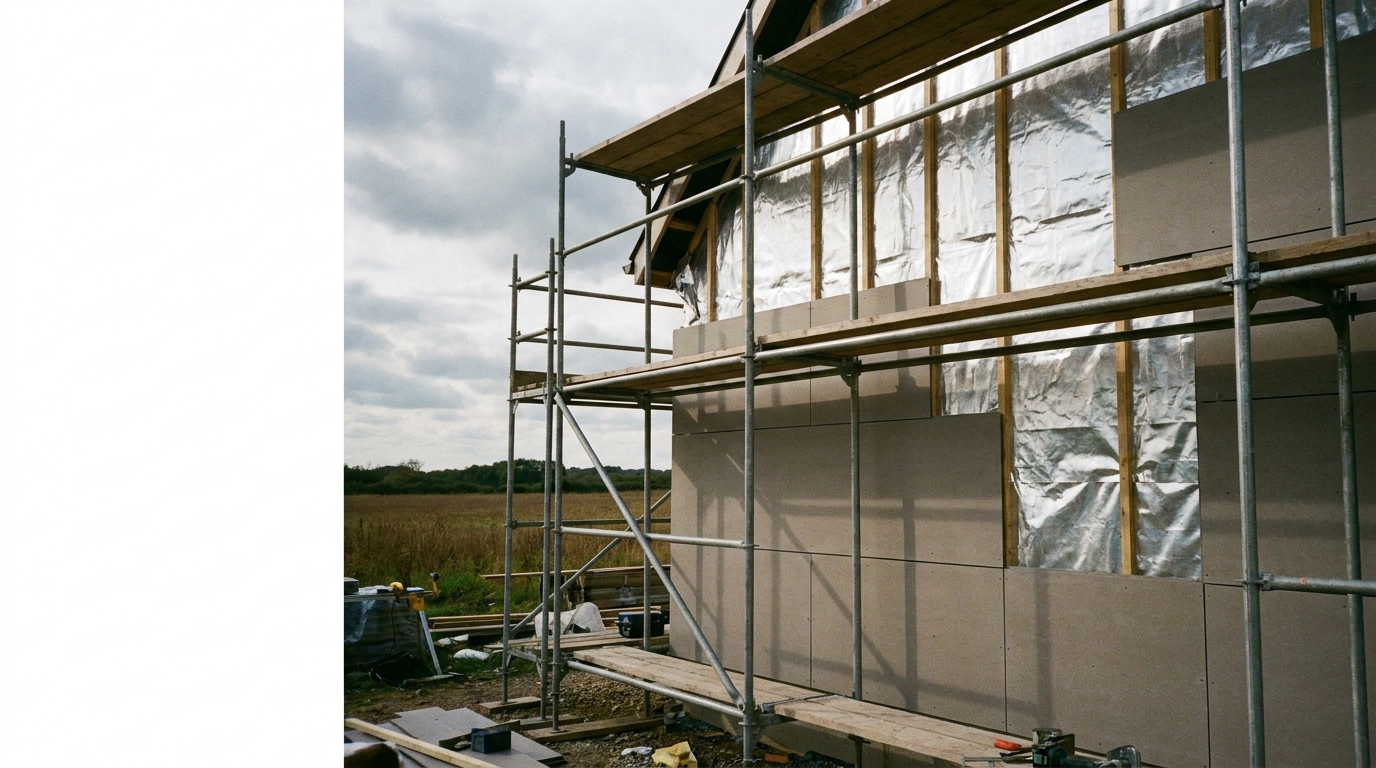
While cosmetic touch-ups are perfect for DIY enthusiasts, major exterior projects that protect your home from weather elements require specialized trade knowledge, heavy-duty machinery, and strict safety equipment. Attempting advanced structural or elevated installations without proper training frequently results in costly mistakes and dangerous home accidents.
Complete Cladding, Insulation, and Structural Wall Upgrades
Replacing the protective shell of your home involves far more than merely nailing panels to exterior studs. Properly installing wall cladding requires underlying moisture barriers, flashing around window frames, continuous air gaps for ventilation, and thermal expansion alignment. Flaws in weatherproofing allow wind-driven rain to seep into wall framing, spawning hidden mold growth and structural timber decay. Professional installers possess the precision tools and licensing necessary to secure manufacturer warranties and ensure your home meets local building code requirements for storm resistance.
Complete Roof Replacements and Structural Timber Repairs
Working at elevated heights on steep roof pitches represents one of the most hazardous home repair activities. Professional roofing crews utilize safety harnesses, scaffolding, and commercial nail guns to navigate elevated angles safely. Beyond physical danger, improperly installing flashing around chimneys, valley seams, or vent pipes creates immediate water leaks during heavy rainstorms. Certified contractors understand how to balance attic ventilation with ice shield installation, protecting your roof frame against premature failure and winter ice dams.
| Home Improvement Project | Difficulty & Risk Level | Recommended Approach | Key Reason for Choice |
|---|---|---|---|
| Front Door Refinishing | Low / Cosmetic | DIY Project | Budget-friendly, zero structural risk |
| Porch & Pathway Lighting | Low to Moderate | DIY / Handyman | Basic wiring or solar fixture setup |
| Full Wall Cladding Install | High / Structural | Hire Licensed Pro | Requires moisture barrier precision & warranties |
| Roof Replacement / Repairs | High / Fall Risk | Hire Licensed Pro | Hazardous height safety & waterproofing codes |
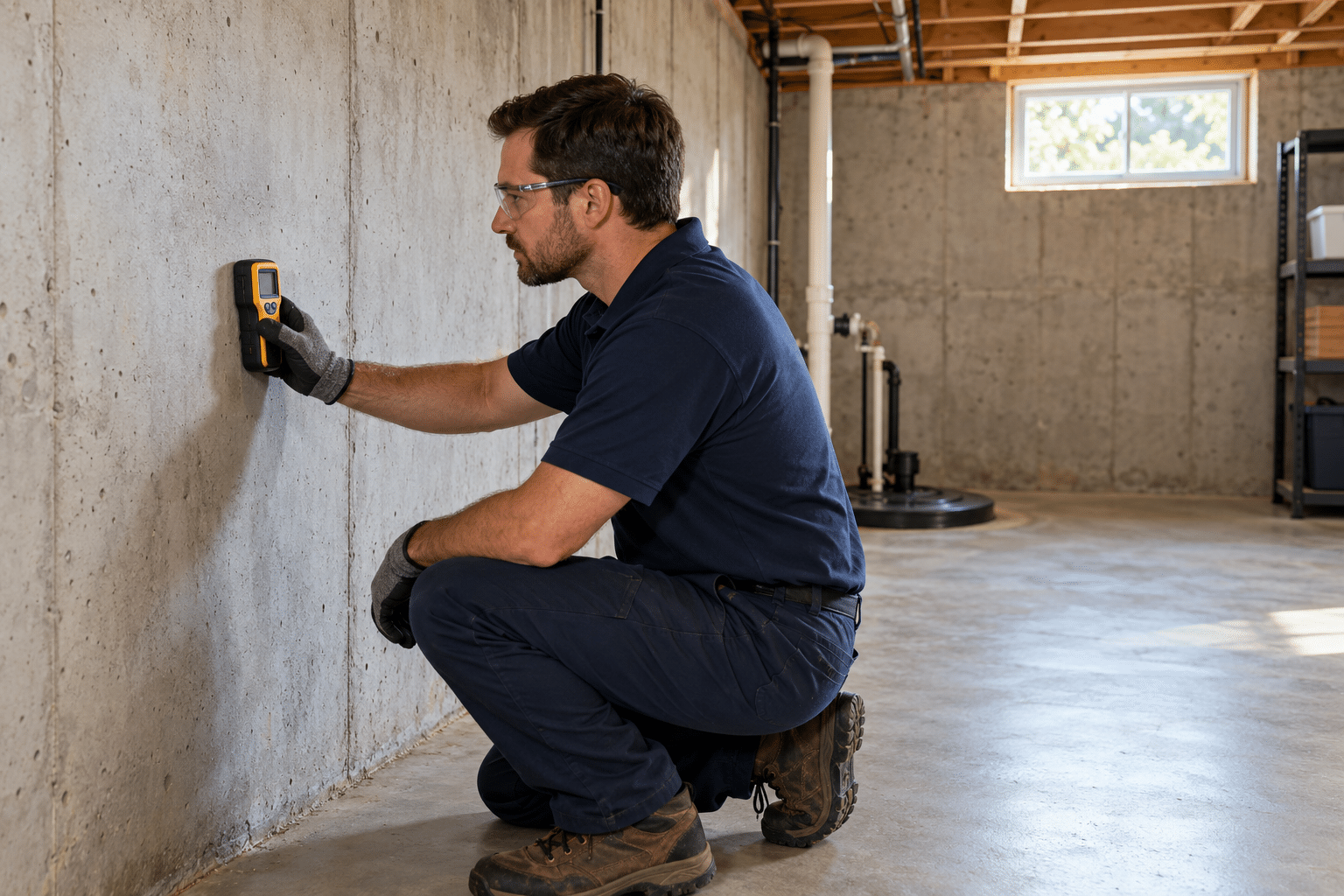
| Foundation Crack Sealing | Moderate to High | Hire Licensed Pro | Protects structural integrity against groundwater |
Evaluating Cost, Safety, and Time Before Tackling a Project
Before purchasing materials for your next outdoor project, run through a structured evaluation process. Asking yourself a few practical questions prevents you from getting stuck halfway through a complex teardown.
Safety Equipment and Height Hazards
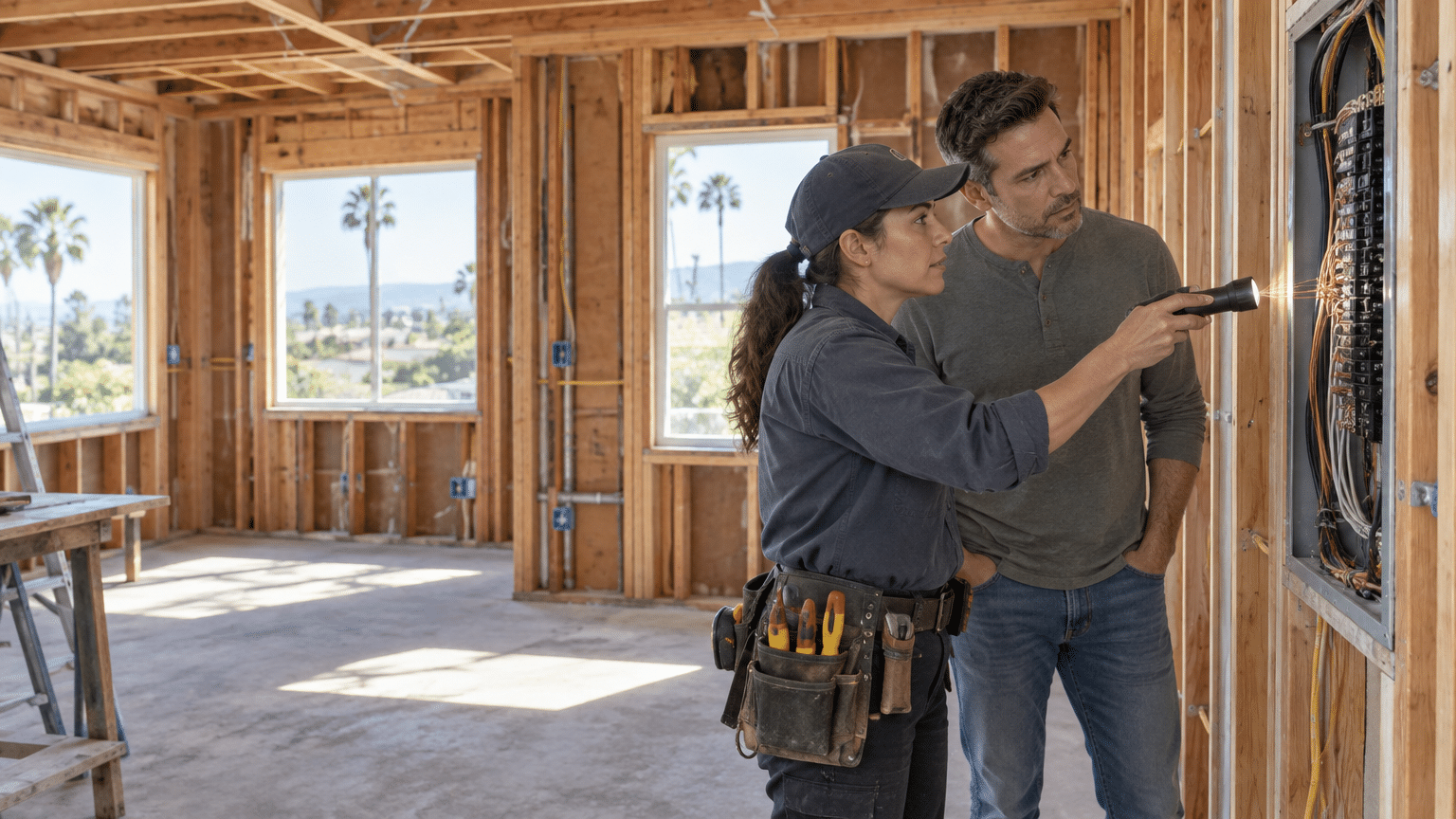
Do you own industry-standard safety gear, tall extension ladders, or protective eye and respiratory gear? Working off tall ladders for hours while holding heavy materials or power tools introduces serious fall hazards. Professional crews carry full worker’s compensation and liability insurance, protecting you from personal liability if an accident occurs on your property.
Special Tools and Specialized Building Permits
Many major exterior renovations—including structural porch additions, full window replacements, and siding overhauls—require local municipal building permits and formal inspections. Professionals navigate local permitting offices smoothly and already own expensive specialized tools like brake folders, pneumatic coil nailers, and laser levels that would be cost-prohibitive to buy or rent for a single job.
- Calculate Tool Rental Costs: Factor in the price of renting scaffolding, commercial paint sprayers, or power tools when comparing DIY costs against professional estimates.
- Assess Opportunity Cost: Consider how many weekends a project will take you versus a professional crew finishing the entire job in two days.
- Verify Manufacturer Warranties: Many exterior material manufacturers void product warranties unless installation is performed by a certified, licensed contractor.
- Check Local Building Codes: Ensure your planned modifications comply with municipal setback rules and HOA architectural guidelines.
Balancing DIY Pride with Professional Quality
A beautiful, durable home exterior is built by striking the right balance between personal DIY creativity and expert professional craftsmanship. Taking pride in restoring a vintage front bench, painting wooden window trim, or planting lush garden beds gives your home personal warmth and charm. Simultaneously, investing in qualified contractors for heavy structural work guarantees your dwelling remains secure, energy-efficient, and fully protected against extreme weather for decades. By knowing your limits and making informed choices, you protect both your family budget and your home’s long-term resale value.