
A can of paint, new hardware, and a free Saturday can change a room for very little money. A kitchen remodel is a different story.
In 2026, a minor kitchen remodel averages about $28,500, while a major one costs over $160,000. The price explains why DIY is tempting. It also explains why you should know where DIY stops making financial sense because sometimes, it’s actually more cost-effective to hire a professional (more on that below).
Of course, things like paint, hardware, trim, shelving, and other cosmetic updates rarely need a full remodeling crew. The trouble starts when your “quick update” involves a wall, wiring, plumbing, windows, or anything else that sits behind the finished surface. A cheap DIY project here can turn into a very expensive mistake.
Start With the Question: What Are You Actually Changing?
The easiest way to judge a project is to ignore your inspiration Pinterest photo and look at what has to change inside the room. Think about the scope of the project.
If you want new paint, cabinet pulls, a different mirror, or simple built-ins, DIY may be perfectly reasonable. You can work at your own pace, fix small mistakes yourself, and avoid paying professional labor for work you can handle.
Now, say you want to remove a wall to open up the kitchen, or move the sink across the room; that’s no longer a decorating project. It becomes a construction project, with several moving parts that need to work together.
Kitchens and bathrooms are especially tricky because plumbing, electrical, ventilation, cabinetry, flooring, and sometimes structural work all meet in one relatively small space. There is also the planning problem. You might know exactly what you want your new bathroom to look like, but that does not necessarily tell you whether the layout works, whether existing plumbing can support the change, or whether the finished project will meet code.
Your Local Area Matters More Than Pinterest Suggests
Speaking of codes, building rules are not the same everywhere. A kitchen renovation in California may face different permit requirements from one in Maryland, even if the two projects look almost identical.
If you’re changing plumbing, electrical systems, structural elements, windows, or the layout itself, it’s best to check the local requirements before you start tearing things apart. A remodeler who works in your area can help you understand what needs permits, what needs plans, which trades need licensed professionals, and where your original idea might need adjusting.
Sometimes the Professional Is the Cheaper Option
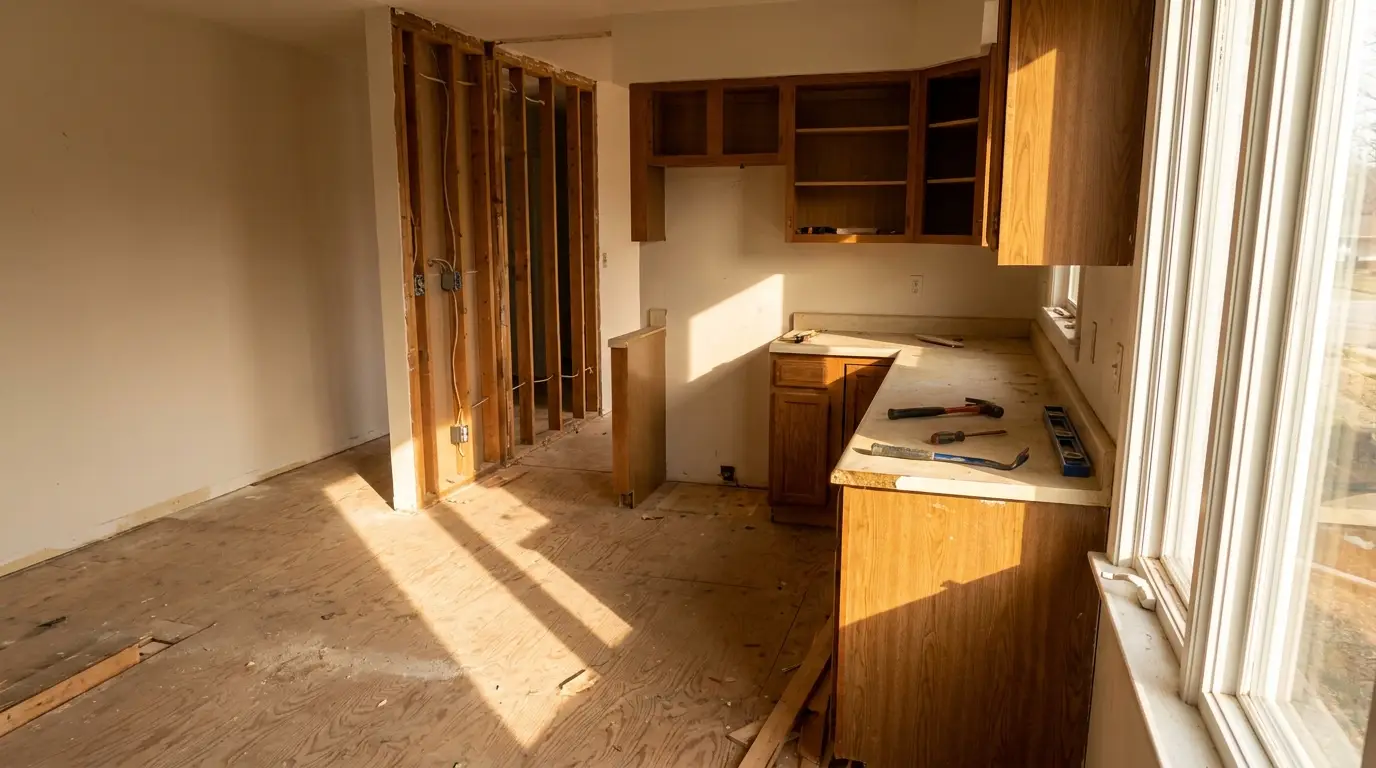
Professional labor adds to the initial bill, obviously. What is easier to miss is the cost of correcting bad work, replacing damaged materials, delaying other trades, or doing a job twice.
So, when does professional help make more sense? If you’re planning a new kitchen layout, a bathroom renovation, an addition, or a project that involves walls, plumbing, electrical work, or significant moisture control, that’s when professional input can prevent expensive rework later.
For a renovation that involves more than paint and décor, you can visit Ward Home Improvements for professional guidance. Getting advice before the work starts is always wiser because it can help you understand the scope and sequence the work properly.
Know When to Put Down the Hammer
Here’s a reliable rule of thumb: if the project changes how the room works, not just how it looks, talk to a remodeler before you begin. That includes structural changes, new plumbing or electrical work, major layout changes, additions, and projects involving exterior openings or significant moisture control.
There is nothing wrong with doing part of the work yourself. In fact, choosing the right DIY jobs can keep a remodel within budget. Just make sure your savings come from doing manageable work yourself, rather than from taking on work you aren’t equipped to fix when things go sideways.