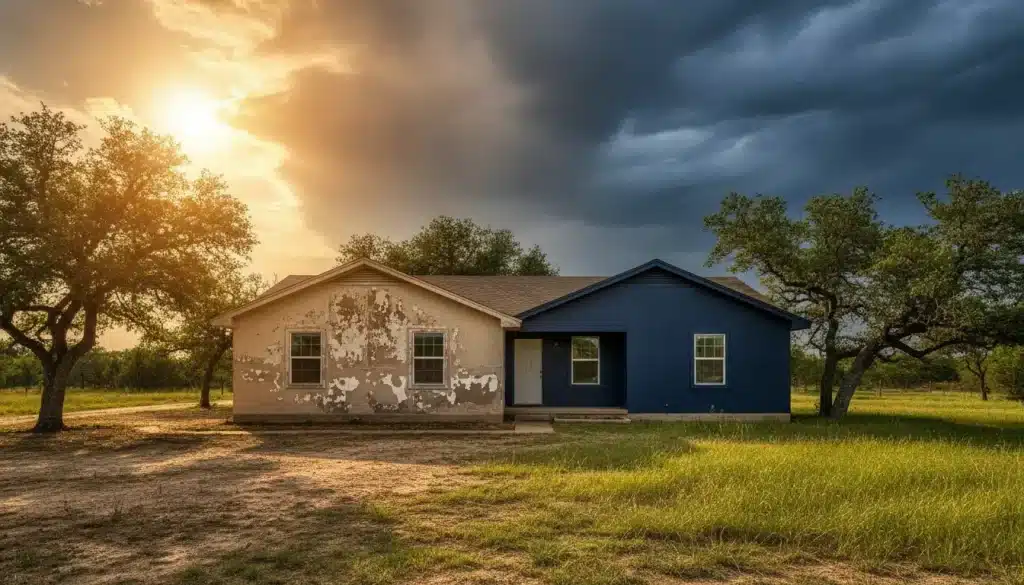
Central Texas’s climate is one of the most demanding on the planet for home exteriors. The combination of intense summer heat, UV radiation that rarely lets up, periodic severe storms, and significant humidity variation through the seasons puts exterior surfaces under stress that simply doesn’t exist in more temperate climates.
Understanding what specifically causes exterior paint failure – and what proper exterior coatings do to protect against it – gives homeowners a more informed basis for the decisions they make about maintaining the most exposed surfaces on their home.
The UV Problem in Texas
Ultraviolet radiation is the primary driver of paint degradation on Texas homes. UV breaks down the binders in paint film that hold pigment and provide adhesion to the substrate – causing fading, chalking, and the loss of the flexible, protective film that prevents moisture intrusion.
In Central Texas, UV exposure is intense and sustained for the majority of the year. South and west-facing exterior surfaces – which receive the most direct sunlight – typically show paint degradation significantly earlier than north and east-facing surfaces on the same home. This uneven wear pattern is why selective repainting of specific elevations sometimes makes sense as a maintenance strategy.
Heat Cycling and Paint Adhesion
The wide temperature swings that characterize a Texas year – from cold winter nights to summer days that regularly exceed 100°F – cause exterior materials to expand and contract repeatedly. This thermal cycling stresses the bond between paint and substrate, particularly at seams, joints, and areas where different materials meet.
Paint that was applied to improperly prepared surfaces, or with inadequate film thickness, loses adhesion at these stress points first. The cracking and peeling that follows allows moisture to penetrate, which accelerates the substrate damage that eventually requires not just repainting but wood repair or replacement.
Humidity and Moisture: The Hidden Damage Driver
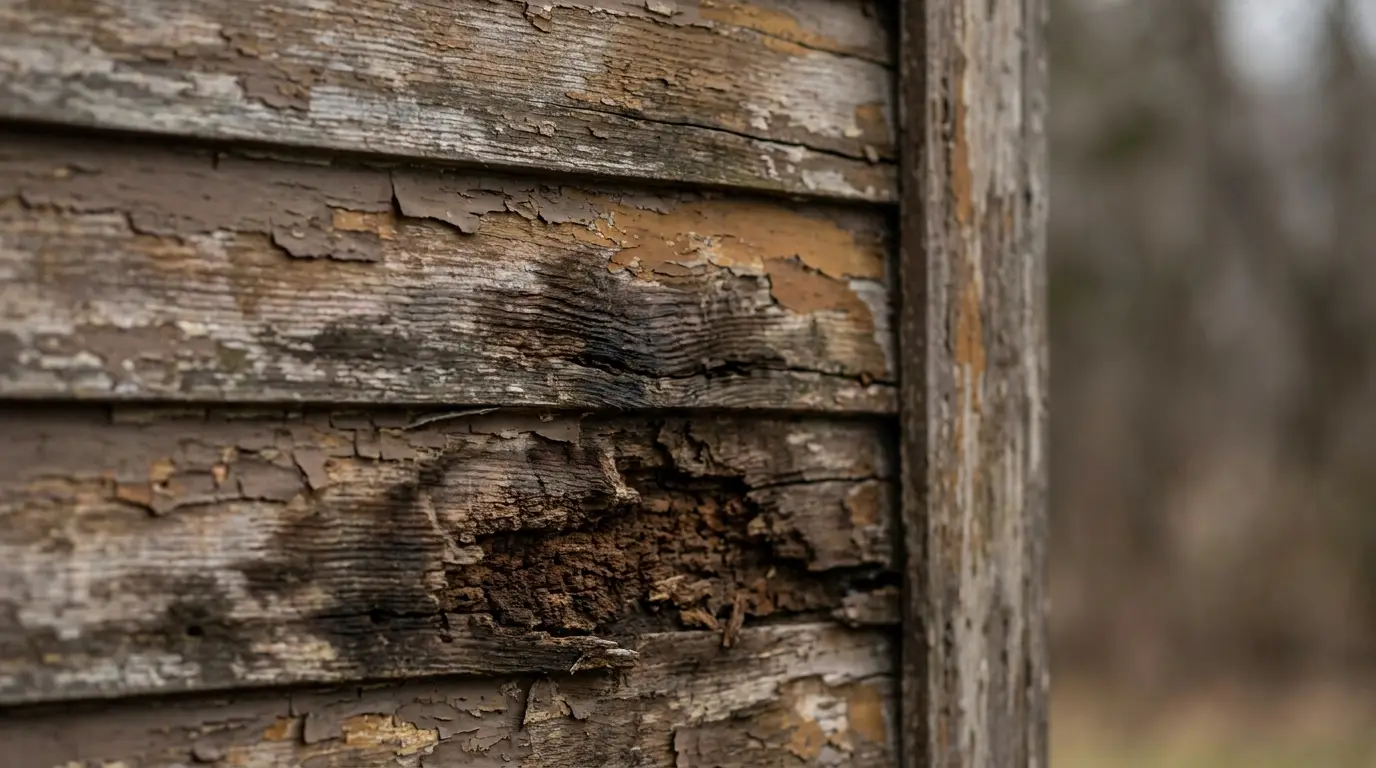
Waco’s humidity, combined with the moisture from periodic heavy rainfall, puts constant pressure on exterior paint’s water-resistance. When paint film fails – through cracking, peeling, or degradation of the protective layer – moisture reaches the substrate. On wood, this produces the rot, swelling, and staining that turn a painting problem into a carpentry problem. Choosing quality exterior coatings applied with proper surface preparation by experienced exterior painting Waco TX professionals is the most effective defense against moisture-related exterior damage.
Caulking around windows, doors, and penetrations plays a critical role in moisture exclusion – and it fails on a different timeline than paint. Even a recently painted exterior can allow moisture intrusion if the caulk at joints and penetrations has cracked or shrunk. Caulk inspection and replacement should be part of any exterior paint project.
Why Paint Quality Matters More Than It Seems
The difference between a budget exterior paint and a premium product – in a Central Texas climate – is not a marketing distinction. Higher-quality exterior paints use more UV-resistant binders, higher pigment concentrations, and better mildewcide formulations that directly extend service life in demanding conditions.
A premium exterior paint job that lasts 8 to 10 years in Central Texas is a better value than a budget paint job that needs repainting in 4 to 5 years – even if the initial cost is higher. Calculating cost-per-year of service life rather than upfront cost is the more accurate way to evaluate exterior paint options.
Surface Preparation: Where Paint Jobs Are Won or Lost
No paint system – regardless of quality – performs well on a poorly prepared surface. Exterior preparation in Texas typically includes power washing to remove mildew, chalk, and loose paint; scraping any paint that has already failed; sanding rough surfaces; priming bare wood; and caulking all joints and penetrations before a drop of topcoat is applied.
Cutting corners on surface preparation is the most reliable way to shorten the service life of an exterior paint job. Professional painting companies that include thorough preparation in their process are providing value that cheap bids without adequate prep simply don’t offer.
Wrapping Up
Central Texas’s climate demands more from exterior paint than moderate-climate homeowners might assume. Understanding the specific mechanisms of UV damage, thermal cycling, and moisture intrusion gives homeowners the context to evaluate paint quality choices and professional surface preparation for what they actually are – investments in the protection of the home’s most vulnerable surfaces.
Frequently Asked Questions
How often should a home exterior be repainted in Central Texas?
Most homes in the Waco area benefit from exterior repainting every 5 to 8 years, depending on the paint quality used, surface preparation, and the specific exposure of different elevations. South and west-facing surfaces may need attention sooner. Annual inspection of paint condition – looking for chalking, cracking, peeling, or caulk failure – is the best way to catch problems before moisture damage makes the project more complex.
What’s the best time of year to paint a home exterior in Waco?
Spring and fall are generally the best seasons for exterior painting in Central Texas – temperatures are moderate and humidity is more predictable than in summer. Summer painting is possible but requires attention to surface temperature (very hot surfaces affect paint application and adhesion) and working during cooler parts of the day.